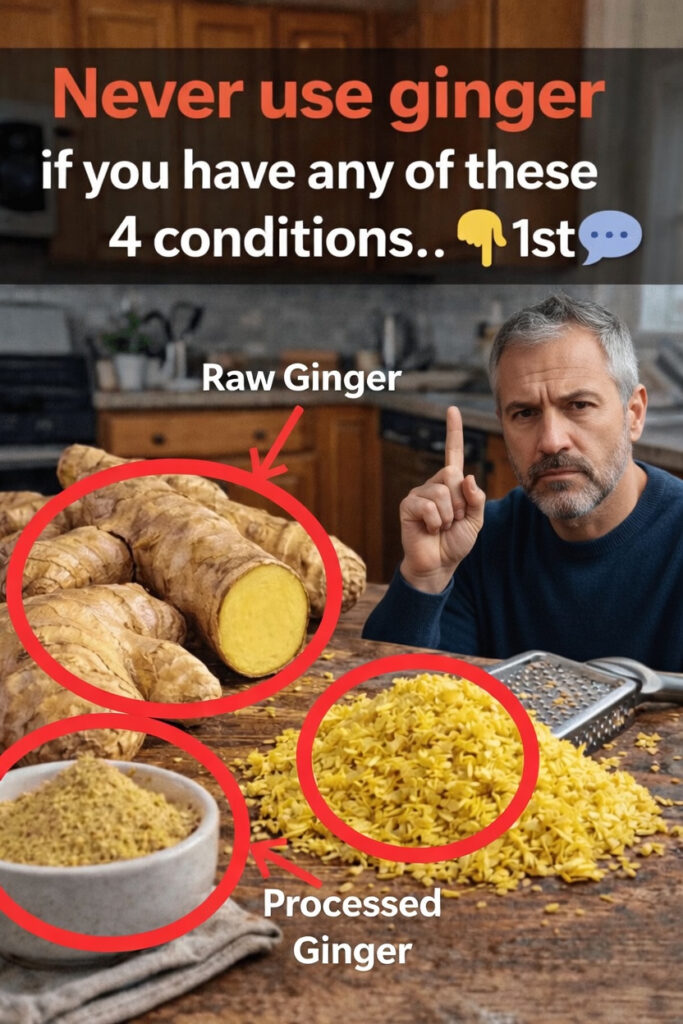
Ginger: When This Popular Root May Not Be the Best Choice
Ginger is a widely loved root valued for its warming taste and its long-standing role in teas, cooking, and home wellness practices. Many people use it regularly with no problem at all. Still, even natural ingredients are not universally suitable. In higher amounts or concentrated forms, ginger may cause unwanted effects for some individuals.
In certain health situations, using ginger can increase the chance of side effects or interact with existing treatments. That is why many people ask when it may be smarter to reduce or avoid this common spice. Below are four important cases where extra caution with ginger is often advised, based on information from trusted health sources.
Why Ginger Is Usually Safe, but Not for Everyone
Ginger comes from the Zingiber officinale plant and contains active substances such as gingerols. Research cited by sources like WebMD and NCBI suggests that ginger is generally safe for most adults when consumed in moderate culinary amounts, often up to around 4 grams per day.
That said, its natural compounds can affect circulation, digestion, and other body functions. For some people, those effects may not align well with their health condition or medication plan. The key is not fear, but awareness. Knowing when to be careful makes it easier to enjoy ginger wisely.
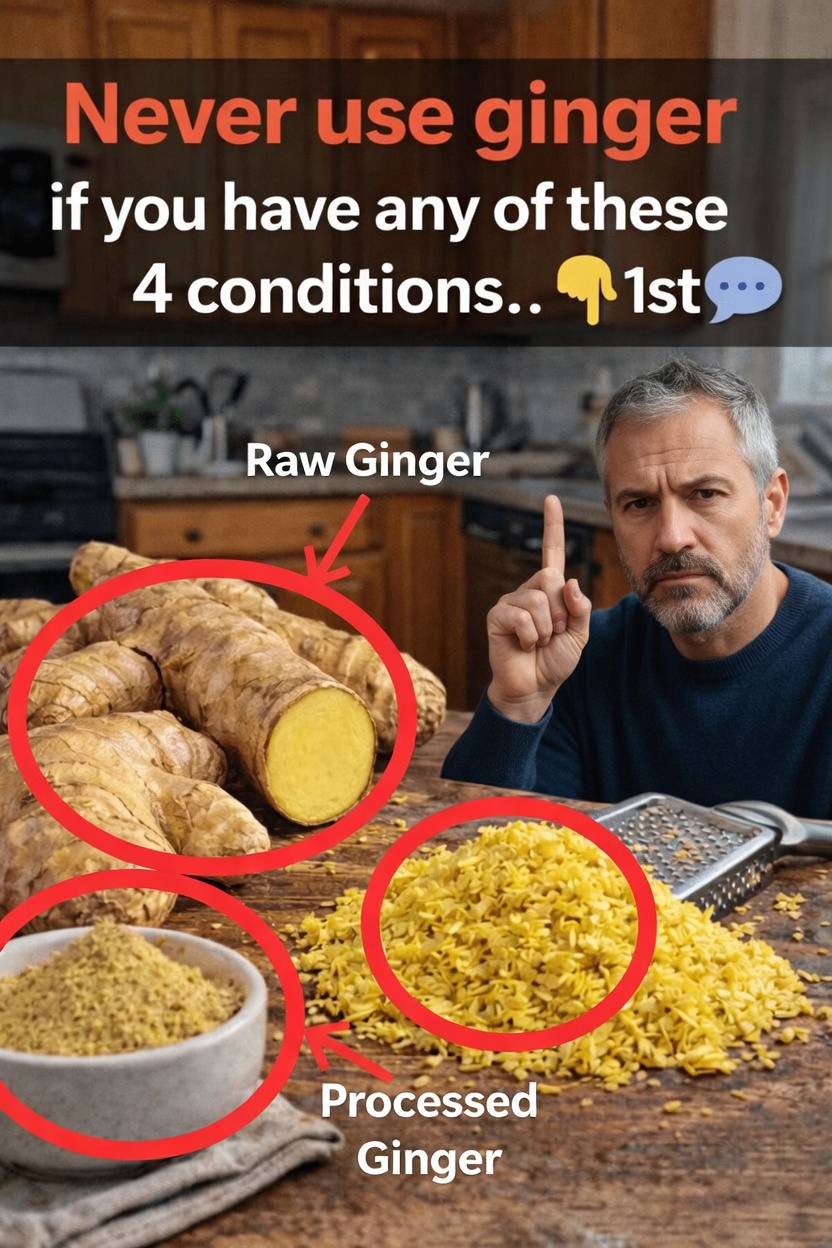
1. Bleeding Disorders or Blood-Thinning Medication Use
One of the most common concerns linked to ginger involves its effect on blood clotting. Research suggests that ginger may reduce platelet aggregation, giving it a mild blood-thinning action.
If you have a bleeding disorder such as hemophilia, or if you take medications like warfarin, aspirin, or other anticoagulants, extra ginger could raise the risk of bruising or bleeding. Sources including WebMD and NCBI StatPearls mention this possible interaction and recommend care, especially before surgery when bleeding control is especially important.
What to keep in mind
- If you have a diagnosed bleeding disorder, speak with your doctor before increasing ginger intake.
- If you use blood thinners, even regular dietary ginger may matter over time.
- If you have surgery coming up, many experts advise stopping ginger one to two weeks beforehand.
Being cautious in this area can help support a safer daily routine.
2. Gallstones or Gallbladder Problems
Ginger can encourage bile production, which is helpful for digestion in many people. However, when gallstones or gallbladder disease are involved, that increased bile activity may lead to discomfort or worsen symptoms.
Health references such as Medical News Today and NCBI note that people with gallstones or other gallbladder concerns should use ginger carefully. Increased bile flow may irritate an already sensitive gallbladder or contribute to pain when stones are present.
Practical reminders
- If you often feel pain in the upper-right abdomen or after fatty meals, get evaluated by a healthcare professional.
- If you already know you have gallstones, choose milder seasonings unless your doctor says ginger is fine.
- Support gallbladder health with balanced meals and mindful eating habits.
This is one reason ginger is not always the perfect digestive aid for every person.
3. Diabetes and Blood Sugar Control
Ginger may affect blood sugar levels, and some studies suggest it can support better glucose balance when used moderately. However, that effect may become a concern if you already take insulin or diabetes medication. In those situations, ginger could strengthen the blood-sugar-lowering effect and increase the risk of hypoglycemia.
Reviews and health resources such as EatingWell have pointed to this possible interaction. Anyone managing diabetes should pay attention when adding ginger more consistently to the diet.
Smart ways to use caution
- Monitor blood sugar more often if you start using ginger daily.
- Prefer normal food amounts rather than concentrated ginger supplements.
- Talk with your healthcare provider before making changes, especially if your blood sugar is already tightly managed.
Even small changes can affect long-term blood sugar stability.
4. Low Blood Pressure or Blood Pressure Medication
Some evidence suggests ginger may slightly lower blood pressure by helping blood vessels relax. For people who already have low blood pressure, or those taking medication to reduce it, this added effect may lead to dizziness, weakness, or lightheadedness.
While this issue is not always discussed as often as bleeding risk, some sources do mention that ginger may have an additive effect when combined with blood pressure medications. Paying attention to symptoms can help you catch problems early.
Tips for safer use
- If you often feel dizzy or faint, notice whether ginger seems to make it worse.
- If you take medication for blood pressure, start with small amounts and watch your response.
- Stay hydrated and eat balanced meals to support overall blood pressure stability.
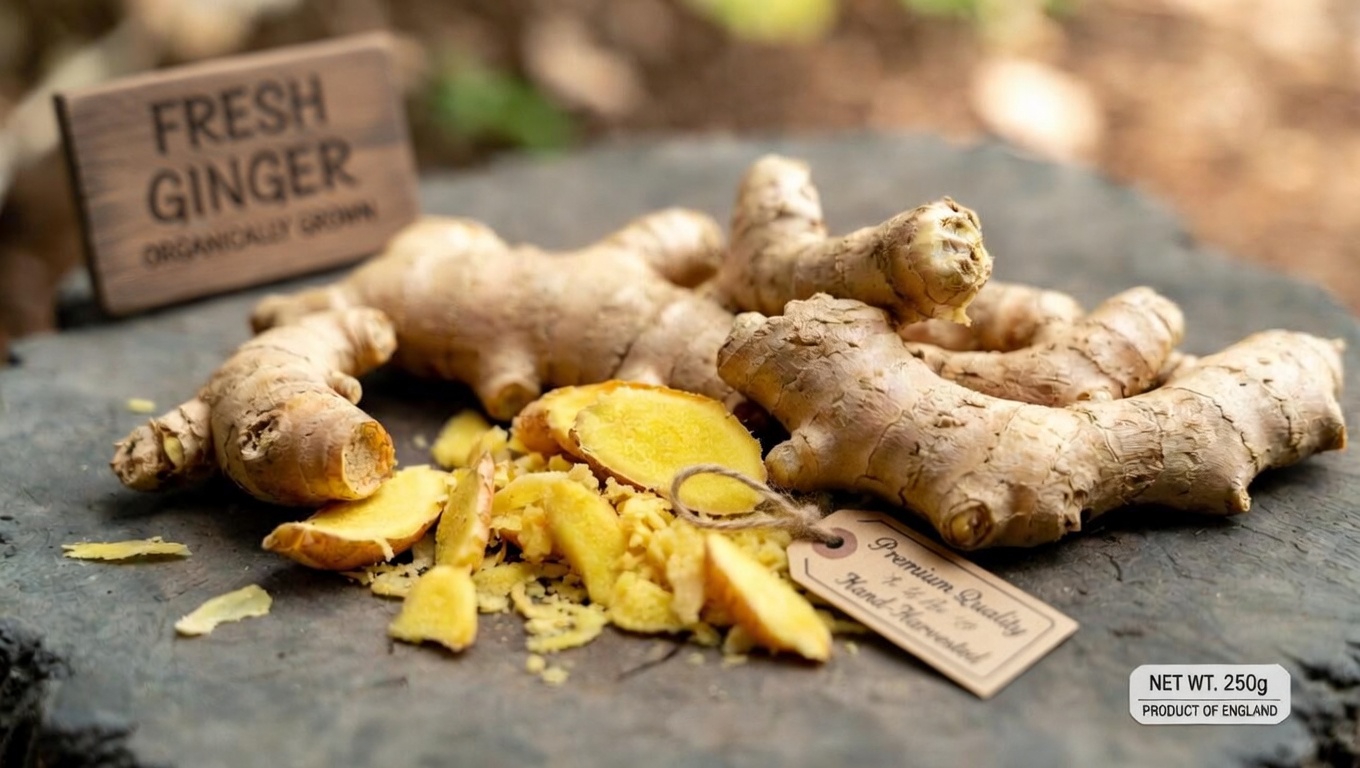
How to Use Ginger More Safely in Daily Life
For people who do not have the concerns above, ginger can be a flavorful and enjoyable ingredient. The best approach is to use it thoughtfully and in moderation.
Simple ways to include ginger
- Add fresh ginger to tea or stir-fries for a mild introduction.
- Grate a little into soups or smoothies.
- Choose fresh or cooked ginger in food rather than high-dose supplements unless a professional recommends otherwise.
- Combine it with ingredients like lemon to soften the intensity.
It is always important to pay attention to how your body responds. If something does not feel right, stop using it and seek medical advice.
Final Thoughts: Enjoy Ginger with Awareness
Ginger remains a favorite ingredient because of its taste, versatility, and traditional wellness uses. But understanding when to limit it is just as important as knowing its benefits. A little caution can help you enjoy ginger in ways that support, rather than challenge, your health.
The four main situations that deserve extra attention are:
- Bleeding disorders or use of blood thinners
- Gallstones or gallbladder issues
- Diabetes and blood sugar management
- Low blood pressure or blood pressure medication use
Moderation, observation, and informed choices can go a long way.
FAQ
Is ginger safe during pregnancy?
Many sources say ginger is often used in moderate food amounts to help with morning sickness. However, larger doses or use later in pregnancy should be discussed with a doctor because of possible effects.
Can I use ginger if I do not take any medications?
For healthy adults without the conditions listed above, normal culinary use of ginger is generally considered safe. If you want to start using more of it, begin with small amounts.
Is fresh ginger better than ginger supplements?
Fresh ginger and ginger used in food are usually gentler on the body. Supplements contain more concentrated active compounds, which may increase the chance of interactions. It is best to check with a healthcare provider before using them regularly.