Garlic: A Natural Antibiotic Powerhouse
Garlic is far more than a simple flavor booster in the kitchen. For centuries, it has been used in traditional medicine to help the body fight infections and support overall health. Modern research confirms that garlic has strong antibacterial, antifungal, antiviral, and antiparasitic properties, making it a powerful natural ally against many types of infections.
Important: Garlic can support your health, but it does not replace professional medical care, especially for serious infections. Always consult a healthcare provider for diagnosis and treatment.
How Garlic Helps Fight Infections
The main infection-fighting compound in garlic is allicin, which is released when garlic is crushed or chopped. Allicin can damage and destroy harmful bacteria, fungi, viruses, and some parasites.
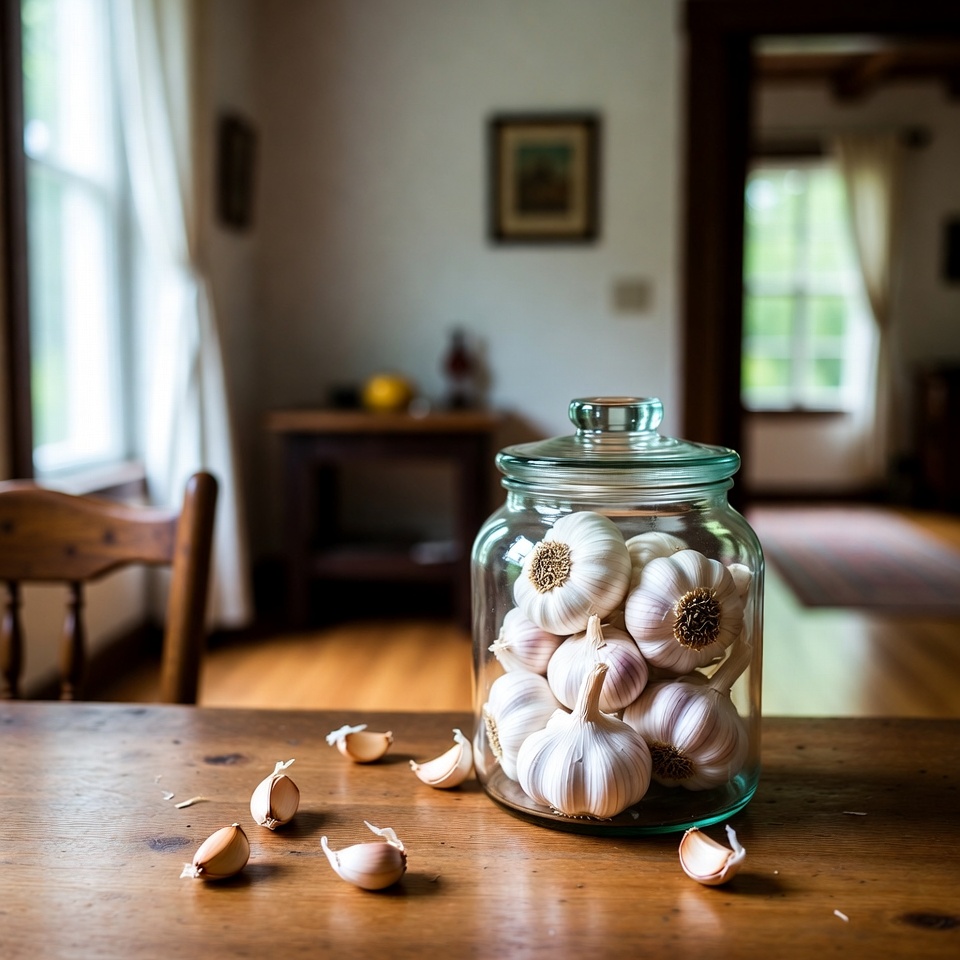
Unlike many synthetic antibiotics that can contribute to antibiotic resistance and cause side effects, garlic is generally well tolerated when used in normal food amounts. When used correctly, it can be a gentle, natural way to help the body defend itself.
14 Types of Infections Garlic May Help Combat
Below are 14 common infections and conditions where garlic is traditionally used as a natural support. It should be viewed as a complementary approach, not a stand-alone cure.
1. Common Cold and Flu
- Immune support: Garlic may strengthen the immune system and help the body fight viruses that cause colds and influenza.
- Symptom duration: Consuming raw garlic or drinking warm garlic tea may help shorten how long cold or flu symptoms last.
2. Strep Throat and Sore Throat
- Natural antibacterial action: Garlic has been shown to act against Streptococcus bacteria, which are often responsible for strep throat.
- Soothing gargle: Gargling with warm garlic-infused water may ease throat discomfort while helping reduce the bacterial load in the throat.
3. Sinus Infections
- Bacterial and fungal support: Garlic’s antimicrobial properties may help with both bacterial and fungal sinus infections.
- Steam inhalation: Inhaling steam from hot water infused with crushed garlic can help open nasal passages and may support sinus drainage.
4. Ear Infections
- Garlic oil: Warm (not hot) garlic-infused oil drops are traditionally used to help reduce bacteria that contribute to ear pain and inflammation.
- Always consult a doctor before using any home remedy in the ear, especially in children or if a perforated eardrum is suspected.
5. Tooth Infections and Gum Disease
- Natural antiseptic: Garlic can help fight the bacteria that lead to tooth infections, toothaches, and gum inflammation such as gingivitis.
- Topical use: Rubbing a small amount of fresh, crushed garlic on the gums or rinsing with diluted garlic water may support oral hygiene and reduce harmful bacteria.
6. Yeast Infections (Candida)
- Antifungal effects: Garlic has been studied for its ability to inhibit Candida overgrowth, a common cause of yeast infections.
- Internal and external use: Eating raw garlic or using diluted garlic oil topically (always patch-test and dilute well) may provide additional support against fungal infections.
7. Foodborne Infections (E. coli and Salmonella)
- Food safety support: Garlic can inhibit certain bacteria such as E. coli and Salmonella, which are associated with food poisoning.
- In the diet: Regularly adding garlic to meals may help lower the risk of some foodborne illnesses, though it does not replace safe food handling and proper cooking.
8. Urinary Tract Infections (UTIs)
- Targeting UTI bacteria: Garlic has activity against bacteria like E. coli, a common cause of urinary tract infections.
- Supportive remedy: Drinking garlic-infused water and including garlic in your diet may support urinary health alongside medical treatment.
9. Respiratory Infections (Pneumonia and Bronchitis)
- Lung support: Garlic may help loosen mucus, ease congestion, and support the body’s response to lung infections such as bronchitis.
- Warm garlic tea: Drinking garlic tea with honey and lemon can soothe coughs and may help support respiratory health.
For serious infections like pneumonia, garlic should only be used as a complement to prescribed medical treatment, not as a replacement.
10. Skin Infections (Fungal and Bacterial)
- Topical antimicrobial: Garlic has been used on the skin to help with fungal conditions such as athlete’s foot and ringworm, and to target certain bacterial skin infections.
- How to apply: A garlic paste (crushed garlic mixed with a carrier like coconut or olive oil) or garlic-infused oil can be applied to small, affected areas. Always test on a small patch of skin first to check for irritation.
11. Tuberculosis (TB)
- Supportive research: Some studies suggest that garlic may help slow the growth of Mycobacterium tuberculosis, the bacteria that cause TB.
- Not a stand-alone treatment: TB is a serious, potentially life-threatening condition that requires strict medical treatment. Garlic can only be considered as an additional dietary support, never as primary therapy.
12. Stomach Ulcers (H. pylori Infection)
- Anti–H. pylori action: Garlic has shown activity against Helicobacter pylori, the bacteria associated with many stomach ulcers and chronic stomach pain.
- Digestive support: Regular, moderate garlic intake may support a healthier digestive environment alongside medical care for ulcers.
13. Blood Infections (Sepsis and MRSA)
- Fighting resistant bacteria: Research indicates that compounds in garlic can act against antibiotic-resistant bacteria, including MRSA (methicillin-resistant Staphylococcus aureus).
- Critical care warning: Conditions like sepsis and MRSA are medical emergencies that require hospital treatment. Garlic may have a supporting role in prevention and overall health but is not an adequate treatment on its own.
14. Parasitic Infections
- Antiparasitic properties: Garlic has a long history of use against intestinal parasites and worms.
- Traditional use: Eating raw garlic on an empty stomach is a common folk remedy believed to help expel certain intestinal parasites and support digestive health.
How to Use Garlic for Infection Support
There are several simple ways to use garlic to help support your immune system and fight infections naturally:
-
Raw Garlic
- Crush or finely chop 1–2 cloves of fresh garlic.
- Let it sit for about 10 minutes to activate allicin.
- Eat it directly, mix it with honey, or add it to food just before serving.
-
Garlic Tea
- Lightly crush 1–2 cloves and add them to a cup of hot water.
- Let steep for 5–10 minutes.
- Strain, then add honey and lemon for taste and extra soothing benefits.
- Sip while warm.
-
Garlic-Infused Oil
- Gently warm olive oil and add crushed garlic.
- Let it infuse, then strain out the garlic.
- Use the cooled oil externally on skin or, under medical guidance, as ear drops for certain ear issues.
-
Garlic Capsules or Supplements
- If the taste or smell of raw garlic is too strong, odor-controlled garlic capsules or aged garlic extracts are available.
- Follow dosage instructions on the label and consult a healthcare professional, especially if you take medications or have underlying conditions.
Final Thoughts
Garlic is one of nature’s most powerful natural antibiotics, offering antibacterial, antifungal, antiviral, and antiparasitic support. Including garlic regularly in your diet can help strengthen your immune system and may reduce your risk of many common infections.
Use garlic as a supportive, natural remedy alongside a healthy lifestyle—and always seek medical advice for persistent, severe, or worsening symptoms.