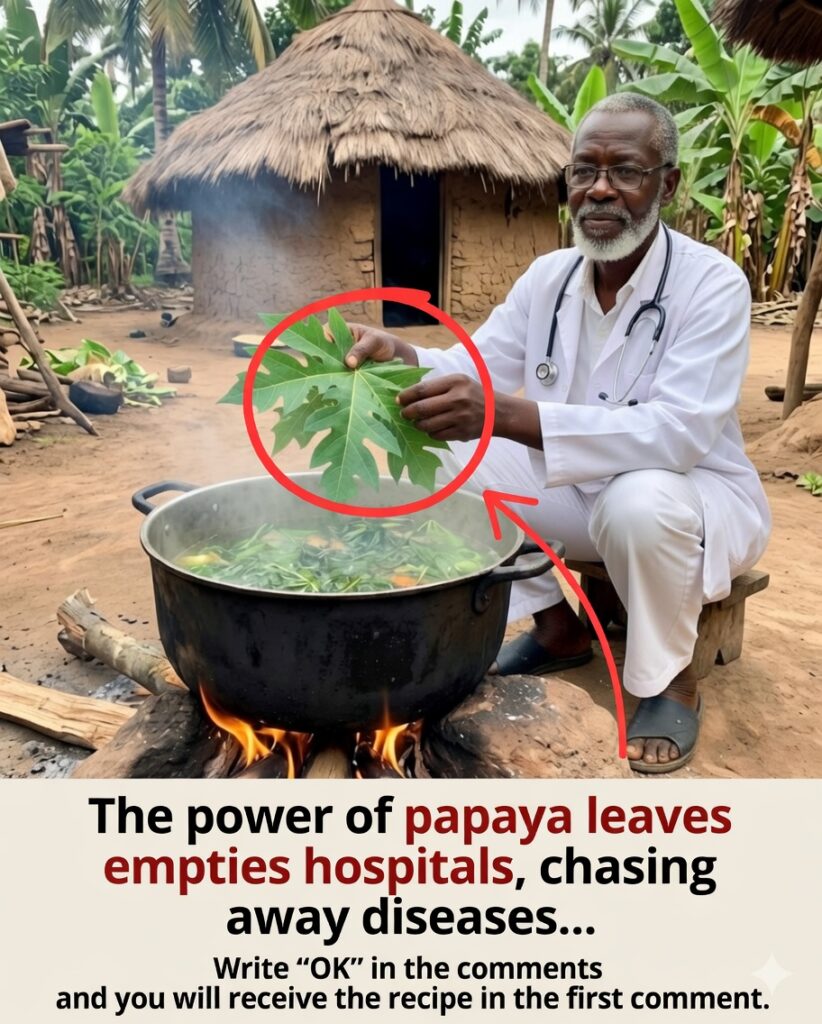
Boiled Papaya Leaves: Bitter Drink, Real Benefits?
Drinking a strong, bitter infusion made from papaya leaves has become a trend, often promoted as a natural way to improve digestion, strengthen immunity, and even support recovery from illnesses such as dengue.
Online, papaya leaf remedies are sometimes praised as almost “miraculous.” But how much of this is backed by real science? Do papaya leaves truly offer all these benefits?
This guide takes a closer look at what papaya leaves actually do, how they are used, and what current research really shows.
What Are Papaya Leaves?
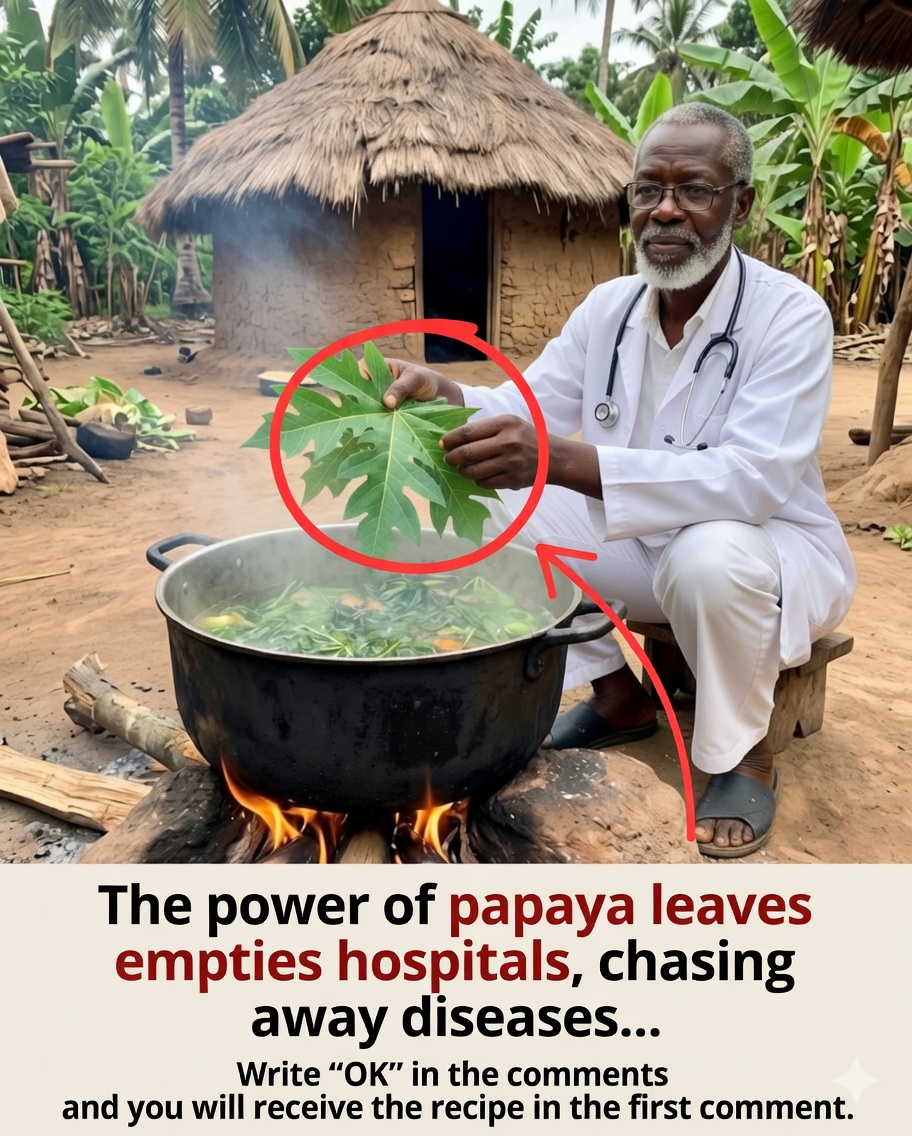
Papaya leaves come from the Carica papaya tree, best known for its sweet orange fruit. While the fruit is popular worldwide, the leaves have long been used in traditional medicine systems for their supposed healing properties.
Papaya leaves contain several bioactive compounds, including:
- Flavonoids
- Alkaloids
- Enzymes such as papain
- Various antioxidants
These substances are linked to potential benefits, especially for digestion and immune function.
Proven and Potential Benefits of Papaya Leaves
1. Supporting the Immune System
Papaya leaves may help support your body’s natural defenses. Some studies suggest that leaf extracts can:
- Modulate immune responses
- Decrease oxidative stress
- Help the body cope better with infections
While promising, most findings come from experimental or small-scale studies rather than large clinical trials.
2. Increasing Platelet Count (Especially in Dengue)
This is one of the most widely known uses. Certain clinical studies have reported that papaya leaf extract can:
- Increase platelet counts
- Improve some blood parameters in patients with dengue
However, these effects were observed under specific medical conditions and controlled doses, not from casual home use. Papaya leaf remedies should not replace medical care in dengue or any serious illness.
3. Antioxidant Effects
Papaya leaves are rich in antioxidants, which help:
- Neutralize free radicals
- Protect cells from oxidative damage
- Potentially lower the risk of some chronic diseases over time
This antioxidant activity is one of the better-supported benefits in the scientific literature.
4. Digestive Support
Thanks to papain and other enzymes, papaya leaves may:
- Improve the breakdown of proteins
- Reduce bloating and digestive discomfort
- Support overall digestive function
This is one reason papaya leaf tea is often used after heavy meals.
5. Anti-Inflammatory Properties
Laboratory research indicates that papaya leaf extracts might:
- Reduce certain inflammatory markers
- Influence pathways involved in inflammation
However, most of this evidence comes from cell and animal studies, not from large human trials.
6. Possible Blood Sugar Regulation
Animal studies suggest that papaya leaves might:
- Help lower blood glucose levels
- Offer some protection to pancreatic cells
That said, data in humans are still limited. People with diabetes should never adjust medication or rely on papaya leaves without professional guidance.
7. Antimicrobial Activity
In laboratory tests, papaya leaf extracts have shown the ability to:
- Inhibit the growth of certain bacteria
This suggests a potential protective effect, but more human-focused research is needed before drawing firm conclusions.
Are Papaya Leaves a Miracle Cure?
It is important to keep expectations realistic.
Even though papaya leaves have interesting properties:
- They do not cure diseases
- They cannot replace prescribed treatments
- Their benefits are often overstated on social media and health blogs
Many experts point out that, for several popular uses, the scientific evidence is still weak or incomplete.
How to Prepare Boiled Papaya Leaf Tea
Papaya leaf tea (or decoction) is one of the most common ways to consume the leaves.
Ingredients
- 2–3 fresh papaya leaves
- 1 liter of water
Preparation
- Wash the leaves thoroughly.
- Cut them into smaller pieces.
- Place the pieces in a pot with 1 liter of water.
- Bring to a boil and simmer for 10–15 minutes.
- Let the infusion cool down.
- Strain and discard the leaves.
You can drink about one cup per day, unless advised otherwise by a healthcare professional.
The taste is quite bitter. To make it more palatable, you can add:
- A little honey
- A squeeze of lemon
Risks and Precautions
“Natural” does not mean risk-free. Papaya leaf preparations can cause side effects in some people.
Possible Side Effects
- Digestive upset
- Nausea
- Allergic reactions (skin rashes, itching, or other symptoms in sensitive individuals)
Precautions
- Avoid use during pregnancy (due to potential risks that are not fully understood).
- Do not consume in large or prolonged doses without supervision.
- Be cautious if you are taking medications, as interactions are possible.
- Consult a doctor first if you have liver problems or any serious medical condition.
Why Has This Remedy Become So Popular?
The rise of papaya leaf tea can be explained by several factors:
- Bold claims of multiple health benefits
- Growing interest in natural and plant-based remedies
- Easy, inexpensive preparation at home
- Association with serious illnesses like dengue, which draws attention
However, much of the information shared online is simplified, incomplete, or exaggerated.
What Really Matters for Your Health
Papaya leaves can be a useful complementary option for some people, but they are not a substitute for foundational health habits.
The pillars of good health still include:
- A balanced, nutrient-rich diet
- Regular physical activity
- Quality sleep and stress management
- Appropriate medical care and check-ups
Papaya leaf tea, at best, should be an addition to—not a replacement for—these essentials.
Conclusion: Real Benefits, But Not Magic
Boiled papaya leaves do offer several promising properties:
- Antioxidant
- Digestive support
- Immune-modulating
- Potential anti-inflammatory and antimicrobial effects
Yet they are not a miracle cure or a one-size-fits-all solution.
If you choose to try papaya leaf tea, use it moderately, be mindful of possible risks, and always consider it as part of a broader, healthy lifestyle.
Ultimately, no single ingredient can replace consistent, healthy daily habits.