Iodine and Selenium for Thyroid Health: Natural Nutrients That May Help Support Thyroid Nodules
Many people struggling with unexpected weight gain, unstable blood sugar, or worries about thyroid nodules feel confused and dismissed. These concerns can affect everyday life in real ways, from low energy during the day to anxiety about unusual growths in the neck. Research suggests that nutrient deficiencies may influence how the thyroid works, and two minerals are especially important for hormone production and thyroid protection: iodine and selenium.
What if simple food choices could offer natural support for your thyroid? In this article, we’ll look at why iodine and selenium matter, how they work together, and practical ways to add them to your meals. By the end, you’ll also see an interesting link between these minerals and broader long-term wellness.
What Are Thyroid Nodules and Why Do They Matter?
Thyroid nodules are lumps that develop inside the thyroid gland, the small butterfly-shaped organ located in the front of the neck. This gland helps regulate metabolism, energy use, and several other essential body functions. Most thyroid nodules are noncancerous and do not cause noticeable symptoms, but they can still lead to discomfort or require medical evaluation.
Research indicates that nutritional status, including the availability of certain minerals, may affect thyroid shape and function. Some studies have found that getting enough key nutrients is linked with healthier thyroid ultrasound findings in certain groups.
The encouraging part is that supporting thyroid health often starts with something simple: a balanced diet.
Why Iodine Is Essential for Normal Thyroid Function
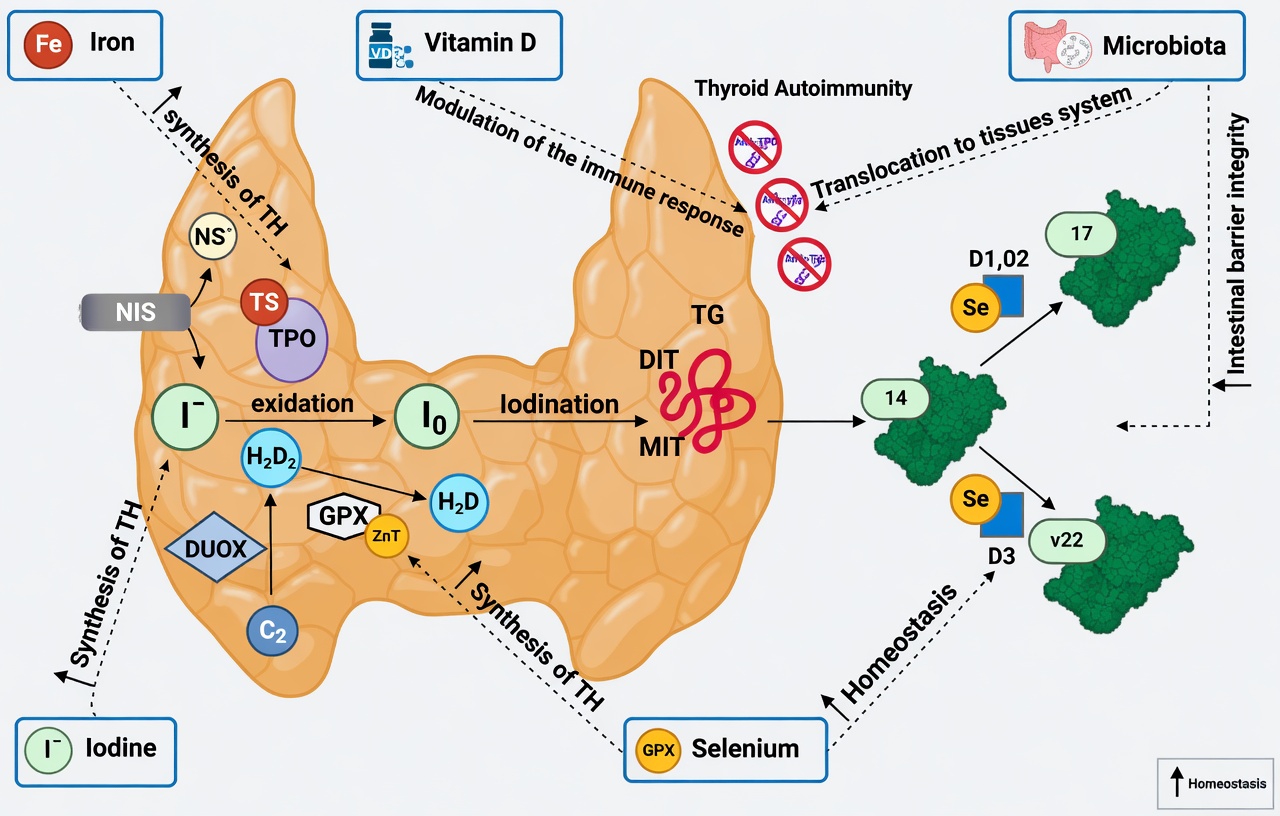
Iodine is one of the main raw materials the body uses to produce thyroid hormones. These hormones determine how your body manages energy, temperature, and metabolism. When iodine intake is too low, the thyroid may gradually enlarge or change in structure, which has been observed in regions with iodine-poor diets before salt fortification became common.
Today, many countries add iodine to table salt, which has helped reduce deficiency. Even so, some individuals still do not get enough, especially if they avoid iodized salt or eat very little seafood and dairy.
Studies show that improving mild iodine deficiency through regular food intake may help maintain normal thyroid size and support healthier thyroid structure in some populations.
How Selenium Helps Protect the Thyroid
Selenium plays a different but equally important role. It works as an antioxidant, helping defend thyroid cells against oxidative stress created during hormone production. It is also necessary for converting the thyroid hormone T4 into T3, the more active form used by the body.
Low selenium status has been connected in some observational studies with larger thyroid size and a greater likelihood of nodules, especially in areas where selenium intake tends to be marginal.
Evidence also suggests that maintaining adequate selenium levels may support healthier thyroid characteristics and may even be associated with smaller nodules in people who are selenium deficient.
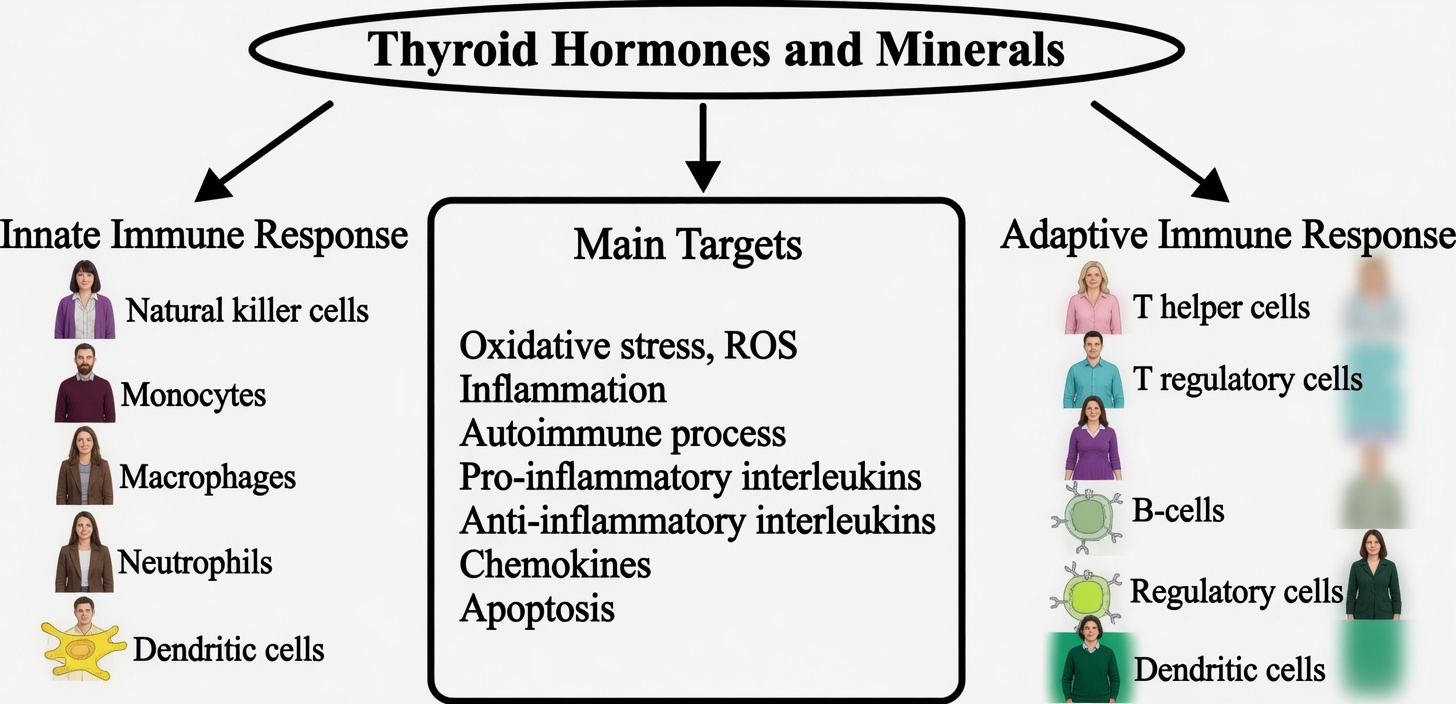
Why Iodine and Selenium Work Better Together
These two minerals are often discussed together because they have a complementary relationship. Iodine is required to build thyroid hormones, while selenium helps control the oxidative stress created during that process. In other words, selenium may help the body use iodine more safely and efficiently.
Research suggests that when selenium intake is adequate, the body may handle iodine more effectively, reducing the potential problems linked with imbalance. In regions where both nutrients are obtained in sufficient amounts through food, thyroid-related markers often appear more favorable.
That is why many nutrition strategies for thyroid support focus on getting both iodine and selenium from natural food sources.
Best Food Sources of Iodine
If you want to increase iodine naturally, these foods are among the best options:
- Seafood such as cod, shrimp, and tuna
- Dairy products like milk, yogurt, and cheese
- Eggs, especially when hens are fed iodine-rich diets
- Iodized salt used moderately in cooking
- Seaweed such as nori or kelp, though amounts can vary widely
It is generally better to aim for steady, moderate intake rather than consuming very large amounts at once.
Top Natural Sources of Selenium
Selenium is available in many common foods and can be easy to include in a balanced diet. Good sources include:
- Brazil nuts, with just 1 to 2 nuts often covering daily needs
- Fish including tuna, sardines, and halibut
- Sunflower seeds and some other nuts
- Eggs and poultry
- Whole grains such as oats
Even a small daily serving of seeds or nuts can help improve selenium intake.
Simple Ways to Add More Iodine and Selenium to Your Diet
You do not need a complicated plan to support your thyroid. These practical habits can help:
- Use iodized salt in everyday cooking instead of non-iodized varieties.
- Eat fish or seafood two to three times per week.
- Add 1 to 2 Brazil nuts to breakfast or enjoy them as a snack.
- Include eggs regularly, whether at breakfast, lunch, or dinner.
- Snack on sunflower seeds or sprinkle them on salads and yogurt.
- Choose dairy foods or fortified alternatives if they fit your diet.
- Track your meals for a week to identify possible nutrient gaps.
Whenever possible, focus on whole foods instead of supplements unless a healthcare provider recommends testing or treatment.
Possible Benefits of Maintaining Healthy Mineral Levels
Observational studies and review articles suggest that getting enough iodine and selenium may support:
- Better thyroid hormone balance
- Lower oxidative stress within the thyroid gland
- Improved thyroid ultrasound features in some cases
These results are more likely to come from consistent, moderate eating habits than from quick fixes or extreme dietary changes.
Important Cautions to Keep in Mind
More is not always better. Too much iodine can place stress on the thyroid, particularly when selenium intake is low. Excess selenium, especially from supplements, may also cause problems. Food-based sources are usually the safer option because they provide a more natural balance of nutrients and supporting compounds.
If you already have a thyroid disorder, an autoimmune condition, or take prescription medication, it is wise to speak with a doctor before making major dietary changes.
Final Thoughts: Small Nutrition Changes Can Offer Meaningful Thyroid Support
Supporting your thyroid does not have to involve drastic measures. By regularly eating foods rich in iodine and selenium—such as seafood, eggs, nuts, seeds, and dairy—you can help nourish the body’s normal thyroid processes. Many people feel more reassured and energized when their nutritional foundation is strong.
The most interesting part is that these two minerals do more than assist hormone production. They also help defend the thyroid from everyday stress, creating a stronger base for long-term health and wellness.
Frequently Asked Questions
Can diet alone treat thyroid nodules?
Diet can support overall thyroid health, but thyroid nodules should still be evaluated and monitored by a healthcare professional. Imaging and other tests may be needed depending on the situation.
How much iodine and selenium do adults usually need each day?
General recommendations for adults are about 150 mcg of iodine and 55 mcg of selenium daily, typically from food and iodized salt. However, personal needs can vary.
Is it safe to eat Brazil nuts every day?
Yes, for most people, 1 to 2 Brazil nuts per day is a reasonable amount and usually provides plenty of selenium. Eating much more than that regularly over time is not recommended unless guided by a healthcare professional.