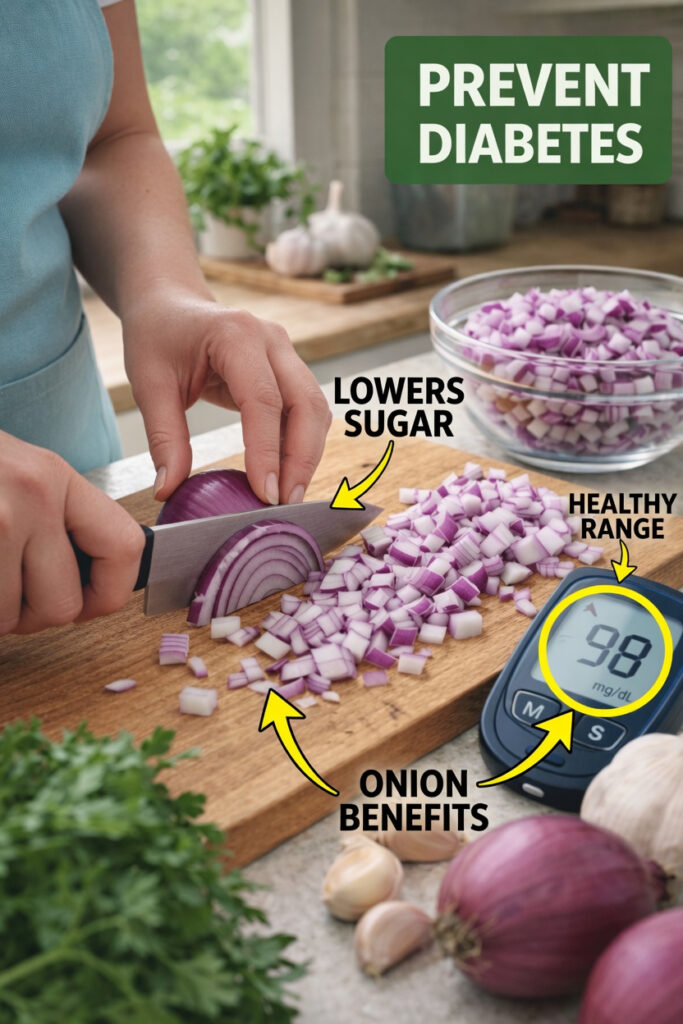
Red Onions and Blood Sugar: What Research Suggests
Keeping blood sugar in a healthy range can be difficult, especially when ups and downs leave you feeling drained, moody, or worried about future health problems. Because of this, many people look for natural, practical ways to support glucose balance through everyday foods. One ingredient that has gained attention is the red onion. Common in kitchens around the world, red onions contain plant compounds such as quercetin and sulfur-based substances that may help support metabolic health.
So, what does current evidence really say? And how can red onions fit into a realistic daily routine? Below, we explore the science, practical uses, and important context behind red onions and blood sugar support.
Why Red Onions Get So Much Attention
Red onions are part of the Allium family, which also includes garlic, shallots, and leeks. They are rich in plant nutrients and antioxidants, and compared with white or yellow onions, red onions often provide more flavonoids, especially quercetin. This antioxidant has been widely studied for its possible effects on inflammation, oxidative stress, and glucose metabolism.
Research in animals and small human studies suggests onions may influence blood sugar regulation in several ways. Some early human trials have reported lower fasting glucose after moderate intake of fresh onion. Animal research has also found better glucose tolerance and improved insulin sensitivity when onion extracts or whole onions are added to the diet. Scientists believe these effects may be related to quercetin’s role in helping cells handle glucose more efficiently while reducing oxidative stress that can interfere with metabolic function.
Red onions also contain fiber, which may slow the absorption of carbohydrates, along with sulfur compounds that may support broader metabolic processes. Although findings are not identical across all studies, onions repeatedly appear as a promising food within a balanced eating pattern.
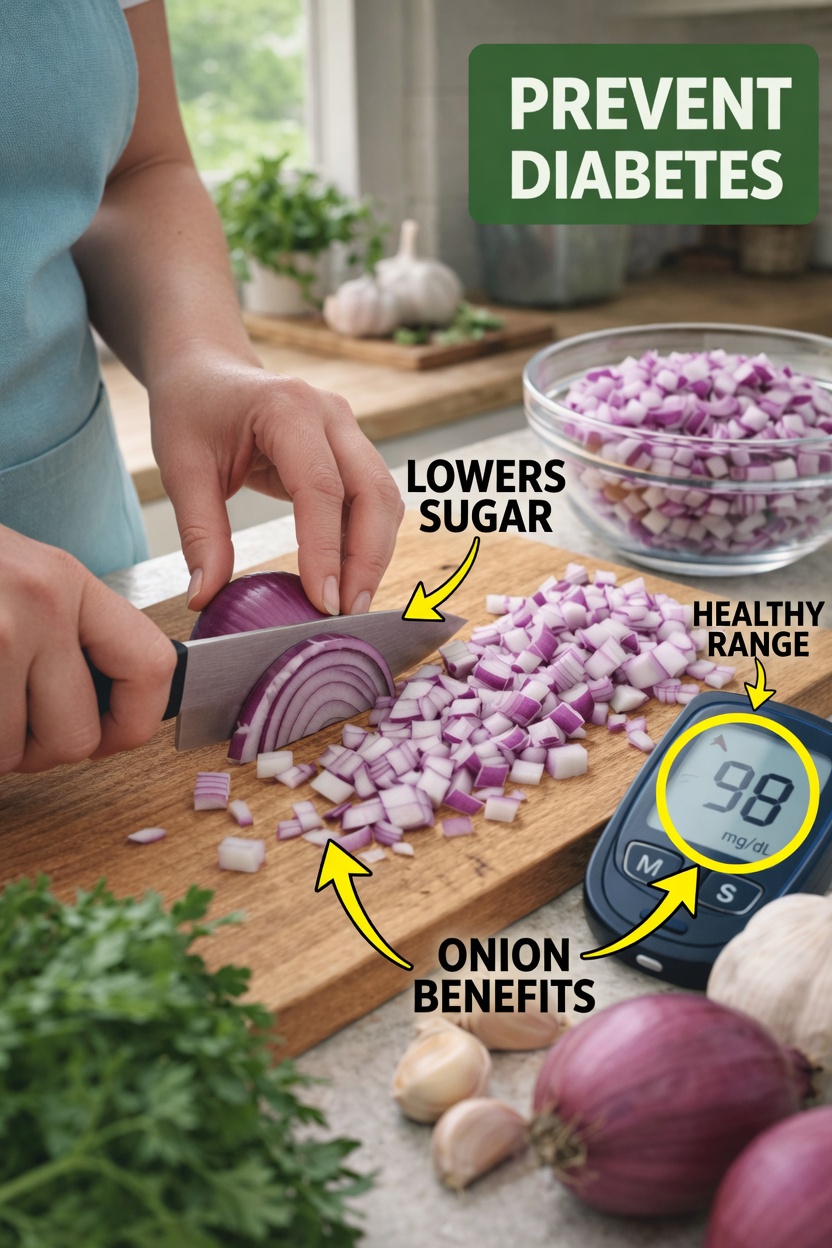
Important Compounds in Red Onions
Several natural components in red onions may explain their potential blood sugar benefits.
Quercetin
Quercetin is one of the most studied flavonoids found in red onions, especially in the outer layers and flesh. Scientific reviews suggest it may help regulate pathways involved in glucose control and may also lower inflammation that can reduce insulin efficiency.
Sulfur Compounds
Red onions contain sulfur-based compounds such as allyl propyl disulfide. Laboratory and animal studies suggest these substances may affect insulin-related activity in the body and contribute to improved blood sugar handling.
Fiber and Antioxidants
Fiber helps slow digestion, which may reduce sharp glucose spikes after meals. Antioxidants add another layer of support by helping protect cells from oxidative damage linked to metabolic imbalance.
Reviews focused on Allium cepa—the scientific name for onion—have connected these compounds with better glucose management in models of metabolic dysfunction. While human studies remain limited, some trials using around 60 to 100 grams of onion per day have shown improvements in fasting glucose or glucose tolerance.
Easy Ways to Add Red Onions to Your Diet
Including red onions in your meals does not have to be complicated. The key is regular, moderate intake rather than extreme amounts.
Simple options to try
- Eat them raw in salads: Thin slices add crunch and strong flavor. A good starting point is about half a medium onion in one serving.
- Lightly sauté them: Brief cooking works well in stir-fries, grain dishes, or side dishes. Gentler cooking may help preserve more of their beneficial compounds than prolonged high heat.
- Mix them into everyday meals: Add chopped red onion to omelets, soups, dips, or vegetable bowls.
- Try onion-infused drinks carefully: Some people blend red onion with water and lemon, but support for this method is mostly anecdotal. Whole onion is generally the better choice because it also provides fiber.
Practical meal ideas
- Breakfast: Add diced red onion to scrambled eggs, breakfast wraps, or avocado toast.
- Lunch: Use sliced red onion in sandwiches, wraps, salads, or rice bowls.
- Dinner: Roast red onion with other vegetables or use it to top grilled fish, chicken, or plant-based proteins.
- Snack: Pair thin slices with hummus or add them to a low-carb snack plate.
A practical target is around 50 to 100 grams daily, which is roughly half to one medium onion. This is similar to the amount used in several studies exploring possible blood sugar effects.

What the Research Really Shows
Animal studies have repeatedly shown that onion extracts and whole onions may help lower fasting blood sugar, improve insulin response, and support better glucose tolerance. In some diabetic models, onions used alongside standard care were associated with noticeable improvements in blood sugar markers.
Human evidence is still developing, but some early trials have reported that eating fresh onion—often around 100 grams—led to lower glucose readings after consumption compared with control conditions. Studies on quercetin-rich foods also suggest that higher intake may be linked with better metabolic indicators. Still, the effects are not always dramatic, especially in people who already have normal glucose levels. Benefits appear more noticeable in those with elevated blood sugar or metabolic challenges.
One important point is that onions are not presented in research as a cure or standalone treatment. They are best viewed as one supportive food within a bigger plan that includes physical activity, balanced meals, medical guidance, and consistent lifestyle habits.
Comparing Different Forms of Onion
Not all onion preparations offer the same nutritional profile.
- Fresh or raw red onion: Often retains the most quercetin and appears in many of the positive human observations.
- Onion juice or extract: More concentrated and commonly used in laboratory and animal research, sometimes showing stronger effects.
- Cooked or dried onion: May still offer benefits, but nutrient levels can decline depending on the cooking method and temperature.
This gives you flexibility. If you enjoy raw onion, that may be a good option for preserving active compounds. If not, lightly cooked red onion can still be a useful addition to meals.
More Than Blood Sugar Support
Red onions may offer benefits beyond glucose control. Some research suggests they may support heart health by helping influence cholesterol levels and inflammation. Their antioxidant content also contributes to overall wellness, making them a nutritious ingredient to include regularly.
Because they are affordable, versatile, and easy to use, red onions can be a practical choice for people who want to improve the quality of their diet without relying on complicated strategies.

Final Thoughts
Red onions are a simple and flavorful food that may help support blood sugar balance as part of a healthy diet. Current research, while still growing, points to promising effects linked to quercetin, sulfur compounds, fiber, and antioxidant activity. They are not a replacement for medical treatment or other healthy habits, but they may be a worthwhile addition to your routine.
Start with small amounts, include them consistently in meals, and pay attention to how your body responds. Combined with smart nutrition, regular movement, and professional medical advice, red onions may play a helpful role in long-term metabolic health.
Frequently Asked Questions
How much red onion may help support blood sugar balance?
Many studies showing possible benefits used about 50 to 100 grams per day, or roughly half to one medium onion. Spreading that amount across meals may make it easier to tolerate.
Are red onions better than other onion varieties?
Red onions usually contain more quercetin than lighter-colored onion types, which may give them stronger antioxidant potential. That said, all onions provide useful plant compounds.
Can I eat red onions if I take diabetes medication?
Speak with your healthcare provider before making major dietary changes. Foods that may affect blood sugar can influence monitoring, meal planning, or medication needs.