Papaya Leaves for Hair Care: Traditional Uses, Early Research, and a Simple DIY Rinse
Thinning hair, sluggish growth, and an unbalanced scalp are concerns many people deal with at some point. When everyday shampoos, oils, or styling habits fail to create a thicker, healthier appearance, it can feel discouraging. Over time, stress, nutrition, pollution, and routine hair damage may all influence how hair looks and feels, making even basic styling more difficult.
Because of this, many people are turning toward plant-based options instead of relying only on commercial formulas that often promise fast results. One ingredient gaining interest is the papaya leaf, which has been used traditionally in some cultures as part of scalp care. So, what do tradition and current research actually suggest about using it? Below, we look at why papaya leaves are talked about in hair care, what early studies indicate, and how to prepare a simple papaya leaf rinse at home.
Why Papaya Leaves Are Getting Noticed in Hair Care
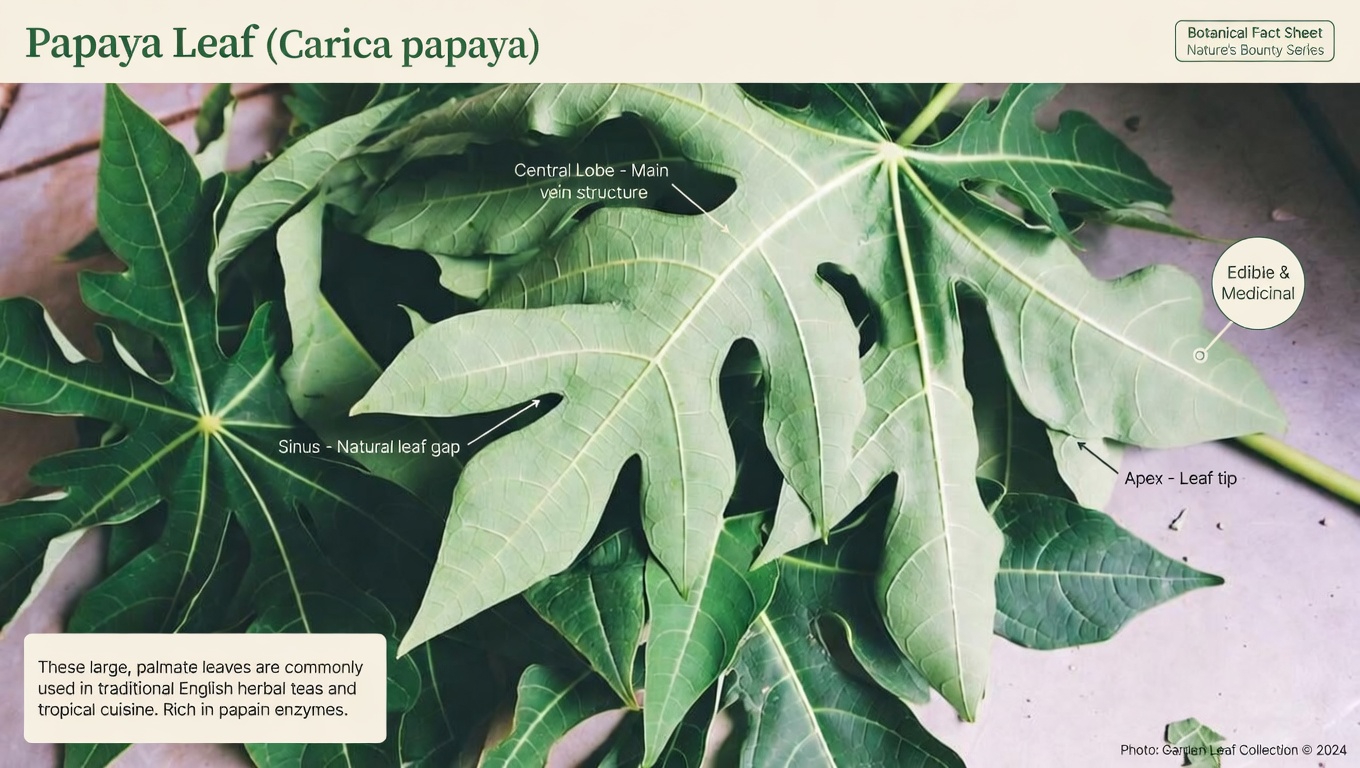
Papaya leaves come from the Carica papaya plant, a tropical species best known for its sweet, nutrient-dense fruit. Beyond the fruit itself, the leaves contain a range of natural compounds, including antioxidants, plant chemicals such as flavonoids and phenolics, and enzymes like papain.
In traditional beauty and wellness practices, papaya leaf preparations have sometimes been applied to the scalp as rinses or masks. These uses are often linked to maintaining a cleaner scalp, reducing product buildup, and improving the overall appearance of hair. Some users say their hair feels fresher, looks shinier, or seems easier to manage after use.
Modern interest in papaya leaves is largely connected to their antioxidant profile. Since oxidative stress is believed to play a role in certain hair and scalp issues, ingredients rich in antioxidants may offer supportive benefits for maintaining healthier-looking hair.
What Research Currently Suggests About Papaya Leaves and Hair
Most scientific work on papaya leaves has focused on areas other than hair, such as antioxidant activity and broader wellness effects. Still, a small amount of early research has explored their possible connection to hair support.
A few animal-based studies involving hydroalcoholic papaya leaf extracts have reported increased hair follicle activity and improved hair length in test models when compared with control groups. In one example, a 5% extract formula appeared to produce measurable improvement in hair-growth-related markers over a defined period.
Other findings point to naturally occurring papaya compounds that may affect enzyme activity and oxidative balance. These factors may have an indirect relationship with scalp condition and the environment needed for healthy-looking hair.
That said, the current evidence remains limited. Reputable health resources note that topical papaya leaf use for stimulating hair growth has not yet been confirmed by large human trials. Many of the claims still come from traditional use, early laboratory data, or animal studies rather than strong clinical proof.
In short, papaya leaves are promising enough to spark curiosity, but not established enough to be considered a guaranteed hair-growth solution.
Compounds in Papaya Leaves That May Benefit Hair and Scalp
Papaya leaves are appealing in natural hair care because they contain several substances that may support scalp comfort and overall hair appearance.
Notable components include:
- Antioxidants, including flavonoids and related protective compounds, which may help defend the scalp from daily environmental stressors
- Papain, a natural enzyme known for gentle exfoliating action that may help loosen residue and buildup
- Phenolic compounds and minerals, which may contribute to scalp nourishment when applied topically
Together, these elements make papaya leaves an interesting addition to a DIY hair routine. However, results can vary widely depending on hair type, scalp sensitivity, and consistency of use.
How to Make a Papaya Leaf Hair Rinse at Home
If you want to test papaya leaves in a simple way, a rinse is one of the easiest methods to start with. It requires minimal ingredients and can fit into a basic wash routine.
Ingredients
- 10 to 15 fresh papaya leaves, or a small handful of dried leaves
- 2 to 3 cups of water
- Optional: a few drops of essential oil such as lavender for fragrance
Instructions
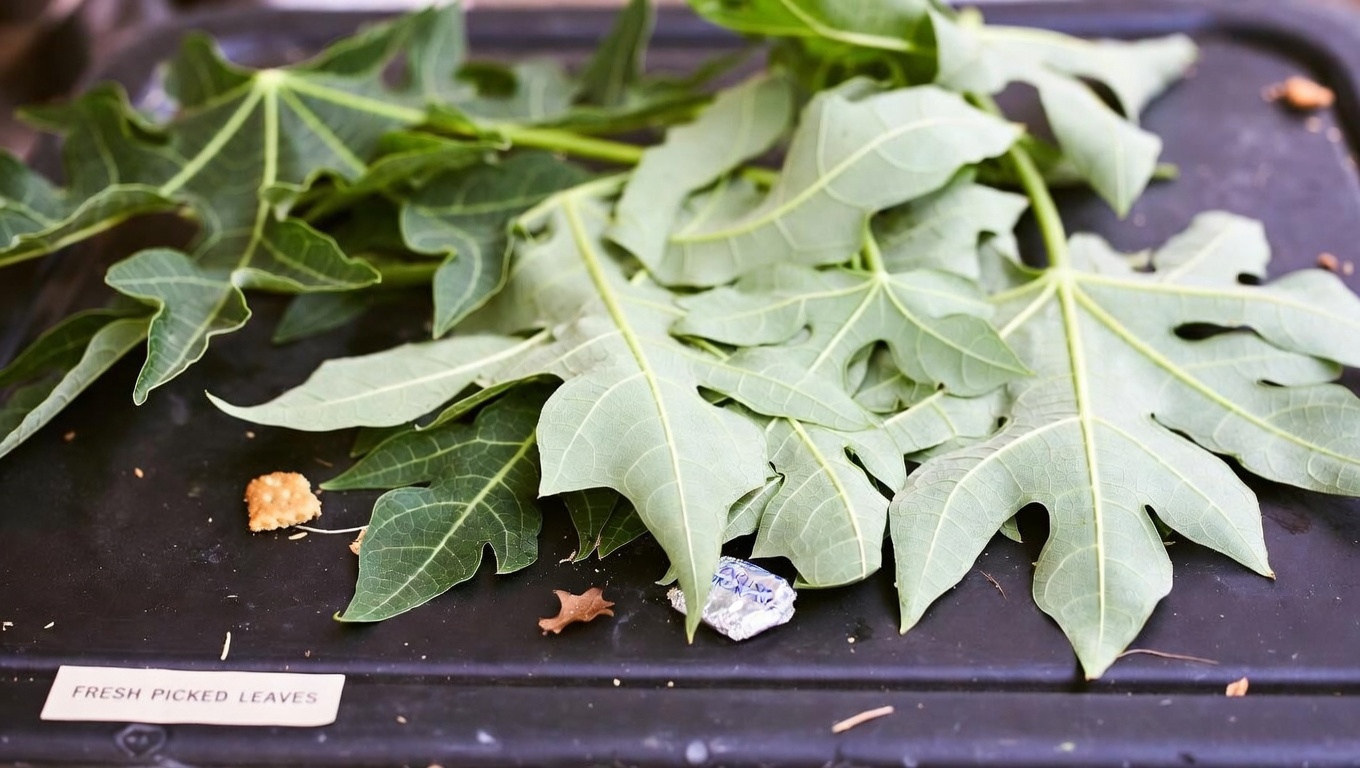
- Rinse the papaya leaves well to remove dust or debris.
- Tear or chop the leaves into smaller pieces.
- Add them to water and boil for about 15 to 20 minutes, until the liquid takes on a greenish color.
- Remove from heat and allow the mixture to cool.
- Strain out the leaves.
- Transfer the liquid to a clean bottle or spray container if desired.
- After shampooing, apply it to the scalp and hair as a final rinse.
- Massage gently, leave it on for 10 to 15 minutes, then rinse with cool water.
Most people use this rinse 2 to 3 times per week. Before full use, do a patch test on the inner arm to check for any reaction.
Tips to Use Papaya Leaf Rinse Effectively and Safely
For the best experience with a papaya leaf hair routine, keep the following points in mind:
- Support your hair from the inside with a balanced diet that includes protein, vitamins, and minerals
- Do not apply to a scalp with cuts, irritation, or open wounds
- Avoid use if you already know you are allergic to papaya
- Keep any leftover rinse refrigerated and use it within a few days
- Expect gradual rather than immediate results, as natural routines often take time
Consistency matters, but so do realistic expectations. Plant-based methods can be helpful additions to a routine, yet they typically work best alongside healthy hair habits.
Papaya Leaf Rinse vs. Common Commercial Hair Products
Natural and commercial products can both have a place in hair care. The best choice depends on your goals, preferences, and how your scalp responds.
Quick comparison
-
Papaya Leaf Rinse
- Plant-based
- Budget-friendly
- Easy to customize at home
- Rooted in traditional use
- Limited strong scientific confirmation for hair growth
-
Store-Bought Conditioners
- Convenient and ready to use
- Often deliver instant softness and shine
- Commonly include silicones or smoothing agents
- May also contain preservatives or synthetic additives
-
Targeted Hair Serums
- Designed with specific active ingredients, such as peptides
- Often marketed for thinning or fragile hair
- Usually supported by brand-led testing
- Often more expensive than DIY options
For people interested in botanical hair care, papaya leaves may be appealing as a low-cost, natural alternative.
Possible Downsides and Precautions
Papaya leaves are generally viewed as suitable for topical use, but that does not mean they are ideal for everyone. Because they contain active enzymes, some individuals may experience mild tingling, irritation, or sensitivity after application.
Important precautions include:
- Stop use if itching, redness, or discomfort develops
- Always patch test before applying to the scalp
- Speak with a healthcare professional before trying new herbal applications if you are pregnant, breastfeeding, or taking medication
Natural ingredients can be useful, but they are not automatically risk-free.
Is It Worth Trying Papaya Leaves in Your Hair Routine?
Papaya leaves offer a simple, accessible way to explore natural hair care. Their traditional use, combined with early interest in their antioxidant and phytochemical content, makes them a noteworthy option for people who prefer plant-based routines. Even so, they should be seen as a supportive addition rather than a proven cure for hair thinning or slow growth.
If you decide to try a papaya leaf rinse, focus on consistency, patience, and scalp comfort. Many people get the most value from natural remedies when they are paired with strong basics like good nutrition, gentle styling, and a healthy scalp-care routine.
FAQ
How often can I use a papaya leaf rinse on my hair?
A common starting point is 2 to 3 times per week. From there, you can adjust based on how your scalp and hair respond.
Can papaya leaves help with dandruff or an itchy scalp?
Some people use papaya leaves for their mild cleansing and exfoliating properties, and laboratory findings suggest certain compounds may have supportive effects. However, evidence is still mostly anecdotal, so it is best used alongside gentle shampooing and good scalp hygiene.
Are there any side effects of using papaya leaves on hair?
Possible side effects include mild irritation, tingling, or an allergic reaction. A patch test is strongly recommended, and use should be stopped if discomfort appears.