Avocado Seed Tea: Benefits, Research, How to Make It, and Safety Tips
Most people throw away the large brown avocado pit without thinking twice. It is usually treated as kitchen waste, while the creamy green flesh gets all the attention for its healthy fats and nutritional value. But in recent years, avocado seeds have started to attract interest from wellness-minded consumers who use them to make a simple homemade tea.
This growing curiosity comes from the idea that the seed may contain plant compounds worth exploring, while also offering a practical way to reduce food waste. Although avocado seed tea has become popular in some natural health circles, the science is still developing, and it is important to separate early findings from proven health claims.
In this article, we’ll explore what avocado seeds contain, what current research suggests, how to prepare avocado seed tea at home, and what precautions you should keep in mind before adding it to your routine.
What Is Inside an Avocado Seed?
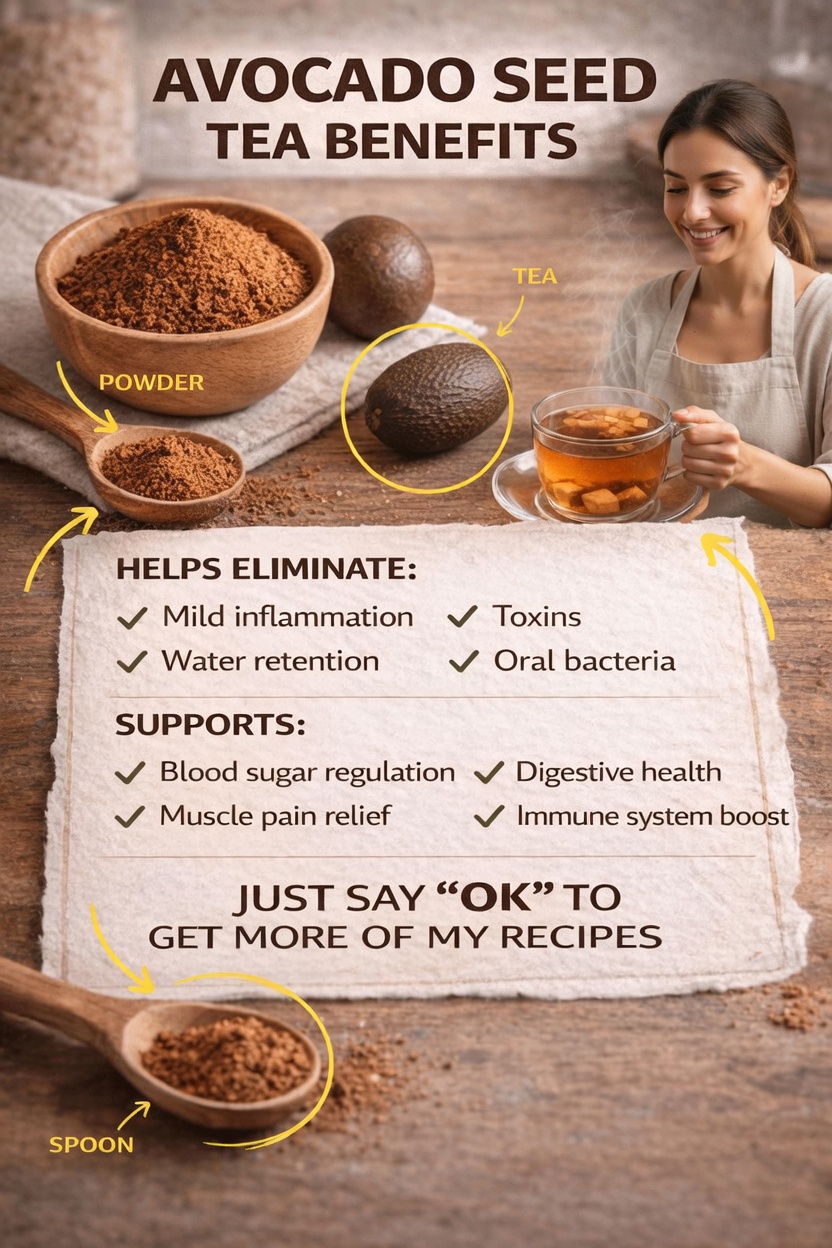
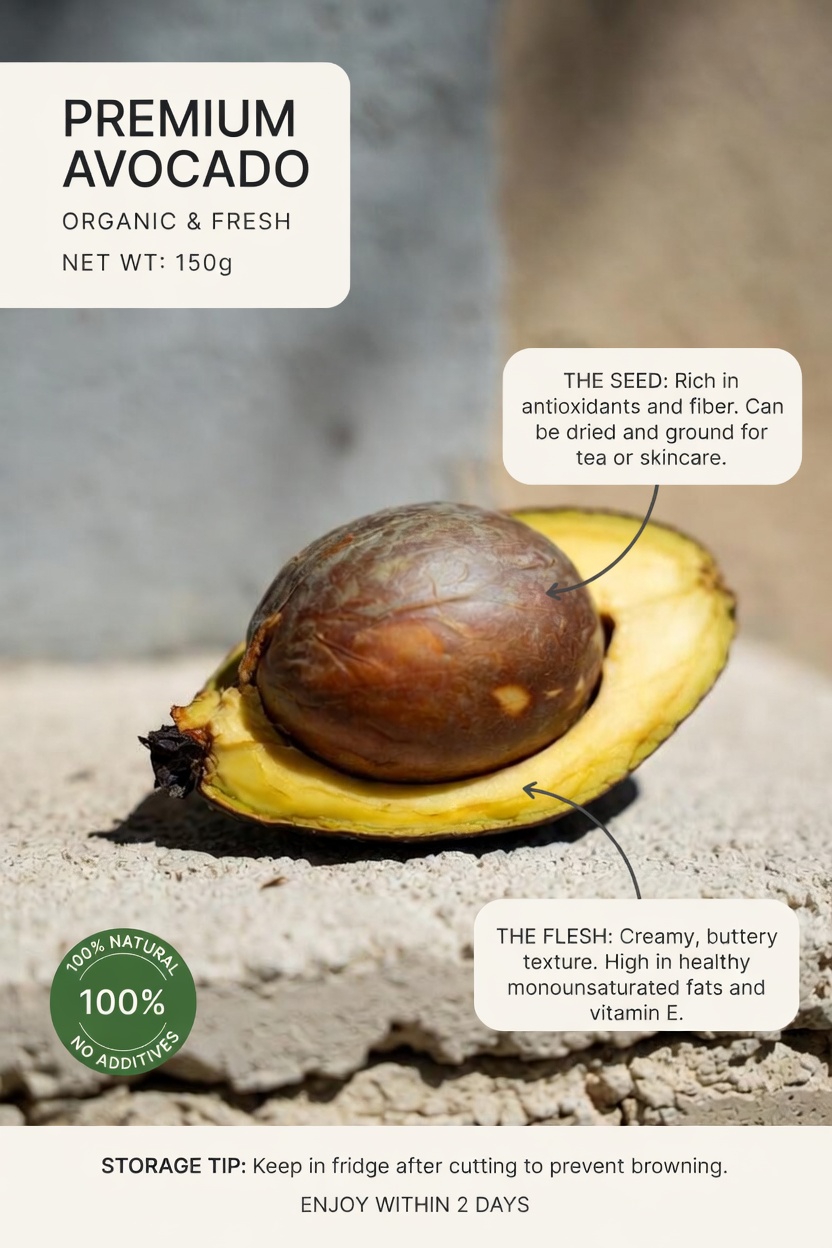
Avocado seeds account for a sizable portion of the fruit and contain a range of naturally occurring compounds. Research on avocado by-products has shown that, in some cases, the seed may contain higher amounts of certain polyphenols and phytochemicals than the edible pulp.
Among the most discussed compounds in avocado seeds are:
- Catechins
- Procyanidins
- Flavonoids
- Phenolic compounds
- Other antioxidant-rich plant substances
These bioactive components are one reason avocado seed tea has gained attention. Scientists are interested in how such compounds may contribute to everyday wellness, especially because antioxidants from plant foods are often linked to general health support. Still, most of the available evidence comes from laboratory analysis and animal studies, not large human trials.
What Research Says About Avocado Seed Benefits
Early studies on avocado seed extract have identified several potentially useful properties. These findings are promising, but they should be viewed carefully because they are still preliminary.
Anti-Inflammatory Potential
Some lab-based studies have found that avocado seed extracts may help reduce certain inflammatory responses under controlled conditions. Researchers, including a team from Penn State, have reported activity that suggests avocado seed compounds could be worth exploring further in the development of functional foods.
Possible Metabolic Support
Animal research has also looked at how avocado seed compounds may influence metabolism. In some rodent studies, supplementation was associated with changes related to:
- Body weight regulation
- Energy balance
- Gene expression linked to high-fat diets
- Glucose metabolism
- Lipid and cholesterol markers
These findings suggest the seed may interact with pathways involved in blood sugar and fat metabolism, though this has not yet been clearly established in humans.
Antioxidant Activity
One of the most consistently highlighted features of avocado seeds is their antioxidant capacity. Reviews and comparative studies often show strong radical-scavenging activity, largely due to the seed’s polyphenol content. In some tests, avocado seeds have even outperformed other fruit by-products in antioxidant measurements.
Early Antimicrobial Findings
There are also early indications that avocado seed compounds may show antimicrobial effects. However, this area remains exploratory, and more research is needed before drawing meaningful conclusions.
The Most Important Limitation: Human Evidence Is Still Limited
This is the key point to remember. While the early data is interesting, most of it comes from:
- In vitro experiments
- Animal studies
- Traditional use in certain regions
There is still a lack of large-scale human research on avocado seed tea and regular avocado seed consumption. That means any possible wellness benefits should be considered suggestive, not confirmed.
Why People Drink Avocado Seed Tea
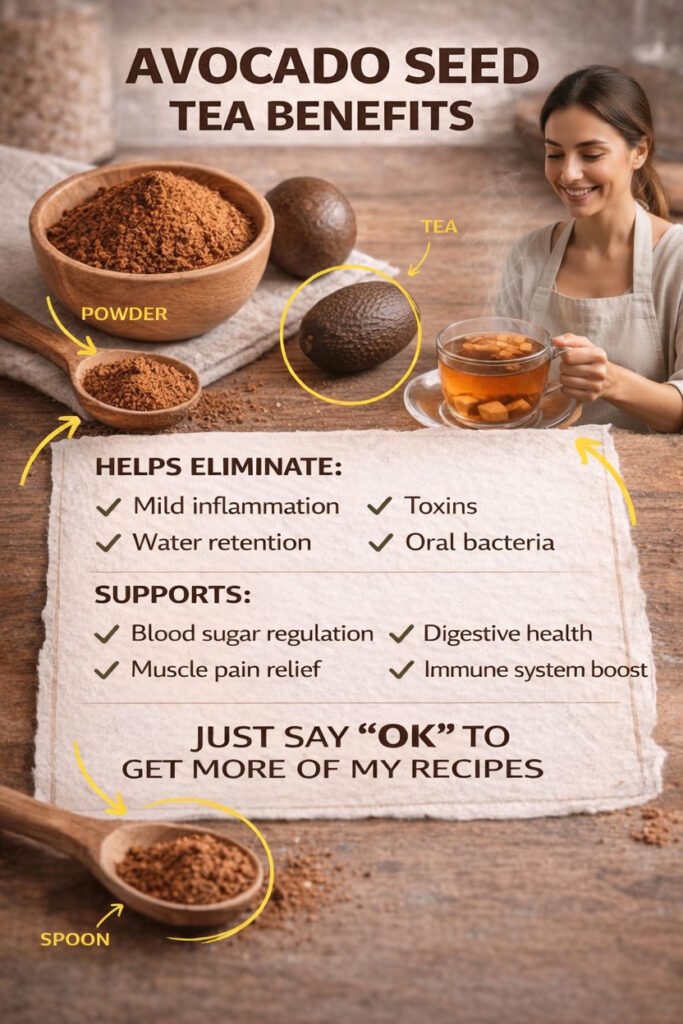
Making tea from the pit is one of the easiest ways to experiment with avocado seed use. Boiling the seed may help release some of its plant compounds into water, creating a drink that is simple to prepare and easy to include in a daily routine.
Similar preparations have been used traditionally in parts of Africa, as well as Central and South America, often as part of general wellness practices. The tea usually has a mild earthy taste with a slightly bitter edge, which many people soften with natural flavor additions.
How to Make Avocado Seed Tea at Home
If you want to try avocado seed tea, proper preparation helps keep the process simple and practical.
Ingredients and Basic Method
- Remove the seed from a ripe avocado and rinse it well under running water to clean off any remaining fruit.
- Let the seed dry, ideally for one or two days. You can also dry it gently in the oven on low heat if you want to make chopping or grating easier.
- Place one whole seed in about 2 to 4 cups of water. If preferred, cut it into smaller pieces first after it softens.
- Bring the water to a boil, then lower the heat and let it simmer for 10 to 15 minutes.
- Strain the liquid and allow it to cool slightly before drinking.
As it brews, the tea may turn a reddish-brown color. You can drink it plain or improve the flavor with:
- Honey
- Lemon
- Cinnamon
- Fresh ginger
This is an easy low-waste recipe that does not require much equipment. If you are new to avocado seed tea, start with a small amount and pay attention to how your body reacts.

Tips for Adding Avocado Seed Tea to Your Routine
If you enjoy the taste and want to include avocado seed tea in a balanced lifestyle, these simple ideas can help:
- Choose a time that suits you — Some people prefer it in the morning, while others enjoy it in the evening as a relaxing ritual.
- Keep portions moderate — A batch made from one seed is usually enough, and many people limit intake to 1 to 2 cups per day.
- Use natural flavor boosters — Citrus, ginger, or a little cinnamon can make the drink more enjoyable.
- Support sustainability — Reusing avocado pits is a small but practical way to cut down on food waste.
- Track your experience — Noting how you feel over a week or two can help you decide whether it fits your routine.
Common Questions About Avocado Seed Tea
Is avocado seed tea safe?
In moderate amounts, avocado seed tea is often considered relatively low-risk based on traditional use and currently available information. However, it has not been extensively studied in humans. Some compounds in the seed may act as mild antinutrients, which could affect mineral absorption if consumed excessively.
What does avocado seed tea taste like?
The flavor is usually described as:
- Mild
- Earthy
- Slightly bitter
- Somewhat woody
Many people find it easier to drink when mixed with honey, lemon, or spices.
Can you drink avocado seed tea every day?
Some anecdotal reports suggest moderate daily use is common. Still, it is wise to pay attention to your own tolerance and avoid overconsumption. If you have a medical condition or take medication, consult a healthcare professional first.
Important Safety Considerations
Although avocado seeds contain beneficial-looking plant compounds, they also include natural substances that may present concerns in large amounts. These may include persin and other compounds referenced in animal toxicity research at high doses.
At this time, there is no strong scientific evidence showing that avocado seed tea can treat, cure, or prevent specific diseases. More human studies are needed to better understand both its safety and its real-world effects.
Disclaimer
This article is provided for informational purposes only and should not be considered medical advice. Speak with a qualified healthcare professional before adding avocado seed tea or any new food-based practice to your diet, especially if you are:
- Pregnant
- Breastfeeding
- Managing a health condition
- Taking prescription medication
Individual responses can differ, and what feels beneficial for one person may not be suitable for someone else.