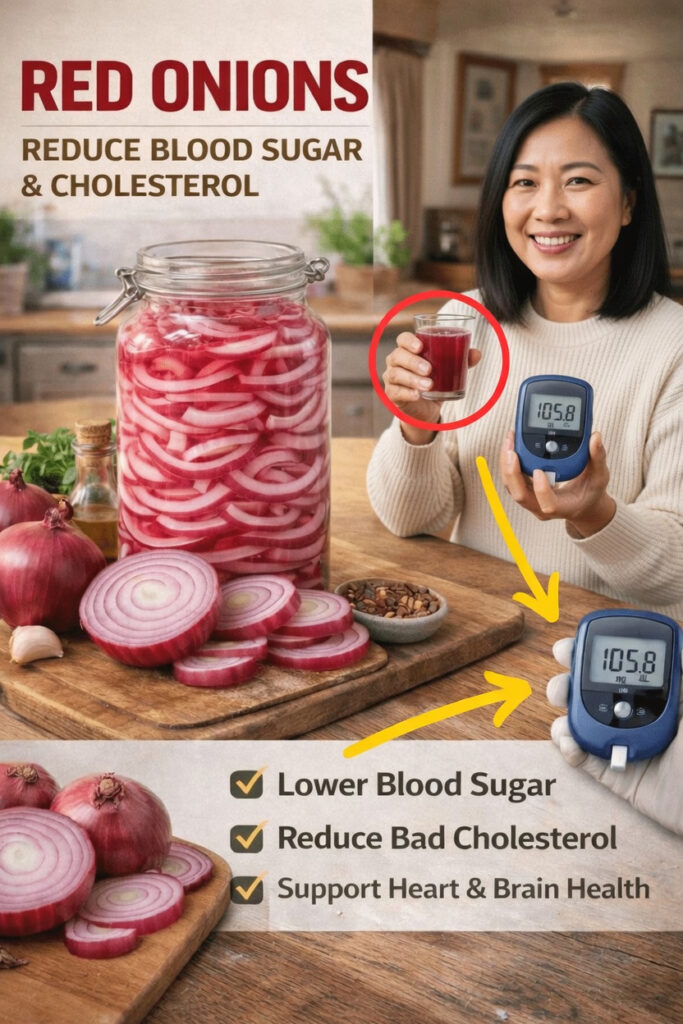
Red Onions for Blood Sugar and Cholesterol Support: What the Research Suggests
Many people find it challenging to maintain healthy blood sugar levels and manage cholesterol as part of a long-term wellness routine. These issues can feel stressful, especially when lifestyle changes seem difficult or health numbers are always on your mind. The encouraging part is that small dietary choices—such as eating more vegetables packed with beneficial plant compounds—may offer helpful support within a balanced lifestyle.
One everyday food that has gained attention is the red onion. Known for its bold color and sharp flavor, red onions contain valuable compounds such as quercetin, anthocyanins, and sulfur-based substances. Studies suggest these components may support metabolic and heart health when red onions are eaten regularly. Below, we explore what makes red onions unique, how they may help with blood sugar and cholesterol, and easy ways to add them to your meals.
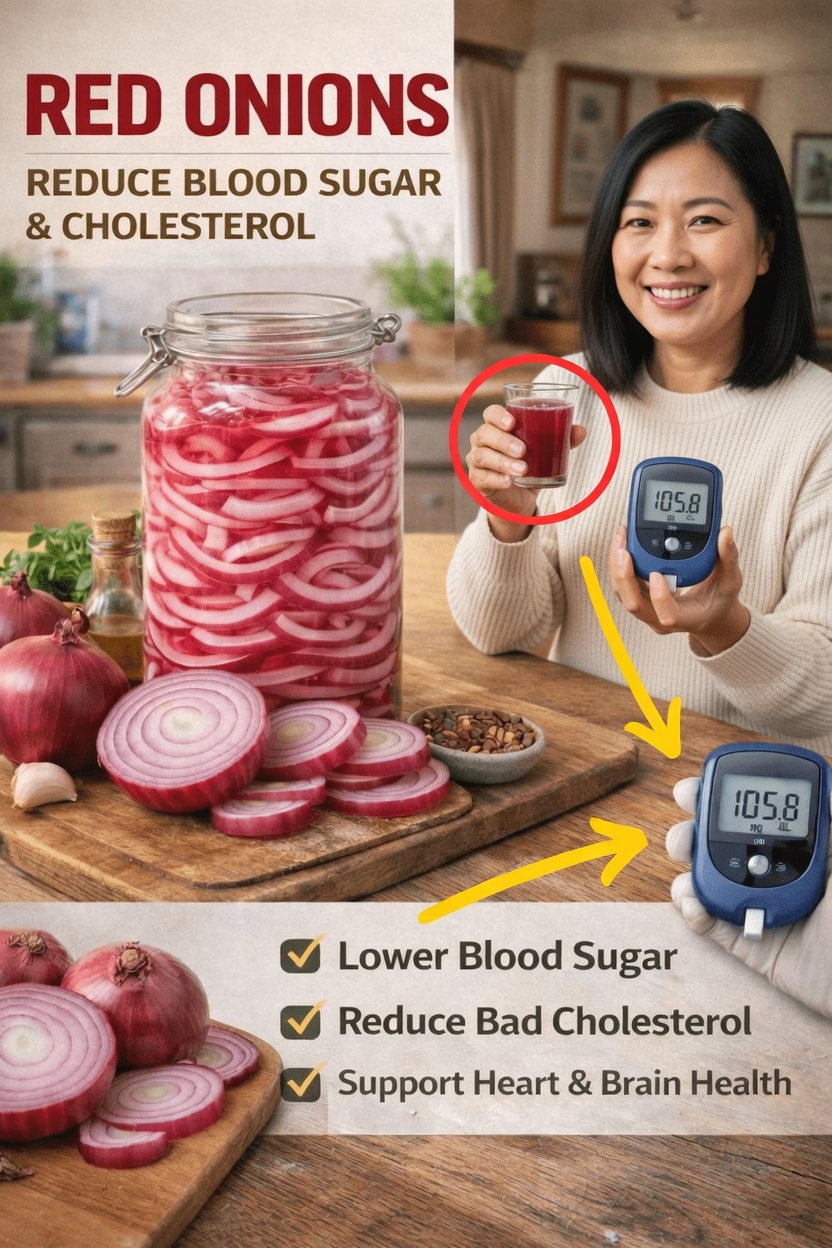
Why Red Onions Stand Out Nutritionally
Red onions are part of the Allium family and are especially rich in antioxidants compared with many other onion types. Their purple-red color comes from anthocyanins, while quercetin—an important flavonoid—is typically found in higher amounts in red onions than in yellow or white varieties.
These natural plant compounds help protect the body from oxidative stress. Red onions also contain sulfur compounds, which are responsible for their pungent taste and may contribute to their health-supporting effects. This combination makes red onions more than a simple flavor booster—they are a nutrient-rich food with broader wellness value.
Research has particularly focused on the high quercetin content in red onions because of its possible role in supporting metabolic health.
How Red Onions May Help Support Healthy Blood Sugar
Stable blood sugar plays an important role in energy, metabolism, and overall well-being. Some studies have examined whether onions may assist with glucose regulation.
Animal research has shown promising findings. In certain diabetes models, onion bulb extracts used alongside standard treatment approaches significantly lowered fasting blood glucose. In one study, higher doses were linked to reductions of up to 50%, suggesting that onions may influence insulin activity or the way the body processes glucose.
Human findings, although limited, are also encouraging. Small studies have reported that eating raw red onions may improve post-meal blood sugar responses and support better glucose handling. Scientists believe quercetin and sulfur compounds may be involved by helping improve insulin sensitivity or by slowing the breakdown of carbohydrates.
It is important to remember that much of this evidence comes from controlled experiments and animal studies, so larger human trials are still needed. Even so, adding red onions to a varied and healthy diet matches general nutrition advice for blood sugar support.
Key red onion compounds linked to blood sugar support
- Quercetin: May improve how cells respond to insulin.
- Sulfur compounds such as allyl propyl disulfide: May affect insulin production or liver glucose processing.
- Chromium: A trace mineral involved in glucose metabolism.
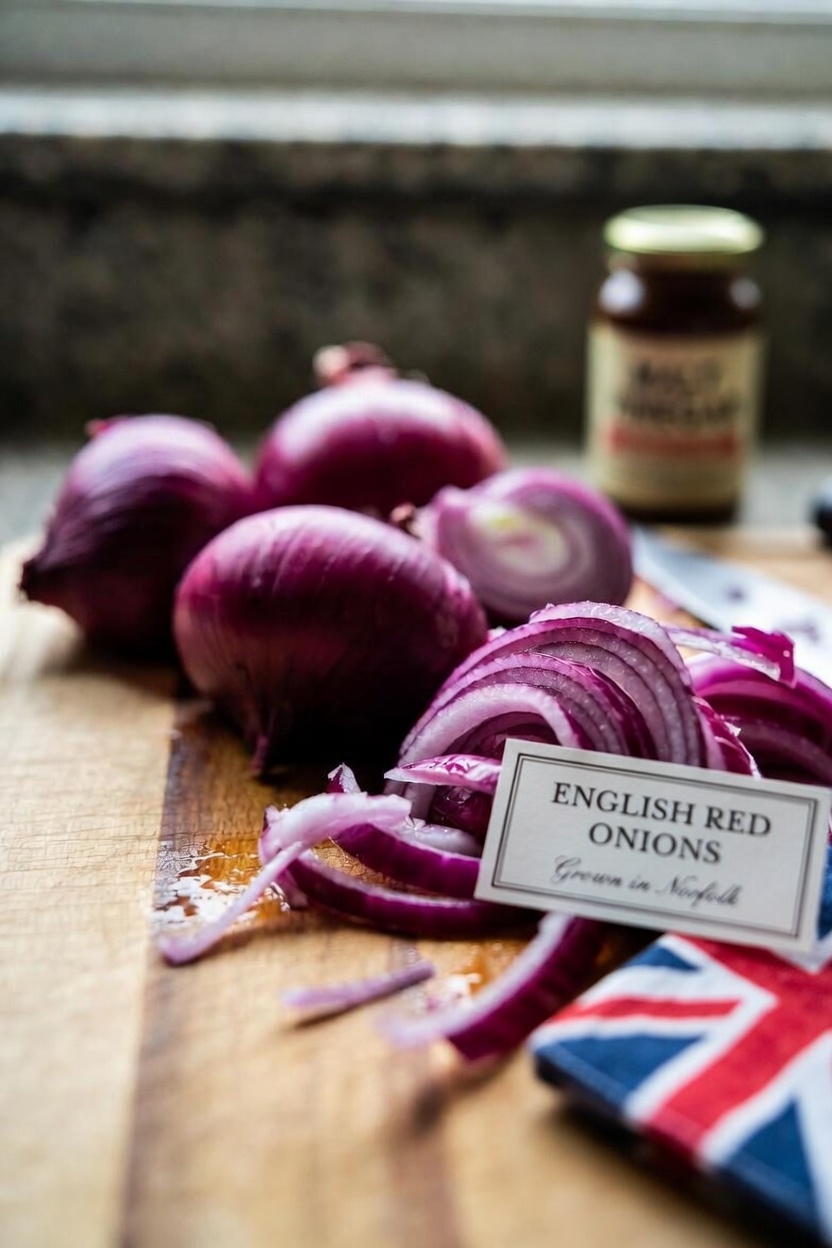
Red Onions and Cholesterol Balance
Cholesterol management is closely connected to heart health, and onions have also been studied for their possible effects in this area.
Meta-analyses of randomized trials suggest that onion supplementation may improve lipid markers. Reported benefits include modest decreases in total cholesterol and LDL cholesterol, along with possible increases in HDL cholesterol.
In one animal study, onion powder helped reduce LDL levels while maintaining HDL, which may point to a protective effect against plaque formation in arteries. Human studies using quercetin-rich onion extracts have shown similar patterns, including reductions in total cholesterol and LDL after regular use.
These benefits may be related to the antioxidant activity of onions, which can help limit lipid oxidation, as well as sulfur compounds that may play a role in fat metabolism. While red onions are not a complete solution on their own, they can be a smart addition to an overall heart-healthy eating plan.
Simple Ways to Eat More Red Onions
One of the biggest advantages of red onions is how easy they are to use in everyday cooking. They can be enjoyed raw, roasted, grilled, or pickled.
Quick pickled red onion recipe
- Select fresh, firm red onions with smooth, glossy skin.
- Peel and thinly slice 2 to 3 medium onions.
- Place the slices into a clean jar.
- Make a simple brine by combining:
- 1 cup vinegar, such as apple cider or white vinegar
- 1 cup water
- 1 to 2 tablespoons honey or sugar
- A pinch of salt
- Warm the mixture until everything dissolves, then let it cool slightly.
- Pour the brine over the onions so they are fully covered.
- Add optional flavorings like garlic cloves or peppercorns.
- Seal the jar and refrigerate for at least 30 minutes. For a deeper flavor, leave it for 24 hours.
- Use the onions on salads, sandwiches, tacos, or grilled meats and vegetables.
Pickling softens the sharp taste while keeping red onions convenient and flavorful. If you prefer them raw, try adding thin slices to salads, grain bowls, wraps, or fresh salsa.
Another easy option is to roast red onion wedges with olive oil, herbs, and a little balsamic vinegar for a sweet, caramelized side dish. You can also blend raw red onion into dressings and sauces for extra brightness.

Other Health Benefits of Red Onions
In addition to potential support for blood sugar and cholesterol, red onions may offer several other wellness benefits:
- Antioxidant protection that supports cellular health
- Potential anti-inflammatory effects thanks to flavonoids like quercetin
- Fiber contribution that may support digestive health as part of a plant-rich diet
These qualities fit well with dietary patterns that emphasize vegetables and whole foods for better long-term health outcomes.
Red Onions Compared With Other Onion Types
Different onion varieties offer different strengths, but red onions are often favored for their antioxidant content.
- Red onions: Highest in quercetin, colorful, excellent raw or pickled
- Yellow onions: Good all-purpose option, especially mild and sweet when cooked
- White onions: Sharper taste, often used in Mexican-style dishes
- Shallots: Small, delicate, and more concentrated in flavor
If your goal is to choose an onion variety with strong antioxidant potential, red onions are often the best choice.
Should You Add More Red Onions to Your Diet?
Eating red onions on a regular basis can be an easy and flavorful way to improve your diet. Research suggests they may help support healthy blood sugar regulation and cholesterol balance, especially when combined with other healthy habits such as regular exercise, balanced meals, and professional medical care.
A simple place to start is by adding red onions to a few meals this week. Whether raw, roasted, or pickled, they offer more than color and crunch—they may provide meaningful nutritional support over time.
FAQ
How much red onion should I eat for possible benefits?
Some studies use amounts equal to about 100 to 200 grams of raw onion or concentrated extracts. However, even smaller daily servings can still be useful when eaten consistently. Regular intake matters more than having a large amount at once.
Are there any side effects of eating red onions?
Most people tolerate red onions well, but some may experience bloating, digestive discomfort, or heartburn. Raw onions are usually more irritating for sensitive stomachs than cooked onions.
Can red onions replace medication for blood sugar or cholesterol?
No. Red onions should not be used instead of prescribed medicine. If you have diabetes, high cholesterol, or another medical condition, speak with your healthcare provider before making changes to your diet or treatment plan.