
Supporting Eye Health Naturally as You Age
As the years go by, many people notice subtle shifts in their vision: struggling to read fine print, feeling more eye fatigue after time on digital devices, or realizing that objects simply don’t look as crisp as they once did. These everyday annoyances can make routine activities—like working, driving, or relaxing with family—feel more demanding and highlight how essential clear vision is to quality of life.
The encouraging news is that daily food choices may help support long-term eye health. Certain ingredients commonly found in your kitchen, including garlic and lemon, contain nutrients that have been linked to eye wellness.
This article explores how garlic and lemon may contribute to vision support, based on current research, and shares a simple way to combine them in your diet.
Why Nutrition Plays a Key Role in Eye Health
Your eyes rely on a continuous supply of specific nutrients to function properly and stay resilient over time. Among the most important are antioxidants, which help counteract oxidative stress—a process accelerated by exposure to sunlight, screens, pollution, and other environmental factors.
Key nutrients that support eye health include:
- Antioxidants that help protect delicate eye tissues from free radical damage.
- Vitamin C, which supports collagen formation and helps maintain the integrity of eye structures.
- Sulfur-containing compounds, such as those found in garlic, which assist the body in producing protective substances like glutathione.
Research consistently associates diets rich in antioxidant nutrients with better long-term vision support. Studies suggest that antioxidant intake from whole foods may help maintain retinal health and may be connected with slower progression of age-related eye changes.
Garlic’s Nutritional Benefits for Vision Support
Garlic has a long history in traditional cuisines and folk wellness practices around the world. Modern nutritional research suggests that, when enjoyed regularly as part of a balanced diet, garlic may offer several indirect benefits for eye health.
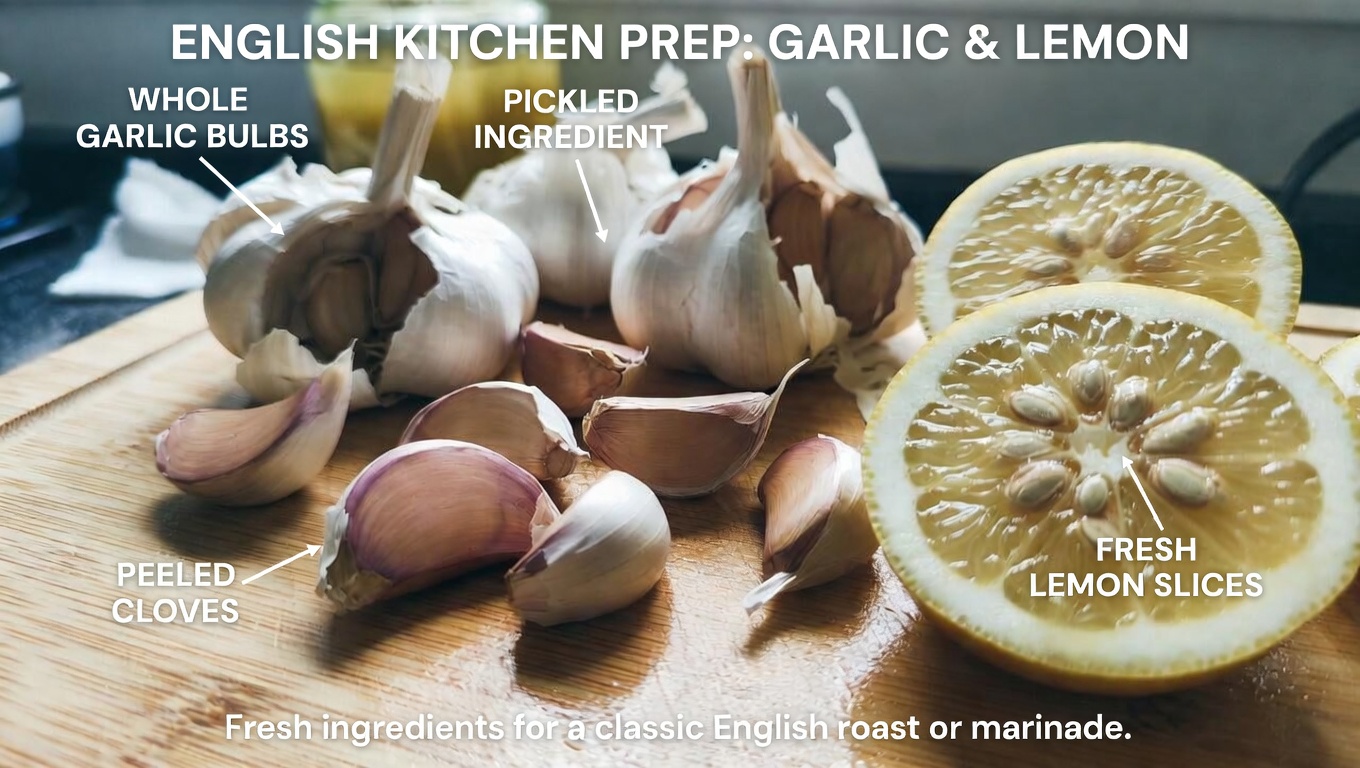
Key Compounds in Garlic That May Support Eye Health
-
Sulfur compounds
Garlic is rich in sulfur-containing molecules that help the body produce glutathione, a powerful antioxidant. Glutathione plays a protective role in the lens and other ocular tissues by helping defend against oxidative damage. -
Allicin and other active components
When garlic is chopped, crushed, or minced, it forms allicin and related bioactive compounds. These have been studied for their antioxidant and anti-inflammatory effects, which support healthy circulation—potentially including blood flow to the eyes. -
Cardiovascular support and circulation
Garlic is often researched for its influence on blood pressure and cholesterol. Better cardiovascular health and improved circulation can indirectly benefit the eyes by supplying essential nutrients and oxygen to ocular tissues.
Some clinical studies, including research on garlic supplementation in individuals with diabetic retinopathy, have noted improvements in measures such as visual acuity when garlic was used as a complementary dietary approach. While more evidence is needed and garlic is not a stand-alone treatment, these findings support including garlic as part of a vision-conscious eating pattern.
How Lemon May Support Eye Wellness
Lemon is more than just a flavor booster—it is a concentrated source of vitamin C and other plant compounds that may support eye health.
Lemon’s Eye-Supporting Nutrients
-
High in vitamin C
Vitamin C is one of the most widely studied antioxidants for eye health. It helps protect cells from free radical damage and supports healthy blood vessels in and around the eyes. -
Potential relationship with cataract risk factors
Observational research has found that higher vitamin C intake is associated with a lower likelihood of certain age-related eye changes, including factors linked to cataracts. -
Supports collagen synthesis
Vitamin C is essential for collagen production, which helps maintain the structure of the cornea and other connective tissues in the eye.
Evidence summarized by organizations such as the National Institutes of Health and various eye health reviews suggests that vitamin C from foods—especially citrus fruits like lemons—can support overall eye protection when consumed as part of a balanced, nutrient-dense diet.
Why Garlic and Lemon Make a Smart Nutritional Pair
When combined in meals, garlic and lemon offer complementary nutritional benefits:
- Lemon’s acidity enhances the aroma and flavor release of garlic.
- Both ingredients provide antioxidant compounds that help counteract oxidative stress.
- Together, they contribute vitamin C, sulfur compounds, and other bioactives that can support general wellness, including factors related to eye health.

This duo appears in traditional recipes across many cultures, particularly in dishes intended to support overall vitality. While no food can “fix” existing vision problems or replace medical care, regularly using garlic and lemon in your cooking is a simple way to add eye-supportive nutrients to your everyday routine.
Step-by-Step: Simple Garlic and Lemon Infusion
The following preparation offers an easy way to enjoy garlic and lemon together using fresh, whole ingredients to help preserve their beneficial compounds.
Ingredients
- 4–5 fresh garlic cloves
- 2 medium lemons (organic if available)
- 1 clean glass jar with a lid
- Optional: extra virgin olive oil or raw honey
Instructions
-
Prepare the garlic
Peel the cloves. Lightly crush them to stimulate allicin formation, then slice or mince them finely. -
Prepare the lemons
Rinse the lemons thoroughly. Slice them into thin rounds. You can include the peel for extra plant compounds, or use only the flesh if you prefer a milder flavor. -
Layer the ingredients
Place a layer of garlic in the jar, then a layer of lemon slices. Continue alternating until the jar is loosely filled. -
Add an optional liquid base
- For a savory version, drizzle with enough extra virgin olive oil to lightly cover the contents.
- For a sweeter, soothing option, add a spoonful of raw honey.
This helps create a gentle infusion and can improve taste and texture.
-
Store and let infuse
Seal the jar and keep it in the refrigerator for about 3–7 days. Over time, the flavors and compounds blend together. -
How to use
- Take 1–2 teaspoons per day on its own, or diluted in a little water if the taste is strong.
- Add to salads, dressings, steamed vegetables, grain bowls, or soups just before serving.
Begin with small amounts and notice how your body responds.
This straightforward method keeps things natural and manageable, making it easy to incorporate garlic and lemon into your regular meals.
Additional Evidence-Based Habits for Eye Health
Garlic and lemon can be part of a broader lifestyle approach to supporting your vision. Consider integrating these habits as well:
-
Eat a variety of colorful produce
Include leafy greens, orange vegetables like carrots and sweet potatoes, and deeply colored fruits such as berries to boost your intake of carotenoids and other antioxidants. -
Add omega-3 fats
Enjoy fatty fish (like salmon, sardines, or mackerel) or plant sources such as flaxseeds and chia seeds. Omega-3s are important for retinal function and tear film stability. -
Protect your eyes from UV and screen strain
Wear UV-blocking sunglasses outdoors and practice the 20-20-20 rule with screens: every 20 minutes, look at something 20 feet away for 20 seconds. -
Stay hydrated and schedule regular eye exams
Adequate hydration supports tear production and eye comfort, while routine check-ups allow eye care professionals to detect changes early and recommend appropriate care.
Common Questions About Garlic, Lemon, and Eye Health
Is it safe to eat garlic and lemon every day?
For most healthy individuals, consuming moderate amounts of garlic and lemon as part of regular meals is considered safe. However, garlic can interact with blood-thinning or anticoagulant medications and may not be suitable in large amounts for everyone. If you take prescription medicines or have a medical condition, consult a healthcare provider before significantly increasing your garlic intake.
Can garlic and lemon replace professional eye care?
No. While nutrition is an important part of maintaining eye health, it does not substitute for professional evaluation and treatment. Regular visits to an optometrist or ophthalmologist are essential for monitoring your vision, checking for eye diseases, and receiving appropriate care.
How long does it take to notice any benefits?
Nutritional support for eye health tends to work gradually. Benefits from dietary changes usually emerge over weeks to months of consistent habits, rather than overnight. Focus on long-term patterns—like eating antioxidant-rich foods daily—rather than expecting rapid results.
The Bottom Line
Maintaining clear, comfortable vision is a priority for many people as they move through different stages of life. Incorporating nutrient-dense ingredients such as garlic and lemon into your meals is a simple, accessible way to add antioxidants, vitamin C, and protective compounds that may support overall eye wellness.
This approach is not about quick fixes or miracle cures—it’s about steady, sustainable choices that contribute to your eye health over time. Consider trying the garlic and lemon infusion and see how it fits into your daily routine, alongside balanced nutrition and regular eye care.