Onion Peel Tea for Prostate Support: Can It Help Men Over 50?
Many men past 50 begin to notice urinary changes that are hard to ignore. Getting up several times at night, a weaker urine stream, or the feeling that the bladder never fully empties can become part of daily life. In many cases, these symptoms are linked to benign prostatic hyperplasia (BPH), a non-cancerous enlargement of the prostate that becomes increasingly common with age. Although medical treatments are available, more people are also exploring food-based strategies that may support prostate health in a simple, natural way.
One surprising option is onion peel tea. The papery outer layers of onions are usually thrown away, yet they contain quercetin, a plant flavonoid known for its antioxidant and anti-inflammatory activity. Researchers have looked at quercetin for its possible role in supporting prostate wellness, and traditional remedies such as onion peel infusions are gaining renewed attention. Below, we’ll look at what BPH is, why onions matter, how to prepare onion peel tea, and what current evidence actually says.
What Is BPH and Why Do Urinary Symptoms Increase With Age?
Benign prostatic hyperplasia develops slowly over time. As the prostate enlarges, it can place pressure on the urethra, which affects how urine flows out of the body. This often leads to lower urinary tract symptoms, commonly called LUTS. Research suggests that more than half of men in their 50s deal with at least some of these symptoms, and the numbers climb even higher in older age groups.
Typical symptoms include:
- Frequent urination, especially at night
- Sudden urgency
- Difficulty starting urination
- Weak flow
- A lingering sensation of incomplete bladder emptying
These issues can do more than cause inconvenience. Poor sleep, daytime tiredness, and reduced comfort are common, and if symptoms are ignored, complications such as urinary tract infections may sometimes develop. Hormonal shifts, inflammation, aging, and lifestyle factors all seem to play a role in how BPH progresses.
Because of this, many men look for supportive dietary habits that may help improve comfort. Observational research has suggested that onions and other Allium vegetables may be associated with lower odds of BPH-related symptoms.
Quercetin in Onions: Why It Gets So Much Attention
Quercetin is one of the most studied natural compounds found in onions. It is especially abundant in red onions and in the dry outer skin. As a flavonoid, quercetin is valued for helping combat oxidative stress and for its potential ability to calm inflammatory processes.
This compound is also present in foods such as:
- Apples
- Tea
- Berries
- Garlic
- Leafy vegetables
Animal studies have shown that quercetin-rich extracts may reduce signs of inflammation and prostate enlargement in experimental settings. Some research involving red onion outer layers found dose-related reductions in prostate weight and inflammatory markers.
In human studies, quercetin has been examined more often in connection with chronic prostatitis and chronic pelvic pain syndrome, conditions that also involve prostate inflammation. In double-blind clinical trials, participants taking quercetin showed better symptom scores than those receiving a placebo, including improvements in urinary discomfort.
Population-based studies have also reported that men who consume more onions and garlic may have a lower risk of BPH. A European case-control study, for example, found a lower likelihood of the condition among men with higher intake of these vegetables.
Even so, the evidence is not yet definitive. Existing studies vary in design, and there is still a need for larger human trials focused specifically on onion peel tea and BPH symptoms.
Why Onion Peels May Be More Valuable Than the Bulb Itself
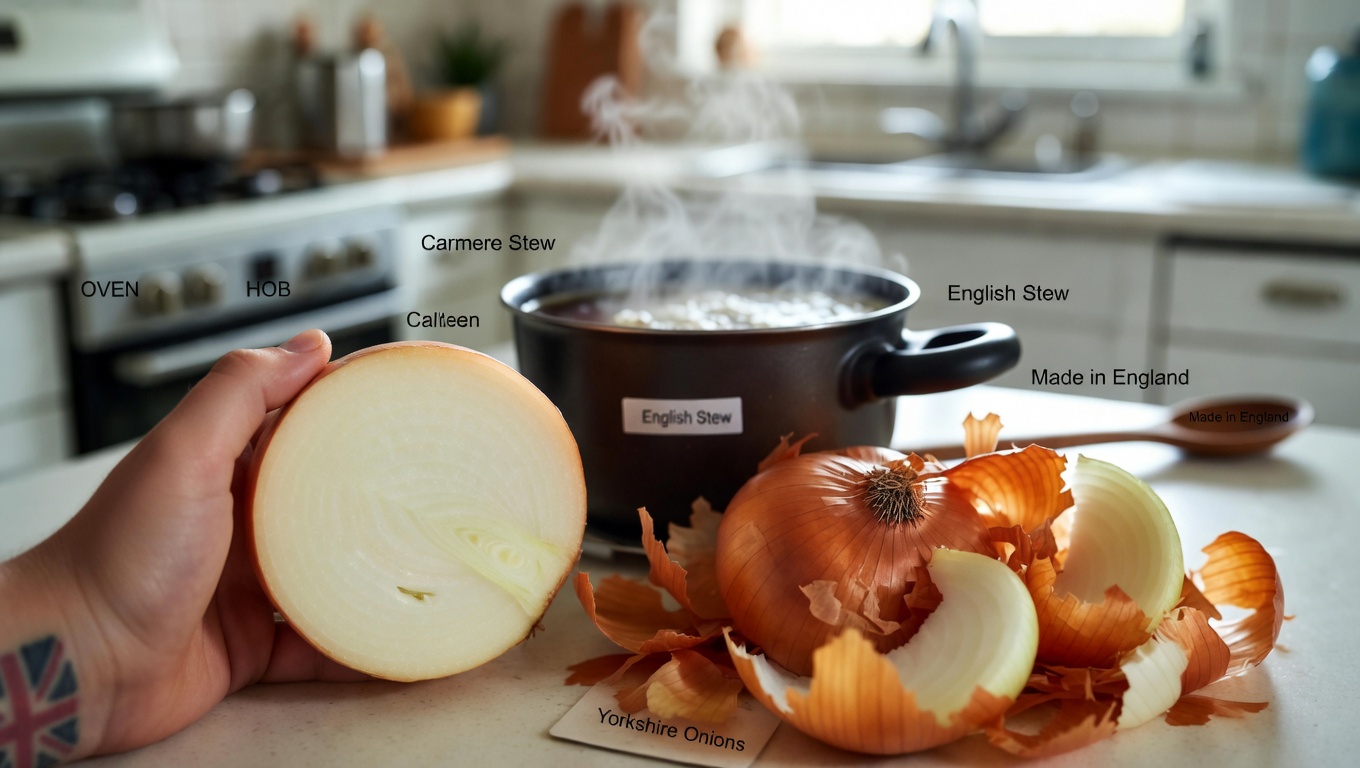
The dry outer layers of the onion contain more quercetin than the inner flesh. That is one reason onion peels have been used in traditional preparations for general health support in several cultures.
Potential advantages of onion peels include:
- Higher quercetin concentration
- Additional polyphenols
- Some fiber-related plant compounds
- A practical way to use food scraps instead of discarding them
A gently prepared tea or infusion may help extract these compounds without exposing them to excessive heat. For many people, this makes onion peel tea an appealing option because it is inexpensive, easy to prepare, and based on ingredients already found in the kitchen.
How to Make Onion Peel Tea at Home
A simple preparation method can help preserve the useful compounds while keeping the flavor mild.
Basic onion peel tea recipe
- Gather the dry outer skins from 2 to 3 medium organic onions.
- Remove any parts that look moldy, wet, or damaged.
- Rinse the peels well under cool water.
- Place them in a pot with about 2 cups of water.
- Heat until the water reaches a gentle simmer, not a full boil.
- Let it simmer for 10 to 15 minutes.
- Strain the liquid into a cup or jar.
- Allow it to cool slightly.
- Add a teaspoon of honey if you want a milder taste.
A common starting routine is:
- Drink 1 cup per day
- Try it in the morning or evening
- Begin with a small amount if you are sensitive to new foods
Fresh onion infusion option
If you do not want to use peels alone, you can also make a lighter infusion with fresh onion:
- Wash 1 medium onion thoroughly.
- Chop half of it, or combine some flesh with the peel.
- Add it to hot water that is no longer boiling.
- Steep for 5 to 10 minutes.
- Strain and drink while warm
Red onions are often preferred because they generally contain more quercetin than lighter-colored varieties.
Possible Benefits of Onion Peel Tea for Prostate Health
Adding onion-derived quercetin to the diet may support several areas of health that matter in BPH and urinary comfort. Based on current research, potential benefits may include:
- Reduced inflammation: Quercetin may help calm inflammatory activity in prostate tissue.
- Antioxidant protection: It may help defend cells against oxidative stress.
- Urinary symptom support: Some studies on quercetin-related conditions suggest possible improvement in urgency and urinary comfort.
- Broader wellness effects: Onions are also linked to immune and cardiovascular benefits.
- Affordability and convenience: Onion peels cost nothing extra and are easy to use at home.
Quick comparison: conventional treatment vs dietary support
- Medical treatment: Often effective, but may come with side effects such as dizziness or sexual side effects depending on the medication
- Dietary support: Food-based, generally mild, and centered on naturally occurring plant compounds
- Cost and access: Onion peels are readily available, while prescription treatments require medical supervision
No matter which approach is chosen, consistency is important. Natural remedies are not instant fixes and usually work best as part of long-term habits.
Important Safety Considerations
Onion peel tea is generally considered safe when used in food-like amounts, but it is not suitable for everyone.
Keep these points in mind:
- Some people may experience mild digestive discomfort
- Anyone with an onion allergy should avoid it
- Quercetin may interact with certain medications, including some blood thinners and antibiotics
- People with existing medical conditions or those taking prescriptions should speak with a healthcare professional first
It is also important to remember that onion peel tea is not a replacement for professional medical care. Persistent urinary symptoms should always be evaluated by a doctor to rule out other causes and to create the right management plan.
How to Improve Results With Supportive Daily Habits
If you want to try onion peel tea as part of a broader prostate-friendly routine, combine it with lifestyle habits that may also help reduce urinary symptoms.
Helpful strategies include:
- Drink enough water during the day
- Cut back on caffeine and alcohol in the evening
- Stay physically active with simple exercise such as walking
- Choose an anti-inflammatory eating pattern rich in fruits and vegetables
- Maintain a healthy weight if possible
It can also help to track your symptoms for 4 to 6 weeks. Write down:
- How many times you wake up at night to urinate
- Changes in urine flow
- Any change in urgency or bladder comfort
This makes it easier to notice whether the tea and related lifestyle changes are making a practical difference.
Final Thoughts
Onion peel tea offers a simple and low-cost way to explore natural prostate support, especially for men interested in food-based wellness strategies. Because onion peels are rich in quercetin, they may offer anti-inflammatory and antioxidant benefits that are relevant to prostate and bladder comfort. While the research is encouraging, especially in relation to inflammation, results are not guaranteed and may differ from person to person.
The best approach is to use it thoughtfully, stay realistic about expectations, and combine it with medical guidance and healthy daily habits. For many men, that balanced strategy is the most sustainable path toward long-term comfort and well-being.
FAQ
How much onion peel tea should I drink each day?
A typical starting amount is 1 cup daily, around 200 to 250 ml. Begin with a modest serving and adjust based on your tolerance.
Can onion peel tea replace BPH medication?
No. It should not be used as a substitute for prescribed treatment. It may serve as a supportive lifestyle option, but medical advice should always come first.
Which type of onion is best?
Red onions are often considered the best choice because they usually contain more quercetin, especially in the outer layers.