
Guava for Eye Wellness: How the Fruit and Leaves May Support Daily Vision Care
Many people deal with routine eye discomfort caused by extended screen exposure, dry air, pollution, or the natural effects of aging. Mild dryness, tired eyes, and the desire to preserve clear vision can all affect day-to-day comfort. Although regular checkups and professional eye care are still the most important steps, adding nutrient-dense foods to your diet can be a simple way to support overall eye wellness.
One interesting option is guava. This tropical fruit, along with its leaves, has long been valued in traditional wellness practices. In this article, we’ll look at how guava fruit and guava leaves are connected to natural eye support through their nutrient content and traditional uses.

Why Guava Is Often Mentioned in Eye Health Conversations
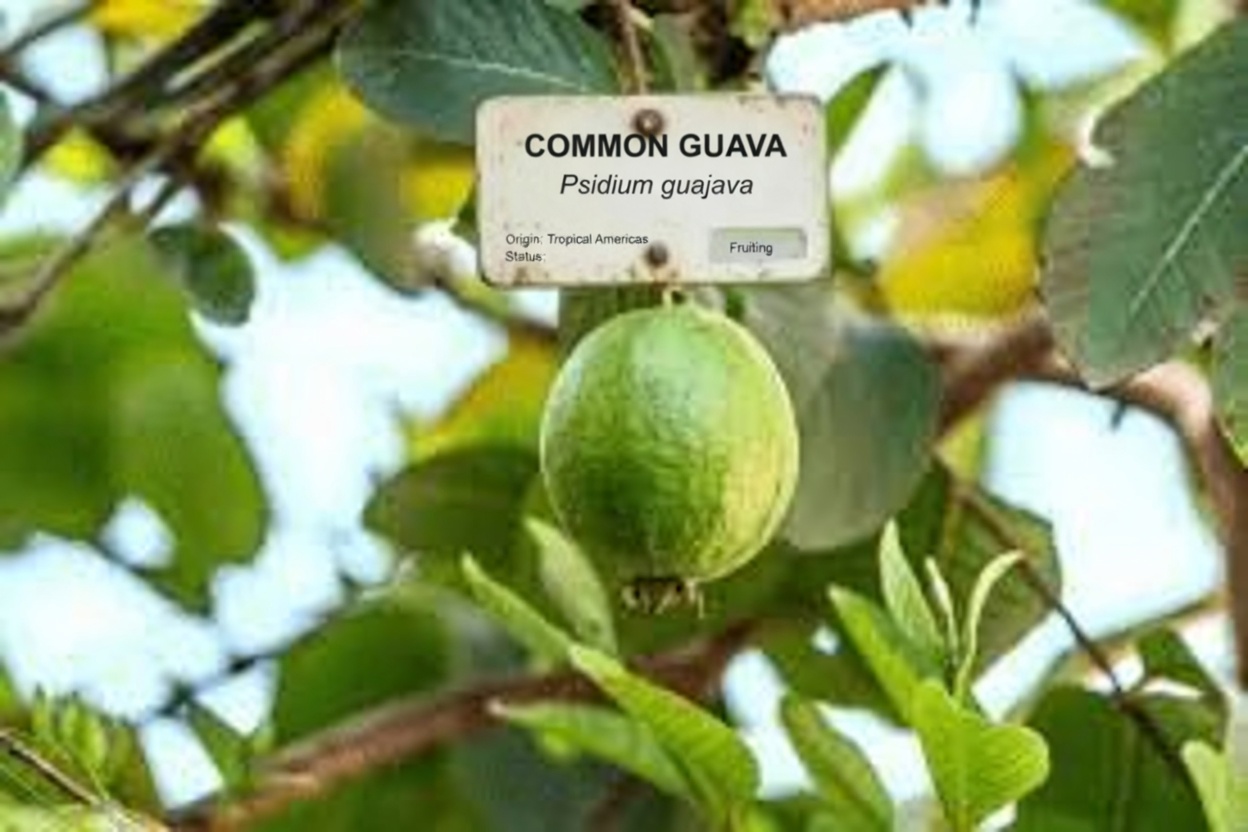
Guava, scientifically known as Psidium guajava, is more than a flavorful tropical fruit. It contains several nutrients that are frequently associated with whole-body wellness, including nutrients that are relevant to eye health.
One of guava’s most notable benefits is its high vitamin C content. Vitamin C is a powerful antioxidant that helps the body defend itself against oxidative stress. Over time, oxidative stress may affect many tissues in the body, including the eyes.
Research has shown that vitamin C helps protect cells from free radical damage, which is one reason it is often discussed in relation to long-term eye maintenance. Antioxidants in general are commonly linked to better support for visual comfort over time.
Guava also contains vitamin A, largely from beta-carotene, along with other plant pigments such as carotenoids. These compounds are often associated with retinal support and healthy vision, especially when it comes to seeing more comfortably in dim light.
The leaves of the guava tree are also noteworthy. In many traditional settings, guava leaves are brewed into tea. They contain flavonoids, tannins, and additional antioxidant compounds. These substances are sometimes linked to easing eye fatigue or supporting overall eye comfort in traditional use, though stronger scientific confirmation is still needed.
What makes guava especially interesting?
- Rich in vitamin C — A single guava can provide several times the daily recommended intake, which may help support collagen found in eye structures.
- Broad antioxidant content — Guava contains quercetin and other polyphenols that help counter daily environmental stress.
- Natural carotenoids — Some varieties include compounds such as lutein, which is often discussed in eye health for macular support.
Including guava in a balanced diet may be a practical way to support general wellness naturally.
How Guava Fruit Can Support Everyday Eye Comfort
Eating guava on a regular basis is an easy way to get eye-friendly nutrients. The fruit is also hydrating and contains fiber, making it useful for overall health as well.
Antioxidants from foods are often studied for their role in helping the body manage oxidative effects linked to age, screen use, and exposure to pollution. The vitamin A content in guava also supports the cornea and may contribute to more comfortable night vision.
Easy ways to eat guava more often
- Slice fresh guava and enjoy it as a snack.
- Eat it with the skin on for added fiber.
- Blend guava into smoothies with oranges, carrots, or other nutrient-rich fruits.
- Add chopped guava to salads for extra flavor and nutrition.
A practical goal is to eat 1 to 2 guavas a few times per week as part of a varied, healthy diet.

Traditional Uses of Guava Leaves for Eye Comfort
Guava leaf tea has been used in many cultures as a mild herbal drink for general wellness. In some traditional practices, it is also mentioned in connection with eye comfort because of its antioxidant profile.
Certain sources suggest that flavonoids and tannins in the leaves may have gentle soothing properties. In traditional wellness settings, this has sometimes been linked to reducing feelings of eye dryness or tiredness. However, guava leaf tea should not be seen as a replacement for medical treatment or professional advice.
How to make guava leaf tea
- Choose fresh, young guava leaves and avoid leaves exposed to chemicals.
- Wash 10 to 15 leaves thoroughly under running water.
- Bring 2 cups of water to a boil.
- Add the leaves and let them simmer for 10 to 15 minutes.
- Strain the tea and allow it to cool slightly.
- Drink it warm or at room temperature.
- Begin with 1 cup per day and pay attention to how your body reacts.
Some traditional routines also use cooled guava leaf tea as a compress around the eyes. If you try this, use a clean cloth and apply it only around the eye area. Do not place the liquid directly into the eyes unless advised by a qualified professional.
This can be a calming addition to an evening self-care routine.
Key Nutrients in Guava Fruit and Leaves
To better understand why guava appears in eye wellness discussions, here is a simple breakdown of the main compounds found in the fruit and the leaves.
Guava fruit
- Vitamin C — Supports tissue health and antioxidant protection
- Vitamin A / beta-carotene — Helps maintain normal vision
- Carotenoids — Often connected to retinal and macular support
- Hydration and fiber — Contribute to overall health
Guava leaves
- Flavonoids such as quercetin — Known for antioxidant activity
- Tannins and polyphenols — Traditionally associated with soothing effects
- Vitamin C and other plant compounds — Add to the leaf’s wellness profile
Using both forms—eating the fruit and drinking the tea—can provide a wider range of beneficial compounds.
Practical Ways to Add Guava to Your Routine
If you want to explore guava for natural eye support, start with simple habits that are easy to maintain.
Smart ways to begin
- Add one fresh guava to your shopping list each week.
- Brew guava leaf tea 2 to 3 times weekly.
- Store extra tea in the refrigerator and use it within 2 days.
- Pair guava with other foods often associated with eye health, such as leafy greens, carrots, or citrus fruits.
- Track how your eyes feel after several weeks of consistent use.
- When buying fresh guava, choose ripe fruit for the best taste and texture.
These small steps can support a healthy lifestyle while making your routine more enjoyable.
Important Considerations Before Using Guava Leaves
Guava fruit is generally safe for most people when eaten as food. However, larger amounts of guava leaves may cause mild digestive discomfort in some individuals. Always wash both fruit and leaves well, and make sure they come from clean, reliable sources.
If you have allergies, sensitivities, chronic eye issues, or any existing medical condition, it is best to speak with a healthcare professional before using guava leaves regularly.
Final Thoughts: A Simple, Natural Addition to Eye Care Habits
Guava is a convenient and nutrient-rich option for people interested in natural ways to support eye wellness. The fruit offers vitamins and antioxidants, while the leaves bring a long history of traditional use in herbal tea. Together, they can fit well into a lifestyle focused on hydration, balanced nutrition, and antioxidant support.
The biggest benefit comes from consistency. When guava is combined with healthy sleep, reduced screen strain, and routine eye exams, it becomes part of a stronger foundation for everyday eye comfort.
What is one small step you can take today to support your eyes more naturally?
FAQ
Is guava safe to use for daily eye support?
Yes, guava fruit is a nutritious food choice for most people and can be included regularly in a balanced diet. Guava leaf tea is also used traditionally, but it is wise to start in small amounts and ask a doctor if you have concerns.
Can guava replace eye drops or medical treatment?
No. Guava may support general wellness, but it is not a substitute for prescribed treatments, eye drops, or professional eye care.
How much guava leaf tea is commonly used?
A typical starting amount is 1 to 2 cups per day in traditional use. Begin with less, observe your body’s response, and adjust as needed.