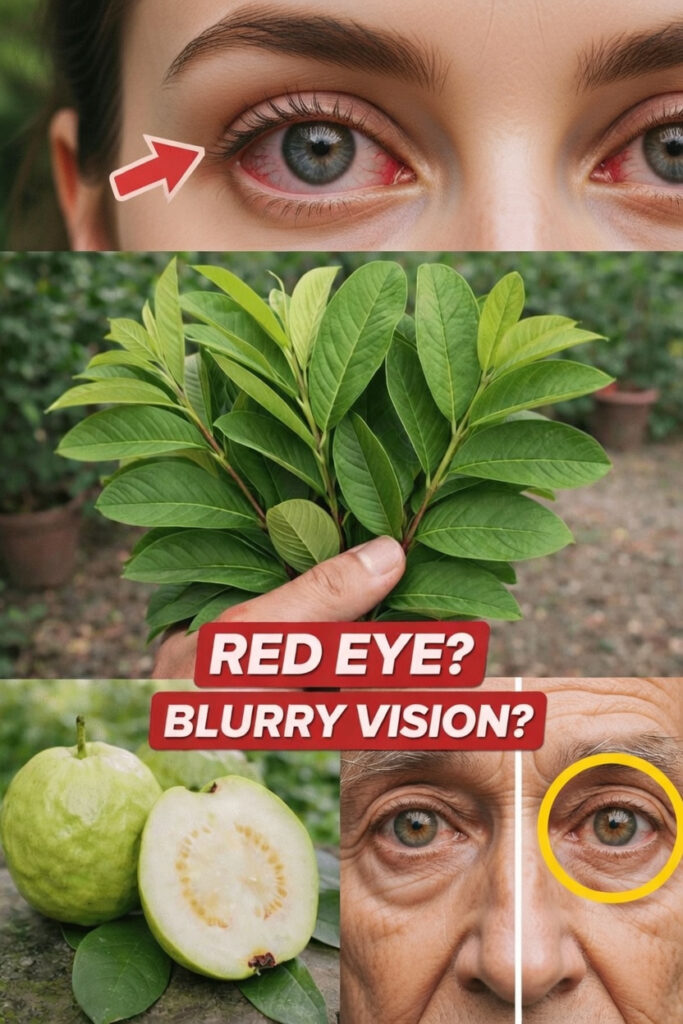
Guava for Eye Comfort: A Natural Approach to Everyday Eye Strain
Many people experience occasional eye discomfort caused by long hours in front of screens, dust exposure, seasonal allergies, or normal aging. Common symptoms like redness, dryness, irritation, and tired eyes can make even simple daily activities feel draining. When this happens, it is easy to rely on eye drops or avoid bright environments. However, some traditional wellness practices point to a much simpler option: guava.
Guava, a widely known tropical fruit, along with its leaves, has been used for generations in natural health routines. Its value comes from a rich supply of nutrients and plant compounds that may help support overall eye comfort. Interestingly, one traditional preparation method has gained special attention in folk remedies and early scientific interest, and we will cover that later in this article.
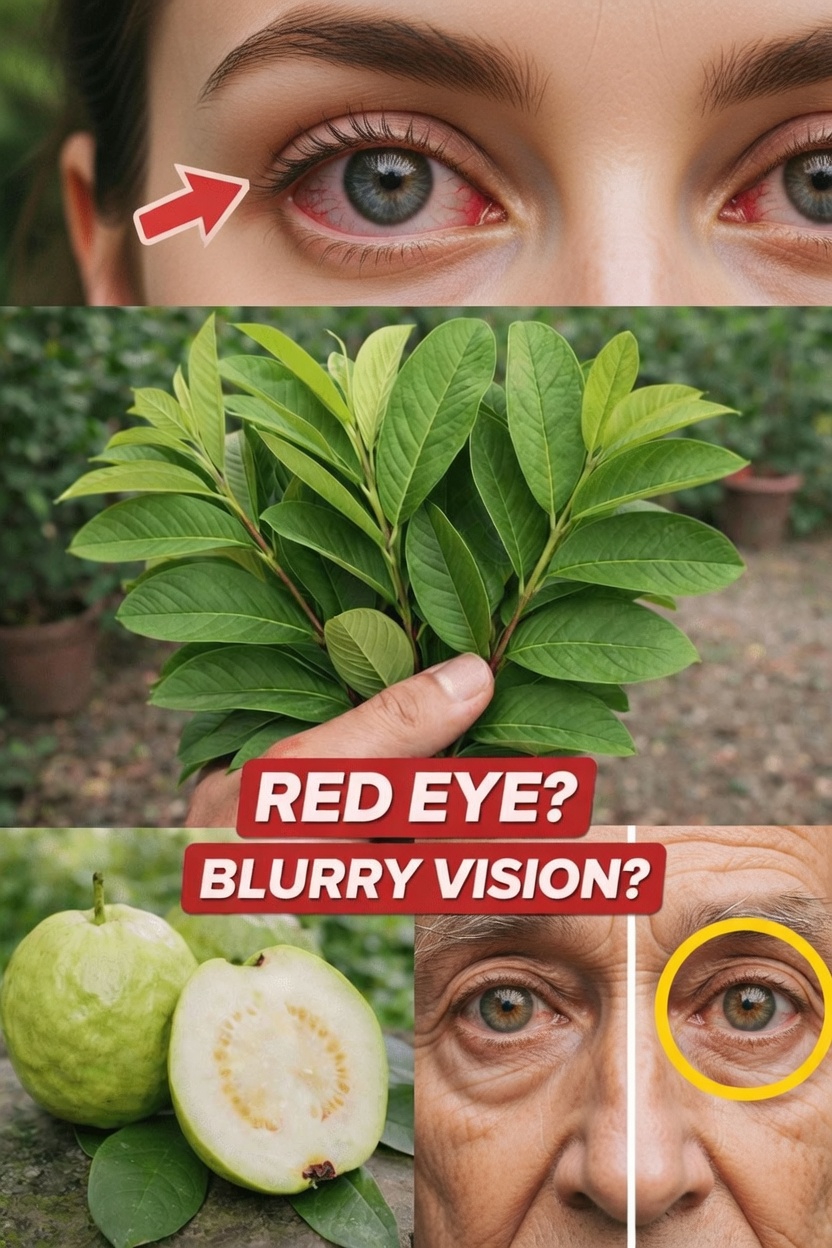
Why Guava Is Linked to Eye Wellness
Guava (Psidium guajava) draws attention because both the fruit and the leaves contain a wide range of beneficial nutrients. The fruit is especially rich in vitamin C, often providing more than oranges, and also contains vitamin A precursors and antioxidant compounds such as carotenoids. These nutrients help the body defend itself against oxidative stress, which may affect sensitive eye tissues over time.
Scientific findings suggest that antioxidants help reduce the impact of free radicals, which supports long-term eye health. Guava has been recognized for strong antioxidant potential due to its polyphenols, flavonoids like quercetin, and other natural compounds. Vitamin A is important for normal vision, especially in dim light, while vitamin C supports collagen production, which helps maintain the structure of the eye.
Guava leaves also contain valuable plant substances, including flavonoids, tannins, and other antioxidants. Traditional wellness practices and limited laboratory research suggest that, when prepared correctly, guava leaves may provide soothing and anti-inflammatory support. Some in vitro studies have even examined guava leaf decoctions for possible antimicrobial effects, although more human-based research is still needed.
What makes guava particularly interesting is not only its nutrient profile, but also the way it has traditionally been prepared for gentle eye support.
Key Nutrients in Guava That May Support Eye Comfort
Here are the main reasons guava is often discussed in natural eye wellness:
- Vitamin C: A single serving of guava can provide more than twice the daily requirement. This nutrient helps support immune function and may reduce oxidative stress that affects the eyes.
- Vitamin A and carotenoids: These are important for maintaining healthy vision and protecting cells from damage.
- Flavonoids such as quercetin: Present in both the fruit and the leaves, these antioxidants may help calm signs of inflammation.
- Polyphenols and tannins: Found especially in the leaves, these compounds may contribute to guava’s soothing properties.
Studies on guava consistently point to strong free radical scavenging activity, which aligns well with general goals for eye wellness and comfort.
Easy Ways to Add Guava to Your Daily Routine
You do not need complicated tools or expensive products to explore guava’s potential benefits. The most practical methods are simple, safe, and easy to include in everyday life.
1. Eat Fresh Guava Every Day
Ripe guava fruit offers an easy way to get its vitamins and antioxidants directly through food.
- Choose fresh guava, preferably organic if available
- Wash the fruit thoroughly before eating
- Eat 1 to 2 guavas daily
- Keep the skin on for extra fiber and nutrients
Adding guava to your diet can help improve overall nutrition while supplying antioxidants that support eye health.

2. Drink Guava Leaf Tea for Gentle Wellness Support
Guava leaf tea is a common traditional preparation used as a calming herbal drink.
How to prepare guava leaf tea
- Pick 4 to 5 fresh young guava leaves
- Make sure the leaves are free from pesticides
- Wash them thoroughly under running water
- Boil 2 cups of water
- Add the leaves and simmer for 5 to 10 minutes
- Strain the tea and allow it to cool slightly
- Drink 1 cup daily, preferably without sweeteners
In traditional use, this tea is often consumed as part of a general wellness routine and may help support hydration and comfort. Its antioxidant content may also play a role in reducing feelings of dryness.
3. Use a Warm Guava Leaf Compress for Tired Eyes
Among traditional remedies, the warm guava leaf compress is one of the most popular methods for soothing irritated or fatigued eyes.
Step-by-step method
- Wash 3 to 4 fresh guava leaves
- Boil them in water for 5 to 10 minutes to create a decoction
- Let the liquid cool until it is comfortably warm, never hot
- Soak a clean, soft cloth in the warm liquid
- Wring out the excess moisture
- Place the cloth gently over closed eyes for 10 to 15 minutes
- Repeat 1 to 2 times a day if needed
Some limited research, including in vitro studies and tolerance testing in animals, has explored guava leaf decoctions for topical use. These findings suggest they may be tolerated in certain concentrations, but caution is still important. Always perform a patch test on the skin first and stop using it immediately if irritation appears.
This traditional approach is especially interesting for people looking for gentle, natural ways to relax tired eyes.
Precautions and Safe Use Tips
Although guava is generally considered safe when eaten as food, it is still important to use it responsibly, especially when applying preparations near the eyes.
- Use only clean, pesticide-free guava leaves
- Never place undiluted extracts directly into the eyes
- Begin with small amounts to test for sensitivity
- Always patch test before using a compress near the eye area
- Stop use if redness, stinging, or discomfort becomes worse
It is also helpful to combine guava use with healthy eye-care habits, such as:
- Following the 20-20-20 rule during screen time
- Staying well hydrated
- Wearing sunglasses outdoors to reduce UV exposure
Healthy Habits to Combine With Guava for Better Eye Comfort
If you want to improve eye comfort more effectively, guava should be part of a broader wellness routine rather than the only step.
Consider adding these habits:
- Eat a colorful variety of fruits and vegetables for a wider range of antioxidants
- Include omega-3 sources such as fish, chia seeds, or flaxseeds
- Get enough quality sleep so the eyes can recover properly
- Reduce screen glare with blue light filters or screen adjustments
- Take frequent breaks from digital devices
Small lifestyle changes practiced consistently can make a meaningful difference over time.
Frequently Asked Questions
Can guava leaf tea replace eye drops?
No. Guava leaf tea is not a replacement for medical eye treatments or lubricating drops. It may serve as a gentle wellness addition, but ongoing or severe symptoms should be evaluated by an eye care professional.
Is it safe to use guava leaves on the skin around the eyes every day?
Traditional use and limited early studies suggest that occasional warm compresses may be well tolerated by many people. However, daily topical use may not suit everyone. Always patch test first, and stop immediately if irritation or redness increases.
Is eating guava better than using the leaves?
Both can offer benefits in different ways. The fruit is especially valuable for its high vitamin C content and internal nutritional support. The leaves provide concentrated flavonoids and other plant compounds often used in herbal preparations. Using both in moderation may provide broader support.
Final Note
Guava fruit and guava leaves have earned a place in traditional wellness practices for good reason. Their combination of vitamin C, vitamin A precursors, antioxidants, flavonoids, and polyphenols makes them a promising natural option for supporting overall eye comfort. Whether you choose to enjoy fresh guava, sip guava leaf tea, or try a warm leaf compress, the key is to use these methods safely and realistically.
If your eye discomfort continues, gets worse, or comes with blurred vision or other visual changes, seek medical advice as soon as possible.