
Spices That May Support Kidney Health Naturally
As people get older, many start paying closer attention to their kidney health. Everyday factors such as diet, hydration habits, and low-grade inflammation can all influence how well the kidneys function over time. These organs work continuously to remove waste, regulate fluid balance, and help control blood pressure. However, challenges like excess sodium intake and oxidative stress may put extra strain on the body.
The encouraging news is that simple food choices can help support overall wellness. Certain spices add rich flavor to meals while offering antioxidant and anti-inflammatory properties, making them a smart option for people who want to cut back on salt. In this article, we explore several spices that research has linked to gentle kidney support.

Why Spices Can Be Helpful for Kidney Wellness
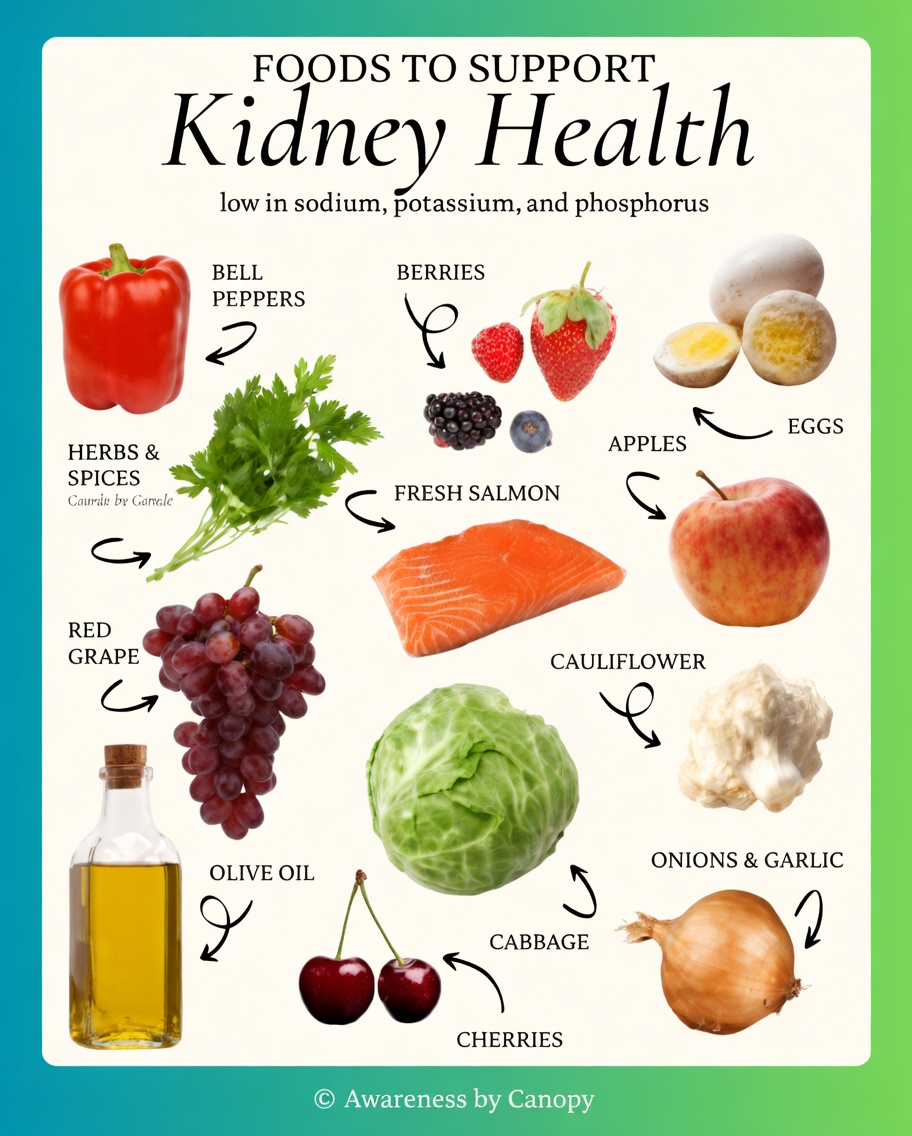
Spices do much more than improve taste. Many contain beneficial plant compounds that may help the body cope with oxidative stress and mild inflammation, both of which are connected to long-term health concerns. Because spices are naturally low in sodium, they can be especially useful for anyone trying to season food without relying heavily on salt.
Organizations such as the National Kidney Foundation have emphasized the value of herbs and spices in healthier eating patterns. Beyond flavor, some familiar kitchen spices have attracted scientific interest for their possible protective effects in laboratory and animal research.
5 Spices Commonly Linked to Kidney-Friendly Benefits
Below are five well-known spices often mentioned in health discussions for their supportive properties. Their benefits are largely associated with antioxidants, anti-inflammatory compounds, and traditional wellness uses.
1. Cumin Seeds
Cumin, or Cuminum cyminum, is known for its warm, earthy flavor and is widely used in global cooking. In traditional systems, especially in India, cumin has long been valued for general wellness and urinary support.
Research suggests cumin seeds contain compounds that may help limit oxidative damage in animal models experiencing kidney stress, including stress related to toxins or diabetes. Some studies have also examined cumin essential oil for its potential role in reducing certain types of nephrotoxicity in rats. Its antioxidant activity may help support overall cellular function.
2. Turmeric
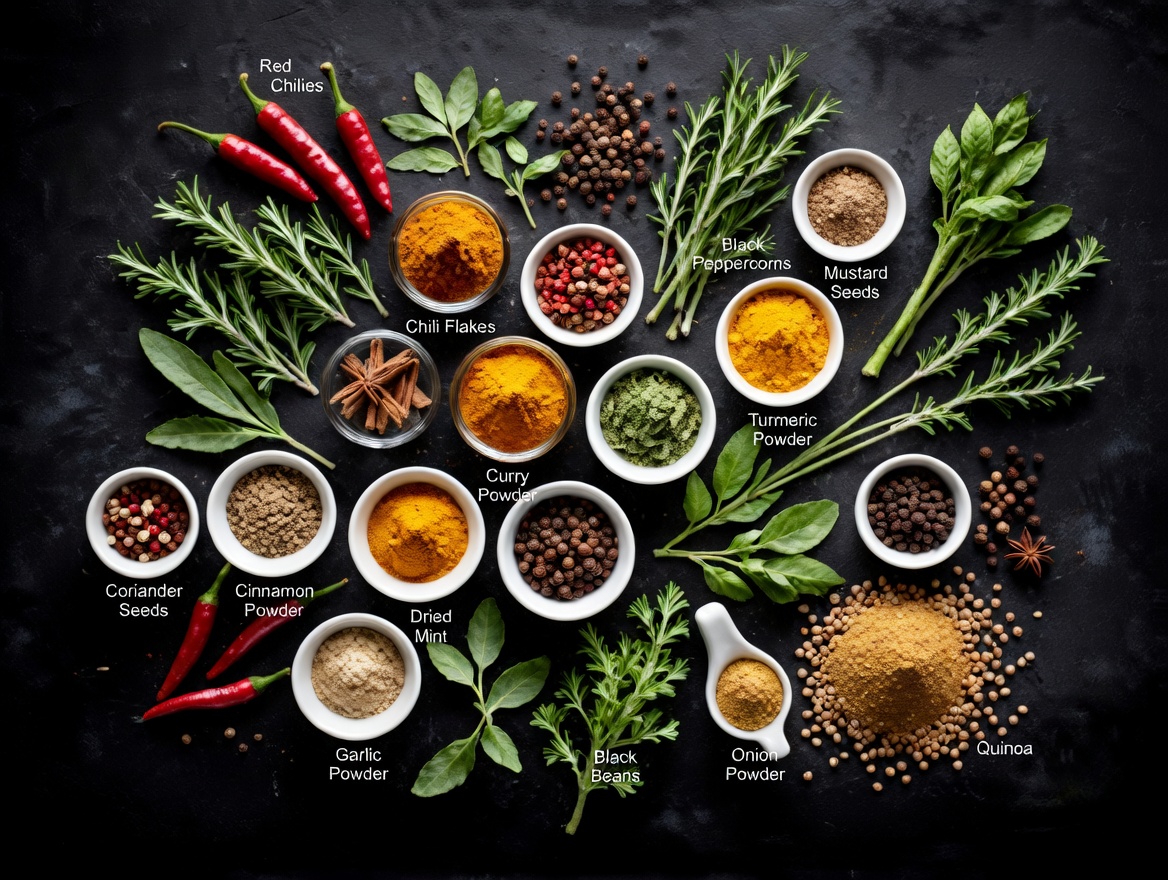
Turmeric is the golden-yellow spice famous for curcumin, its most studied active compound. Animal research suggests curcumin may help reduce inflammation and oxidative stress in models involving chronic kidney issues. It appears to influence pathways that lower certain stress markers in kidney tissue.
Turmeric is easy to include in daily meals and drinks. It works well in curries, soups, teas, and even smoothies.
3. Ginger
Ginger offers a fresh, slightly spicy warmth and is widely recognized for its anti-inflammatory potential. Some studies suggest it may help support digestion and circulation. Better circulation can indirectly benefit kidney function by supporting healthy blood flow throughout the body.
Fresh or ground ginger is easy to use in teas, stir-fries, soups, and marinades.
4. Garlic
Garlic is a staple in many kitchens and contains sulfur-rich compounds known for antioxidant effects. It may also help support healthy blood pressure and reduce inflammation, both of which matter for kidney wellness.
Whether used fresh, roasted, or powdered, garlic adds bold flavor to savory dishes without increasing sodium intake.
5. Black Cumin
Black cumin, also called black seed or Nigella sativa, has received growing attention for thymoquinone, its main bioactive compound. Reviews and animal studies suggest it may help protect the kidneys from different forms of injury caused by stressors such as toxins and inflammation. Its possible benefits are linked to antioxidant, anti-inflammatory, and anti-fibrotic actions.
A few limited human observations have also suggested a supportive role in certain conditions, although stronger clinical research is still needed.
Simple Ways to Add These Spices to Your Daily Diet
You do not need complicated recipes to start using these spices. A few easy habits can make a difference.
-
Begin gradually
- Start with about 1/2 to 1 teaspoon per day and see how your body responds.
-
Use them in everyday cooking
- Add cumin or turmeric to:
- rice
- soups
- roasted vegetables
- lentil dishes
- Add cumin or turmeric to:
-
Make a simple tea
- Steep fresh ginger slices or a small pinch of turmeric in hot water for 5 to 10 minutes.
-
Swap them in for salt-heavy flavoring
- Use garlic and black cumin in:
- marinades
- salad dressings
- savory sauces
- Use garlic and black cumin in:
-
Pair turmeric with black pepper
- A small amount of black pepper may improve curcumin absorption.
Quick Guide to Flavor and Use
Here is a simple comparison of these spices and how they fit into meals:
-
Cumin
- Earthy and warm
- Best for savory recipes
-
Turmeric
- Slightly bitter and earthy
- Often works well with healthy fats
-
Ginger
- Fresh and spicy
- Ideal for teas and stir-fries
-
Garlic
- Strong and pungent
- Extremely versatile in cooking
-
Black Cumin
- Nutty with a peppery edge
- Great in breads, oils, and seasoning blends
Even small adjustments like these can make meals more enjoyable while supporting a kidney-conscious way of eating.
Important Safety Considerations
Choose high-quality spices and keep them in a cool, dark place so they retain their freshness and strength. If you have a medical condition or take prescription medications, speak with a healthcare professional before significantly increasing your intake. Some spices may affect absorption or interact with certain drugs.
Moderation is key. These spices are best used as part of a balanced eating pattern that includes:
- fruits
- vegetables
- adequate hydration
- overall healthy lifestyle habits
Conclusion
Cumin, turmeric, ginger, garlic, and black cumin offer a flavorful and natural way to support kidney health as part of a balanced diet. Their antioxidant and anti-inflammatory compounds have shown promise in research, especially in preclinical studies. Still, they should be viewed as supportive additions rather than cures or replacements for proper medical care.
Trying one or two of these spices this week is a simple way to enhance both the taste of your meals and your overall wellness routine.
FAQ
What is the best way to use cumin for general wellness?
A simple approach is to add ground cumin to common dishes such as soups, stews, roasted vegetables, or rice. Using 1 to 2 teaspoons can boost flavor without adding too much sodium.
Can these spices replace medical treatment for kidney problems?
No. Spices may support general health, but they are not a substitute for professional medical advice, prescribed medication, or treatment plans from your doctor.
Are these spices safe to use every day?
In normal culinary amounts, they are generally considered safe for most people. However, larger amounts or concentrated supplements may lead to digestive discomfort or interact with medications. If you are unsure, consult a healthcare professional.