Gentle Ways to Manage Unwanted Hair: What Really Works?
Many people want a softer, less irritating way to handle unwanted hair on the face and body. Common options like shaving, waxing, or depilatory creams do not work well for everyone. Shaving may cause razor burn, bumps, ingrown hairs, and fast regrowth. Waxing can be painful, while hair removal creams may trigger sensitivity in delicate skin.
Because of these frustrations, home remedies often become appealing. Social media is full of simple DIY ideas made from everyday kitchen products, often promoted as painless ways to get smoother skin.
One of the most talked-about trends involves onion and toothpaste used together in unusual ways. It sounds intriguing, but before trying any viral method, it helps to understand what science and skin experts actually say. Later in this article, you’ll also find gentle, practical skin-smoothing tips that are easier to include in a regular routine.
Why Unwanted Hair Happens
Hair growth on the face, arms, legs, and other body areas is completely normal. The amount, thickness, and visibility of hair can be shaped by several factors, including:
- Genetics
- Hormonal changes
- Age
- Individual skin and hair type
For some people, hair becomes more noticeable over time, which leads them to look for simple and affordable removal methods.
Common Hair Removal Methods
The most widely used options include:
- Shaving: Fast and convenient, but often needs frequent maintenance.
- Waxing: Keeps skin smooth longer, though it can be uncomfortable.
- Laser treatments or professional procedures: Can reduce hair more effectively over time, but they are expensive and usually require multiple sessions.
This is why natural or at-home alternatives attract so much attention. They are inexpensive, easy to access, and often made with products already sitting in the kitchen or bathroom.
The Onion and Toothpaste Trend: Does It Really Help?
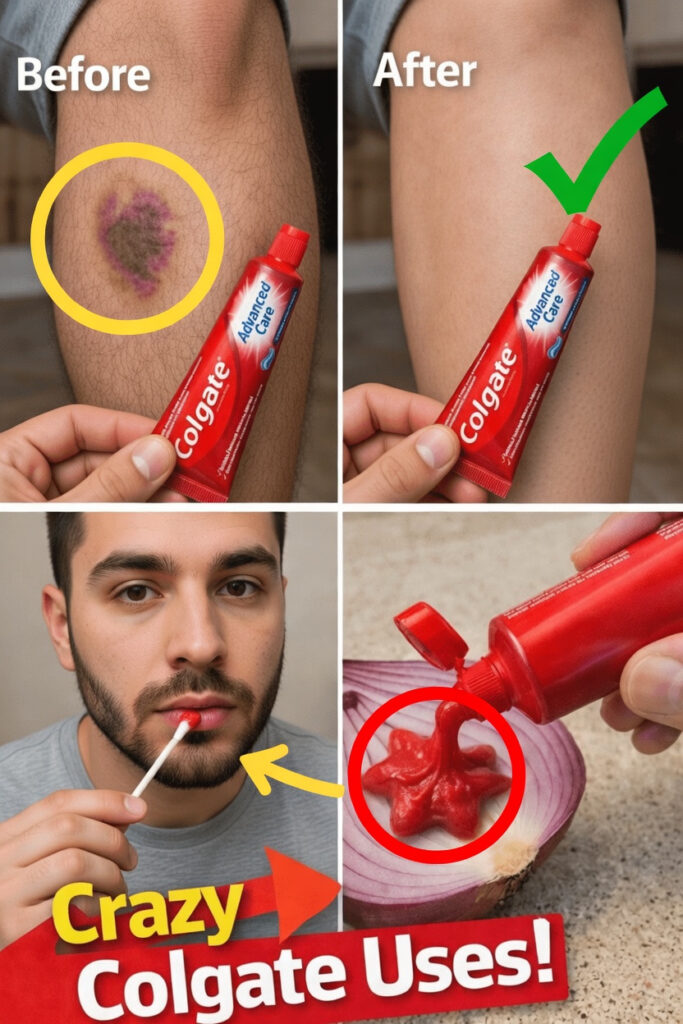
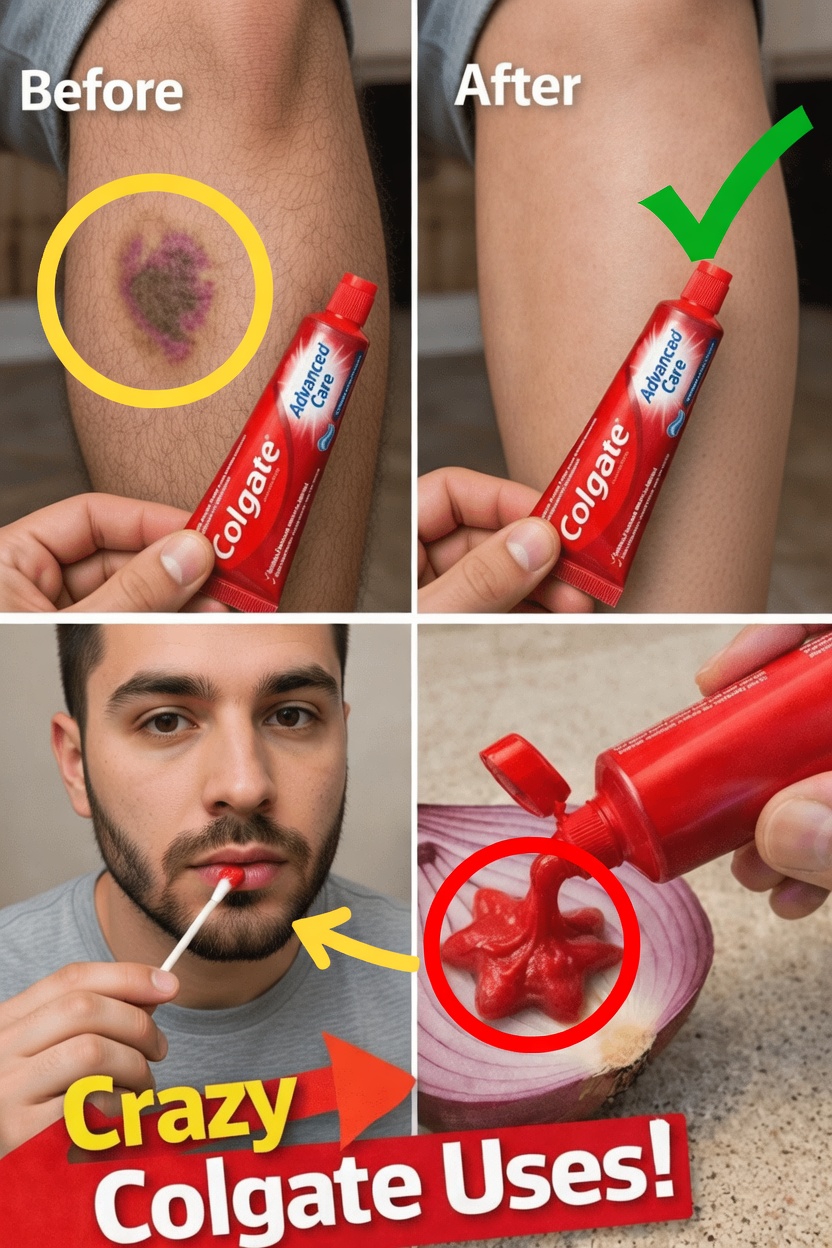
You may have seen videos showing onion juice or onion slices mixed with Colgate toothpaste, sometimes specific versions such as Advanced Care. These posts often claim the mixture can reduce visible hair painlessly and naturally, sometimes with dramatic before-and-after photos.
The idea sounds convincing at first, but the actual evidence tells a different story.
What Onion Does
Onion contains sulfur compounds, and onion juice has been studied in certain cases related to scalp hair regrowth, such as alopecia areata. However, that research focuses on encouraging hair growth in specific conditions, not removing body or facial hair.
What Toothpaste Does
Toothpaste may contain mild abrasives and, in some products, ingredients like hydrogen peroxide. These substances might slightly dry out hair or temporarily make it appear lighter. Still, toothpaste is designed for teeth, not for use as a skincare product.
What Experts Say
Dermatology experts generally agree on one key point: there is no reliable scientific proof that onion and toothpaste together can permanently remove hair or significantly reduce it. At most, some ingredients might make hair feel drier or more brittle for a short time. That is very different from true hair reduction.
Lasting hair removal works by targeting the hair follicle in a controlled and safe way. Household ingredients are simply not created for that purpose.
Why Some People Think DIY Remedies Work
Even though the onion-and-toothpaste claim lacks solid support, some natural routines can still improve how skin looks and feels. Gentle exfoliation, for example, removes dead skin cells and can make fine hair appear less obvious. Regular moisturizing also helps skin look smoother and healthier.
So while these home treatments are not true hair removers, they may create a more polished appearance over time.

Safer Natural Ingredients for Smoother-Looking Skin
If you enjoy simple home-based skincare, it is better to choose gentler ingredients that support skin texture rather than promise unrealistic hair removal results.
Here are a few popular low-risk options:
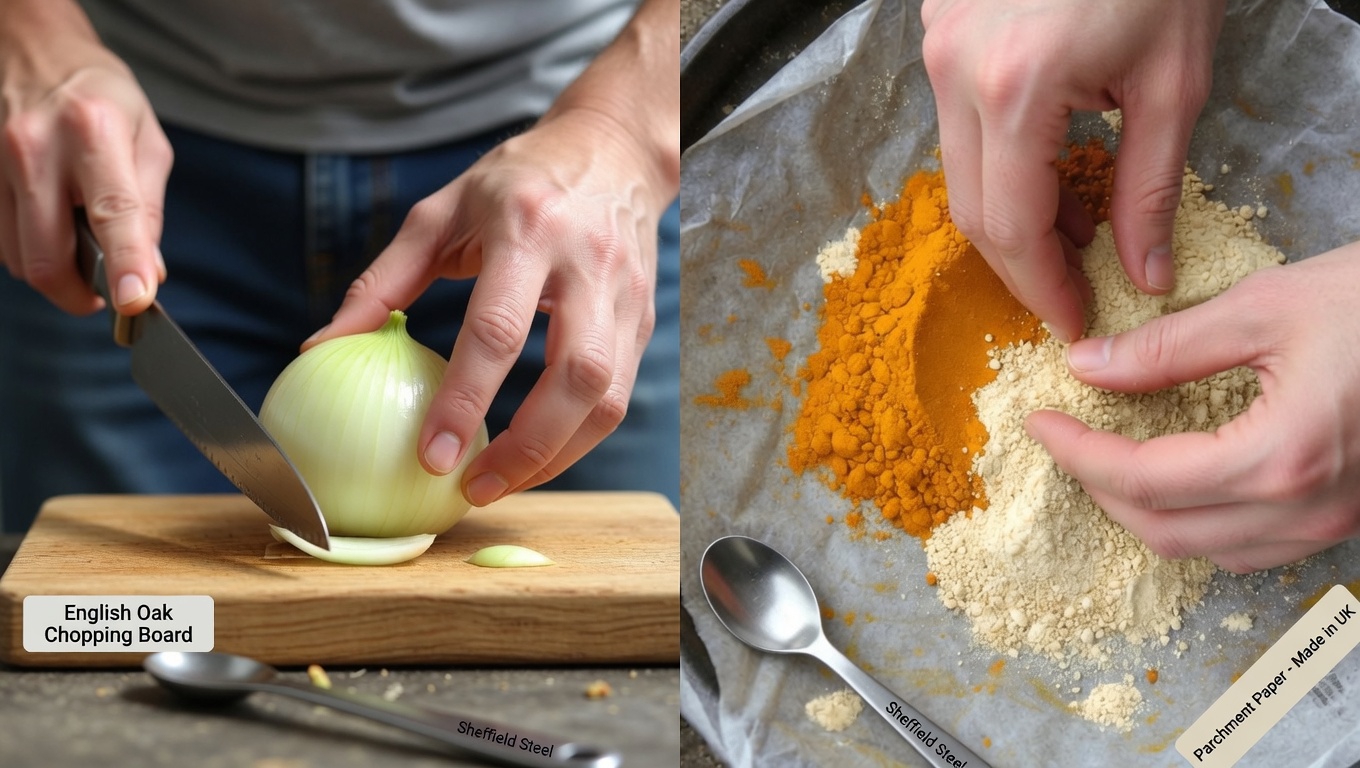
- Turmeric and gram flour (besan): Turmeric is known for its soothing and anti-inflammatory qualities, while gram flour works as a mild exfoliant. Mix them into a paste, leave it on for 15 to 20 minutes, and rinse off.
- Sugar and lemon scrub: Sugar helps exfoliate dead skin, which may make hair feel softer and less noticeable.
- Papaya and turmeric: Papaya contains papain, an enzyme often used in gentle skincare routines for a smoother surface.
Before trying any homemade mixture, always patch-test a small area first. Even natural ingredients can irritate sensitive skin.
A Simple At-Home Routine for Everyday Smoothness
If your goal is soft, healthy-looking skin, a gentle routine is often more effective than harsh experimentation. Many people follow a process like this:
- Wash the area with warm water and a mild cleanser.
- Make a simple natural paste, such as gram flour with yogurt or a small amount of turmeric.
- Apply it using light circular motions to exfoliate gently.
- Leave it on for 10 to 15 minutes.
- Rinse with cool water and pat the skin dry.
- Finish with aloe vera or a fragrance-free moisturizer.
Repeat this routine two to three times per week. In most cases, steady care works better than aggressive treatments.
Comparing Popular Hair Removal and Skin-Smoothing Methods
Here is a quick overview of common approaches:
| Method | Pros | Cons | How Long Results Last |
|---|---|---|---|
| Shaving | Quick and easy | Fast regrowth, possible irritation | 1 to 3 days |
| Waxing | Longer-lasting smoothness | Painful, may cause ingrown hairs | 3 to 6 weeks |
| Natural exfoliation | Gentle, affordable, kitchen-friendly | Slower and less dramatic results | Varies |
| Professional laser | Long-term hair reduction | Expensive, requires repeated sessions | Months to years |
This comparison shows why many people combine gentle skincare with their preferred hair management method.
What Research Says About Natural Skin Care
Research supports the idea that regular, mild exfoliation can improve skin texture and help fine hair look less noticeable. That does not mean natural ingredients remove hair at the root, but they can improve the overall appearance of the skin.
As for onions, they may support general wellness when included in the diet, but applying them to the skin for hair removal is not backed by strong evidence. Dermatologists usually recommend sticking with proven skincare habits and seeking professional guidance if excess hair becomes a persistent concern.
The Best Approach: Gentle and Consistent Care
Dealing with unwanted hair does not have to mean pain or harsh treatments. A routine built around gentle exfoliation, proper hydration, and realistic expectations can make a big difference in how your skin looks and feels.
Viral hacks may be tempting, especially when they promise quick results. But evidence-based care is usually the safer and more dependable path to smoother-looking skin.
FAQ
Is it safe to put onion or toothpaste directly on the skin for hair concerns?
Onion may irritate sensitive skin because of its strong compounds, and toothpaste is not made for use on the face or body. It can lead to dryness, stinging, or irritation. Always patch-test first if trying any new product or ingredient.
How long does it take to notice smoother skin with natural routines?
This varies from person to person, but many people see an improvement in skin softness and texture after about 4 to 6 weeks of regular gentle exfoliation and moisturizing.
Are home remedies risk-free?
No. Even simple DIY treatments can cause redness, allergic reactions, or uneven results. If irritation develops, stop using the remedy and consult a dermatologist for advice tailored to your skin.