Fenugreek Seeds for Everyday Wellness and Balanced Blood Sugar Support
Many people struggle to keep their blood sugar stable throughout the day. When levels rise and fall too quickly, it can affect energy, focus, and overall comfort, making even normal routines feel harder than they should. For those looking for gentle, natural ways to support daily wellness, fenugreek seeds have long been used in traditional food and herbal practices. And there’s also a lesser-known preparation method worth trying later in this article.
What Are Fenugreek Seeds?
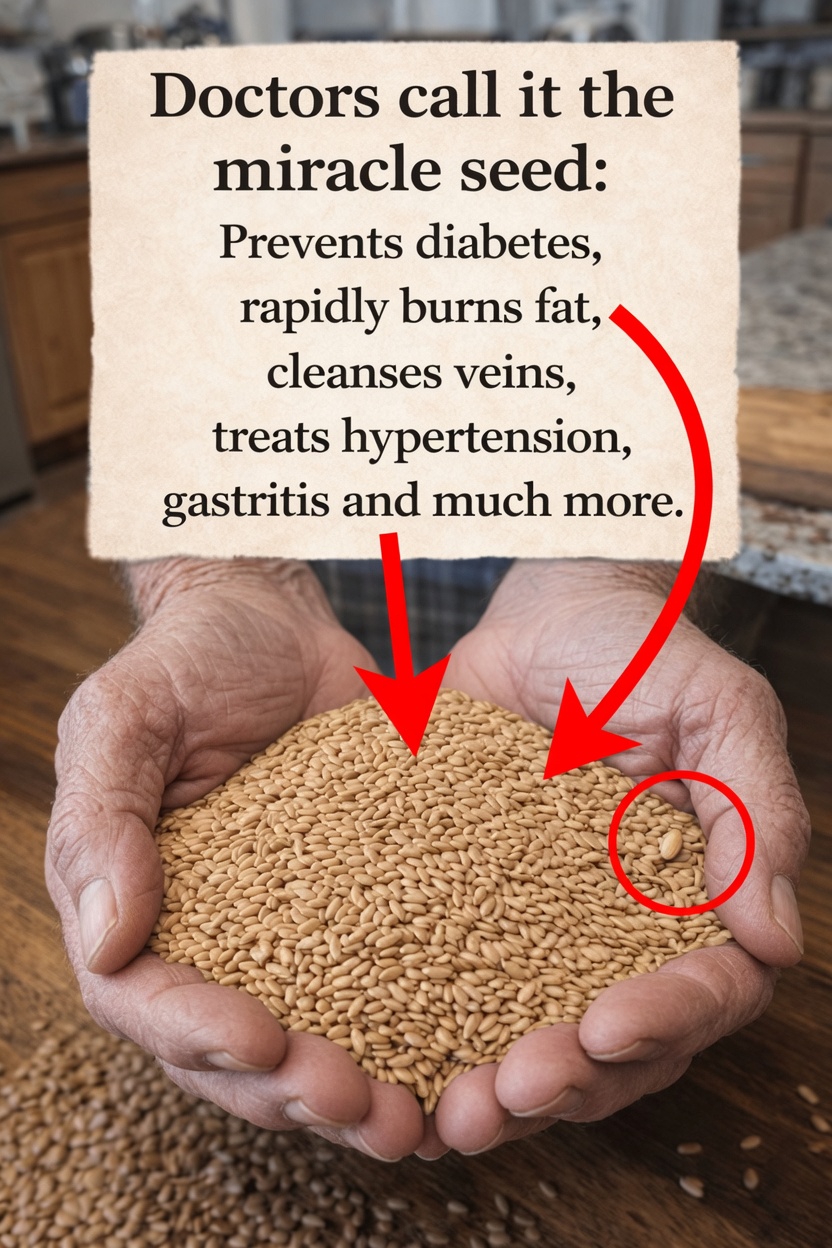
Fenugreek seeds come from Trigonella foenum-graecum, a plant traditionally grown in the Mediterranean and across parts of Asia. These small golden-brown seeds have been valued for centuries in both cooking and herbal use. Their taste is slightly bitter with warm, nutty, maple-like notes.
They are widely available in supermarkets, health food stores, and online shops, usually in whole or ground form.
What makes fenugreek especially useful is how flexible it is in the kitchen. You can steep the seeds into tea, add them to savory dishes, or blend them into powders and spice mixes. According to research cited by organizations such as the National Institutes of Health, fenugreek contains naturally occurring compounds including soluble fiber and saponins that may help support normal body functions.
Unlike many specialty herbs, fenugreek is budget-friendly and easy to use without any special tools or complicated preparation.
Nutritional Profile of Fenugreek Seeds
Looking at the nutrition inside fenugreek seeds helps explain why they are often included in balanced eating plans. Just 1 tablespoon, or about 11 grams, delivers a useful mix of nutrients while staying relatively low in calories.
Key nutrients in 1 tablespoon of fenugreek seeds
- Calories: about 35
- Fiber: up to 3 grams
- Protein: around 3 grams
- Iron: roughly 20% of daily needs
- Other nutrients: magnesium, manganese, and small amounts of vitamin B6
Research published in the Journal of Medicinal Food suggests that fenugreek’s high fiber content may help increase fullness after eating. This may be one reason it is often included in meal plans designed to support better appetite control and steady energy.
Fenugreek vs. chia and flax seeds
| Nutrient | Fenugreek Seeds | Chia Seeds | Flax Seeds |
|---|---|---|---|
| Calories | 35 | 60 | 55 |
| Fiber (g) | 3 | 5 | 3 |
| Protein (g) | 3 | 2 | 2 |
| Iron (% DV) | 20% | 12% | 8% |
| Flavor | Nutty, maple-like | Mild | Earthy |
Fenugreek compares well with other seeds, especially when it comes to iron content.
How Fenugreek Seeds May Support Wellness
Fenugreek seeds have attracted attention in research for several possible wellness benefits. One of the most discussed areas is blood sugar support. Some studies suggest that the fiber in fenugreek may help slow digestion and support more balanced blood sugar after meals. A review in Phytotherapy Research noted that people who regularly used fenugreek in their routines often reported steadier energy.
Digestive comfort is another area of interest. When soaked or mixed with water, fenugreek produces a gel-like substance called mucilage. This texture may help soothe the digestive tract and could be useful for those who occasionally experience bloating or stomach discomfort.
Researchers have also explored fenugreek’s potential role in supporting healthy cholesterol levels. This may be linked to compounds called saponins. Still, it is important to view these findings as supportive rather than guaranteed effects.
Popular ways people use fenugreek seeds
- Soak the seeds overnight to make them easier to digest
- Grind them into powder for smoothies or homemade blends
- Stir them into soups, stews, and curries for extra flavor
The best approach is to begin with a small amount and pay attention to how your body responds.
Simple Ways to Add Fenugreek Seeds to Your Diet
Using fenugreek at home does not need to be complicated. If you are trying it for the first time, start with a small serving so the flavor feels manageable.
Step-by-step guide
-
Pick high-quality seeds
Choose clean, preferably organic fenugreek seeds with no additives. -
Soak before using
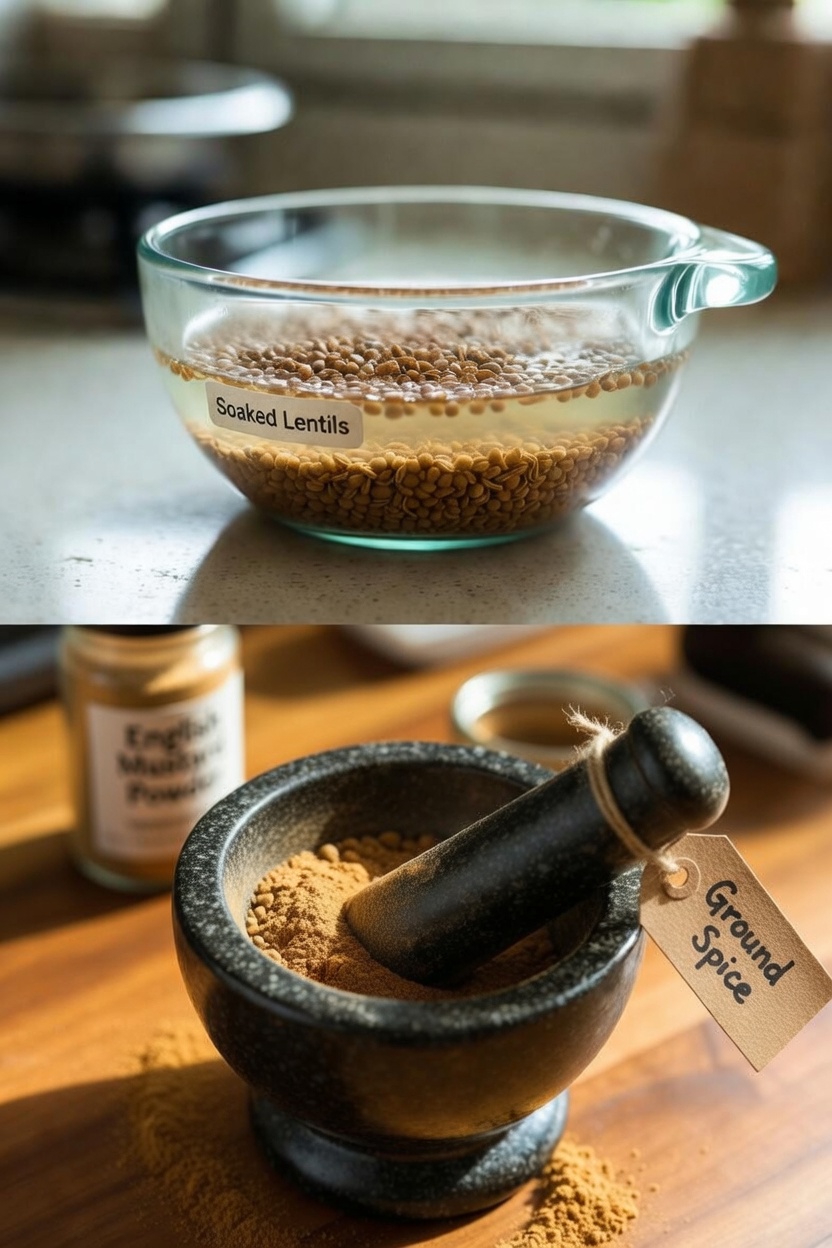
Add 1 teaspoon of seeds to water and leave them overnight. This softens the seeds and can reduce bitterness. -
Mix into breakfast
Stir the soaked seeds into yogurt, oatmeal, or porridge for an easy nutrition boost. -
Use in cooking
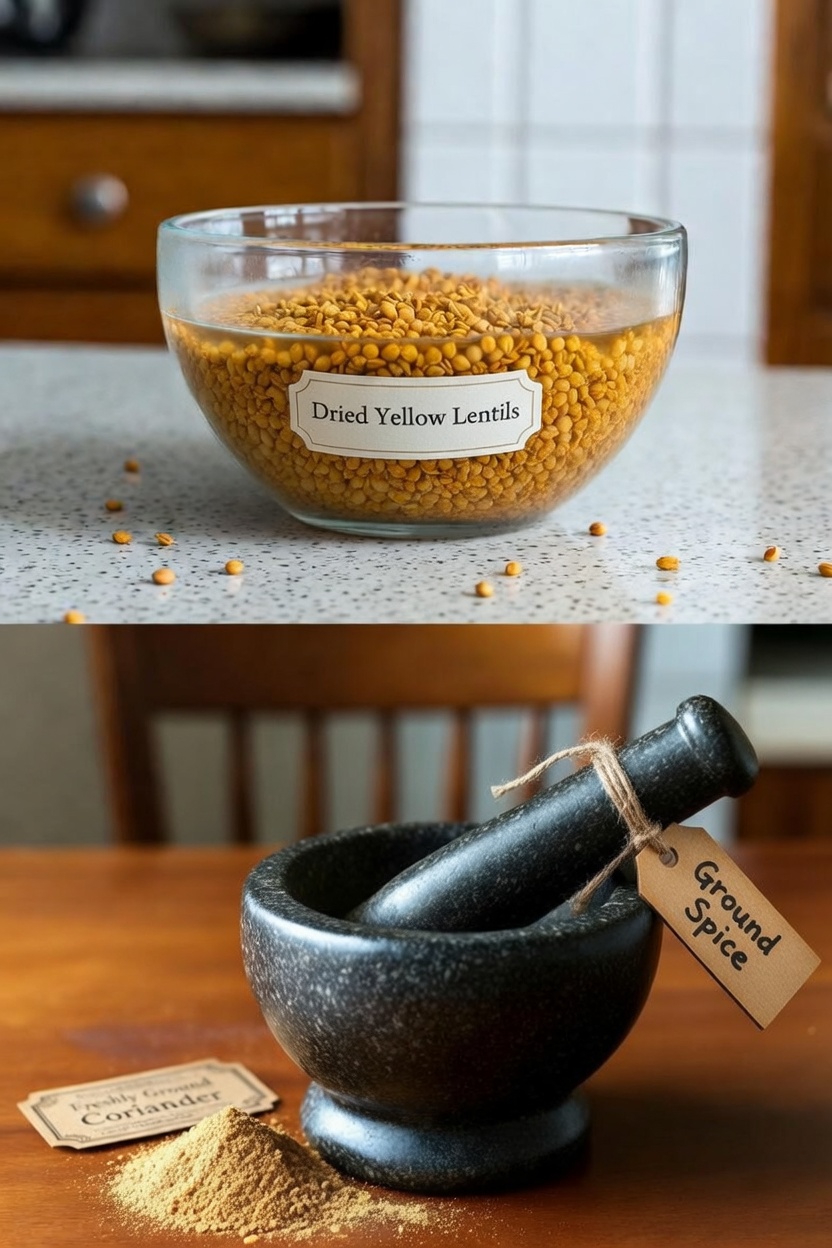
Ground fenugreek works well in curries, lentil dishes, soups, and vegetable spice mixes.
If the taste feels too strong at first, try combining it with a little honey. Research in the International Journal of Food Sciences and Nutrition suggests that pairing herbs with familiar flavors can improve acceptance and make them easier to include regularly.
Easy Fenugreek Tea for Your Morning Routine
Fenugreek tea is one of the simplest ways to use the seeds. It is warm, quick to prepare, and easy to fit into a busy schedule.
Ingredients
- 1 teaspoon fenugreek seeds
- 1 cup water
- Optional: lemon or honey
Instructions
- Lightly crush the seeds using a mortar and pestle.
- Bring the water to a boil in a small pot.
- Add the crushed seeds.
- Let the mixture simmer for 5 to 10 minutes.
- Strain into a cup and drink while warm.
This tea takes less than 15 minutes to prepare and can become a relaxing part of your morning. In wellness communities, some people say they feel more refreshed after adding it to their routine, although this is based on personal experience rather than clinical proof.
Tips for Safe and Effective Use
Fenugreek is generally considered well tolerated, but a careful start is still important. Its taste can be strong, and some people notice mild digestive changes when first using it.
If you are allergic to legumes such as peanuts, talk to a healthcare professional before trying fenugreek, since they are related. Research often uses moderate amounts, with 1 to 2 teaspoons per day being common.
Helpful tips
- Keep the seeds in a cool, dry place
- Pair them with herbs like ginger for a smoother flavor
- Notice how you feel over several days before increasing the amount
Fenugreek is most useful when it becomes a steady habit rather than something used only once in a while.
Common Myths About Fenugreek
There are plenty of exaggerated claims online, so it helps to separate hype from reality.
Myth 1: Fenugreek works instantly
Reality: If fenugreek offers benefits, they are more likely to appear gradually with regular use.
Myth 2: It is safe for everyone without limits
Reality: People taking medications or managing health conditions should check for possible interactions before adding it regularly.
A realistic, evidence-based approach is always the best one.
Final Thoughts: Making Fenugreek Part of Daily Life
Fenugreek seeds are an affordable and practical ingredient with a long history of use in both food and traditional wellness routines. Their fiber, mineral content, and versatility make them an appealing addition to balanced eating habits. When used thoughtfully, they may offer gentle support for energy, digestion, and everyday blood sugar balance.
And here is that unexpected tip: try sprouting fenugreek seeds at home. Sprouting is simple, may enhance nutrient availability, and adds a fresh, slightly crunchy texture to salads and grain bowls.
Frequently Asked Questions
What do fenugreek seeds taste like?
Fenugreek has a mildly bitter, nutty flavor with a slight maple-like aroma. Soaking or cooking the seeds can make the taste softer and easier to enjoy.
How much fenugreek should I use each day?
A good starting point is 1 teaspoon daily. Depending on your preference and tolerance, you can adjust gradually. Some studies use up to 5 grams, which is close to 1 tablespoon.
Can fenugreek be used during pregnancy?
It is generally best to avoid fenugreek during pregnancy unless a healthcare provider recommends it, as it may have effects that are not appropriate during this time.
Important Note
This article is for educational purposes only. Before making dietary changes or adding fenugreek to your routine, speak with your doctor or qualified healthcare provider, especially if you have a medical condition or take medication.