Baking Soda for Seniors: Gentle Support for Digestive Comfort and Everyday Wellness
Many older adults experience digestive discomfort from time to time, especially after eating. Heartburn, indigestion, bloating, and that familiar burning feeling in the chest can make daily life less comfortable and even interfere with sleep or meals. As the body ages, digestion may change, and stomach acid can sometimes become more troublesome. Because of this, baking soda—also called sodium bicarbonate—has long been used as a simple home remedy to temporarily reduce excess stomach acid.
This everyday kitchen staple may offer more than quick digestive relief. Some research suggests it could play a supportive role in certain areas of senior wellness when used carefully. In this article, we’ll explore evidence-based ways baking soda may benefit older adults, while keeping in mind that it should support—not replace—professional medical care. You’ll also find practical safety tips and simple ways to use it responsibly at home.
Why Baking Soda Is Popular Among Seniors
Baking soda appeals to many seniors because it is low-cost, easy to find, and simple to use. Researchers have studied how it helps buffer acidity in the body, which may become increasingly relevant with age. Some findings suggest that keeping acid levels more balanced may contribute to better comfort and possibly improved day-to-day energy.
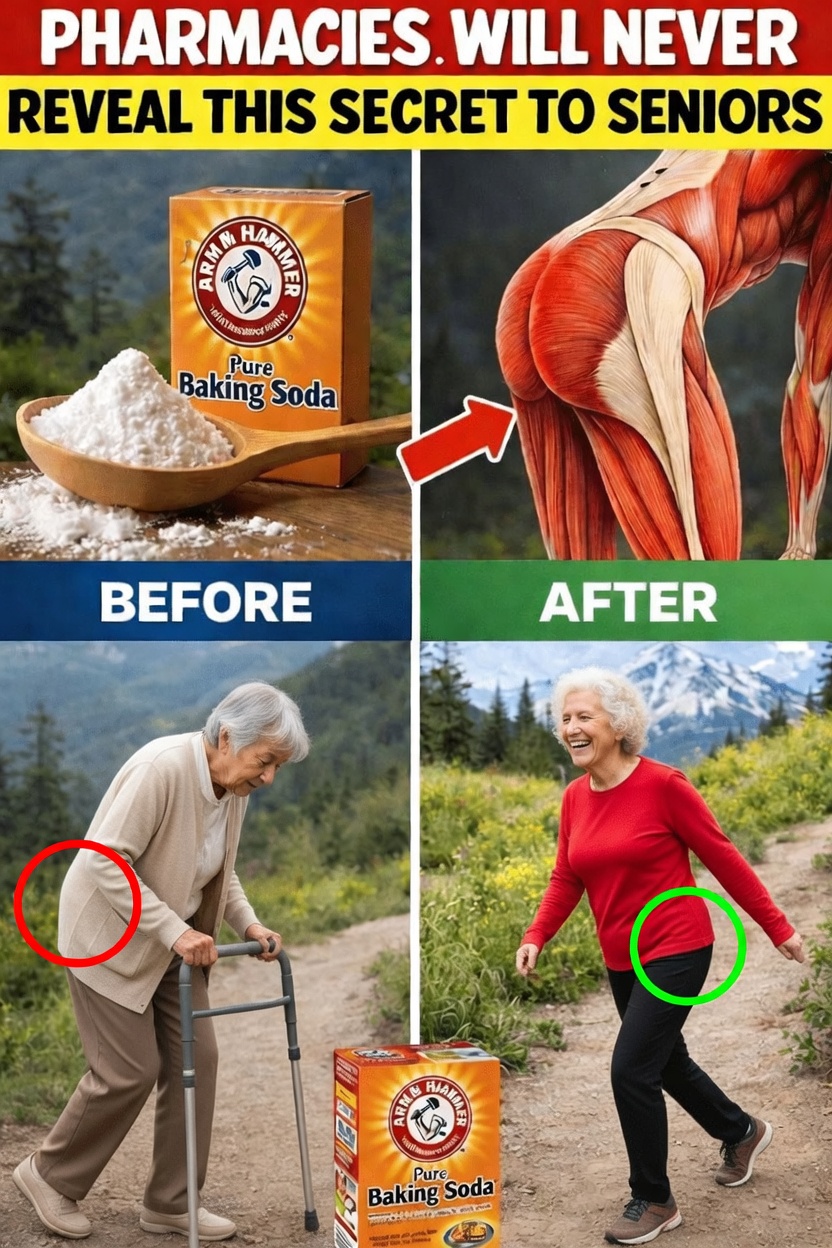
One of its best-known uses is easing occasional heartburn. Sodium bicarbonate reacts with stomach acid and forms salt, water, and carbon dioxide. This process can bring quick, short-term relief when mild symptoms appear.
How Baking Soda May Help With Digestion
Digestive issues such as acid reflux and indigestion are common in older adults. These symptoms can make eating less enjoyable and may even disturb rest at night.
In simple terms, baking soda may help by:
- Acting as a mild antacid that neutralizes excess stomach acid
- Creating a fizzing reaction that may promote burping and reduce bloating
- Offering fast relief for mild discomfort after acidic, spicy, or heavy meals
Health sources such as Healthline and WebMD note that sodium bicarbonate is a recognized ingredient in over-the-counter remedies for indigestion and heartburn.
Beyond digestion, researchers have also explored whether small daily amounts might affect inflammation. A 2018 study published in the Journal of Immunology found that a baking soda solution shifted certain immune cells toward a more anti-inflammatory response in animals and in small human groups. While this research is still early, it suggests baking soda may have broader supportive potential related to age-associated inflammation.
Possible Benefits for Muscle Function and Mobility
Maintaining strength and mobility becomes increasingly important later in life, especially for preserving independence. Some observational research has linked a higher acid load in the diet with muscle-related concerns over time.
Sodium bicarbonate has been studied for its ability to buffer acidity during exercise. Athletes have used it for years to help delay fatigue during intense physical activity. In theory, a similar buffering effect may help older adults feel more comfortable during everyday movement, such as walking, gardening, or doing light household tasks.
Still, the evidence is not fully consistent. One large study involving older adults with kidney problems did not show clear improvement in physical performance from bicarbonate supplements. This suggests that outcomes may depend heavily on a person’s overall health status.
A practical way to view this is:
- Baking soda may be more useful when combined with gentle physical activity
- It works best as part of a bigger wellness plan, including fruits, vegetables, and other alkaline-forming foods
- It should not be expected to dramatically improve strength on its own
Kidney Health: Important but Complex
Kidney-related concerns become more common with age, and in some cases, excess acidity in the body—known as metabolic acidosis—can contribute to the problem. Clinical research has shown that sodium bicarbonate may help manage mild metabolic acidosis in certain patients, which may support some markers of kidney health.
In fact, some studies suggest that carefully monitored bicarbonate use may slow disease progression in selected people with chronic kidney disease. That is one reason it is sometimes prescribed by healthcare professionals.
However, the science is mixed. Not every study has found a clear benefit, and some research in older adults has reported limited improvement along with added cost or side effects. For this reason, baking soda should only be used for kidney-related purposes under medical supervision.
Safe Ways to Use Baking Soda at Home
If you want to try baking soda, begin with a small amount and pay close attention to how your body responds. The goal is occasional support, not frequent or excessive use.
For occasional digestive relief
- Mix 1/2 teaspoon of baking soda into 4 to 8 ounces of water
- Stir until fully dissolved
- Sip slowly after a meal if needed
- Do not use it too many times in a day
- Avoid long-term use unless a healthcare provider approves it
For a low-dose wellness routine
- Dissolve 1/4 teaspoon in water once daily
- Take it with food if possible to reduce stomach irritation
- Monitor how you feel over the next one to two weeks
Other common home uses
- Use 1/2 teaspoon in water as a gentle mouth rinse for fresher breath
- Add some to bathwater for skin comfort, though evidence for this is mostly anecdotal
Safety Tips Seniors Should Know
Baking soda may seem harmless, but it still needs to be used carefully, especially in older adults.
Keep these precautions in mind:
- Do not exceed recommended amounts
- Too much sodium may affect blood pressure or fluid balance
- Avoid using it if you have high blood pressure, heart disease, or follow a low-sodium diet
- Stop using it if you experience swelling, nausea, muscle twitching, or unusual weakness
- Speak with a doctor before using it regularly, especially if you take prescription medications
What Research Really Shows
The science behind baking soda is promising in some areas, especially for neutralizing stomach acid and providing short-term digestive relief. It is recognized by the FDA for indigestion-related use, but that does not mean it can solve broader health problems.
Research on inflammation and kidney support is interesting, but much of it remains limited, preliminary, or mixed. Larger studies sometimes show little benefit, particularly among seniors with specific medical conditions.
The most realistic conclusion is that baking soda can be a useful tool in a healthy lifestyle, but it is not a cure-all. It works best alongside:
- A balanced diet
- Regular physical activity
- Good hydration
- Routine medical checkups
Conclusion: A Simple Option for Senior Comfort
Baking soda can be an affordable and accessible way for seniors to manage occasional digestive discomfort and improve daily comfort. When used in moderation and with proper awareness, it may fit well into a simple wellness routine. For best results, pair it with nutritious meals, enough water, and regular movement.
Most importantly, always follow medical advice that matches your personal health needs.
Frequently Asked Questions
Is baking soda safe for seniors to use every day?
Small amounts may be helpful for occasional relief, but regular daily use should be discussed with a doctor. Its sodium content and possible effects on blood pressure and electrolyte balance make long-term use something to approach cautiously.
Can baking soda replace antacid medicine?
It may offer similar short-term relief for mild heartburn or indigestion. However, people with frequent symptoms may need a more appropriate over-the-counter or prescription treatment. A doctor or pharmacist can help determine the best option.
What side effects should seniors watch for?
Mild side effects can include gas, bloating, or stomach discomfort. More serious symptoms—such as swelling, weakness, or an irregular heartbeat—mean you should stop using it and seek medical attention right away.