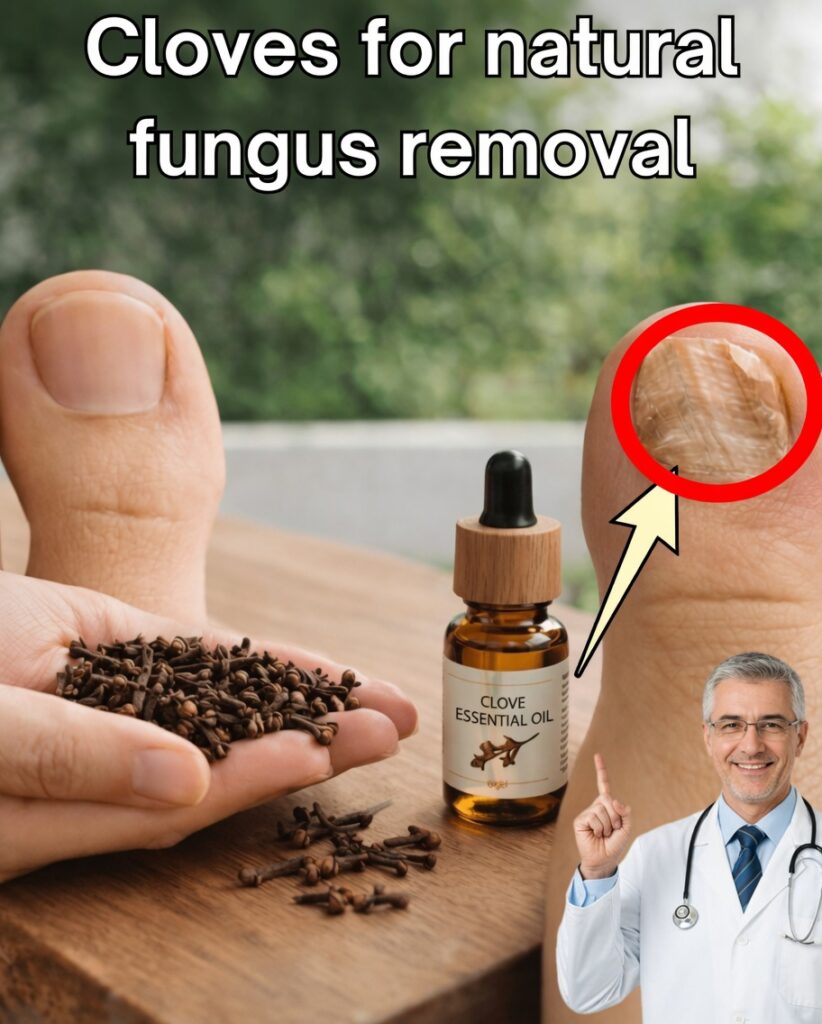
Yellow, Brittle Nails? Discover How Clove Oil May Help Fight Nail Fungus
Thick, yellowish, fragile nails can be discouraging—especially when nothing seems to change over time. Many people feel self-conscious about showing their feet or wearing open-toe shoes. What often starts subtly may progress, leading to discomfort and reduced confidence. That’s why interest in natural nail care solutions keeps growing, and clove essential oil has become one of the most talked-about options.
What makes this especially interesting is that scientific research has highlighted promising properties in clove oil—helping explain why so many people include it in their nail-care routines. Below, you’ll learn what it is, why it may work, and how to use it safely.
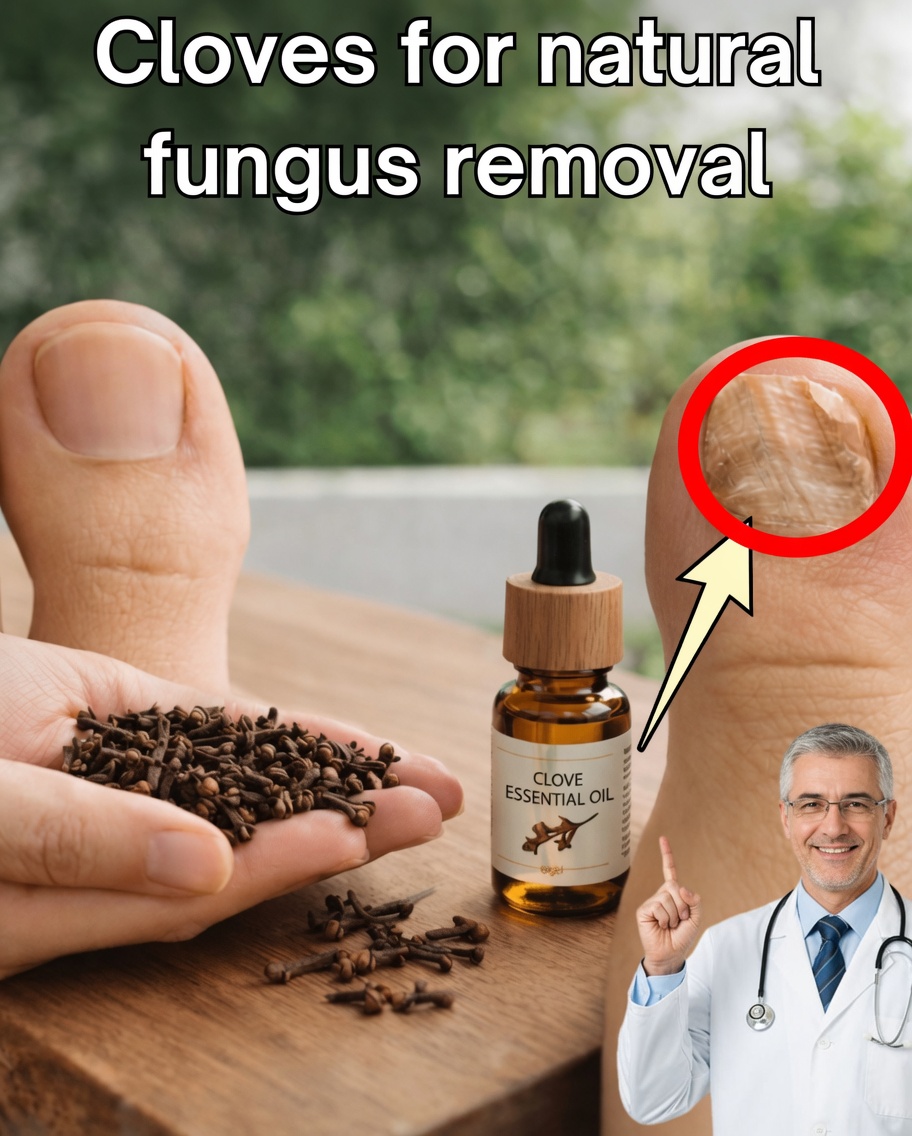
What Makes Clove Essential Oil Special for Nail Care?
Clove essential oil comes from the dried flower buds of Syzygium aromaticum. Its main active compound is eugenol, widely studied in laboratory settings for its antimicrobial potential.
Research suggests clove oil may help reduce fungal growth, including fungi commonly linked to nail problems. Eugenol appears to disrupt the fungal cell membrane, which can limit fungal spread and activity.
This matters because:
- Nails are porous and stubborn to treat, often requiring consistent, long-term care.
- Many people report visible improvements in nail appearance when clove oil is used regularly as part of a routine.
- It’s often compared to tea tree oil, another popular natural option for supporting nail and skin hygiene.
- Its warm, slightly spicy aroma can make self-care feel more pleasant and motivating.
Why Choose Natural Approaches for Nail Fungus?
Nail fungus (onychomycosis) thrives in warm, humid environments and can lead to changes such as thickening, yellow discoloration, and breakage. While conventional treatments exist, many people prefer to start with natural remedies because they are often more accessible and may be gentler when used correctly.
Even with encouraging research, natural methods usually work best as supportive care, especially when paired with strong hygiene habits and consistent application.
How to Use Clove Essential Oil Safely (Step by Step)
Clove oil is highly concentrated and should always be diluted before use. Here’s a straightforward guide:
-
Choose a high-quality oil
Look for 100% pure clove essential oil from a reputable brand. -
Dilute properly
Mix 6–8 drops of clove essential oil into 2 tablespoons of a carrier oil (such as coconut oil or olive oil). -
Prep the nail area
Wash the feet/hands and dry thoroughly. If needed, gently file the nail surface to help with contact. -
Apply precisely
Use a cotton swab to apply the mixture to the nail and surrounding skin. -
Use consistently
Apply 1–2 times daily, ideally after showering. -
Be patient
Nails grow slowly, so meaningful changes can take time.
Important safety notes
- Do a patch test on the skin before regular use.
- Never apply undiluted clove oil directly to skin or nails.
- Do not ingest clove essential oil.
- Avoid use without professional guidance if you are pregnant, have very sensitive skin, or have a history of reactions to essential oils.
- Stop immediately if you notice burning, redness, or irritation.
Daily Habits That Can Boost Results
Pairing clove oil with good foot and nail care can make a noticeable difference:
- Keep feet clean and completely dry
- Wear breathable shoes
- Change socks daily
- Trim nails straight and properly
- Avoid walking barefoot in public wet areas (pools, locker rooms, shared showers)
- Moisturize the cuticles regularly to support nail health
What Does Research Say About Clove Oil and Fungus?
Lab studies indicate that clove essential oil can inhibit multiple fungi, including dermatophytes. Eugenol is frequently identified as the key compound that may damage fungal structures, supporting clove oil’s potential role in natural nail care routines.
That said, results can vary widely depending on factors like severity, nail growth rate, and—most importantly—consistent use.
Frequently Asked Questions
Is it safe to use clove oil every day?
Yes—as long as it’s diluted correctly and your skin shows no signs of irritation.
How long does it take to see results?
Often several months, because nails grow slowly and damaged nail portions need time to grow out.
Can I combine it with other oils?
Yes. People commonly mix it with lavender oil or tea tree oil, but you should still dilute properly and patch test before regular use.
Final Thoughts
Exploring natural options like clove essential oil for nail fungus support can be a practical step for anyone looking to improve nail appearance in a gentle, budget-friendly way. With patience, consistent application, and good hygiene, many people notice gradual improvements over time.
Disclaimer: This article is for informational purposes only and does not replace medical advice. If symptoms persist, worsen, or cause pain, consult a qualified healthcare professional for proper diagnosis and treatment.