Baking Soda for Skin: Can This Kitchen Staple Help Smooth the Look of Aging Skin?
As skin gets older, many people begin to notice fine lines, rougher texture, and a loss of that naturally fresh appearance. These changes often show up first around the eyes, forehead, and hands. Sun exposure, declining collagen levels, and everyday environmental stress can all contribute to skin feeling less soft and looking less even over time.
It’s easy to feel discouraged when your usual skincare habits no longer seem to deliver the same glow. And while no ingredient can completely transform skin overnight, many people become curious about simple, natural options that may help support smoother-looking skin. One of the most talked-about household ingredients is baking soda.
Could something from your kitchen cabinet have a place in your skincare routine? Here’s what to know about baking soda for skin, including how it may help, where it falls short, and how to use it carefully.
What Is Baking Soda and Why Is It Mentioned in Skincare?
Baking soda, also called sodium bicarbonate, is a mildly alkaline powder commonly used in baking, household cleaning, and various DIY personal care routines. In skincare, it often comes up because of its fine, gritty texture, which can work as a physical exfoliant to remove dead skin from the surface.
That said, baking soda is not designed specifically as a skincare ingredient. Many dermatologists point out that although it may create a temporarily smoother feel through exfoliation, there is very little scientific support for major anti-aging benefits. Ingredients such as retinoids, alpha-hydroxy acids, and other clinically studied exfoliants are much better established when it comes to improving skin texture and visible aging over time.
Even so, baking soda remains a popular topic because it is inexpensive, widely available, and easy to try at home.
How Baking Soda May Help With Exfoliation
Exfoliation is a common part of many skincare routines because it helps clear away dull, dead skin cells that can build up on the surface. Once those cells are removed, skin may appear brighter and feel softer.
Baking soda works as a physical exfoliant, meaning its tiny particles manually buff the skin. Some people report that occasional use leaves their skin feeling smoother and looking fresher, at least for a short period. This effect is usually due to surface polishing rather than any deeper improvement in skin structure.
Still, caution is important. Baking soda has a pH of about 8.3, while healthy skin naturally stays in a slightly acidic range of roughly 4.5 to 5.5. That acidic balance helps protect the skin barrier. Using baking soda too often or too aggressively may upset that balance, which can lead to dryness, irritation, and increased sensitivity.
Possible Benefits Often Mentioned
Based on general expert commentary and available skincare discussions, baking soda may offer a few limited benefits in certain situations:
- Light surface cleansing: It may help lift away oil, residue, and buildup from the skin.
- Relief for minor itchiness: When used in a bath, it is sometimes recommended to help calm discomfort linked to dry skin conditions, including by organizations such as the National Eczema Association.
- Short-term smoothing: By removing dead skin cells, it may make the skin feel softer and make fine lines look slightly less noticeable right after use.
These effects are usually temporary and can vary from person to person. There is no strong clinical evidence showing that baking soda can meaningfully reduce wrinkles, improve skin firmness, or provide lasting anti-aging results.
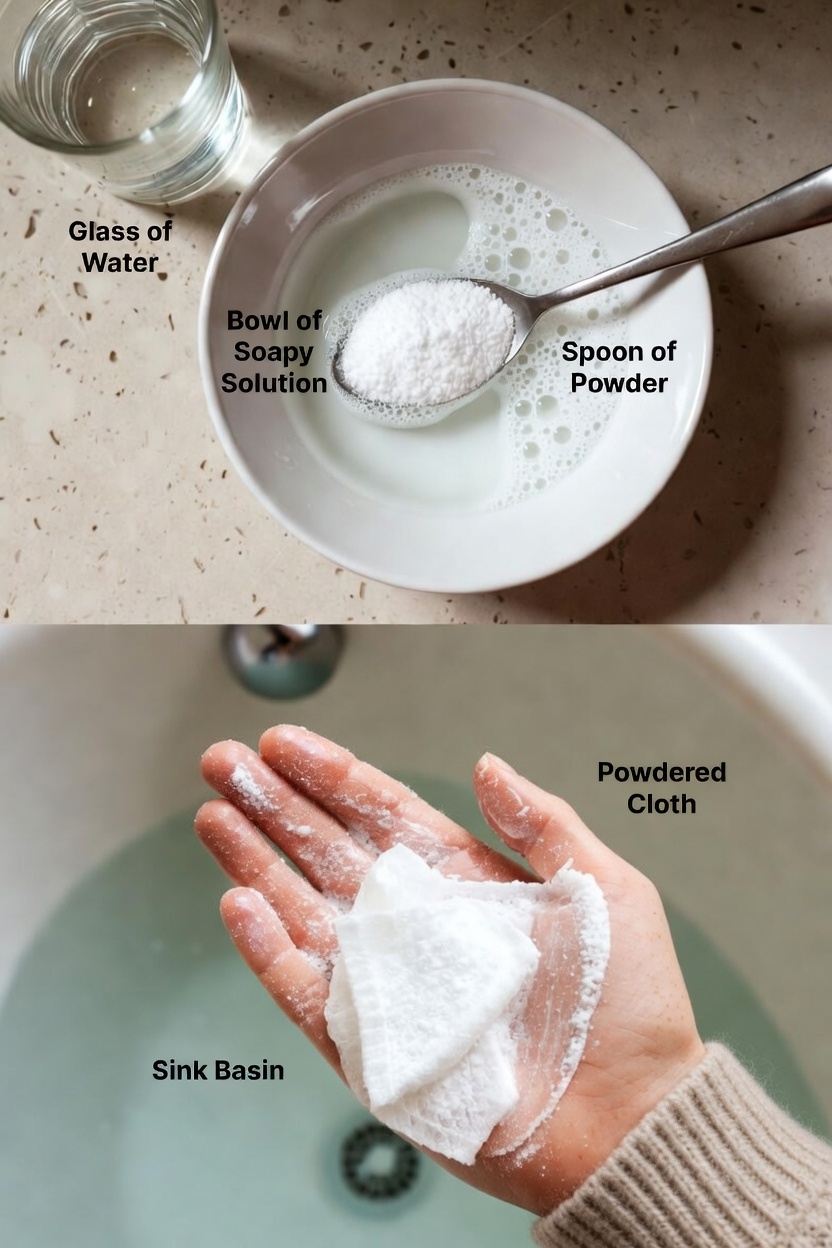
Risks of Using Baking Soda on the Skin
Although baking soda may seem harmless, many skincare professionals recommend avoiding frequent use on the face. The main concern is that its alkalinity can weaken the skin’s natural protective barrier.
Common risks include:
- Disrupting the skin’s acid mantle
- Triggering redness or dryness
- Increasing sensitivity
- Worsening irritation in already delicate skin
Over time, barrier disruption can make skin more vulnerable to environmental stress instead of helping it look healthier. This is especially important for people with sensitive, reactive, or compromised skin.
If you still want to try baking soda, it’s best to start slowly, do a patch test, and use only a very diluted amount on occasion. In many cases, gentler exfoliating ingredients such as lactic acid or enzyme-based products are safer and more effective choices.
How to Try Baking Soda More Safely
If you decide to experiment with baking soda in skincare, a cautious approach is essential. Here are simple ways it is often used more safely:
-
Begin with a bath soak
- Add about 1/4 to 1/2 cup of baking soda to warm, not hot, bathwater.
- Soak for 10 to 15 minutes to help soften skin overall.
-
Make a diluted paste for small areas
- Mix 1 teaspoon of baking soda with enough water or gentle moisturizer to create a thin paste.
-
Use a light touch
- Apply to damp skin using your fingertips.
- Massage gently in circular motions for only 30 to 60 seconds.
-
Rinse completely
- Wash the area thoroughly to remove all residue.
-
Moisturize afterward
- Follow with a hydrating moisturizer to help support the skin barrier.
-
Keep use infrequent
- Limit use to once every 1 to 2 weeks at most.
- Stop immediately if you notice stinging, redness, or discomfort.
Baking Soda vs. Other Exfoliation Options
If you compare baking soda with other exfoliating methods, it becomes easier to understand why many people prefer products made specifically for skincare.
-
Baking soda
- Affordable and easy to find
- Works as a physical scrub
- Has a high pH, which may disrupt the skin barrier
- Best used very sparingly
-
Gentle chemical exfoliants like glycolic acid
- More evidence-based for improving texture
- Often formulated at skin-friendly pH levels
- Can offer more consistent results
-
Physical scrubs with jojoba beads
- Usually gentler than harsh DIY scrubs
- Often preferred for less barrier stress
- More commonly recommended in well-formulated skincare products
This comparison shows why many people eventually move away from DIY exfoliation and toward professionally formulated skincare for more predictable, skin-friendly results.
Daily Habits That Do More for Smooth, Healthy-Looking Skin
While baking soda may offer a brief smoothing effect, the biggest improvements in skin appearance usually come from steady, everyday habits rather than one single ingredient.
For healthier-looking skin over time, focus on these proven practices:
-
Wear broad-spectrum sunscreen every day
- UV exposure is one of the biggest causes of visible aging and fine lines.
-
Keep skin hydrated
- Drink enough water and use moisturizers with humectants like hyaluronic acid.
-
Eat antioxidant-rich foods
- Berries, leafy greens, and other nutrient-dense foods can help support the skin against free radical damage.
-
Get enough sleep
- Skin naturally repairs itself during rest.
-
Choose proven skincare ingredients
- Niacinamide, peptides, and other researched actives can help improve brightness and texture more reliably.
These steps create a much stronger foundation for smoother, more radiant skin than any quick DIY trick.
Final Thoughts on Baking Soda in Skincare
Baking soda can be a low-cost, occasional option for light exfoliation when used carefully. It may help remove dead skin cells and leave skin feeling softer for a short time. However, it is not a miracle ingredient for wrinkles, firmness, or long-term anti-aging concerns.
If you are considering baking soda for skin, moderation matters. A gentle, barrier-supportive routine will usually do far more for your skin in the long run. And if you have sensitive skin or ongoing concerns about texture, irritation, or visible aging, getting advice from a dermatologist is always the safest approach.
What simple step could you start today to help your skin look smoother and more naturally radiant?
FAQ
Is baking soda safe to use on the face every day?
No. Most experts advise against daily use on the face because baking soda’s high pH can dry out the skin and cause irritation. If used at all, it should be diluted and applied only occasionally.
Can baking soda replace professional exfoliating treatments?
No. Professional treatments and evidence-based at-home exfoliants usually provide safer, gentler, and more reliable results without the same risk of damaging the skin barrier.
What should I do if baking soda irritates my skin?
Rinse it off right away, apply a soothing moisturizer, and avoid using it again. If the redness, burning, or discomfort continues, consult a dermatologist.