Pickled Red Onions for Steadier Energy and Everyday Wellness
Many people feel their energy rise and fall during the day, especially after eating, and start looking for simple kitchen habits that may help them feel more balanced. These shifts can leave you tired, distracted, or not quite yourself, making healthy routines harder to maintain. That is one reason everyday ingredients are gaining attention as practical ways to bring more variety and support to a wellness-focused lifestyle.
One standout example is pickled red onions. This colorful, tangy topping has become a favorite in home kitchens thanks to its bold taste and its possible place in a balanced diet. Better yet, it is easy to make. By the end of this article, you will have a simple homemade method plus a few useful tips for getting the best results.
What Makes Red Onions Different in Daily Cooking
Red onions offer much more than visual appeal and crisp texture. They contain naturally occurring plant compounds, including quercetin, a flavonoid that is often found in higher amounts in red onions than in some other varieties. Researchers have been interested in how these compounds may interact with the body.
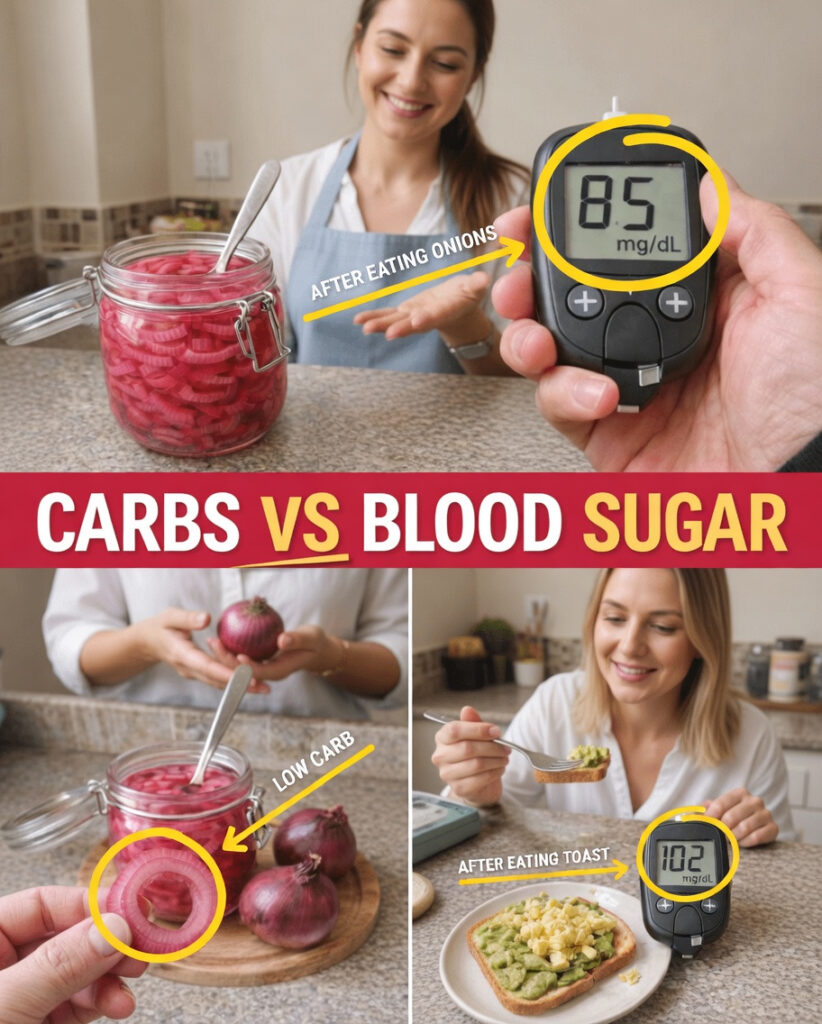
Some studies suggest that regularly eating onions may complement efforts to maintain healthy blood glucose levels when they are part of an overall balanced eating pattern. Early human research has examined fresh onion intake and observed changes in fasting blood glucose several hours later. Animal studies have also explored how onion extracts may influence metabolic markers.
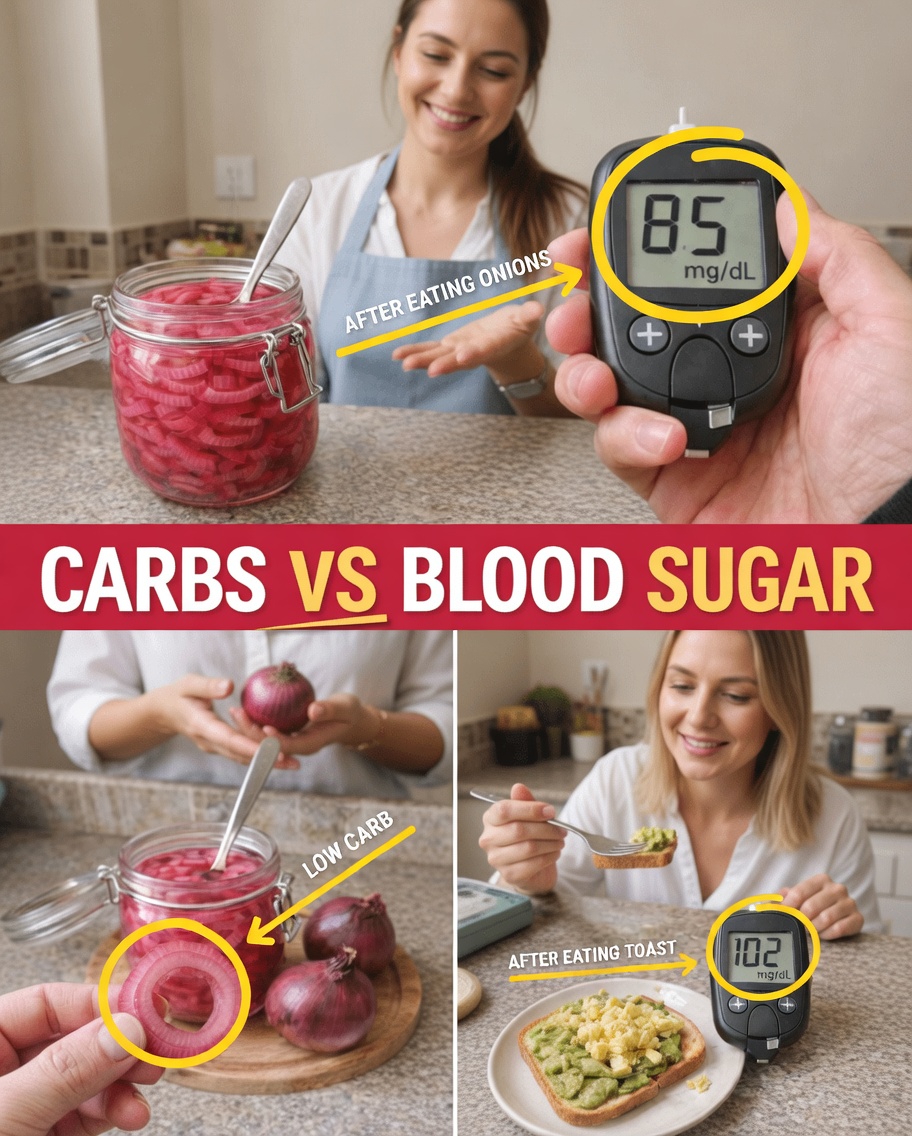
Although results are not identical across every study and more human research is still needed, onions continue to attract interest from nutrition-minded readers for good reason.
Vinegar, the main ingredient in pickling brine, adds another point of interest. Research on vinegar consumed with meals suggests it may help reduce post-meal glucose spikes in some individuals, potentially by affecting the way carbohydrates are processed. Together, red onions and vinegar create a flavorful condiment that fits easily into many meals.
Science Behind the Potential Benefits
The onion family, known scientifically as Allium cepa, has been studied for many years. Compounds such as quercetin and sulfur-containing substances have been linked in laboratory and animal research to antioxidant activity and support for metabolic function. Some reviews suggest these components may be involved in glucose metabolism and insulin sensitivity, although human responses can vary widely.
One small clinical observation found that eating roughly 100 grams of raw onion was associated with lower fasting blood glucose readings several hours later in people with type 2 diabetes. Other studies have investigated onion powder in animal models and noted effects on lipids and glucose-related measures.
Vinegar has its own body of research as well. Its acetic acid content has been examined in studies showing that, when added to carbohydrate-rich meals, vinegar may reduce the glycemic response and sometimes increase feelings of fullness. That makes pickled foods especially appealing for people who want flavorful options that align with a balanced eating plan.
Commonly Noted Advantages of Red Onions and Pickling
Some of the most frequently discussed benefits include:
- Antioxidant support: Red onions provide quercetin and other flavonoids that may help the body manage oxidative stress.
- Relatively low glycemic impact: In normal serving sizes, onions generally have a modest effect on blood sugar.
- Prebiotic potential: Onion fiber may support gut health, which is closely connected to overall metabolic wellness.
- Longer fridge life: Pickling helps onions last longer while adding bold flavor without many extra calories.
These points are based on general nutrition data and research trends, but personal outcomes will always depend on factors such as diet quality, exercise, stress, sleep, and individual health needs.
Why Pickling Works So Well
When red onions are soaked in a vinegar brine, their sharp bite softens and their flavor becomes brighter and more balanced. The result is a quick, no-cook condiment that feels less intense than raw onion while still delivering crunch and character.
This combination may offer a two-part benefit: the plant compounds naturally present in onions plus the meal-time effects associated with vinegar. No single food will transform your health overnight, but pickled red onions can be a smart addition to meals built around steady energy and balanced nutrition.
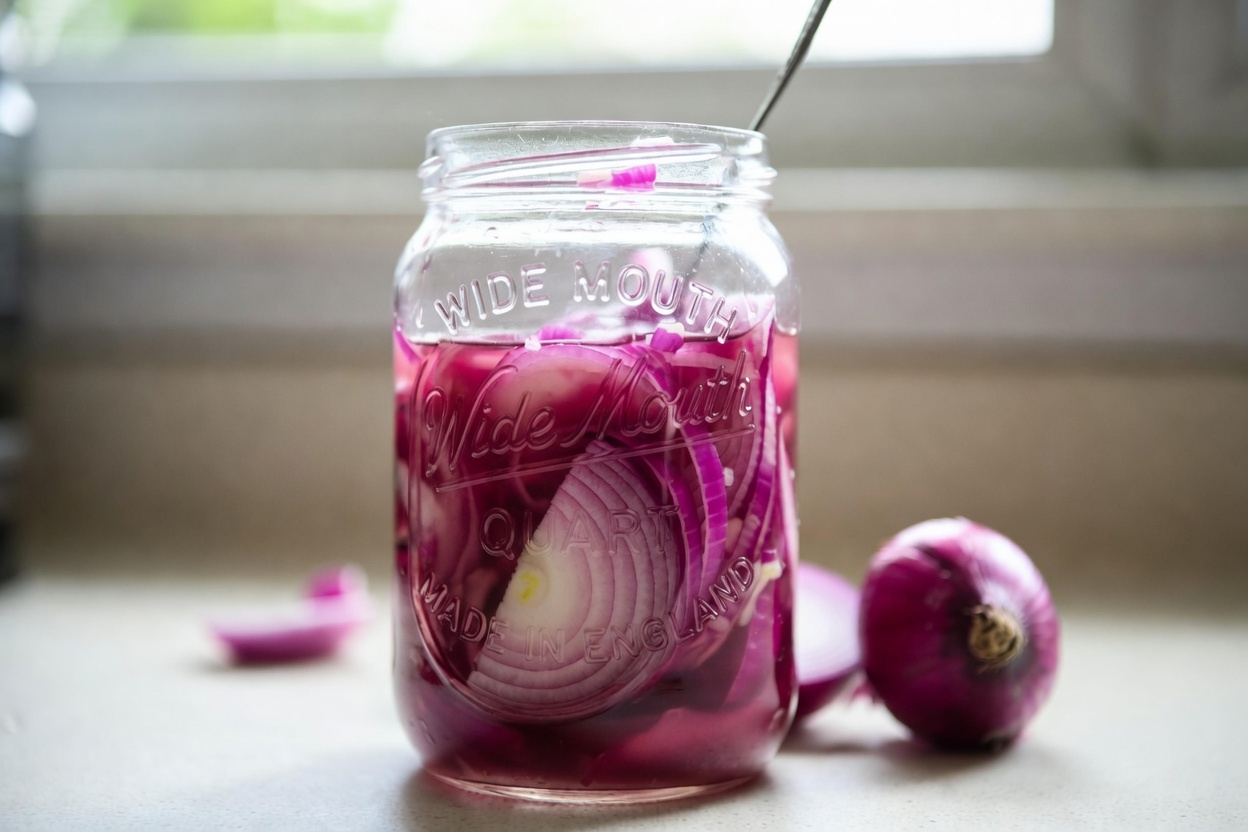
How to Make Pickled Red Onions at Home
This recipe is simple, fast, and made with ingredients many people already have in the kitchen.
Ingredients
- 2 to 3 medium red onions
- 1 cup apple cider vinegar or white vinegar
- 1 cup water
- 1 to 2 teaspoons salt
- Optional: black peppercorns, garlic cloves, or a pinch of red pepper flakes
If you want to keep the recipe lighter, skip added sugar.
Instructions
-
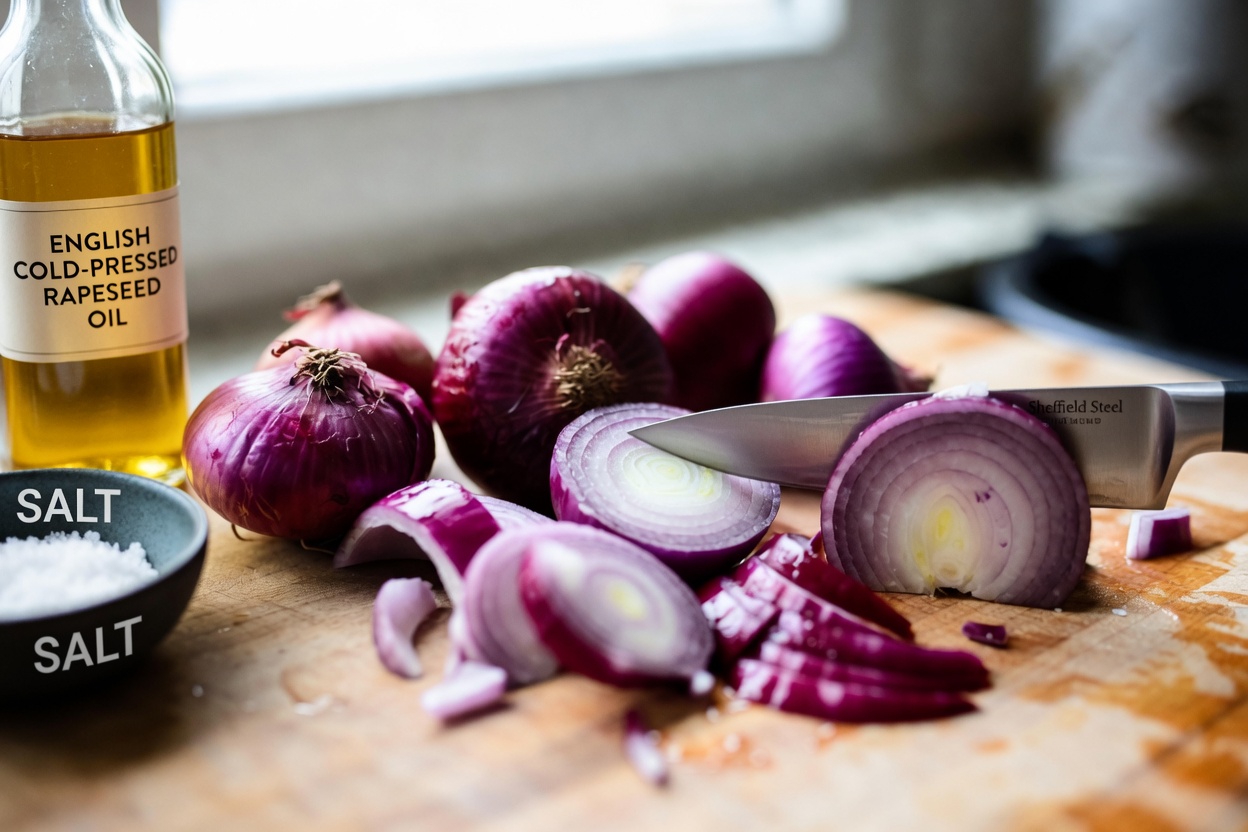
Slice the onions
- Peel the onions and cut them into thin rings or half-moons.
- Thinner slices pickle faster and usually give a more even texture.
-
Prepare the brine
- In a small saucepan, combine the vinegar, water, and salt.
- Heat gently until the salt dissolves.
- Remove from the heat and add any optional spices.
-
Fill the jars
- Place the sliced onions into clean glass jars.
- Pour the warm brine over the onions until they are fully covered.
- Press them down lightly with a spoon if needed.
-
Cool and refrigerate
- Let the jars cool to room temperature.
- Seal and refrigerate.
When They Are Ready
- You can start eating them after about 30 minutes
- The flavor becomes deeper after several hours or overnight
- Most homemade pickled red onions stay fresh in the refrigerator for 2 to 3 weeks
The finished onions turn a vivid pink and can instantly brighten salads, sandwiches, tacos, grain bowls, or egg dishes.
Tips for Better Texture and Flavor
For the best batch, keep these tips in mind:
- Choose fresh, firm red onions for more crunch
- Try different vinegars to adjust the flavor
- Use apple cider vinegar if you want a slightly softer, subtly sweet taste
- Make a small batch first to find your preferred tang level
- Store them only in clean jars to help them last longer
Easy Ways to Use Pickled Red Onions Every Day
Adding pickled red onions to meals is one of the easiest ways to upgrade everyday food. Here are a few ideas:
- Spoon them over avocado toast or hummus
- Toss them into green salads or coleslaw
- Add them to grilled chicken, fish, or roasted vegetables
- Mix a little into tuna salad or egg salad
- Use them to top soups, stews, tacos, and rice bowls
Many people find that the bright acidity makes meals feel more interesting and satisfying, which may support more mindful eating habits. Because the recipe is generally low in calories and carbohydrates, it pairs well with protein, healthy fats, and high-fiber foods.
How They Compare With Other Condiments
Pickled red onions stand out because they are quick to make, highly versatile, and easy to store. Here is how they compare with other common toppings:
-
Pickled red onions
- Tangy, colorful, low in carbs
- Made with just a few ingredients
- May offer benefits linked to both onions and vinegar
-
Sweet pickles
- Often contain more added sugar
- Much sweeter flavor profile
-
Sauerkraut or kimchi
- Fermented rather than quick-pickled
- Different taste and texture
- Often chosen for probiotic content
-
Fresh salsa
- Bright and fresh
- Usually has a shorter shelf life
Another important distinction is timing. Vinegar-based foods eaten with or before carbohydrate-heavy meals have been studied for their effect on post-meal glucose response, while onion compounds may offer broader antioxidant support when included regularly over time.
Important Things to Keep in Mind
Even though pickled red onions can be a smart addition to meals, they work best as part of a full lifestyle approach. Consistent movement, stress control, quality sleep, hydration, and a generally balanced diet all play a much bigger role in long-term wellness than any single ingredient.
A few practical considerations:
- If you are sensitive to acidic foods, vinegar-heavy recipes may not feel comfortable
- People following sodium-restricted diets should watch the salt content
- If you have a health condition or take medication that affects blood sugar, it is best to speak with a qualified healthcare professional before relying on food strategies alone
A Simple Condiment With Real Everyday Appeal
Pickled red onions are popular for good reason. They are inexpensive, easy to prepare, full of flavor, and backed by ingredients that have attracted scientific interest for their possible metabolic and antioxidant benefits. While they are not a miracle food, they can be a useful and enjoyable part of meals designed to support steadier energy and better overall eating habits.
If you want a quick kitchen upgrade that adds color, crunch, and bright flavor, homemade pickled red onions are a simple place to start.