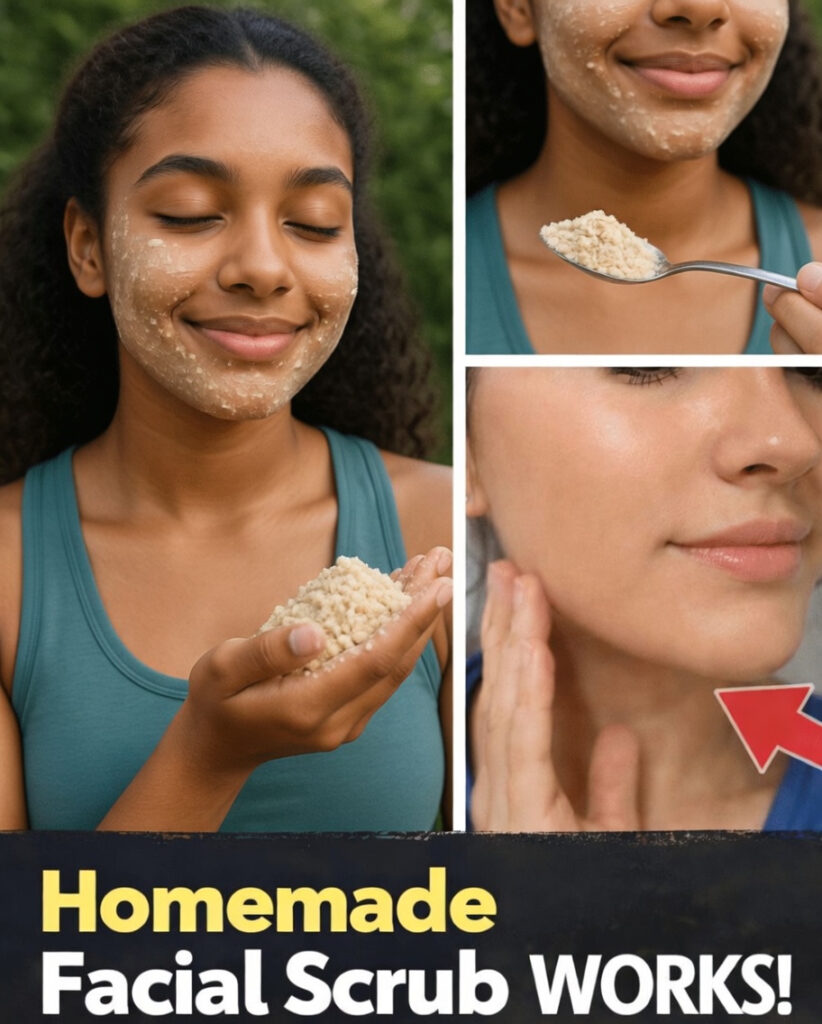
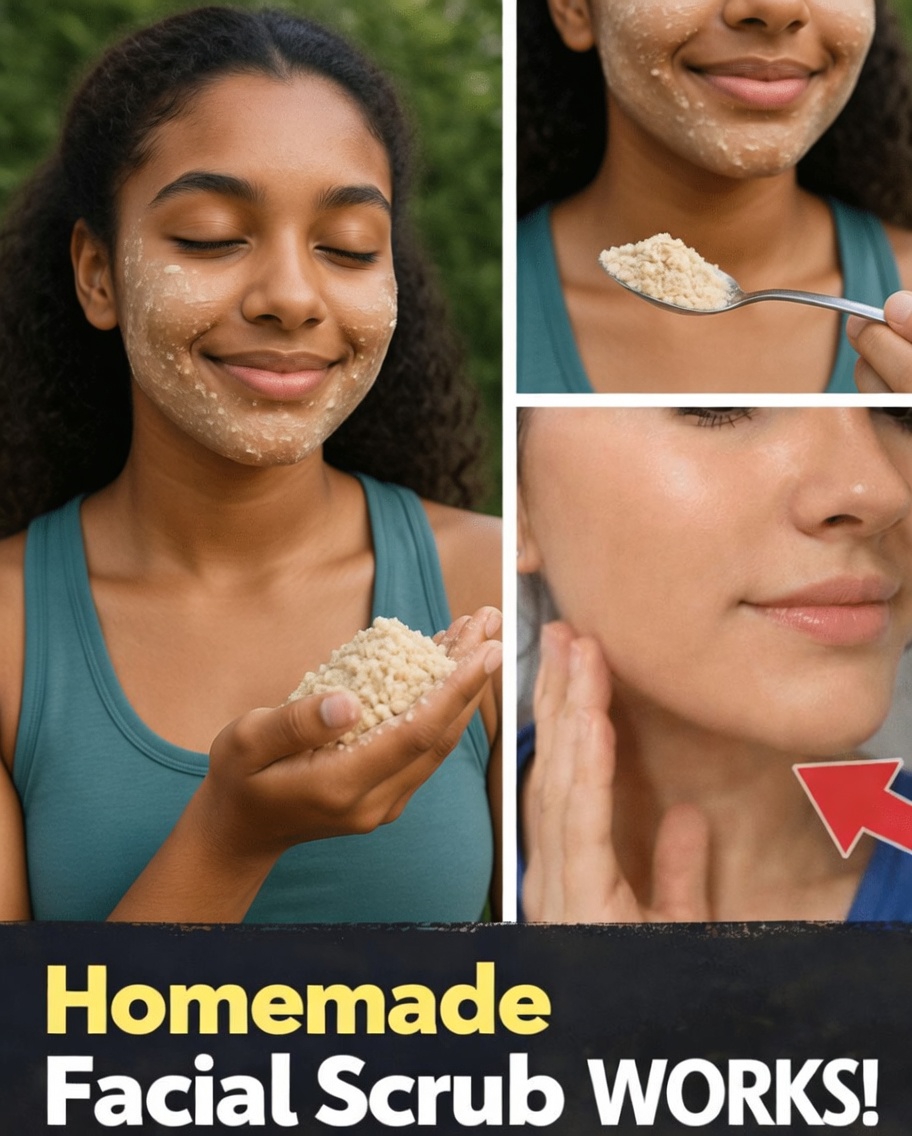
A Simple Yogurt and Yeast Face Mask for Smoother, Healthier-Looking Skin
As skin matures, fine lines, rougher texture, and a loss of softness often become more noticeable. It can be discouraging when a regular skin care routine no longer seems to deliver the fresh, smooth look you want. Because of this, many people turn to gentle DIY options made from everyday ingredients that can hydrate and nourish the skin without relying on aggressive chemicals.
Among the most talked-about natural skin care ingredients are yogurt and yeast. Both have become popular in home beauty routines because they may help support softer, more balanced, and more radiant-looking skin when used consistently.
A simple blend of these two pantry staples can easily fit into a weekly self-care routine. Below, you’ll learn why this combination attracts so much interest, what research suggests, how to make a basic mask at home, and what kind of results you can realistically expect over time.
Why Yogurt and Yeast Are Commonly Used in DIY Skin Care
Yogurt is valued for its content of lactic acid, a naturally occurring alpha hydroxy acid (AHA) found in fermented dairy. According to information cited by sources such as Healthline, lactic acid may help improve skin texture by loosening and removing dead cells from the skin’s surface in a gentle way. Yogurt also contains proteins and probiotics that may support the skin barrier, helping the skin feel more moisturized, smooth, and comfortable.
Yeast is another ingredient that gets attention in natural beauty routines. Types such as active dry yeast and nutritional yeast provide B vitamins, amino acids, and other beneficial compounds. Some research on fermented yeast extracts suggests that they may help support collagen activity and provide antioxidant benefits, which can contribute to skin that looks firmer and more resilient.
When used together, yogurt and yeast create a simple mask that combines moisture support with nutrient-rich care. Yogurt helps soften and hydrate, while yeast adds elements that may promote a healthier overall appearance.
That said, it is important to stay realistic. Social media often promotes instant, dramatic results, but healthier-looking skin usually comes from steady, gentle use over time, not from one quick treatment.
What Research Says About Yogurt and Yeast for Skin
There is some encouraging, though limited, scientific support for applying fermented dairy products like yogurt to the skin. A systematic review examining fermented dairy in topical use found possible benefits for skin hydration and overall skin condition. Research on lactic acid also suggests that it may improve elasticity and reduce the look of fine lines by helping the skin retain moisture more effectively.
Studies involving yeast-derived cosmetic ingredients have also shown promising effects. Fermented yeast filtrates appear in some skin care research linked to collagen support and protection against oxidative stress. In one clinical evaluation, masks containing yeast-based ingredients were associated with visible improvements in wrinkle appearance and skin firmness after regular use.
Still, these studies are often performed in controlled settings using refined cosmetic extracts rather than plain yeast from the kitchen. Even so, they help explain why many people are interested in trying a simple homemade version.
Benefits You May Notice with Regular Use
A yogurt and yeast mask may become a helpful part of a broader skin care routine. If used consistently and gently, it may offer the following benefits:
- Better hydration: Yogurt can help the skin feel less dry and more comfortably moisturized.
- Mild exfoliation: Lactic acid may remove dull surface buildup, leaving the skin looking fresher.
- Nutrient support: B vitamins and amino acids from yeast may contribute to improved skin texture and vitality.
- Softer skin feel: This combination can leave normal to dry skin types feeling smoother and calmer.
- A temporary glow: Many people notice a more refreshed look shortly after washing the mask off.
It is best to keep expectations balanced. Most of these effects become more noticeable after several weeks of regular use, rather than after a single application.
How to Make a Yogurt and Yeast Face Mask at Home
This beginner-friendly recipe is easy to prepare and use. Before applying it to your face, always do a patch test on the inside of your arm to make sure your skin does not react badly.
Ingredients
- 1 tablespoon plain, unsweetened yogurt
- Greek or regular yogurt both work
- Full-fat yogurt gives a creamier texture
- 1 teaspoon active dry yeast or nutritional yeast
- Powdered or fresh forms can be used
- Optional: 1 teaspoon honey
- Only if your skin tolerates it well and is not acne-prone
Step-by-Step Instructions
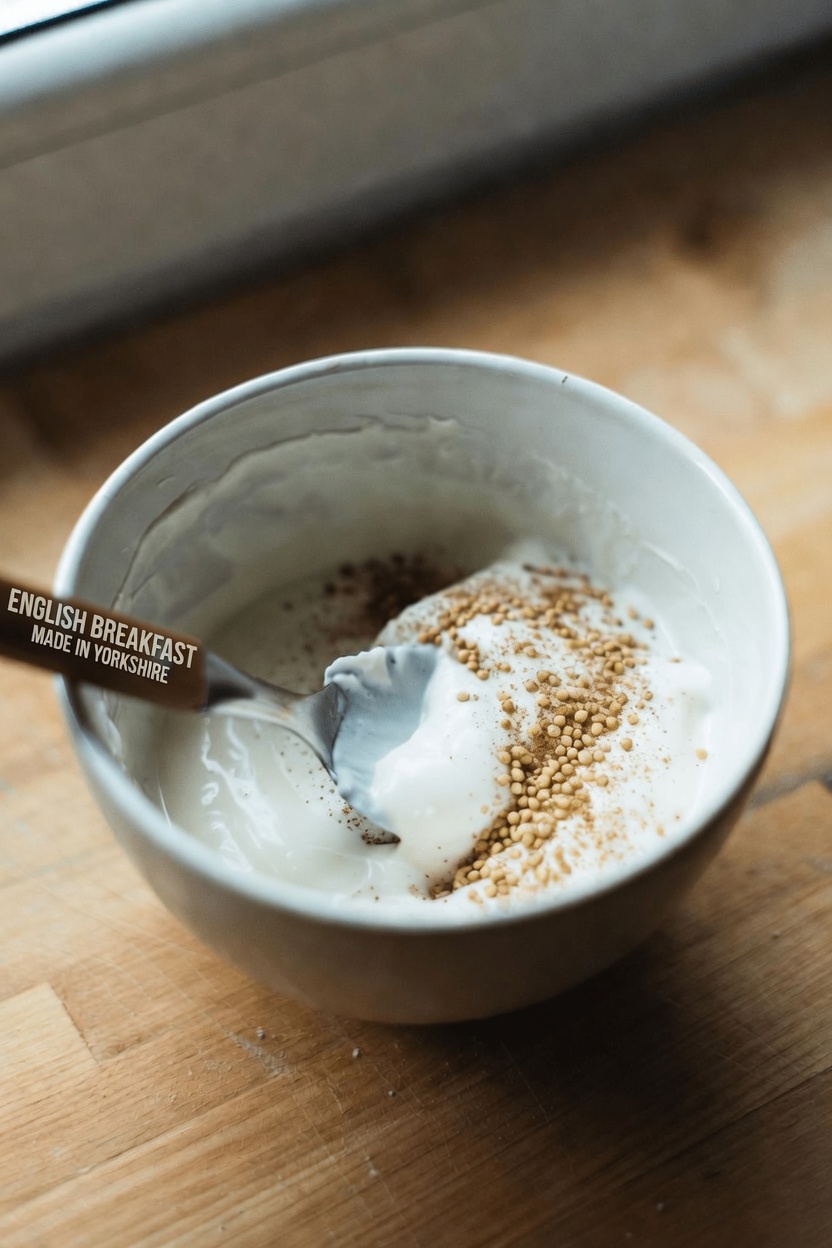
- Place the yogurt and yeast in a small bowl.
- Stir until you get a smooth paste that spreads easily.
- Let the mixture rest for 5 to 10 minutes so the yeast can activate slightly.
- If you want to add honey, mix it in after the resting time.
- Wash your face with a gentle cleanser and pat the skin dry.
- Apply the mask evenly, avoiding the eyes and the immediate eye area.
- Leave it on for 10 to 15 minutes. A mild tingling sensation can happen because of the lactic acid.
- Rinse thoroughly with lukewarm water.
- Finish with your regular moisturizer.
How Often to Use It
- Apply the mask 1 to 2 times per week
- Avoid daily use, as too much exfoliation may irritate the skin
Helpful tip: If your skin is sensitive, start by leaving the mask on for a shorter time and see how your skin responds.
Tips for Better Results
To get the most from this DIY treatment, keep these simple tips in mind:
- Use plain yogurt only, without sugar, flavoring, or additives
- If you have leftovers, keep them refrigerated and use within 24 hours
- Freshly made masks are always the best option
- Wear sunscreen every day, since AHAs like lactic acid can make skin more sensitive to sunlight
- Stay hydrated and eat nutrient-rich foods to support your skin from within
- If your skin is very sensitive, acne-prone, inflamed, or broken, speak with a dermatologist before trying new home treatments
Frequently Asked Questions
Is a yogurt and yeast mask good for every skin type?
Many people with normal, dry, or combination skin can use it without issues. However, those with oily or acne-prone skin may feel that yogurt is too heavy or rich. If that sounds like your skin type, test a small area first or consider trying a dairy-free option instead.
How long does it take to see results?
Some people notice softer, more hydrated skin after the first few applications. More visible improvements in texture, firmness, or the appearance of fine lines usually require 4 to 8 weeks of regular use.
Can active dry yeast be used directly from the packet?
Yes, active dry yeast can be used as it is. However, nutritional yeast is often considered gentler and may be less likely to cause bubbling or irritation. It is generally best to avoid brewer’s yeast if it has a strong smell or feels too harsh for facial use.
Final Thoughts
A homemade yogurt and yeast face mask can be an easy, low-cost, and relaxing addition to your weekly skin care routine. While it should not be expected to erase wrinkles overnight, many people find that it helps their skin feel softer, look brighter, and appear better cared for when used consistently.
The real value of this approach is its simplicity. It brings together natural ingredients in a way that feels practical, soothing, and affordable while still encouraging realistic expectations and safe use. When combined with good habits like sun protection, hydration, and balanced nutrition, this mask may help support healthier-looking skin over time.