Papaya Seeds: The Overlooked Superfood Hidden Inside Every Fruit
Papaya is widely loved for its soft texture and naturally sweet, refreshing taste. Yet while the fruit is enjoyed, its tiny black seeds are usually thrown away without much thought. That is a missed opportunity, because papaya seeds contain valuable nutrients such as fiber, antioxidants, and plant compounds that researchers are beginning to study for their possible wellness benefits.
Modern eating habits often revolve around convenience foods, and many people deal with issues like bloating, slow digestion, and low energy without realizing that small dietary changes may help. When nutrient absorption is less efficient and digestion feels heavy, overall well-being can gradually suffer.
Papaya seeds offer a simple, natural option worth considering. Early research has examined their possible effects on digestive health, liver support, and more, largely due to their enzymes and polyphenol content. If used properly and in moderation, they may become an easy addition to a healthy daily routine.

Why Papaya Seeds Stand Out
Those small dark seeds inside a papaya are much more than fruit waste. They supply a combination of dietary fiber, beneficial fats, and potent plant-based compounds.
Studies point to their antioxidant profile, including polyphenols and flavonoids, which may help the body manage everyday oxidative stress. This is one reason papaya seeds have remained important in traditional wellness practices and are now drawing scientific interest.
A key compound found in the seeds is benzyl isothiocyanate, along with digestive enzymes such as papain. These components are also responsible for the seeds’ sharp, peppery, slightly bitter flavor, often compared to black pepper or mild horseradish.
Potential Benefits of Papaya Seeds
Although larger human studies are still needed, early findings and traditional use suggest several promising ways papaya seeds may support health.
Digestive Support
Papaya seeds are naturally rich in fiber, which can help promote regular bowel movements and improve digestive comfort. They also contain papain, an enzyme that helps break down protein and may make digestion easier, especially after heavier meals.
Some small studies have explored whether papaya seeds may help with intestinal parasites in certain groups. In one study involving children, air-dried papaya seeds combined with honey were linked to significantly better parasite clearance in stool samples than the control group, with no major side effects reported.
This supports their long-standing traditional use in tropical regions, where papaya seeds have often been used to promote gut health.
Liver Health Potential
The liver plays a central role in filtering toxins and maintaining internal balance. Animal research suggests that papaya extracts, including compounds from the seeds, may help protect the liver by lowering oxidative stress and inflammation.
In studies involving toxin exposure or high-fat diets, papaya components appeared to reduce fat buildup in the liver and strengthen antioxidant defenses. While human evidence remains limited, these early results suggest papaya seeds could be part of a lifestyle focused on liver-friendly nutrition.
Weight Management and Metabolic Support
Because they contain fiber, papaya seeds may help increase fullness and reduce overeating. Research in animals fed high-fat diets has shown that papaya extracts or juice may be associated with less weight gain, reduced fat accumulation, and better lipid balance.
Papaya seeds are not a quick fix for weight loss, but they may complement a healthy eating plan and regular physical activity when used as part of a balanced diet.
Antioxidant and Anti-Inflammatory Effects
Papaya seeds contain compounds that may help neutralize free radicals produced by stress, pollution, and daily metabolic activity. Reviews of papaya’s phytochemicals also suggest anti-inflammatory potential, which may support general recovery and daily physical comfort.
Other Areas Being Studied
Researchers are also looking into papaya seeds for possible benefits related to:
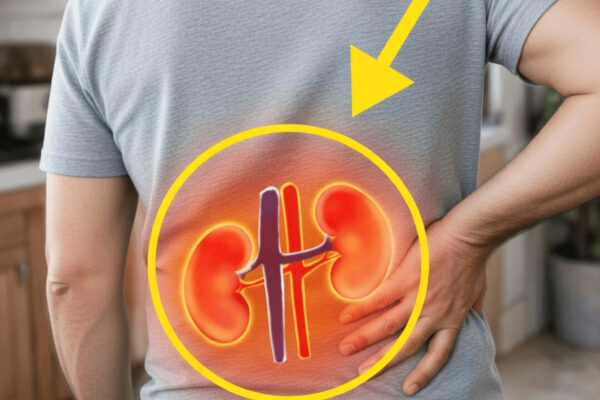
- Kidney protection
- Immune system support
- Antimicrobial activity
- Antiparasitic effects
These findings are still mostly based on laboratory or animal data, so stronger human studies are needed before any firm conclusions can be made.
How to Add Papaya Seeds to Your Diet Safely
If you want to try papaya seeds, begin with a small amount. Their strong taste can be intense at first, and eating too much too soon may upset digestion.
Simple Ways to Use Papaya Seeds
-
Use fresh seeds
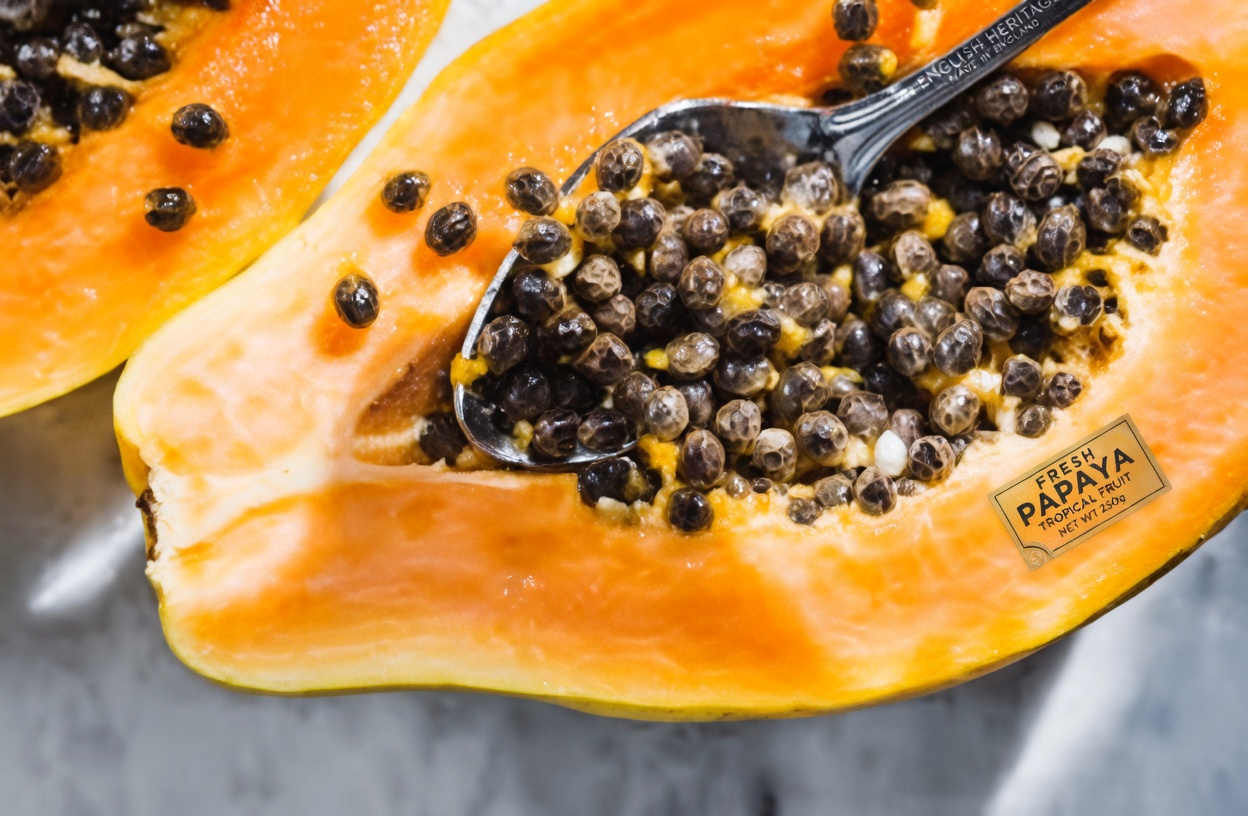
- Scoop the seeds out of a ripe papaya.
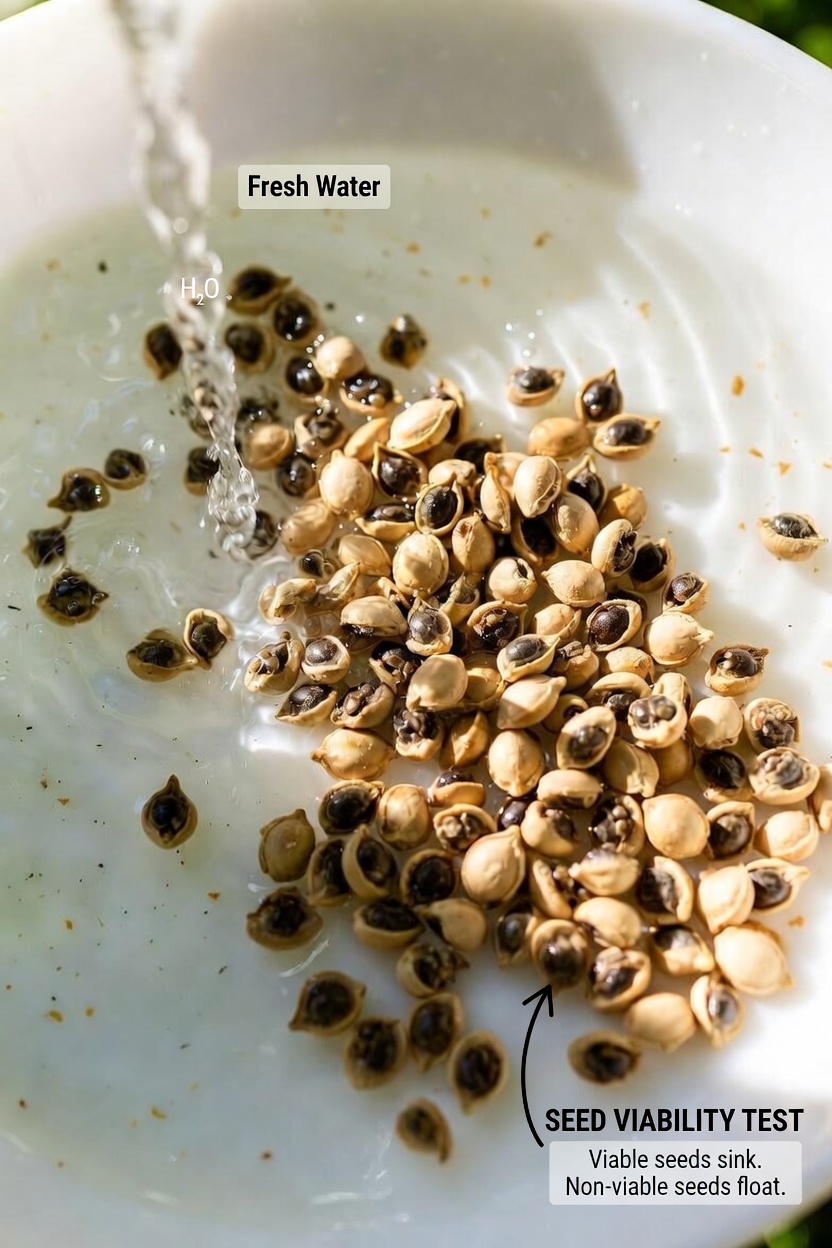
- Rinse them well to remove the slippery outer coating.
- Pat them dry before use.
-
Start small
- Begin with about 1 teaspoon, or roughly 5 to 10 seeds per day.
- This helps you see how your body reacts.
-
Try different serving methods
- Chew them raw for a quick, peppery bite.
- Mix them with honey if the taste feels too strong.
- Grind them into a powder and add to yogurt, smoothies, or salads.
- Blend them into salad dressings or warm drinks for a mild spice note.
-
Dry them for later
- Spread rinsed seeds on a plate in the sun or place them in a low-temperature oven at about 150°F until they become crisp.
- Store them in an airtight container for longer use.
-
Improve the flavor
- Pair papaya seeds with lime juice or honey to reduce bitterness and make them easier to enjoy.
The key is consistency, not excess. For most people, 1 to 2 teaspoons per day is a moderate amount.
Precautions to Keep in Mind
Papaya seeds are generally considered safe when eaten in small amounts, but too much may cause digestive issues such as stomach discomfort or loose stools because of their fiber and enzyme content.
Some people should be especially cautious, including:
- Pregnant individuals
- Breastfeeding individuals
- People with fertility concerns
- Anyone taking medication or managing a medical condition
Because some animal studies have suggested possible fertility-related effects, it is best to speak with a healthcare professional before using papaya seeds regularly in these situations. It is also wiser to choose whole-food forms over unverified supplements.
Final Thoughts
Papaya seeds are an underrated part of the fruit that deserve more attention. They are easy to access, nutrient-dense, and supported by early research for digestive health, antioxidant protection, and possible liver support.
The next time you cut open a papaya, think twice before discarding the seeds. Adding them carefully and consistently to your diet may be a small habit with meaningful benefits for everyday wellness.
FAQ
How many papaya seeds can I eat each day?
A good starting point is 5 to 10 seeds daily, which is about 1 teaspoon. This amount may help you explore their benefits while reducing the risk of digestive discomfort. You can adjust based on how well you tolerate them.
What do papaya seeds taste like?
Papaya seeds have a strong flavor that is peppery, slightly bitter, and mildly spicy. Many people prefer mixing them with honey, lime juice, or smoothies to improve the taste.
Can papaya seeds replace medical treatment?
No. Papaya seeds are a food, not a treatment or cure. While research suggests they may support general health, they should not be used instead of medical care. If you have health concerns, consult a qualified healthcare professional.