A “Weed” That May Ease Cough, Asthma, and Inflammation—And It Might Be Growing in Your Yard Right Now
In many households, plants that sprout on their own in the backyard are quickly pulled out and tossed away—dismissed as useless weeds. But what if some of these “unwanted” plants are actually packed with health-supporting potential?
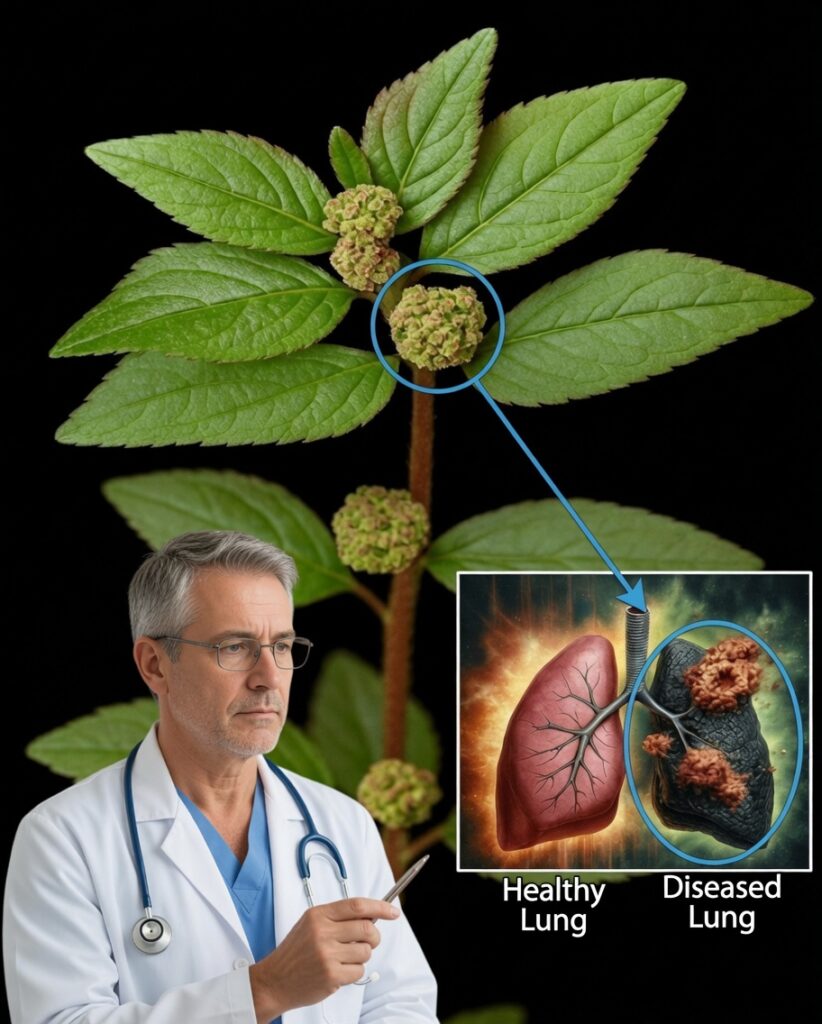
Throughout history, numerous species labeled as invasive weeds have turned out to have remarkable traditional medicinal value. One of the best-known examples is Euphorbia hirta, a small, fast-growing herb commonly found in gardens, vacant lots, and even along roadsides. Despite its modest appearance, it has been used for centuries in traditional practices across parts of Africa, Asia, and Latin America.
It’s often cited that around 80% of the world’s population still relies on traditional herbal medicine for basic healthcare needs. In that context, Euphorbia hirta—known in some regions as “asthma weed”—has built a strong reputation for its many folk uses, passed down through generations.
So why is this plant so valued in different cultures? What benefits is it traditionally associated with—and how can it be used more safely and responsibly? This article breaks down its background, key compounds, common uses, and essential precautions.
What Is Euphorbia hirta?
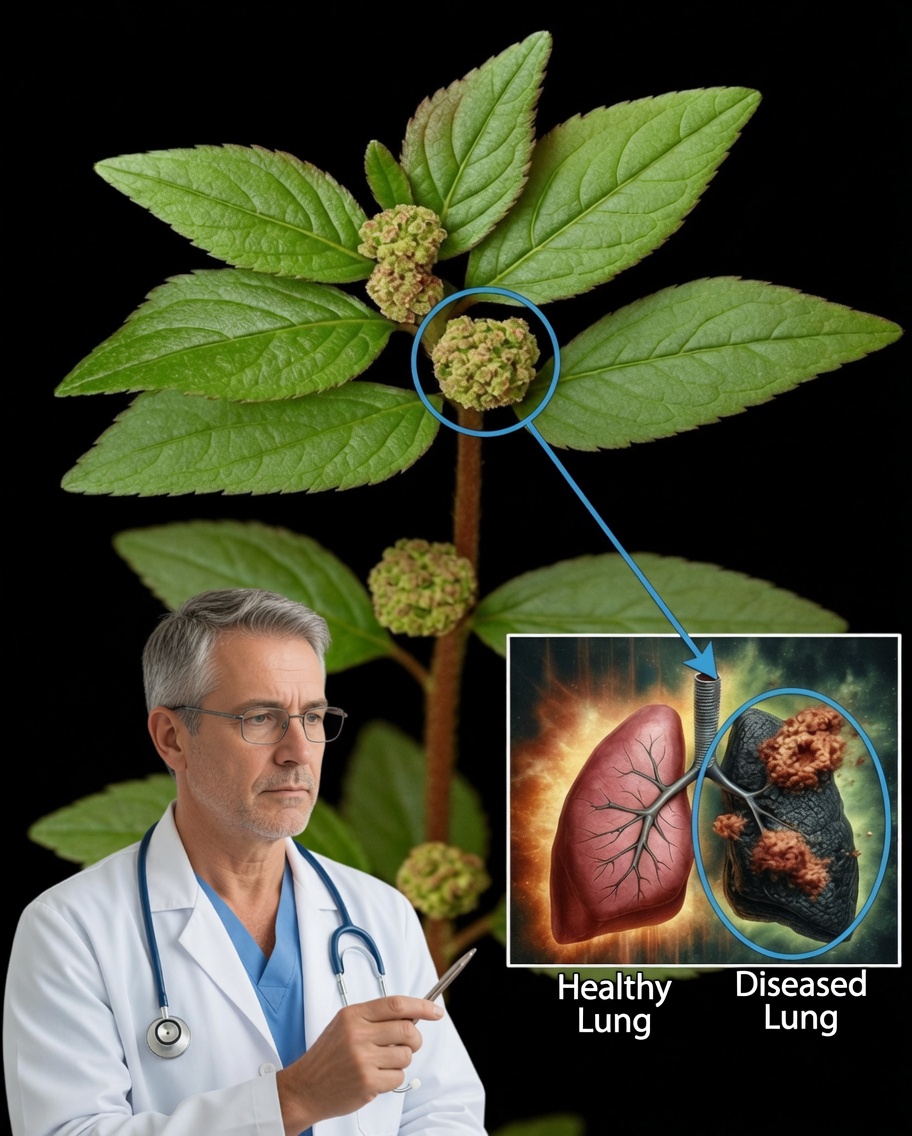
Euphorbia hirta is a small herb from the Euphorbiaceae family. It thrives in tropical and subtropical climates and is particularly known for growing well even in poor or disturbed soil.
Key Characteristics
- Appearance: small green leaves, often with reddish stems, and tiny clustered flowers
- Where it grows: gardens, roadside edges, open fields, and neglected areas
- Common names: asthma weed, snakeweed, dudhi
- Traditional uses: respiratory discomfort, digestive issues, minor infections, and skin irritation
Although it’s rarely cultivated on purpose, many communities have continued to preserve and use it due to its long-standing herbal reputation.
Nutritional Profile and Natural Compounds
Modern research has identified several bioactive compounds in Euphorbia hirta, which may help explain why it is so prominent in traditional herbal remedies:
- Flavonoids: antioxidant compounds linked to protection against oxidative damage
- Tannins: known for astringent qualities and potential antimicrobial activity
- Alkaloids: naturally occurring substances that may influence inflammatory processes
- Saponins: often associated with immune-supporting effects
- Minerals: small amounts of calcium, potassium, and magnesium
This mix of plant chemicals is one reason Euphorbia hirta continues to draw attention in herbal medicine traditions.
Traditional Uses of Euphorbia hirta
Over many generations, this plant has been used in various home preparations, depending on local customs and availability.
Respiratory Support
It is commonly prepared as a tea or decoction to help soothe cough, and to support comfort in asthma-like symptoms and bronchitis.
Digestive Wellness
In traditional practice, small amounts have been used to help with diarrhea, dysentery, and general intestinal discomfort.
Skin Applications
Crushed leaves are sometimes applied to the skin for relief from minor wounds, insect bites, or irritation.
Women’s Health
Some folk traditions use the plant in attempts to support menstrual flow regulation and reduce cramps.
Support Against Minor Infections
Various preparations and extracts have been used traditionally for mild infections, largely due to the plant’s reported antimicrobial properties.
What Does Modern Science Say?
While human clinical evidence is still limited, early research and laboratory investigations suggest several potentially promising actions:
- Anti-inflammatory potential: experimental studies indicate a possible reduction in inflammatory responses
- Antimicrobial activity: lab testing suggests effects against certain bacteria and fungi
- Respiratory effects: some findings indicate possible bronchodilator-like relaxation of bronchial muscles
- Antioxidant action: flavonoid content may help counter oxidative stress
Even so, experts emphasize that more robust clinical trials are needed before these effects can be confirmed for medical use.
How to Use It More Safely
Common Preparation Methods
-
Tea or decoction
Boil a small amount of fresh leaves in water for 5–10 minutes. Traditionally consumed in small amounts. -
Poultice (topical use)
Crush fresh leaves and apply to minor skin irritation or insect bites. -
Infused oil (topical use)
Soak leaves in a vegetable oil for several days, then use externally for skin care or gentle massage.
Important Precautions
- Wash leaves thoroughly before any use.
- Start with very small amounts to check for sensitivity or adverse reactions.
- Avoid long-term use without professional guidance.
- Pregnant or breastfeeding individuals should avoid internal use.
- If you have chronic conditions or take prescription medications, consult a qualified healthcare professional before using herbal preparations.
Conclusion
In many traditional health systems, Euphorbia hirta is seen as a small “green treasure” that can grow right in the yard. For centuries, it has been used to support respiratory comfort, digestive balance, and basic skin care.
It is not a substitute for modern medical treatment, but it offers a compelling example of how traditional knowledge—used carefully and responsibly—can contribute to everyday well-being.
Sometimes nature’s simplest remedies are closer than we think—quietly growing right outside our door.