Heavy breathing, a lingering cough, or a tight chest? This humble herb—used for centuries—may offer gentle, natural respiratory support.
Many people know the uncomfortable pressure that can show up during allergy season or after a cold. Breathing feels harder, sleep quality drops, and even basic daily tasks become exhausting. With shifting weather, air pollution, stress, and seasonal allergies affecting millions worldwide, respiratory discomfort has become increasingly common. While quick fixes may help briefly, they do not always provide lasting comfort. That is why interest continues to grow in milder, nature-based options that support wellbeing without harsh effects.
One plant often mentioned in this context is Euphorbia hirta, widely nicknamed the “asthma plant.” It may look like an ordinary weed, but it has a long track record in traditional medicine for supporting easier breathing. What makes it even more intriguing is that modern research has begun exploring why this simple herb has earned such a strong reputation.

What Is Euphorbia hirta?
Euphorbia hirta is a small, annual herb covered with fine hairs, commonly found across tropical and subtropical regions of Asia, Africa, and the Americas. It often grows in gardens, along sidewalks, and in open lots—so it is frequently dismissed as just another weed.
Key identifying features include:
- Small green leaves
- Reddish stems
- A characteristic milky white latex, typical of the Euphorbiaceae family
Depending on the country, it may be called tawa-tawa, gatas-gatas, or asthma weed/asthma plant.
Despite its modest appearance, multiple healing traditions have used Euphorbia hirta for generations—especially for respiratory support, along with digestive comfort and general balance.
Why Is It Called the “Asthma Plant”?
In traditional herbal practices, Euphorbia hirta is commonly prepared as:
- Herbal tea (infusion)
- Decoction (simmered preparation)
- A plant paste (in some local traditions)
Its best-known purpose is to ease everyday respiratory discomfort—such as occasional cough, chest tightness, and bronchial irritation.
Traditional users often claim it may help:
- Calm persistent coughing
- Reduce the sensation of chest pressure
- Promote more comfortable breathing
Beyond respiratory uses, folk medicine has also used it for mild digestive complaints, menstrual discomfort, and fatigue—showing how versatile the plant is considered in traditional wellness systems.
What Does Modern Research Say?
In recent years, researchers have started examining the natural constituents in Euphorbia hirta. Analyses commonly point to compounds such as:
- Flavonoids
- Tannins
- Sterols
- Triterpenes
Laboratory studies and animal-based models suggest these compounds may be linked with effects such as:
- Anti-inflammatory activity
- Antioxidant potential
- Possible relaxation of bronchial muscles
These findings may help explain why Euphorbia hirta has long been associated with respiratory comfort. However, it is essential to note that well-designed human clinical trials are still limited, so more research is needed before drawing firm conclusions.
Potential Benefits Observed So Far
Based on traditional use and early research, Euphorbia hirta may offer supportive effects such as:
- Respiratory comfort support
- Antioxidant protection against oxidative stress
- Potential anti-inflammatory action
- Mild digestive support
This blend of traditional credibility and emerging scientific interest is one reason the “asthma plant” continues to attract attention in natural health conversations.
How Euphorbia hirta Is Traditionally Used
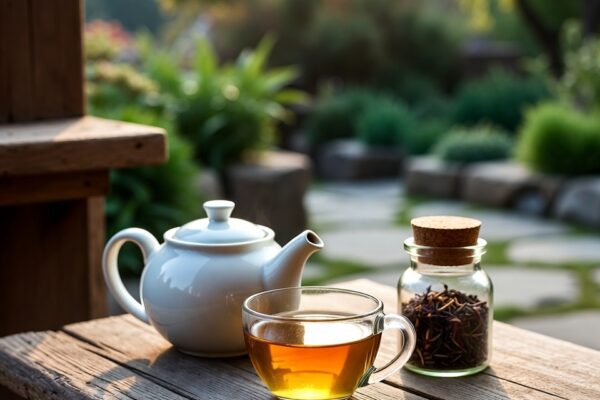
For those exploring this herb cautiously, the most common traditional approach is a simple tea.
Traditional Tea Preparation
- Use 1–2 teaspoons of dried leaves.
- Bring 1 cup of water to a boil.
- Add the herb and simmer on low heat for 5–10 minutes.
- Strain and drink warm.
In many traditions, people limit intake to 1–2 cups per day for short periods, paying close attention to how the body responds.
Some practices also crush fresh leaves for external skin application, but a small patch test is strongly recommended first due to possible irritation.
Important Safety Considerations
Even natural herbs can cause unwanted effects, especially when used incorrectly. Consider these precautions:
- Avoid use during pregnancy or breastfeeding.
- High amounts may lead to stomach irritation or nausea.
- The fresh plant’s latex may irritate sensitive skin.
- Anyone with ongoing respiratory disease should follow medical guidance and not replace prescribed treatments with herbal remedies.
Why This Plant Matters Today
As modern life increases exposure to pollution, allergens, and chronic stress, more people are seeking natural ways to complement respiratory wellness. Euphorbia hirta stands out as a compelling intersection between traditional herbal knowledge and modern scientific investigation.
It is not a substitute for medical care, but it remains under study as a potentially helpful plant for respiratory balance and general wellbeing.
Conclusion
Euphorbia hirta, often called the asthma plant, is a clear example of how a simple herb can carry centuries of traditional wisdom. Its longstanding use for respiratory comfort—paired with preliminary research into antioxidant and anti-inflammatory properties—makes it a plant worth paying attention to in the natural health space.
When used responsibly and with appropriate guidance, it may serve as a gentle addition to a broader wellbeing routine.
Disclaimer
This article is for informational purposes only and does not replace medical advice. Euphorbia hirta is not proven to diagnose, treat, cure, or prevent disease. Always consult a qualified healthcare professional before using any medicinal plant—especially if you are pregnant, breastfeeding, or taking medications.