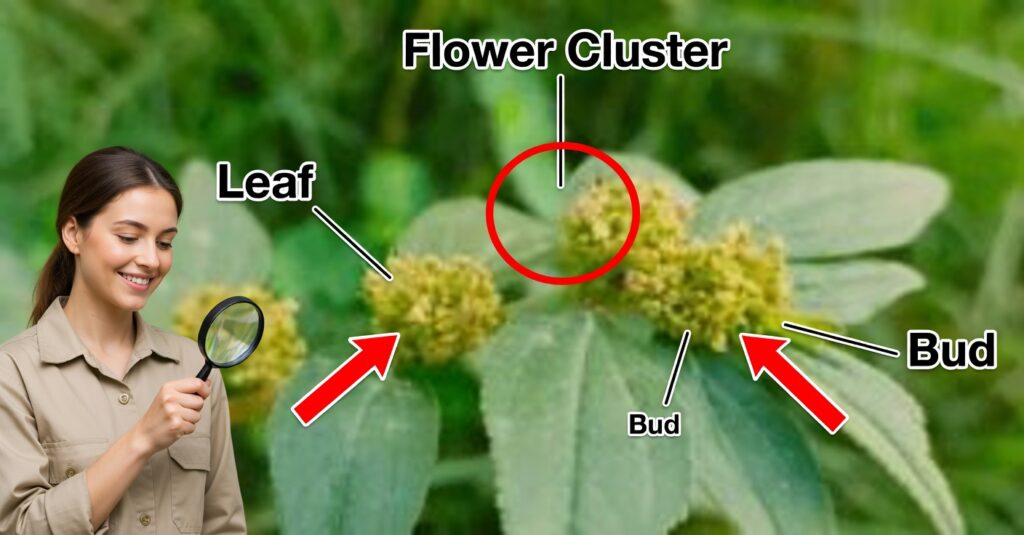
What Is Euphorbia hirta?
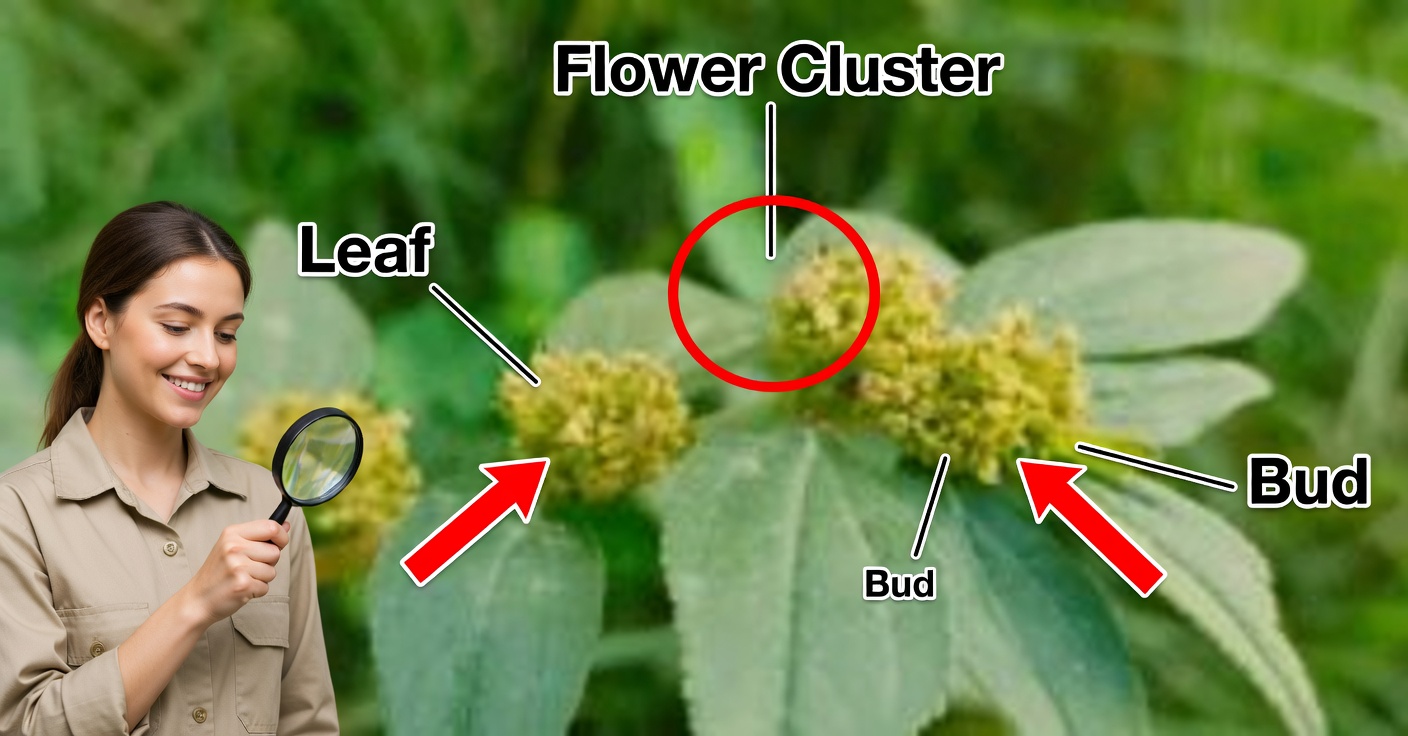
Euphorbia hirta, commonly known as asthma weed or garden spurge, is a medicinal herb widely used in traditional medicine around the world. It is well known for its therapeutic properties, especially in supporting respiratory health, healing skin problems, and treating minor wounds and infections.
This herb thrives in warm, tropical climates and is often found in vacant lots, gardens, fields, and along roadsides. Its traditional use has been documented in many cultures, particularly across Asia, Africa, and Latin America, where it has been used for centuries as a natural remedy.
In this guide, you will learn about the key health benefits of Euphorbia hirta, some lesser-known uses, and simple ways to prepare herbal infusions and tonics from this plant.
Main Benefits of Euphorbia hirta
Euphorbia hirta is a versatile medicinal plant with a broad range of potential health benefits. Below are some of its most notable properties.
1. Support for Asthma and Respiratory Issues
One of the best-known traditional uses of Euphorbia hirta is for respiratory health. The plant contains compounds that act as natural bronchodilators, helping to relax the muscles of the airways and making breathing easier.
Herbal infusions made from this plant have traditionally been used to relieve:
- Asthma
- Chronic cough
- Bronchitis
- Chest and lung congestion
2. Antibacterial and Antifungal Properties
Scientific studies suggest that Euphorbia hirta has antimicrobial activity, meaning it can help fight certain bacteria and fungi. This makes it useful for supporting the treatment and prevention of infections affecting the skin, wounds, and even the digestive system.
Extracts of Euphorbia hirta have shown potential benefits in cases of:
- Skin infections
- Infected cuts or wounds
- Fungal infections on the skin
- Bacterial digestive issues
3. Digestive Support and Relief from Diarrhea
In traditional herbal medicine, Euphorbia hirta is often used to help manage digestive disorders such as diarrhea, dysentery, and intestinal inflammation.
Its antispasmodic properties may help relax the muscles in the digestive tract, easing cramps, pain, and irritation in the intestines.
4. Anti-inflammatory Effects
Thanks to its high content of flavonoids, tannins, and other bioactive compounds, Euphorbia hirta is considered to have strong anti-inflammatory properties. This makes it a natural option for easing various types of pain and inflammation.
It is traditionally used to:
- Reduce inflammation in the joints
- Relieve muscle pain
- Support recovery from minor injuries and strains
5. Support for Breast Milk Production
In some cultures, Euphorbia hirta is used as a galactagogue—a natural remedy believed to stimulate or increase breast milk production in nursing mothers.
Although this use is based mainly on traditional practices, it is important for breastfeeding women to consult a healthcare professional before adding this plant to their diet.
6. Potential Help in Managing Diabetes
Preliminary research indicates that Euphorbia hirta may help regulate blood sugar levels, which could make it of interest for people with type 2 diabetes.
While more studies are needed, its bioactive components are thought to support improved insulin sensitivity and glucose control.
Lesser-Known Uses of Euphorbia hirta
Beyond its common applications, Euphorbia hirta has several other traditional uses that are less widely known but still valued in folk medicine:
- Removal of warts and calluses: The milky latex from the plant is sometimes applied directly to warts to help remove them naturally.
- Improved sleep: A mild infusion can have a relaxing, slightly sedative effect, which may assist with mild insomnia.
- Stress relief: Taken in small amounts, it is traditionally used to promote a sense of calm and reduce nervous tension.
How to Prepare Euphorbia hirta Infusion
Ingredients
- 1 tablespoon of dried Euphorbia hirta leaves
- 500 ml (about 2 cups) of water
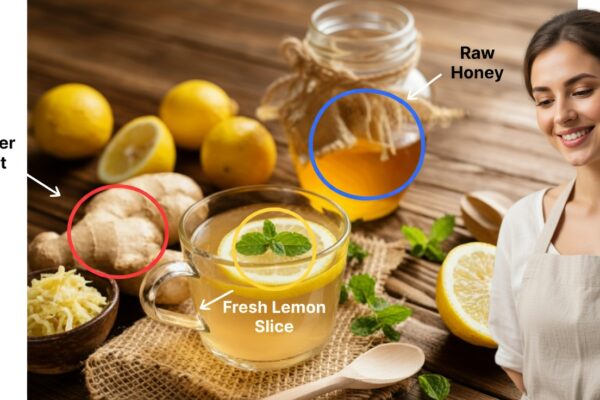
- Honey or lemon (optional, for taste)
Preparation Steps
- Bring the water to a boil in a pot or kettle.
- Add the dried leaves to the hot water.
- Let the mixture steep for about 10–15 minutes.
- Strain the infusion to remove the plant material.
- Add honey or lemon if desired to improve flavor.
How to Use
It is commonly recommended to drink one cup twice a day, preferably:
- Once in the morning
- Once before going to bed
Traditional uses of this infusion include:
- Helping to clear the airways
- Easing cough and asthma symptoms
- Promoting relaxation and improving sleep quality
Other Home Remedies with Euphorbia hirta
1. Compress for Joint and Muscle Pain
You can prepare a simple compress using fresh Euphorbia hirta leaves:
- Lightly crush or bruise the fresh leaves to release their juices.
- Apply them directly to the inflamed or painful area.
- Cover with a clean cloth or bandage and leave on for a short period.
This traditional remedy is used to help relieve joint and muscle pain and reduce local inflammation.
2. Skin Tonic
A decoction (a stronger boil) made from Euphorbia hirta can be used externally as a skin tonic. It is traditionally applied to:
- Acne-prone skin
- Mild skin irritations
- Fungal skin conditions
To use, allow the liquid to cool, then apply with a clean cotton pad to the affected area.
Precautions and Contraindications
Although Euphorbia hirta is generally considered safe when used in appropriate amounts, there are important precautions to keep in mind:
- Avoid excessive use: High doses may cause side effects such as nausea, vomiting, or diarrhea.
- Pregnancy and breastfeeding: Its use during pregnancy is not recommended without medical supervision. Breastfeeding women should consult a healthcare professional before use.
- Allergic reactions: Some individuals may be sensitive or allergic to the plant’s latex or other components.
If you notice any adverse reaction—such as skin irritation, digestive upset, or difficulty breathing—stop using the plant immediately and seek medical advice if necessary.
Conclusion
Euphorbia hirta is a traditional medicinal plant with a wide range of potential health benefits, particularly for respiratory, digestive, and skin-related issues. Its antibacterial, anti-inflammatory, and mild sedative properties have made it an important remedy in many cultures.
However, as with any medicinal herb, it should be used responsibly. Always respect recommended amounts, pay attention to possible side effects, and consult a qualified healthcare professional if you have existing health conditions, are pregnant, or are taking medication.