When Period Pain Is More Than “Normal”
Month after month, you may brush off the pain as just another difficult period. But when discomfort lasts beyond your cycle and starts interrupting work, rest, and everyday activities, it may be a sign of something more. Many women convince themselves it is normal, even when their body suggests otherwise. Because the topic can feel private or awkward, symptoms often go unspoken for years.
As time passes, ongoing pain, exhaustion, and pelvic discomfort can affect emotional well-being, relationships, and self-confidence. These signals are not random. Your body may be trying to tell you something important. By the end of this article, you will better understand a condition many women miss and the simple steps that may help you regain a sense of control.
What Is Endometriosis and Why Is It Important?
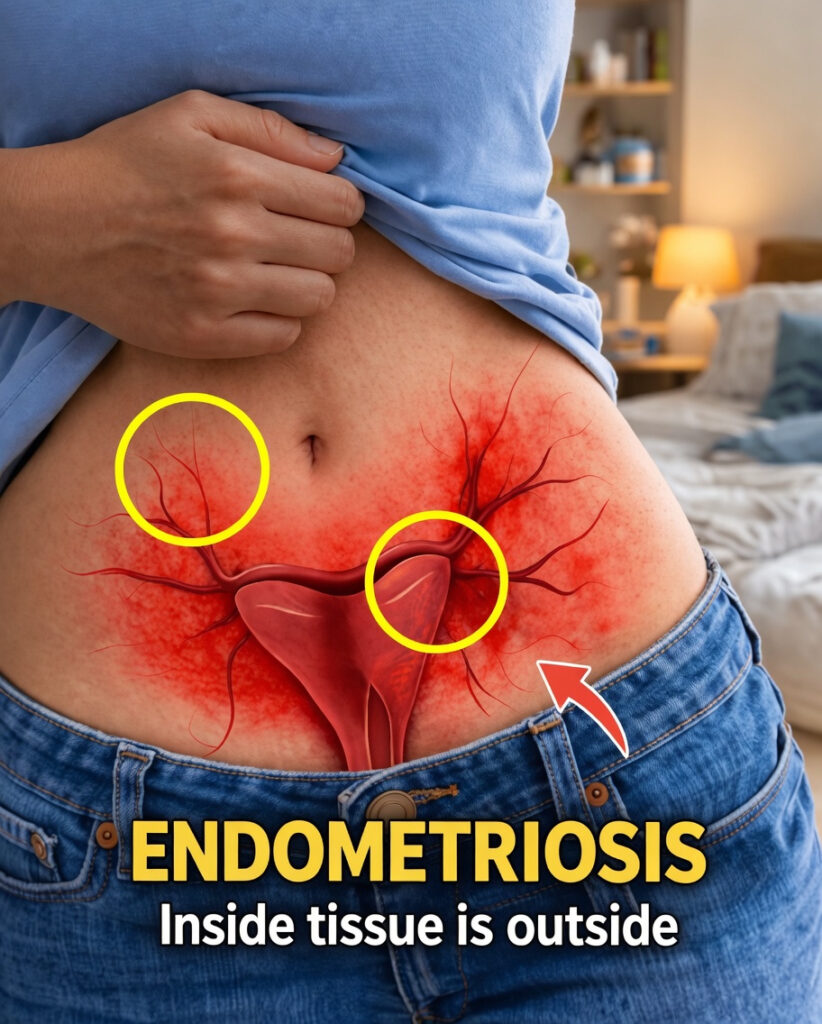
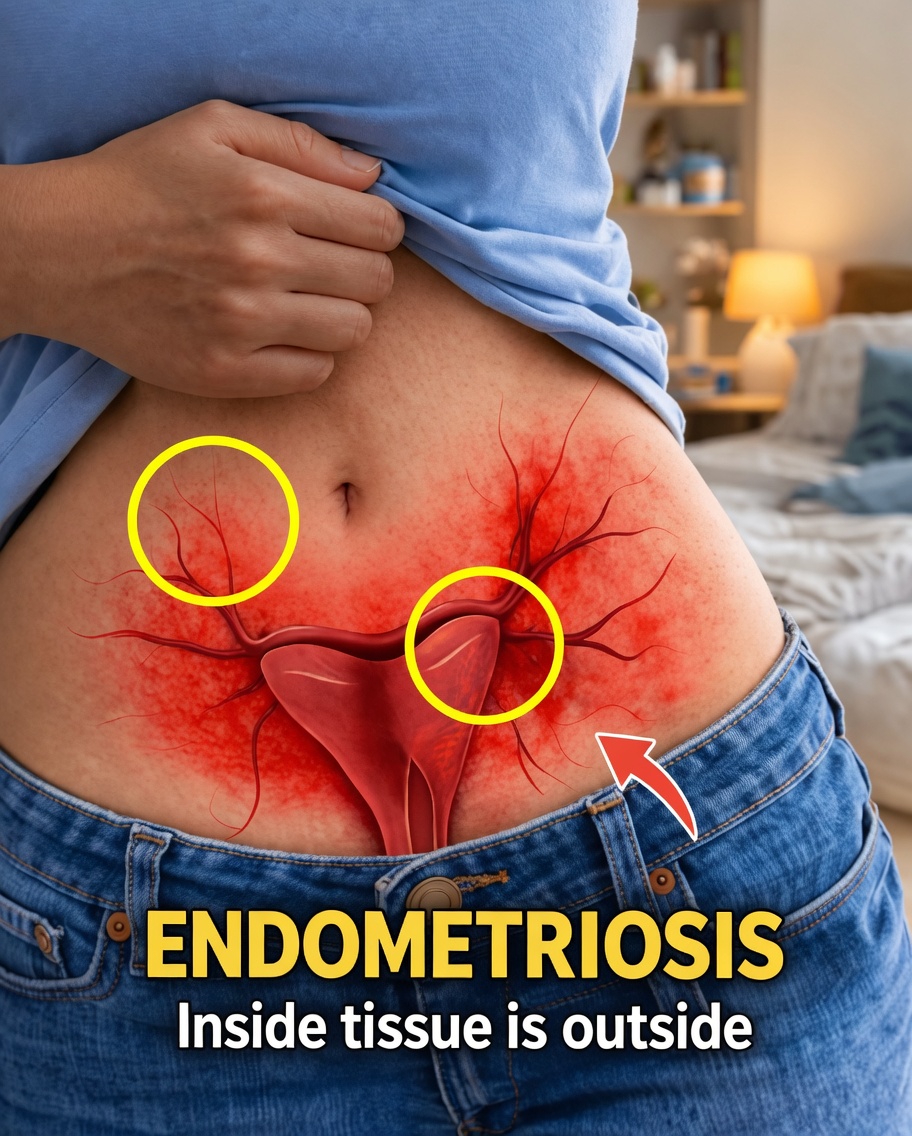
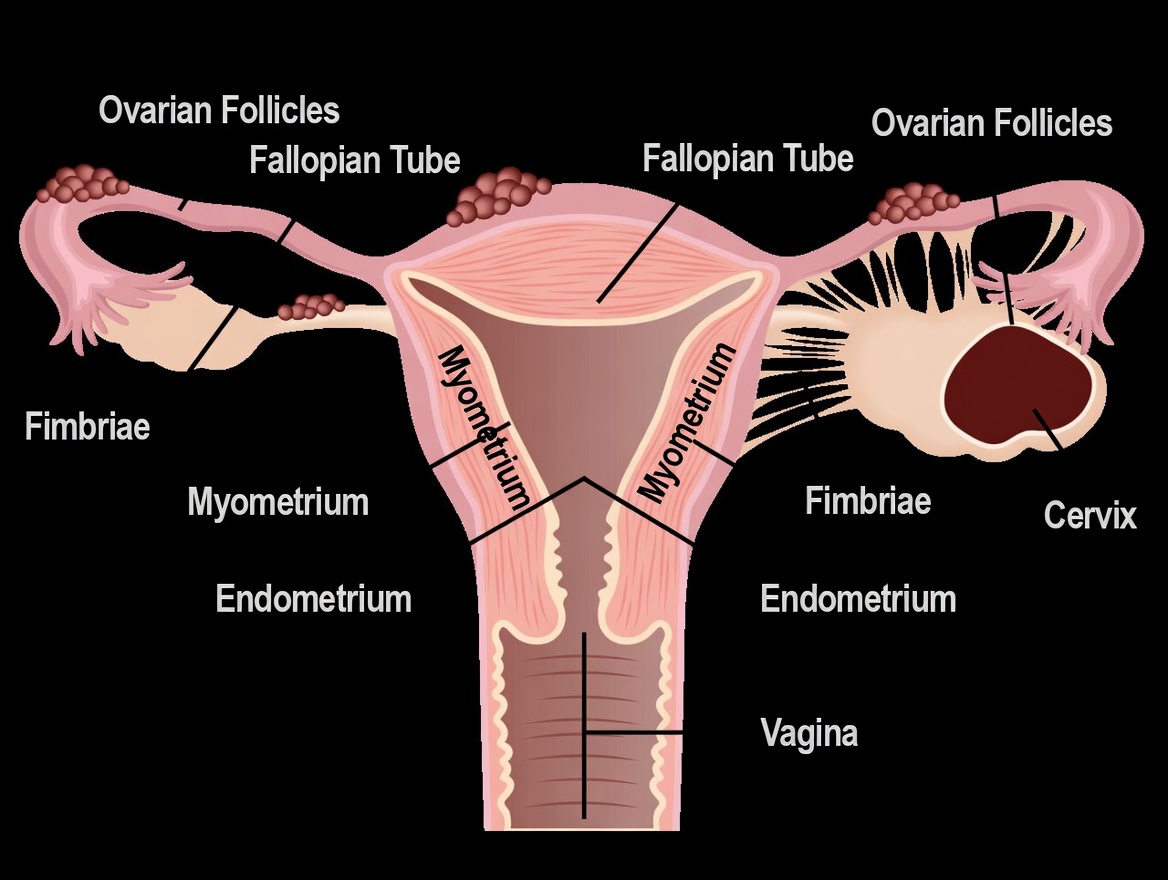
Endometriosis happens when tissue similar to the lining inside the uterus begins growing outside the uterus. Instead of remaining where it should, this tissue may attach to the ovaries, fallopian tubes, or other areas within the pelvic region.
The crucial detail is this: the tissue still responds to monthly hormonal changes. It thickens, breaks down, and bleeds during the menstrual cycle, just like the uterine lining. However, unlike menstrual blood that leaves the body, this blood has nowhere to go.
That can lead to:
- Inflammation
- Irritation
- Scar tissue formation
Many women live with endometriosis for a long time without knowing it. Symptoms are often mistaken for stress, aging, or a naturally painful cycle. Although millions of women worldwide are believed to have this condition, awareness is still limited, especially among older adults.
Common Symptoms You Should Not Ignore
Endometriosis does not look the same in every woman. Some experience severe pain, while others notice only subtle but persistent changes.
Possible signs include:
- Ongoing pelvic pain that continues even after menstruation
- Discomfort during normal activities, such as walking or sitting for too long
- Unusual tiredness despite getting enough rest
- Digestive issues, including bloating or irregular bowel movements
- Lower back pain or leg discomfort connected to the menstrual cycle
One important fact often surprises people: the intensity of symptoms does not always reflect how advanced the condition is. A woman with a mild case may feel extreme pain, while someone with more extensive endometriosis may have few symptoms.
That is why paying attention to your own body matters more than comparing your experience to someone else’s.
Why So Many Women Delay Getting Help
For many women, painful periods have been normalized since adolescence. Over time, this can create a habit of dismissing warning signs.
Common reasons women ignore symptoms include:
- Social and cultural silence around women’s health
- Worry about being judged or not taken seriously
- Believing pain is simply part of getting older
- Busy schedules that leave little room for self-care
The reality is simple: symptoms do not disappear just because they are ignored. In many cases, the condition continues quietly in the background. That is why awareness is so valuable. Recognizing what is happening early can make a meaningful difference.
What Is Happening Inside the Body?
To understand the symptoms, it helps to picture what is happening internally. When misplaced endometrial-like tissue reacts to hormonal changes, it may trigger several processes in the surrounding area.
These may include:
- Inflammation in nearby tissues
- Irritation of surrounding nerves
- Gradual development of scar tissue
This helps explain why the pain can feel deeper and more persistent than typical menstrual cramps.
The body is not “breaking down.” It is responding to tissue that should not be there. Understanding that distinction can reduce fear and make the condition feel less confusing and overwhelming.

Daily Habits That May Worsen Symptoms
Certain everyday choices may quietly contribute to increased discomfort. This does not mean habits alone cause endometriosis, but they can influence how the body feels day to day.
Here is a simple overview:
| Habit | Possible Effect |
|---|---|
| Eating heavily processed foods often | May promote inflammation |
| Limited physical activity | Can reduce circulation and recovery |
| Poor sleep patterns | May affect hormonal regulation |
| Ongoing high stress | Can heighten the sense of discomfort |
| Ignoring physical symptoms | May delay awareness and action |
The good news is that improvement does not require a dramatic overnight transformation. Small changes practiced consistently can have a real impact over time.
Simple Steps You Can Begin Today
There are practical ways to support your body starting now. The goal is not perfection, but steady progress.
1. Track your patterns
Notice when pain appears, how long it lasts, and what seems to make it better or worse. Patterns can provide valuable insight.
2. Move gently every day
Light activity such as walking, stretching, or gentle mobility exercises may support circulation and help reduce stiffness.
3. Choose more whole foods
Build meals around:
- Vegetables
- Fruits
- Healthy fats
- Minimally processed foods
These choices may support overall wellness and help reduce inflammation.
4. Protect your sleep
Good-quality rest is essential for recovery, hormone balance, and energy.
5. Lower daily stress
Simple habits such as quiet time, deep breathing, or a few moments of mindfulness may help ease tension in both body and mind.
The most important idea is this: consistency is more powerful than doing everything perfectly.
When to Talk to a Medical Professional
If pain or discomfort is affecting your normal routine, it is worth discussing with a healthcare provider. You do not need to wait until symptoms become unbearable.
Consider seeking medical advice if:
- Pain is getting worse or becoming more frequent
- Symptoms interfere with sleep, work, or daily tasks
- You notice unusual changes in your menstrual cycle
- Over-the-counter pain relief no longer helps
As a doctor might tell you, asking for help is not overreacting. It is a responsible step toward protecting your health.
The Emotional Impact Many Women Overlook
Endometriosis is not only a physical condition. It can also place a heavy emotional burden on daily life.
Many women experience:
- Frustration from feeling misunderstood
- Anxiety related to ongoing pain
- Emotional exhaustion from dealing with symptoms for a long time
Recognizing this side of the condition matters. Recovery and support are not only about managing physical pain. They are also about improving how you feel mentally and emotionally from day to day.
Conclusion
Endometriosis is far more common than many people realize, yet it often stays hidden behind symptoms women are taught to tolerate. Persistent discomfort should not be automatically dismissed as a routine part of life. Your body communicates through symptoms, and those messages deserve attention.
By noticing signs early, making supportive lifestyle adjustments, and seeking medical guidance when needed, you can take meaningful steps toward feeling more balanced, informed, and in control.
And sometimes, the smallest habit you change first becomes the one that brings the greatest relief over time.
Frequently Asked Questions
Is endometriosis a normal part of aging?
No. Some changes can happen with age, but persistent or severe pelvic pain is not something to treat as normal.
Can lifestyle changes really make a difference?
They may not eliminate the condition itself, but healthy daily habits can improve overall well-being and may reduce discomfort for many women.
Should I worry if my symptoms are only mild?
Not always. However, it is still wise to monitor your symptoms and speak with a healthcare professional if anything changes or becomes more persistent.
Disclaimer
This article is intended for informational purposes only and is not a substitute for professional medical advice. Always consult a qualified healthcare provider with any questions or concerns about your health.