Bay Leaves: A Simple Natural Remedy for Nail Fungus
Nail fungus can be stubborn, unsightly, and slow to disappear. While many people turn to costly pharmacy treatments, there is a gentle, affordable home remedy you can try: bay leaves. Thanks to their natural antifungal and antibacterial properties, bay leaves may help support healthier nails without harsh chemicals.
Why Use Bay Leaves for Nail Fungus?
Bay leaves contain powerful plant compounds such as eugenol, which are known for:
- Antifungal effects – They can help slow or inhibit the growth of the fungi that cause nail infections.
- Antibacterial properties – They may help limit secondary infections around the nail.
Because of these benefits, bay leaves offer a natural, budget-friendly alternative that’s easy to prepare at home.
Method 1: Bay Leaf Foot (or Hand) Soak
Ingredients
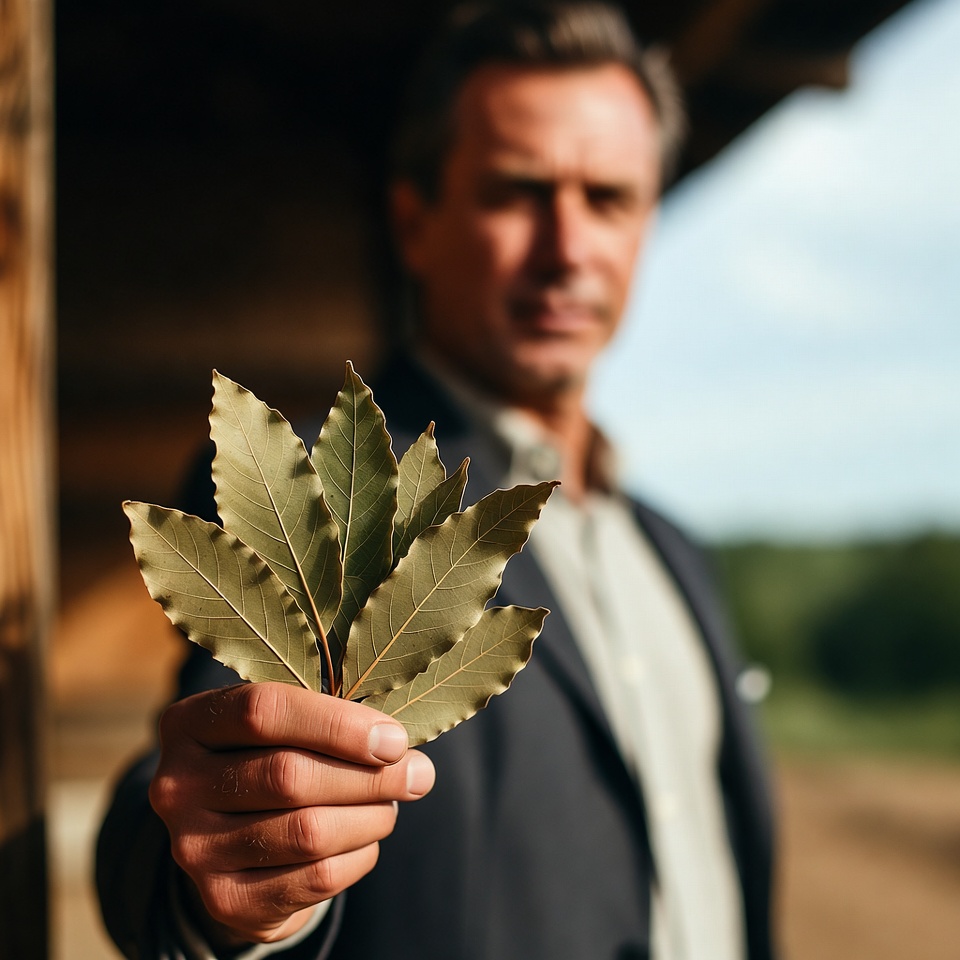
- 5–10 dried bay leaves
- 1 liter of water
How to Prepare
- Pour 1 liter of water into a pot and bring it to a boil.
- Add the dried bay leaves.
- Reduce the heat and let the mixture simmer for about 20 minutes. This allows the beneficial oils and active compounds to infuse into the water.
- Remove from heat and let the liquid cool until it is warm but comfortable for soaking.
How to Use
- Pour the warm bay leaf infusion into a basin or bowl.
- Soak the affected nails (on the hands or feet) for around 20 minutes.
- Pat the area dry thoroughly afterward.
- Repeat this soak once a day. Consistent daily use is important if you want to see gradual improvement.
Method 2: Bay Leaf Paste for Direct Application
Ingredients
- A small handful of fresh bay leaves
- A few teaspoons of water (just enough to make a paste)
How to Prepare
- Place the fresh bay leaves in a mortar and pestle or a small food processor.
- Grind or blend until you have a coarse mash.
- Add a small amount of water, little by little, until a thick paste forms.
How to Use
- Apply a thin layer of the bay leaf paste directly onto the affected nail and surrounding area.
- Cover the nail with a clean bandage or piece of gauze to keep the paste in place.
- Leave it on for several hours, or overnight if possible.
- Rinse off with warm water and dry the area well.
- Use this treatment daily for the best chance of results.
Extra Care Tips to Support Healing
To make any nail fungus remedy more effective, including bay leaves, it’s important to create an environment where fungus cannot easily thrive.
- Keep nails dry: Fungi love moisture. Always dry your feet or hands carefully after bathing or soaking, especially between the toes.
- Maintain good nail hygiene:
- Trim nails regularly and keep them clean.
- Disinfect nail clippers, files, and other tools before and after use to avoid spreading the infection.
- Support your immune system:
- Eat a balanced diet rich in vitamins, minerals, and antioxidants (fruits, vegetables, whole grains, lean proteins).
- A stronger immune system can help your body combat fungal infections from the inside out.
Precautions and When to Seek Help
While bay leaves are natural, they are not suitable for everyone in every situation.
- Patch test first:
- Before applying bay leaf tea or paste widely, test a small amount on a small area of skin.
- Wait 24 hours to check for redness, itching, or irritation.
- Talk to a healthcare professional if:
- The infection worsens or spreads.
- You notice pain, swelling, or pus.
- You have diabetes, circulation problems, or a weakened immune system.
- The nail fungus doesn’t improve after several weeks of consistent home treatment.
Nail fungus can sometimes signal deeper health issues, so professional guidance is important if you’re unsure.
Final Thoughts
Using bay leaves for nail fungus is a low-cost, natural approach that many people find appealing. With regular use, a bay leaf soak or paste may help reduce fungal growth and support healthier-looking nails over time.
Be patient and consistent—natural remedies usually work gradually rather than overnight.