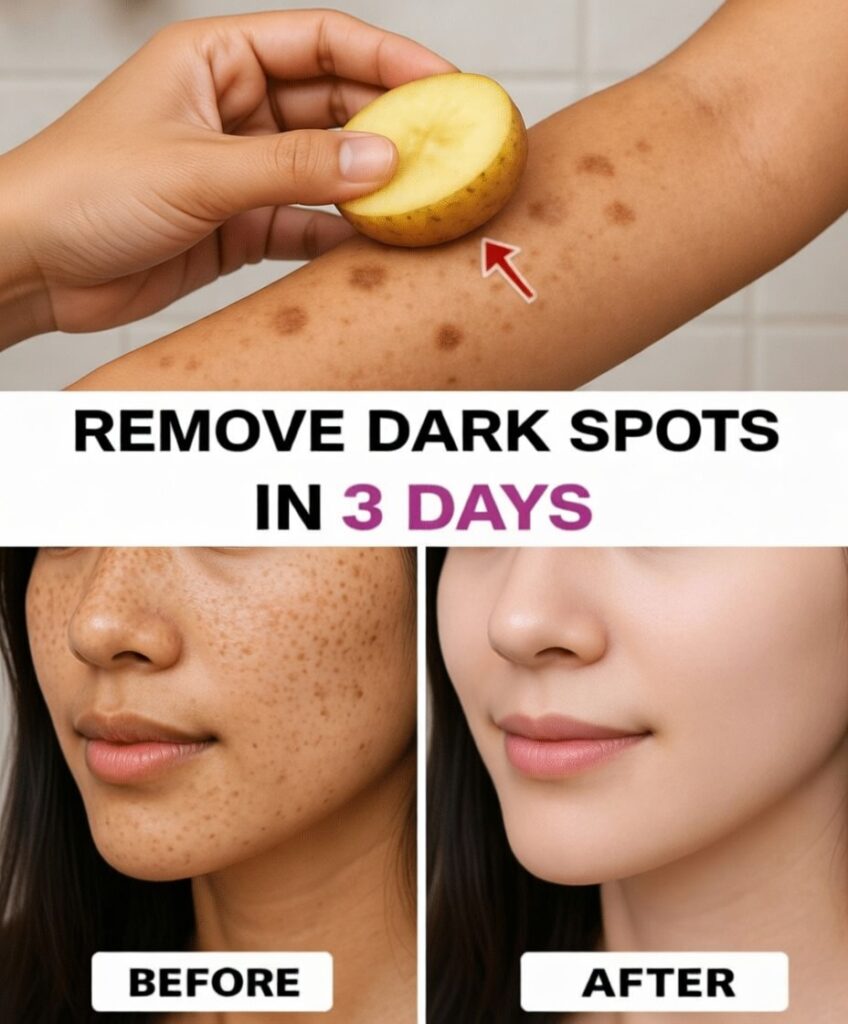
Natural Ways to Fade the Look of Dark Spots with Potato and Apple
Dark spots—often called age spots, sun spots, or areas of hyperpigmentation—are a common skin concern. They tend to appear on parts of the body that see the most sun, such as the face, hands, shoulders, and forearms. Over time, these patches can make skin look uneven or older than it feels, prompting many people to look for gentle ways to encourage a more uniform complexion.
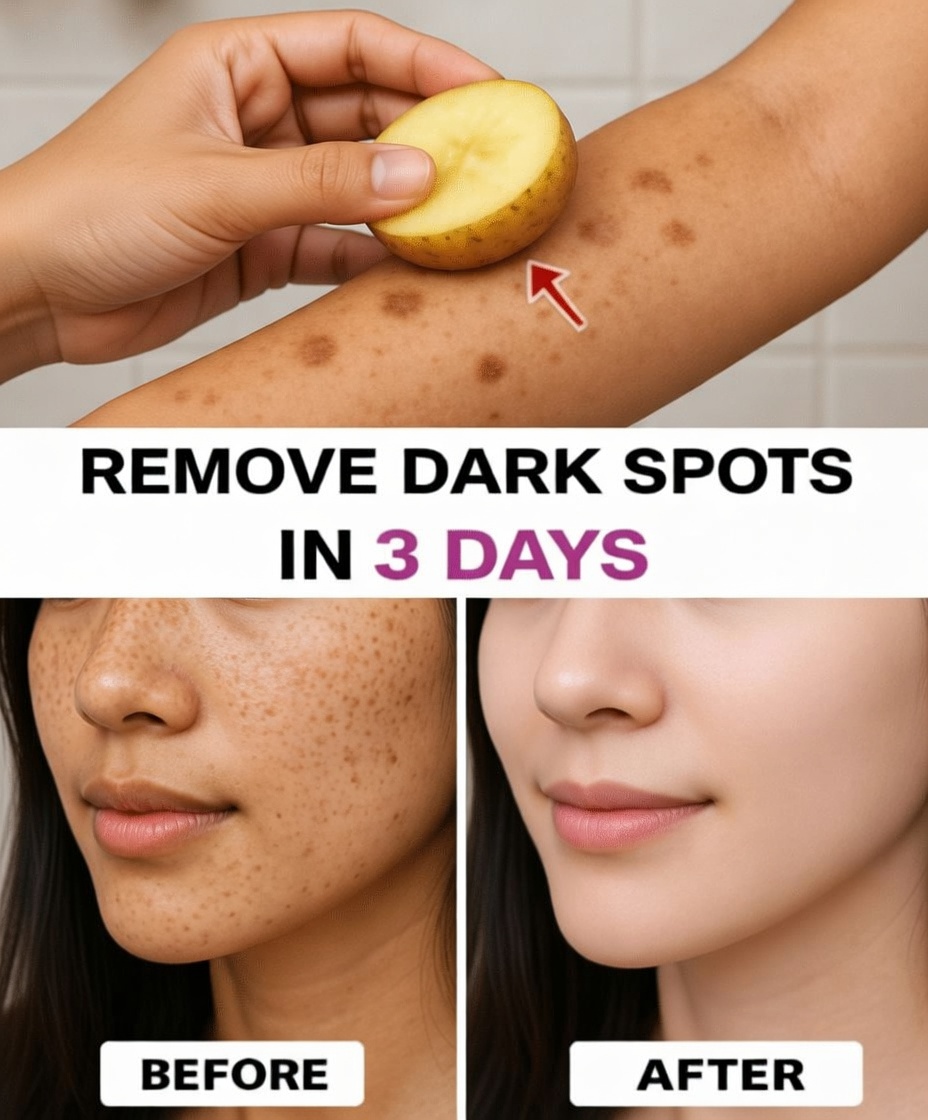
While professional treatments exist, some people like to start with simple home ingredients. Fresh potato and apple, in particular, are frequently mentioned in DIY skincare routines for their potential to support brighter-looking skin. They are not magic solutions, but they can be accessible additions to a broader routine. This guide explains how they are commonly used, what limited research suggests, and how to try them safely—along with other habits that help maintain a more radiant appearance.
Why Dark Spots Form and Why Natural Remedies Are Popular
Dark spots arise when melanin—the pigment responsible for skin color—is produced in excess or accumulates in certain areas. Several factors contribute:
- UV exposure: Sunlight stimulates melanocytes (melanin-producing cells) to create more pigment as a defense mechanism.
- Aging: As skin matures, its ability to repair UV damage changes, often leading to visible spots.
- Hormones and inflammation: Hormonal shifts, acne, or irritation can also trigger uneven pigmentation.
Because dark spots often build up over years, people look for long-term, gentle strategies to manage their appearance.
Natural ingredients appeal to many because they are:
- Relatively inexpensive and easy to find
- Perceived as milder than some strong cosmetic treatments
- Simple to integrate into daily routines
Potato and apple are commonly used in home care because they are widely available and contain antioxidants, vitamins, and mild exfoliating components. Scientific evidence is still limited and early-stage, but certain compounds are being investigated for supporting more even-looking skin over time.
Potato for Brighter-Looking Skin
Raw potato has a long history in traditional home remedies, especially for its cooling sensation and nutrient content. Potatoes contain:
- Vitamin C: An antioxidant associated with brighter-looking skin
- Starch and natural sugars: Often linked to gentle exfoliation and softening
- Catecholase (an enzyme): Sometimes mentioned in relation to melanin-related processes, though robust clinical data is lacking
What Research and Experts Indicate
Current findings and expert commentary suggest:
- Mild support for pigmentation appearance: Early and limited studies on potato extracts or juice point to possible benefits for reducing the look of dark spots, likely due to antioxidant activity.
- Soothing effect: Reputable health sources note that while strong clinical proof is missing, potatoes can give a temporary calming, cooling feel that may make skin appear fresher.
- Surface renewal: Reviews of traditional usage mention that potato’s starches and sugars may help remove dead surface cells, encouraging a smoother, more luminous look.
Results, when they occur, are generally gradual and subtle, especially when combined with consistent sun protection and overall skincare.
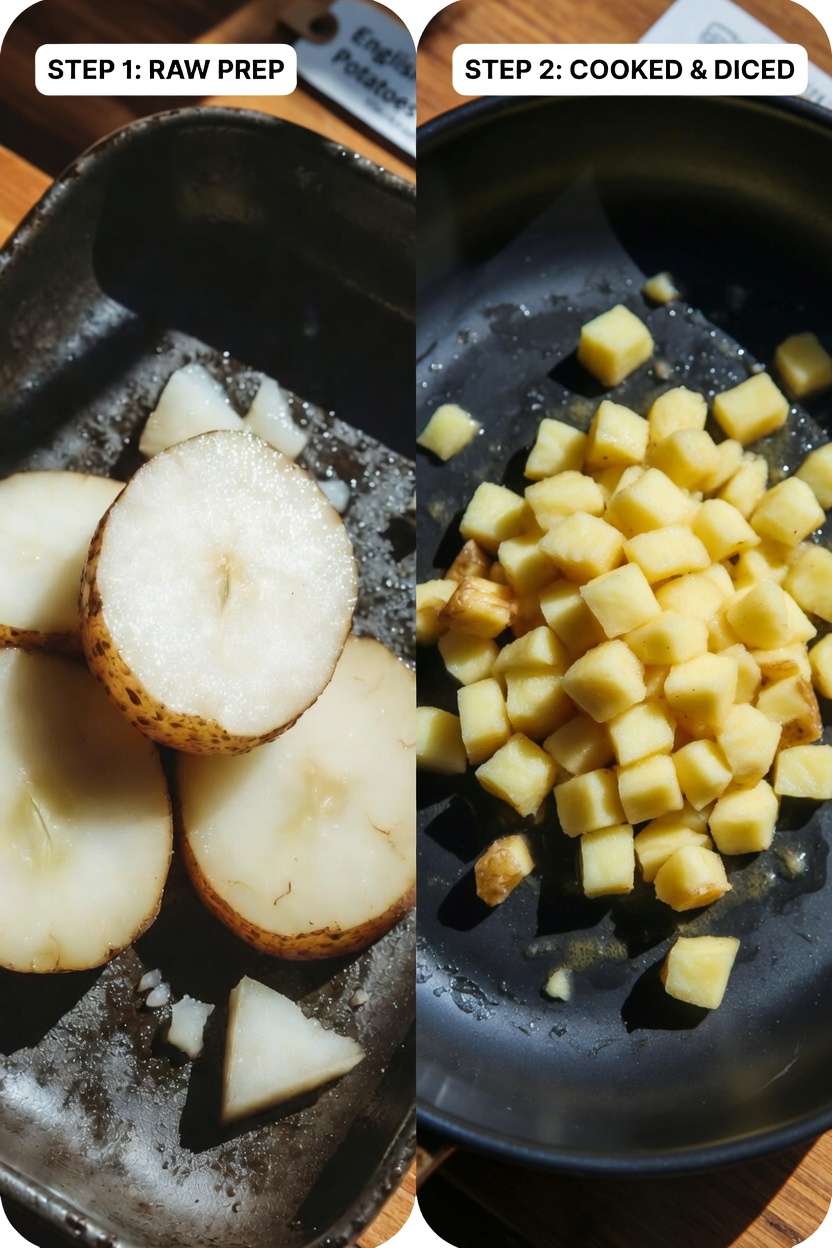
How to Use Potato on Skin at Home
If you want to experiment with potato for dark spots or uneven tone, these simple methods are commonly used:
1. Potato Slice Method
- Wash a fresh, raw potato thoroughly.
- Cut it into thin, round slices.
- On clean skin, place the slices over areas with dark spots.
- Leave on for about 10–15 minutes.
- Rinse with cool water and gently pat dry.
Use this once a day or several times a week, depending on how your skin responds.
2. Potato Juice Application
- Wash and peel a potato (optional).
- Grate it finely.
- Place the grated potato in a clean cloth or gauze and squeeze out the juice.
- Apply the juice to dark spots with a cotton pad or clean fingertips.
- Allow it to sit for 15–20 minutes.
- Rinse thoroughly with water and pat your skin dry.
Safety Tip
- Always perform a patch test on a small area, like the inner forearm, and wait 24 hours to check for irritation or redness before applying widely to the face.
These methods are generally mild, but improvement—if it happens—usually appears only after several weeks of consistent use.
Apple’s Potential Role in Skin Brightening
Apples offer a different set of properties that can complement potato-based routines. They are rich in:
- Vitamins and antioxidants: Help protect the skin’s surface from environmental stress.
- Natural fruit acids (especially malic acid): Provide gentle exfoliation, aiding in smoother-looking skin.
- Compounds like polyphenols and ursolic acid (in some varieties): Being studied for their potential to influence skin tone and support overall skin health.
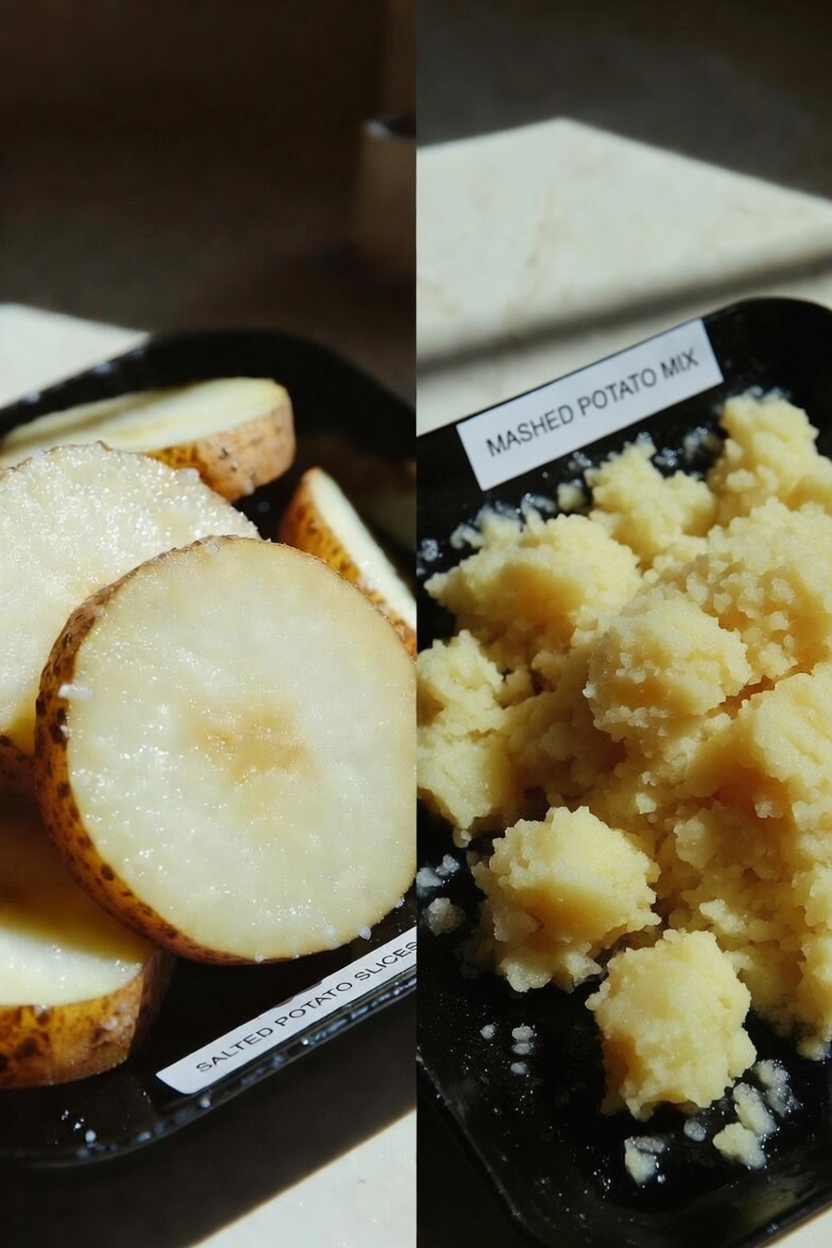
What Studies Suggest About Apple for Skin
While research is still emerging, key points include:
- Apple polyphenols: Some studies using oral supplements have explored their ability to help protect against UV-related pigmentation changes, suggesting they may have a role in supporting more even skin tone from within.
- Topical apple extracts: Preliminary findings indicate that certain apple-derived ingredients may help reduce melanin clustering and promote a brighter appearance.
- Gentle exfoliation: The natural acids in apple can help loosen and remove dead skin cells, which can make the skin look smoother and more luminous when used appropriately.
As with potato, apple is not a guaranteed fix for hyperpigmentation, but it can be a nourishing addition to a routine aimed at improving overall tone and texture.
Simple Apple-Based Home Treatments
If you’d like to try apple on your skin, here are a few easy ideas:
1. Fresh Apple Slice Rub
- Wash a fresh apple (organic if possible) and cut a slice.
- On clean skin, gently rub the juicy side over the areas of concern for a few minutes.
- Leave the light layer of juice on your skin for about 10 minutes.
- Rinse with lukewarm water and pat dry.
Use this a few times per week, observing how your skin reacts.
2. Grated Apple Mask
- Grate about half an apple.
- Optional: Mix in a small amount of honey to add hydration and boost comfort.
- Apply the mixture as a thin mask to clean skin, avoiding the eye area.
- Leave it on for around 15 minutes.
- Rinse thoroughly and follow with a moisturizer.
For both methods, remember to patch test first, especially if you have sensitive or reactive skin.
Habits That Help Support a More Even Skin Tone
Single ingredients like potato or apple can offer modest help, but your overall skincare and lifestyle habits often make the biggest difference. Consider the following:
-
Daily Sunscreen Use
Apply a broad-spectrum sunscreen with at least SPF 30 every morning, even when indoors or on overcast days. UV rays are a major cause of dark spots and can worsen existing pigmentation. -
Gentle, Regular Exfoliation
Use mild exfoliants 2–3 times per week (or as tolerated) to remove dead surface cells. This can help ingredients penetrate better and make skin look brighter. -
Antioxidant-Rich Diet
Eat foods high in vitamin C and other antioxidants—such as citrus fruits, berries, leafy greens, and bell peppers—to support skin health from the inside. -
Hydration and Moisturization
Drink sufficient water and use a suitable moisturizer to maintain a strong skin barrier, which helps reduce irritation and uneven tone. -
Avoid Picking or Scratching
Touching or picking at spots, pimples, or scabs can lead to post-inflammatory hyperpigmentation and longer-lasting marks.
Quick Comparison: Potato vs. Apple for Brightening the Look of Skin
-
Potato
- Cooling sensation, often calming for the skin
- Provides mild exfoliation from starch and natural sugars
- Contains vitamin C and enzymes that may support brighter-looking skin
- Easily used as slices or juice
-
Apple
- Packed with antioxidants and vitamins
- Contains gentle fruit acids that can smooth and brighten the skin’s surface
- Can be used as fresh slices or grated mask, optionally combined with honey for added moisture
-
Both
- Inexpensive and widely available kitchen ingredients
- Best used consistently, along with diligent sun protection
- Relatively low risk when patch tested and used on intact skin
- Intended to support appearance, not replace medical treatments
You can alternate potato and apple on different days if your skin tolerates both, adjusting based on comfort and response.
What to Expect and How to Maximize Results
Natural methods generally require time and patience. Realistic expectations are important:
- Many people who see changes notice them only after 4–8 weeks of regular use.
- Improvements are usually subtle—skin may look slightly more even, smoother, or brighter rather than dramatically transformed.
- Taking occasional photos in natural light can help you track progress more accurately than relying on memory.
To get the most from these routines:
- Use potato or apple consistently, but not so often that your skin becomes irritated.
- Always finish with a gentle moisturizer.
- Make sunscreen non-negotiable to prevent new spots and protect existing ones from getting darker.
- Stop using any ingredient that causes burning, persistent redness, itching, or discomfort.
FAQ
How long does it take for natural remedies to affect dark spots?
Most people who report benefits see slight changes after about 4–6 weeks of steady use, though some may need longer. Results vary depending on skin type, depth and age of the spots, and how diligently you protect your skin from the sun.
Can potato or apple irritate sensitive skin?
They are generally considered mild, but any ingredient can cause a reaction. If you have sensitive skin:
- Always patch test first.
- Start with short contact times (5–10 minutes).
- Discontinue use if you notice burning, significant redness, swelling, or discomfort.
Are these methods suitable for all skin tones?
Yes, people with all skin tones may try these approaches, as they are relatively gentle. However:
- Those with deeper skin tones should be extra cautious about irritation, because inflammation can worsen hyperpigmentation.
- Daily broad-spectrum sunscreen is especially important to prevent further darkening.
Do I need to combine these natural remedies with other skincare products?
For better support:
- Pair them with a broad-spectrum sunscreen and a gentle moisturizer.
- Avoid harsh scrubs, strong peels, or irritating products at the same time, as these can inflame the skin and intensify dark spots.
Important Disclaimer
This content is for informational purposes only and does not replace professional medical advice, diagnosis, or treatment. Always consult a dermatologist or qualified healthcare provider before starting any new skincare routine, especially if you have existing skin conditions, are using prescription products, or notice changes in the size, color, or shape of any spots.
Individual responses to natural remedies vary widely, and the methods described here are not intended to diagnose, treat, cure, or prevent any disease or condition.