A Simple Kitchen Leftover That May Support Bones and Joints
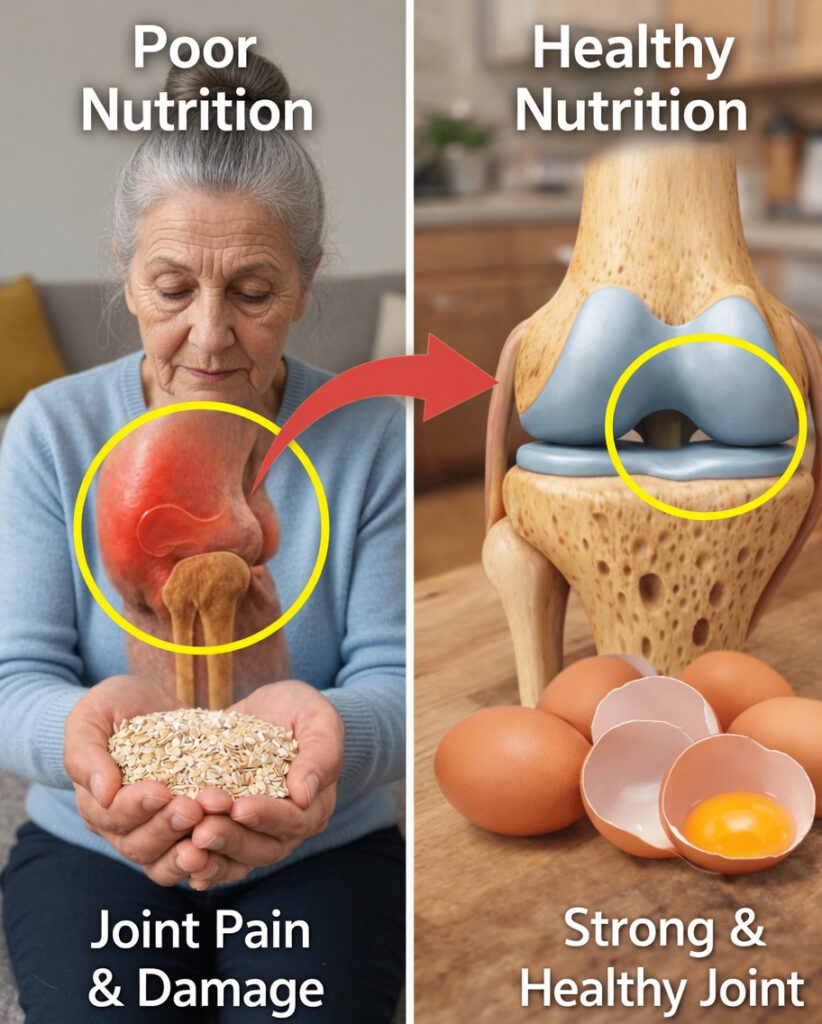
As people grow older, everyday joint discomfort becomes increasingly common. Tasks that once felt effortless—such as walking, standing up, or climbing stairs—can start to feel more demanding. This often affects independence, comfort, and quality of life, especially when the diet does not provide enough nutrients to properly support bones and joints.
What many people do not realize is that one item often thrown away in the kitchen may offer a practical, natural source of calcium to help maintain bone health.
Even more interesting, there is a lesser-known part of the eggshell that researchers have studied for its possible benefits for joint comfort. Later in this article, we will look at an easy way to prepare it at home.
Why Calcium Is Important for Bone and Joint Support
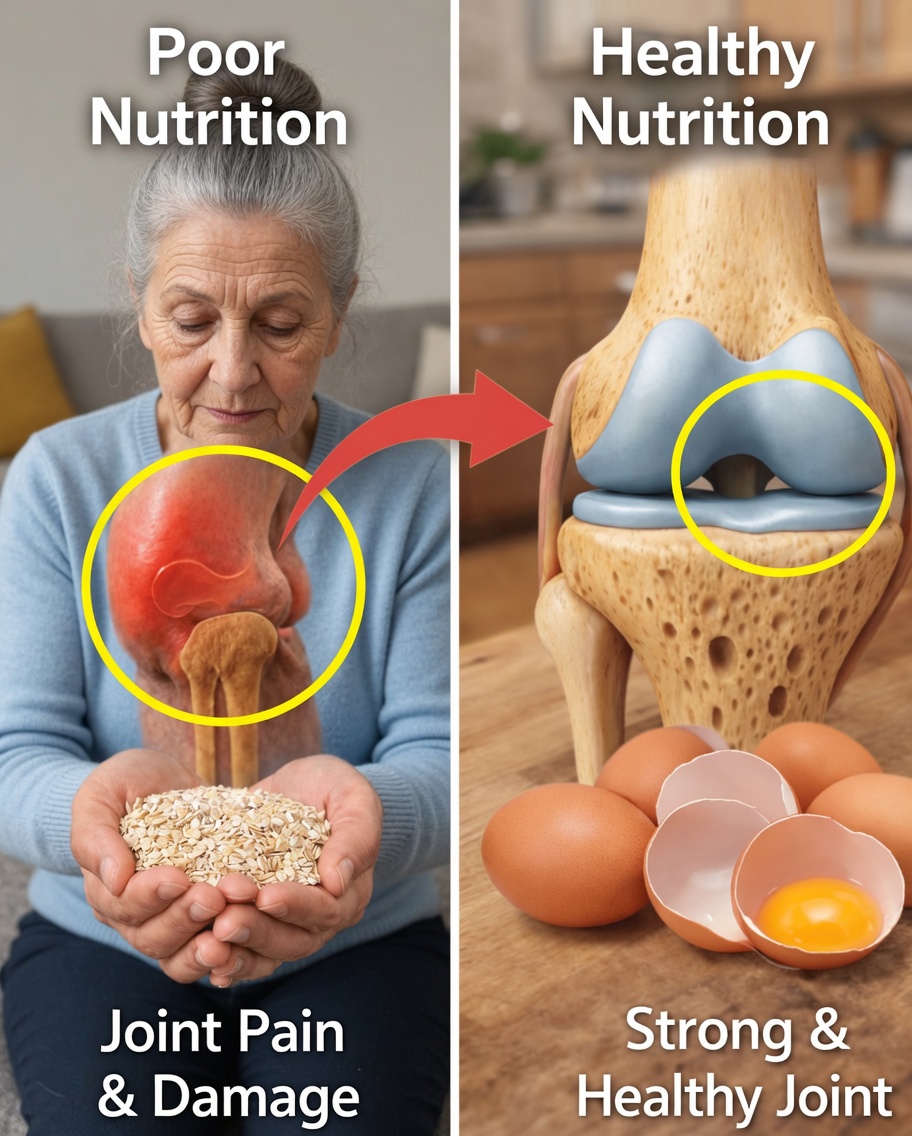
Calcium is an essential mineral for maintaining strong bones and supporting the body’s structure. As we age, getting sufficient calcium from food becomes more important for preserving bone strength, movement, and daily function.
Scientific evidence shows that adequate calcium intake contributes to healthy bone density and may also support day-to-day physical comfort. Natural calcium sources are especially valuable when they are bioavailable, meaning the body can absorb and use them efficiently.
Eggshells are made mostly of calcium carbonate, the same basic form used in many calcium supplements. A single eggshell can provide roughly 750 to 800 mg of calcium, making it a surprisingly rich source of this mineral.
The Often-Ignored Benefit of Eggshell Membrane
The hard shell is not the only useful part. Inside the shell is a thin membrane that has attracted scientific interest because of its naturally occurring compounds. This membrane contains collagen, glucosamine, chondroitin, and hyaluronic acid—substances commonly associated with joint support.
A number of clinical studies have examined natural eggshell membrane, often called NEM. Findings published in scientific journals suggest that people taking eggshell membrane supplements experienced better joint comfort and improved flexibility after several weeks, with some participants noticing benefits in as little as 10 days.
One review of existing studies reported less discomfort and improved function in people with knee-related concerns, while also noting good tolerability and no serious adverse effects.
Because these results come from randomized, placebo-controlled studies, eggshell membrane has gained attention as a promising natural option for supporting joint wellness.
Combining the calcium from the shell with the nutrients found in the membrane may offer a broader nutritional benefit from a single, simple source.

Eggshells vs. Other Calcium Sources
To better understand how eggshells compare, here is a quick overview of other common calcium sources:
-
Dairy foods such as milk and yogurt
These provide calcium and often vitamin D, which helps absorption. However, they may not work well for people with lactose intolerance or certain dietary restrictions. -
Leafy green vegetables like kale and broccoli
They contain calcium, but some plant compounds such as oxalates can reduce how much the body absorbs. -
Store-bought calcium supplements
Calcium carbonate supplements are widely available, budget-friendly, and generally effective. Their absorption is often estimated at around 30% to 40%, which is similar to eggshell calcium. -
Eggshell powder
This is a natural, nearly free option made from kitchen waste. Research suggests it offers strong bioavailability, sometimes matching or even exceeding other calcium carbonate sources. It also contains trace minerals.
Some studies, including animal research, have shown that eggshell-derived calcium is absorbed very well and may even perform better than certain other forms.
How to Make Eggshell Powder at Home
Preparing eggshell powder is simple and can be safe when handled properly. This method uses the whole shell, including the membrane, to preserve its potential nutritional value.
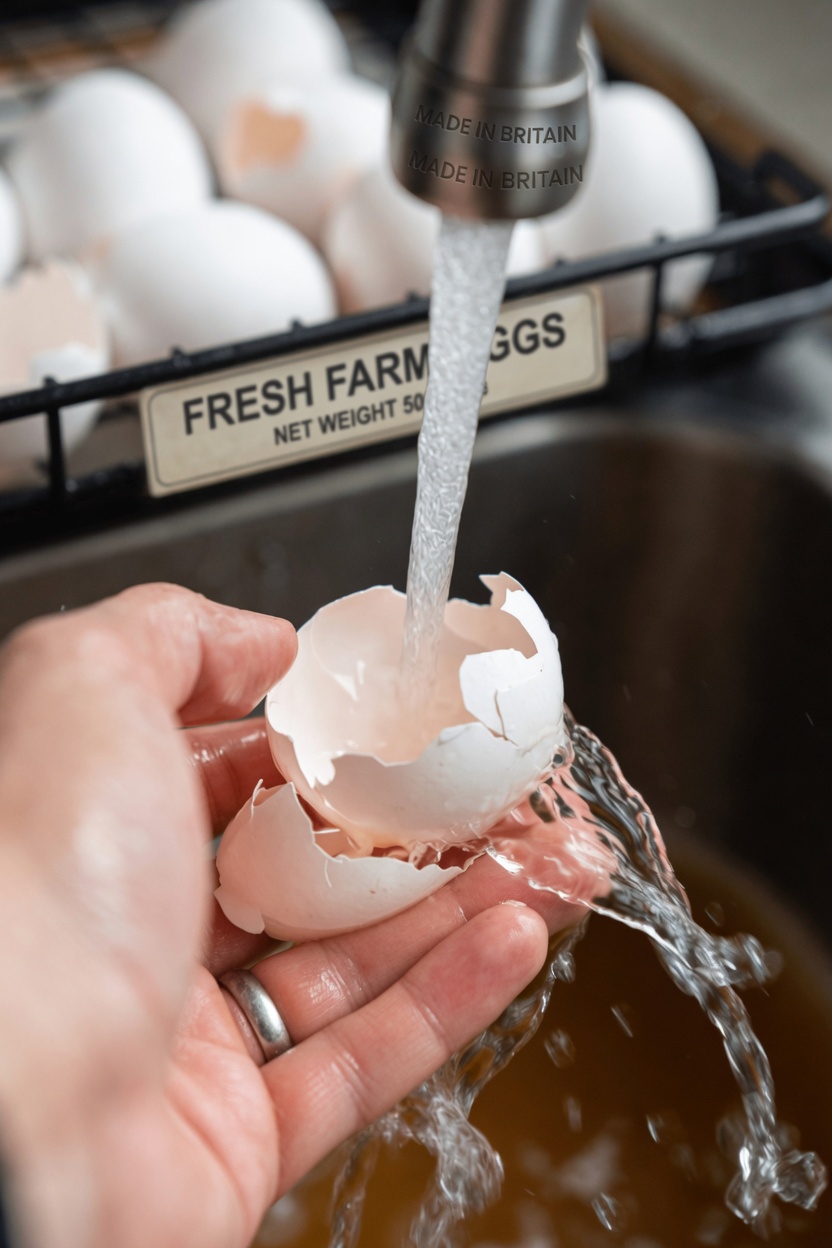
1. Clean the shells
- Rinse used eggshells thoroughly under warm water.
- Remove any leftover egg white or residue.
- Leave the inner membrane attached if possible.
2. Sterilize them
- Put the shells in a pot and cover with water.
- Boil for 10 to 15 minutes to help kill bacteria such as salmonella.
3. Dry completely
- Drain the shells and place them on a baking tray.
- Bake at 200 to 225°F (93 to 107°C) for about 20 to 30 minutes until dry and crisp.
4. Grind into powder
- Use a coffee grinder, spice grinder, or blender.
- Process until the shells become a very fine powder.
- Sift if needed for a smoother texture.
5. Store properly
- Transfer the powder to an airtight container.
- Keep it in a cool, dry place.
- When stored well, it can last for several months.
This process creates a fine powder that can be added to foods and drinks. It is best to begin with small amounts and observe how your body responds.
Easy Ways to Use Eggshell Powder
There are several simple ways to include eggshell powder in your daily routine:
- Stir ½ teaspoon into smoothies, oatmeal, or yogurt. This amount provides about 400 to 500 mg of calcium.
- Add it to baked foods such as muffins, pancakes, or bread.
- Sprinkle a small amount into soups, salads, or breakfast cereals.
- Mix it with juice or water for a quick daily serving.
Some research suggests that pairing calcium with vitamin C-rich foods, such as lemon juice, may help improve absorption.
People specifically interested in eggshell membrane should keep in mind that commercial NEM supplements are specially processed. Homemade eggshell powder, however, offers both calcium and membrane together in a natural form.
Research-Supported Benefits of Eggshell Components
Studies on eggshell calcium and eggshell membrane suggest potential support in the following areas:
- Bone mineralization
- Bone density maintenance
- Everyday joint comfort
- Reduced stiffness in some individuals
- Better mobility and physical function
A meta-analysis also reported meaningful improvements in pain scores and joint function among people using eggshell membrane.
That said, outcomes differ from person to person. Eggshell powder should be viewed as a nutritional support option, not a replacement for professional medical care.
Frequently Asked Questions
Is eggshell powder safe to eat?
Yes, when it is properly cleaned, boiled, dried, and finely ground. Both research and traditional use support eggshell powder as a usable calcium source when prepared correctly.
How much can I take each day?
Around ½ teaspoon supplies roughly 400 to 500 mg of calcium, which is about half of the daily recommended intake for many adults. Individual needs vary depending on the rest of the diet.
Can people with egg allergies use it?
Possibly not. The membrane may still contain proteins that could trigger a reaction. Anyone with an egg allergy should be cautious, try only very small amounts with medical guidance, or avoid it entirely.
Can it really help with joint discomfort?
Research on eggshell membrane is encouraging and points to possible improvements in comfort and flexibility. However, it is a supportive nutritional approach, not a cure.
Final Note
Before adding eggshell powder or any supplement to your routine, it is wise to speak with a healthcare professional—especially if you have a medical condition, food allergies, or are already taking medications or supplements.
This article is intended for informational purposes only and should not be considered medical advice. Always consult a qualified health provider for personalized recommendations about nutrition, bone health, and joint support.