Garlic Mistakes to Avoid: 8 Common Habits That Can Cause Discomfort
Garlic is a staple in cuisines across the globe, valued not only for its bold flavor but also for its potential role in supporting heart health, immune function, and overall well-being as part of a balanced diet. Many people include it in daily meals to enjoy these possible benefits, yet certain common habits can turn garlic from helpful to troublesome.
If you have ever dealt with bloating after eating a garlicky dish or wondered whether you were having too much, you are definitely not the only one. In most cases, the problem is not garlic itself, but how it is being used.
This guide covers eight frequent garlic-related mistakes and simple ways to avoid them, so you can enjoy it with fewer side effects. Be sure to read to the end, because one small preparation tip is often overlooked and can noticeably change how garlic affects your body.
Why Garlic Can Be a Smart Addition to Your Diet
Garlic contains active compounds such as allicin, which researchers have linked to potential cardiovascular support and antioxidant activity. Some studies suggest that regular, moderate intake may help support healthy cholesterol levels and blood pressure already within normal limits. Still, the benefits are generally associated with mindful use rather than excessive consumption.
That is why moderation and preparation matter. A common amount often mentioned is 1 to 2 cloves per day. This level may offer potential advantages, while larger amounts or poor handling can increase the chances of digestive discomfort and other unwanted effects.
Mistake 1: Eating Too Much Garlic in One Sitting
One of the most common problems is simply using too much at once. Large amounts of garlic, especially when raw, may trigger bloating, gas, heartburn, or stomach irritation. One reason is that garlic contains fructans, a type of carbohydrate that can be difficult for some people to digest.
Research also suggests that high garlic intake may slightly affect bleeding risk, especially when combined with certain medications or before surgery.
How to avoid it:
- Start with a small amount
- Aim for about 1 to 2 cloves per day
- Spread garlic across meals instead of eating a lot at once
- If raw garlic feels harsh, begin with cooked garlic first
Mistake 2: Always Eating Garlic Raw Without Preparing It Properly
Raw garlic is powerful, but eating it immediately after chopping or crushing can be harsh on the mouth, throat, and stomach. Its active compounds become especially intense once the cloves are broken down.
How to avoid it:
- Crush or mince the garlic first
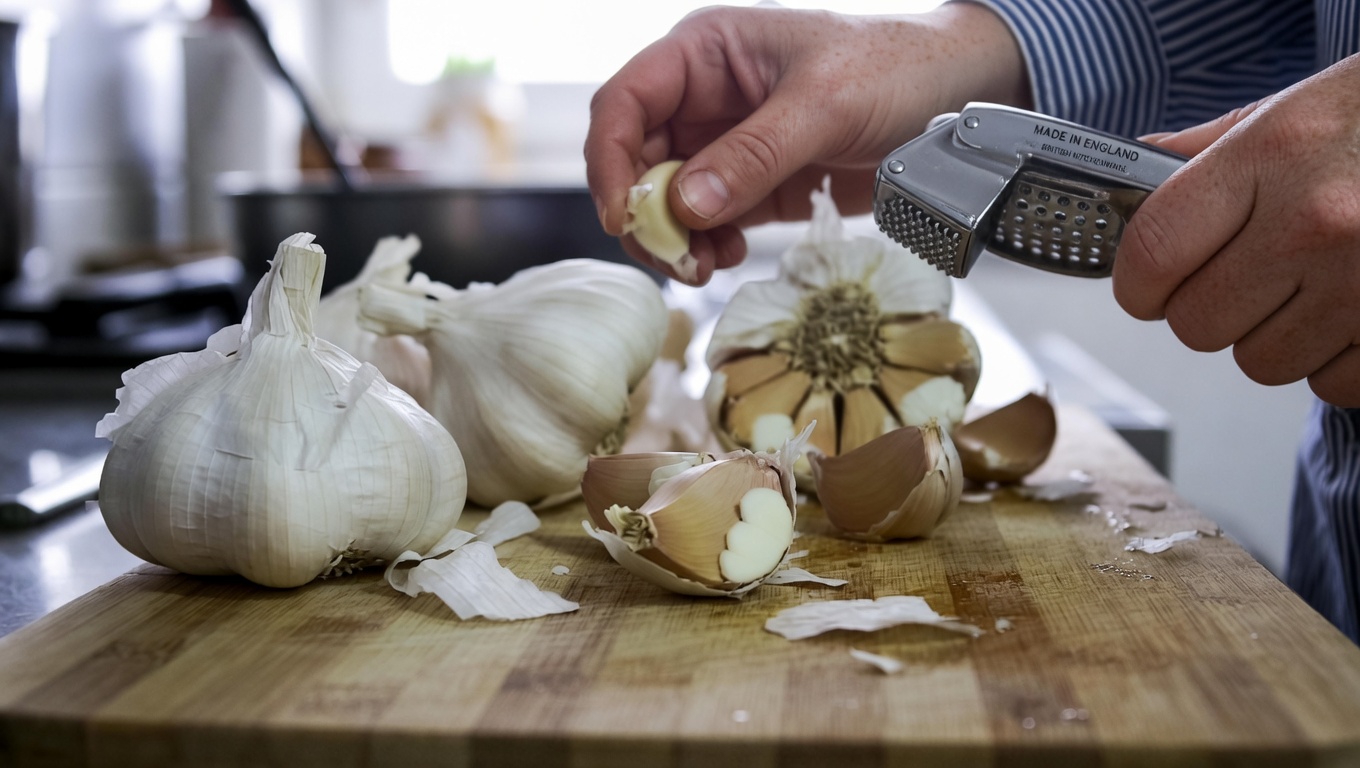
- Let it rest for 10 to 15 minutes before eating or cooking
- Use cooked garlic if raw garlic irritates your digestive system
Allowing garlic to sit briefly helps its beneficial compounds develop while slightly softening its intensity. Cooking also reduces its sharpness and is often easier on the stomach.
Mistake 3: Taking Large Amounts of Garlic on an Empty Stomach
Some people eat several raw cloves first thing in the morning, assuming it is the best way to maximize benefits. In reality, doing this without food can increase the risk of nausea, acid reflux, and stomach discomfort.
Because garlic is concentrated, it can feel much stronger when it hits an empty digestive system.
How to avoid it:
- Eat garlic with meals rather than alone
- Add it to soups, sauces, stir-fries, or dips
- If you prefer raw garlic, mix a small amount into yogurt or salad dressing
Mistake 4: Overlooking Garlic’s Possible Interaction With Medications
Garlic has natural properties that may influence how certain medications work. This is especially important for people taking blood thinners, diabetes medications, or other ongoing prescriptions.
How to avoid it:
- Speak with a healthcare professional before significantly increasing your garlic intake
- Be especially cautious if you take medication regularly
- Ask for guidance before surgery or medical procedures
Personalized advice is important here, since the right amount can vary depending on your health status and treatment plan.
Mistake 5: Storing Homemade Garlic-Infused Oil the Wrong Way
Garlic-infused oil can be delicious, but it must be handled carefully. Keeping chopped garlic in oil at room temperature can create an environment where dangerous bacteria may grow. In rare cases, this can lead to serious food safety risks such as botulism.
How to avoid it:
- Store homemade garlic oil in the refrigerator
- Use it within a few days
- Throw it away if it has been left at room temperature for more than two hours
- Choose commercially prepared garlic oils when possible, since they are often made with added safety controls
Mistake 6: Ignoring Garlic Breath and Body Odor
Garlic’s sulfur compounds do not just stay in the mouth. They can also enter the bloodstream and lungs, which is why the smell may linger long after a meal. Brushing alone is not always enough to fully remove it.
How to avoid it:
- Chew parsley, mint, or apple after eating garlic
- Drink milk or eat yogurt if that works well for you
- Stay hydrated throughout the day
Quick ways to reduce garlic breath:
- Eat chlorophyll-rich foods like basil or spinach
- Brush your teeth and tongue carefully
- Use an odor-control mouthwash
- Drink green tea for its natural deodorizing properties
Mistake 7: Putting Raw Garlic Directly on the Skin
Some people experiment with garlic as a topical remedy, but raw garlic can be surprisingly harsh on the skin. It may cause irritation, burns, or allergic reactions, especially for those with sensitive skin.
How to avoid it:
- Do not apply raw garlic directly without caution
- If using it for skin-related purposes, dilute it heavily
- Try a patch test first
- Stop immediately if redness, burning, or irritation appears
- Consult a professional for skin concerns
Mistake 8: Failing to Adjust for Your Own Sensitivities
Garlic tolerance is not the same for everyone. People with GERD, IBS, food sensitivities, or allergies may react strongly even to moderate amounts. A preparation that works well for one person may cause discomfort for another.
How to avoid it:
- Pay attention to how your body feels after eating garlic
- Track which forms and amounts seem easiest to tolerate
- Reduce your intake if symptoms continue
- Consider milder options, such as garlic powder used in cooking
Listening to your body is one of the most important steps if you want to enjoy garlic comfortably.
One Simple Tip Many People Miss
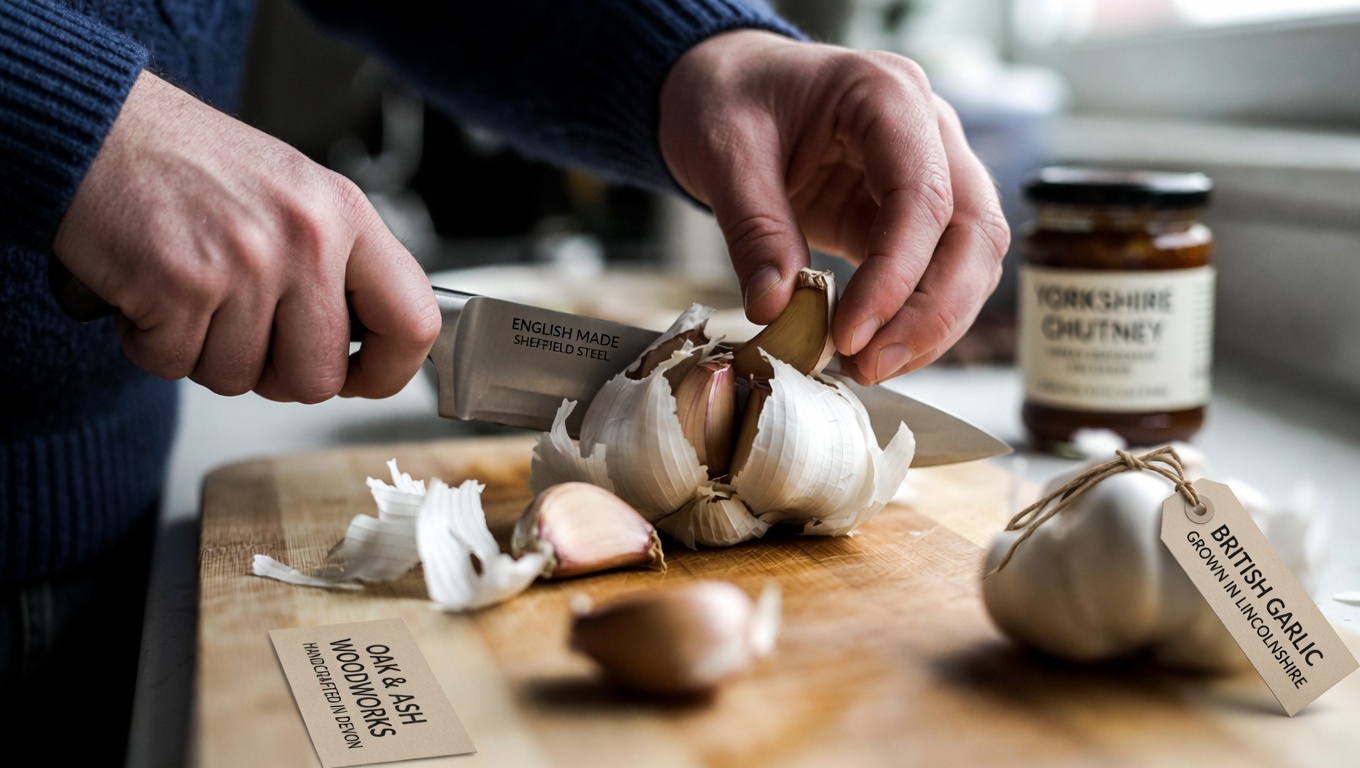
A small but effective adjustment is to crush garlic and let it rest before using it. This helps activate its key compounds more fully and may improve the balance between potential benefits and intensity. For many people, this simple step can make garlic easier to tolerate while still delivering the qualities they want.
Final Thoughts: Enjoy Garlic in a Smarter Way
Garlic can be a flavorful and supportive part of your diet when used carefully. By avoiding these eight common mistakes, including overeating it, using it at the wrong time, ignoring medication interactions, and storing it unsafely, you can make your experience with garlic much more enjoyable.
The best approach is simple:
- Use garlic in moderation
- Prepare it properly
- Pair it with food
- Adjust based on your personal tolerance
With a few smart habits, you can enjoy garlic’s flavor and potential wellness benefits with far less discomfort.
Frequently Asked Questions
How much garlic is considered safe per day?
Many sources suggest that 1 to 2 cloves daily is a reasonable amount for general use. However, tolerance differs from person to person, so it is best to start small and see how your body responds.
Does cooked garlic have fewer side effects than raw garlic?
Yes. Cooking garlic often makes it gentler on the stomach and may also reduce strong odor and irritation compared with raw garlic.
Can garlic trigger an allergic reaction?
Yes, some people may have a sensitivity or allergy to garlic. Symptoms can include a rash, digestive problems, or other discomfort. If you think garlic is causing a reaction, avoid it and speak with a healthcare provider.