Early Menopause Can Start Quietly: 10 Warning Signs and Natural Habits to Restore Balance
You wake up in the middle of the night again—drenched in sweat. A menstrual cycle that used to be predictable now feels random. On top of that, you may notice you’re more tired, emotionally sensitive, or irritable than usual—even though you’re only in your early 40s. When these changes begin to disrupt your routine, relationships, and overall well-being, it’s normal to feel confused or worried.
Early menopause—menopause that happens before age 45—affects around 5% of women. Because hormone shifts can mimic other health issues, it’s easy to miss at first. Still, spotting the signs early can make a major difference in how you manage symptoms and protect long-term health. Below you’ll find 10 key early menopause symptoms, plus practical steps many women use to regain a sense of control. Stay with the article to the end for a simple lifestyle adjustment that many women say helps multiple symptoms at once.
What Is Early Menopause—and Why Does It Matter?
Early menopause occurs when periods stop—or become consistently irregular—before 45, most often due to a drop in estrogen. When it happens before 40, it is often referred to as premature menopause or primary ovarian insufficiency (POI).
Estrogen supports several essential functions in the female body, including:
- Heart health
- Bone strength
- Emotional and mood stability
When estrogen declines earlier than expected, the long-term risk of issues such as osteoporosis and cardiovascular disease may increase over time. The encouraging news: the sooner you recognize early menopause signs, the more options you have to manage symptoms through healthy habits and professional support.
The 10 Most Common Signs of Early Menopause
1. Irregular Menstrual Cycles
Your period may come earlier, arrive late, or skip for months. Flow can also change—becoming noticeably heavier or lighter than your usual pattern.
2. Hot Flashes
Sudden waves of heat often start in the chest or neck and rise toward the face. They may be accompanied by sweating, flushing, or chills afterward.
3. Night Sweats
Intense hot flashes at night can soak pajamas or sheets and repeatedly interrupt sleep.
4. Mood Changes
Emotional ups and downs, irritability, anxiety, or a low mood that appears without a clear reason.
5. Vaginal Dryness
Lower estrogen can reduce natural lubrication, leading to irritation, discomfort, or pain during intimacy.
6. Sleep Problems
Trouble falling asleep or staying asleep—even on nights without obvious night sweats.
7. Persistent Fatigue
A lingering tiredness that doesn’t fully improve with rest.
8. Memory Slips or “Brain Fog”
Misplacing items, forgetting words, or struggling to focus and concentrate.
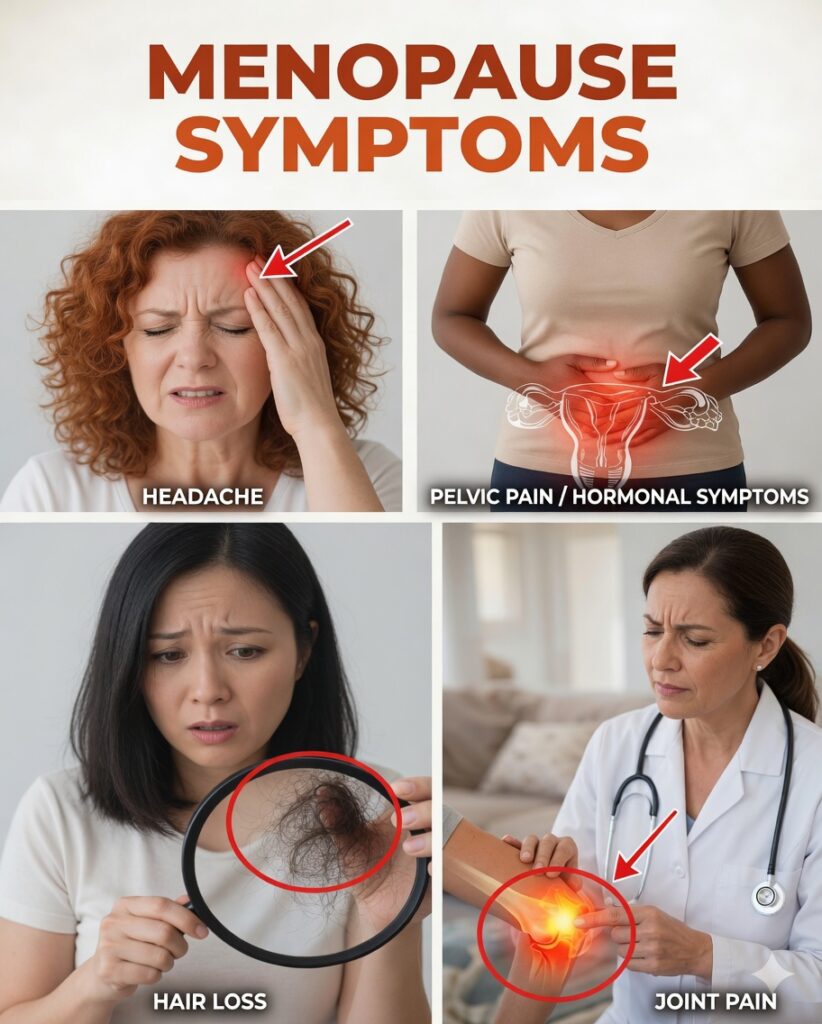
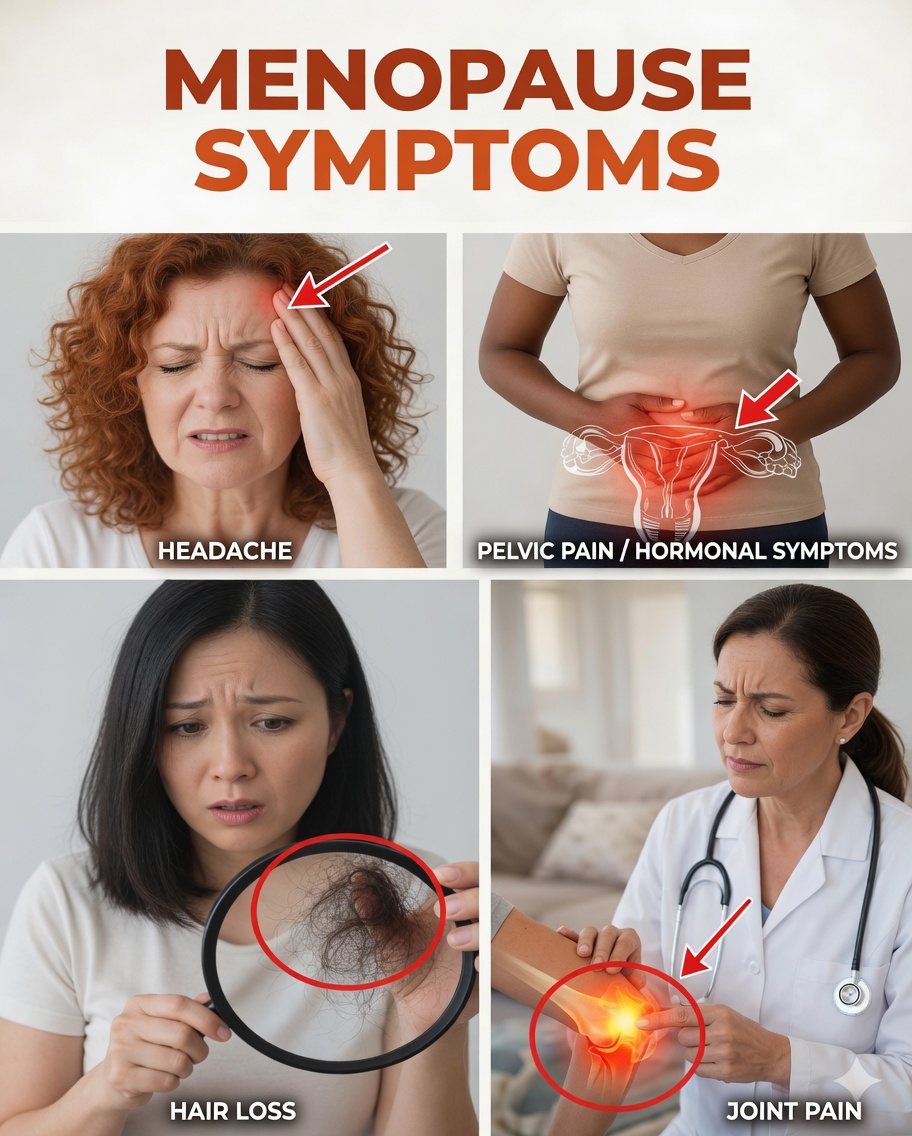
9. Thinning Hair or Drier Skin
Hormonal shifts can influence collagen production and the skin’s natural oils, leading to dryness and changes in hair thickness.
10. Reduced Fertility
As ovarian reserve declines, the chances of getting pregnant can drop significantly.
Other Symptoms Many Women Also Notice
Beyond the main early menopause symptoms, some women report:
- Joint aches or stiffness
- Unexpected weight gain or weight loss
- Frequent urination
- Lower libido
Because every body responds differently, tracking symptoms over time can help you identify patterns and discuss them more clearly with a healthcare professional.
Possible Causes and Risk Factors
In many cases, early menopause has no single obvious cause. However, the likelihood may be higher with:
- A family history of early menopause
- Autoimmune conditions
- Smoking
- Cancer treatments (chemotherapy or radiotherapy)
- Surgical removal of the ovaries
What You Can Do Right Now: Practical Lifestyle Steps
Small, consistent changes can noticeably improve symptom control and daily quality of life.
Track your symptoms
Use an app or a notebook to record your cycle, sleep, mood, hot flashes, and energy levels. This can reveal trends that aren’t obvious day-to-day.
Make sleep a priority
Keep your bedroom cool, reduce screen time before bed, and use relaxation techniques to help your nervous system wind down.
Move your body regularly
Activities like walking, yoga, swimming, or strength training can support mood, help maintain a healthy weight, and protect bone health.
Support hormones through nutrition
Focus on foods rich in:
- Calcium
- Vitamin D
- Nutrient-dense whole foods that support overall hormonal balance
Manage stress consistently
Deep breathing, meditation, and true downtime can help reduce irritability and may ease hot flashes for some women.
Choose lightweight, breathable clothing
Natural, breathable fabrics can make hot flashes and night sweats easier to tolerate.
Many women find that combining these habits creates a helpful “domino effect”: better sleep improves mood, improved energy encourages movement, and regular movement can reduce multiple symptoms at once.
When to See a Doctor
If you are under 45 and notice persistent cycle changes—especially missed periods for several months—schedule a visit with a healthcare professional. They can evaluate symptoms, order hormone testing when appropriate, and rule out other conditions that can look similar.
Getting support early often opens the door to more effective symptom management and long-term prevention strategies.
Conclusion
Early menopause can feel intimidating at first, but recognizing the signs is the first step toward handling it with clarity and confidence. From irregular cycles to mood changes and brain fog, these symptoms are real—and they deserve attention.
With the right information, supportive lifestyle habits, and professional guidance when needed, many women move through this stage with greater balance, comfort, and quality of life.
Disclaimer: This article is for informational purposes only and does not replace professional medical advice. Always consult a qualified healthcare provider for personal evaluation and individualized guidance.