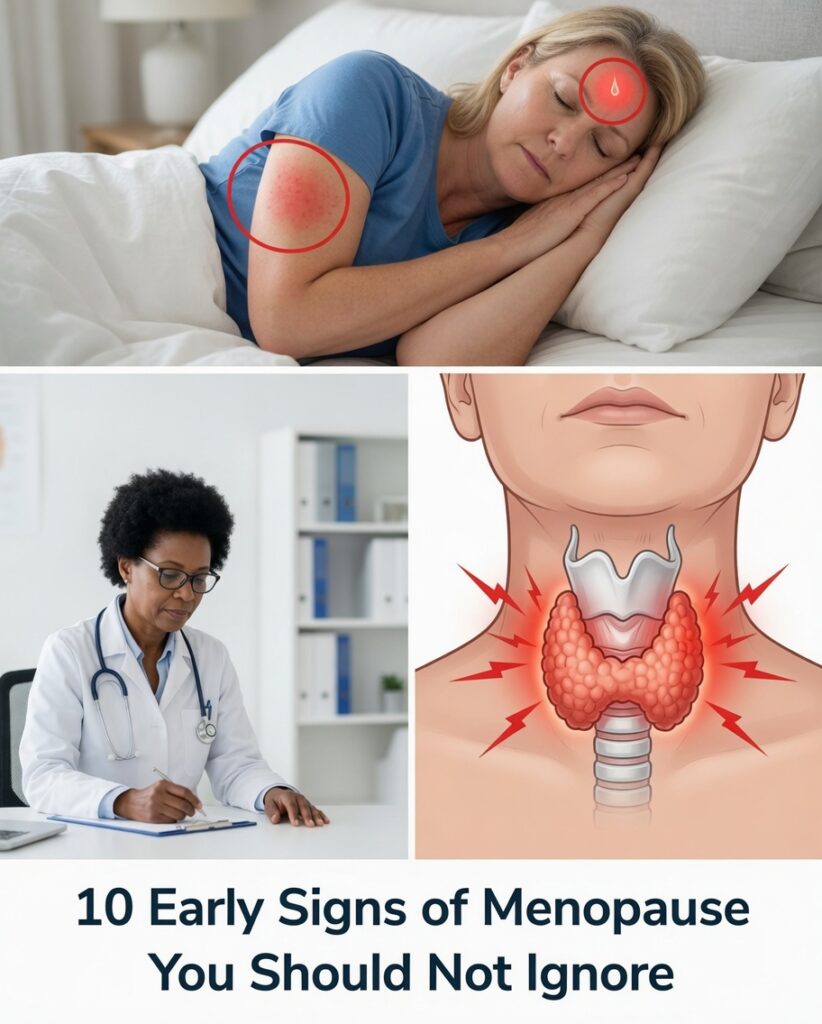
10 Quiet Signs of Early Menopause Many Women Miss (and Natural Ways to Feel Better)
Waking up drenched in sweat at night is a symptom many women associate with menopause. But what about an odd metallic taste after meals? Or that “sand in the eyes” feeling that makes reading uncomfortable? These subtle changes often fly under the radar.
Many women in their 40s and 50s blame these shifts on stress, fatigue, or “just getting older.” Only later do they realize the symptoms may be connected to hormonal changes during perimenopause and early menopause.
The challenge is that even “small” symptoms can disrupt sleep, productivity, and everyday comfort. The upside: noticing early menopause signs sooner can help you manage this stage of life more confidently—often with simple, natural strategies. And there’s a surprising connection behind several of these signals: fluctuating hormones can affect far more than the reproductive system.
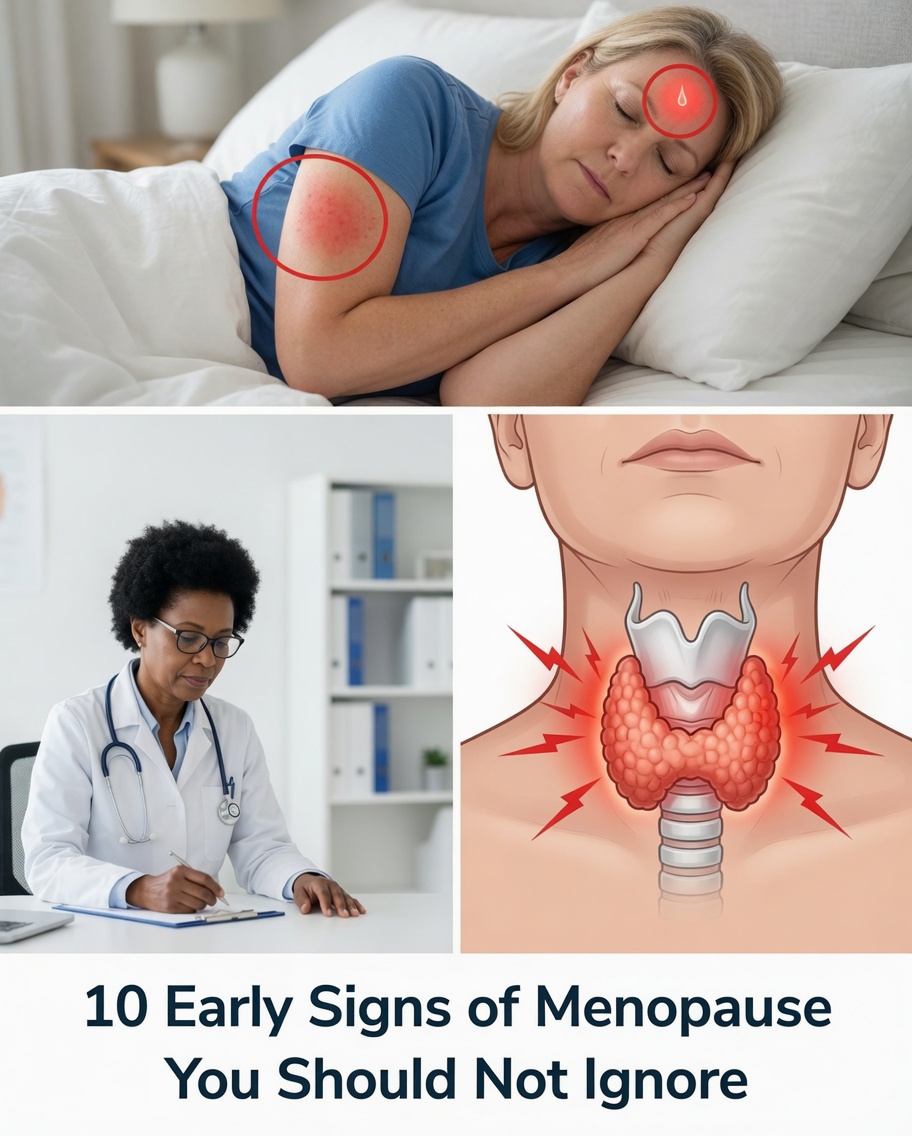
Perimenopause vs. Early Menopause: What’s Happening in the Body?
Perimenopause is the transition phase leading up to menopause. It commonly begins in the early-to-mid 40s and may last 4 to 8 years. Menopause is confirmed after 12 consecutive months without a period. While the average age is around 50, symptoms can show up much earlier.
This happens because estrogen and progesterone levels start to rise and fall unevenly. These hormones don’t only regulate the menstrual cycle—they also influence the brain, skin, joints, eyes, digestion, and sensory nerves. That’s why early menopause symptoms can look unrelated at first.
10 Lesser-Known Signs of Early Menopause
1. Metallic Taste or Burning Mouth
Some women notice a lingering metallic flavor or a burning sensation on the tongue. Often called burning mouth syndrome, this can be linked to lower estrogen affecting oral tissues and saliva production.
- Helpful habits: stay hydrated, and limit very acidic or spicy foods if they trigger symptoms.
2. Dry, Irritated, Light-Sensitive Eyes
If your eyes sting, feel gritty, or get worse after screen time, reduced tear production may be involved.
- Gentle support: artificial tears can help, and omega-3-rich foods are often recommended for eye comfort.
3. Voice Changes (Hoarseness or Vocal Fatigue)
A voice that becomes raspy or tires quickly can be another overlooked perimenopause sign. With less estrogen, the vocal cords may become drier and less flexible.
- Try: drink water regularly and reduce excess caffeine if it worsens dryness.
4. Ringing in the Ears (Tinnitus)
Persistent ringing, buzzing, or hissing sounds may appear or intensify during perimenopause. Some research suggests hormonal shifts can influence auditory pathways.
- What may help: relaxation techniques and stress management to reduce perceived intensity.
5. Dizziness or Feeling Off-Balance
Episodes of lightheadedness—especially when standing up quickly—can occur. Hormonal changes may affect circulation and the inner ear.
- Practical tips: rise slowly, hydrate well, and consider gentle movement (like walking).
6. Joint Pain and Morning Stiffness
Sore knees, aching hips, or stiff fingers upon waking can happen even without arthritis. Estrogen plays a role in inflammation control and joint protection.
- Natural relief: light walks, stretching, and warm compresses for stiffness.
7. Tingling or “Electric” Sensations
Pins-and-needles feelings or brief shock-like sensations in hands, arms, or legs can be linked to hormonal effects on the nervous system.
- If frequent or severe, it’s worth discussing with a clinician to rule out other causes.
8. Memory Slips and “Brain Fog”
Forgetting words, losing focus, or feeling mentally slower is a very common perimenopause symptom. Estrogen supports multiple brain functions, including attention and recall.
- Support strategies: prioritize sleep, exercise regularly, and keep the brain active with reading or puzzles.
9. Changes in Body Odor
You may notice your natural scent changing. Hormones can shift how sweat glands behave, and temperature swings can increase sweating.
- Helpful basics: breathable fabrics, consistent hygiene, and hydration.
10. Digestive Changes
Bloating, slower digestion, and irregular bowel habits can show up during this transition. Hormones influence metabolism and may affect the gut microbiome.
- Consider: fiber-rich foods, probiotics, and steady hydration for digestive balance.
What You Can Do Right Now (Natural Ways to Ease Symptoms)
Many early menopause symptoms improve with small lifestyle adjustments:
- Sleep 7–9 hours and keep your bedroom cool.
- Drink water consistently throughout the day.
- Add omega-3s, fiber, and probiotics to your diet.
- Do gentle exercise several times a week (walking, yoga, stretching).
- Use deep breathing or meditation daily to reduce stress.
It can also help to track symptoms day by day. A simple log can reveal patterns and makes it easier to discuss what you’re experiencing with a healthcare professional if needed.
Conclusion
These lesser-known early menopause signs don’t have to control your schedule or your mood. Recognizing that they may be connected to perimenopause can bring clarity—and help you act sooner. With practical, natural changes, many women notice real improvements in comfort, energy, and confidence. Listening to your body is often the first step toward moving through this transition with more balance and control.