Feeling “Off” After a Full Night’s Sleep? It Could Be Early Menopause
You get enough sleep, yet still wake up drained. Your emotions feel harder to predict, your menstrual cycle starts changing, and your body no longer feels quite like your own. It can be unsettling, frustrating, and easy to brush off as stress or normal aging.
However, these shifts may be early signs of menopause arriving sooner than expected. Understanding what is happening can help you respond earlier, make informed choices, and feel more in control.
What Early Menopause Means and Why It Is Important
Early menopause refers to menopause that occurs before age 45. Findings from major population research, including studies published in journals like The Lancet, along with guidance from groups such as the North American Menopause Society, show that while it is not extremely common, it does affect a meaningful number of women.
Menopause is officially confirmed after 12 straight months without a menstrual period. When that point is reached earlier than average, it is considered early menopause.
This matters because hormonal changes affect far more than monthly bleeding. They can influence:
- Sleep quality
- Bone strength
- Heart health
- Memory and concentration
- Emotional stability
Identifying the warning signs early gives you the chance to seek medical advice and adopt supportive habits before symptoms become more disruptive.
Some of these signs are obvious. Others are easy to miss.
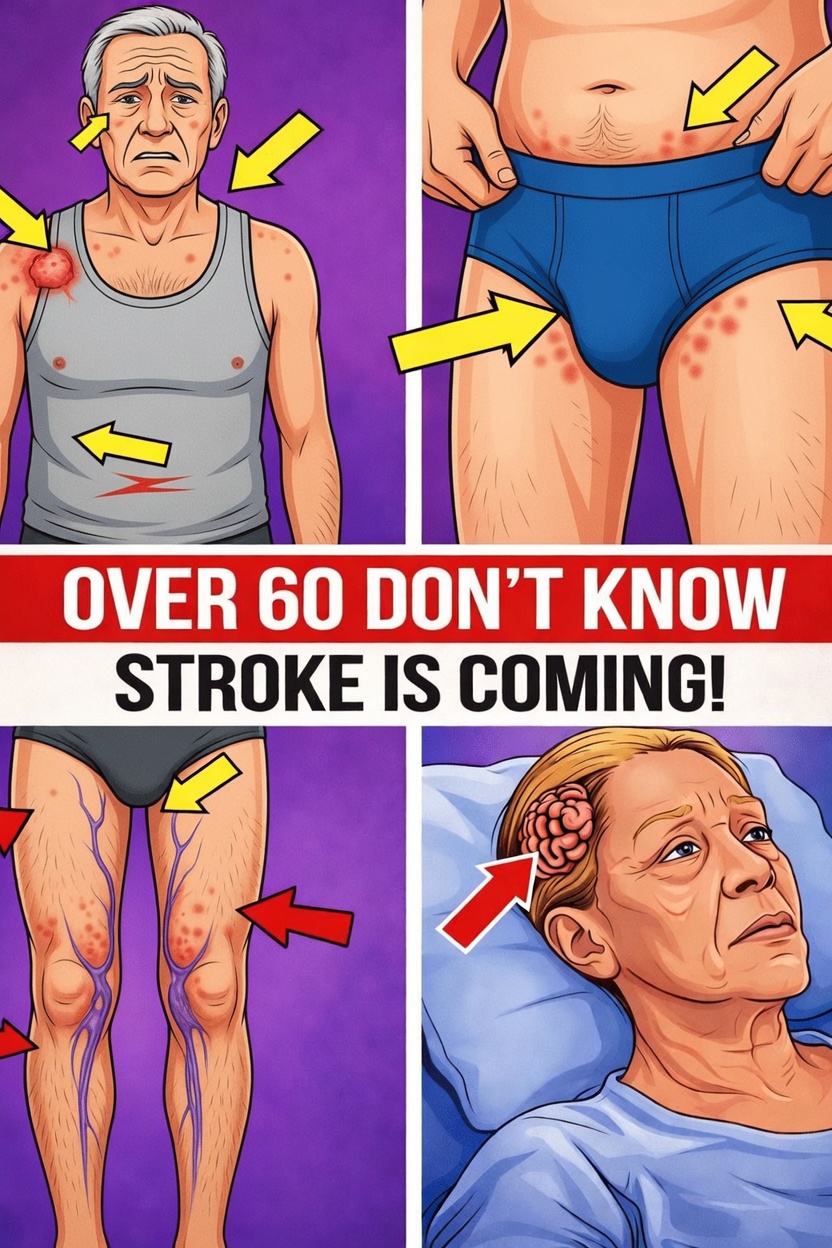
10 Early Menopause Symptoms You Should Pay Attention To
1. Irregular Periods
For many women, this is the first noticeable change.
Your periods may:
- Come closer together
- Arrive less often
- Skip entire months
- Become heavier or lighter than usual
An irregular cycle does not always mean menopause, but ongoing unpredictability can be one of the earliest clues.
2. Hot Flashes and Night Sweats
Sudden heat spreading through the chest, neck, or face is a classic symptom. At night, sweating may become intense enough to soak sleepwear or sheets and interrupt rest.
Research suggests that changing estrogen levels affect the brain’s temperature regulation system, which can trigger these episodes.
3. Sleep Problems
You may fall asleep normally, only to wake up in the middle of the night and struggle to return to rest.
Even without night sweats, hormonal fluctuations can interfere with melatonin and cortisol patterns, making deep, restorative sleep harder to maintain.
4. Mood Swings
You might notice that you feel:
- More easily irritated
- More anxious than usual
- Emotionally reactive or sensitive
Estrogen plays a role in serotonin activity, one of the brain’s major mood-related chemicals. When hormone levels shift, emotional balance can shift too.
5. Vaginal Dryness or Discomfort
As estrogen declines, natural lubrication and tissue elasticity may decrease.
This can lead to:
- Dryness
- Mild irritation
- Pain or discomfort during intimacy
Many women hesitate to bring this up, but it is both common and treatable with the right support.
6. Lower Libido
A reduced interest in sex is not simply “in your head.”
Hormonal changes, disrupted sleep, fatigue, and emotional stress can all affect sexual desire during this stage.
7. Brain Fog
You enter a room and forget why you went there. Simple words suddenly feel harder to recall.
This mental fuzziness is frequently reported during hormonal transitions. Researchers believe estrogen supports certain memory-related functions, which may help explain these temporary cognitive changes.

8. Joint and Muscle Pain
Estrogen is also involved in inflammation regulation.
As levels fluctuate, some women notice new aches or stiffness in areas such as:
- Knees
- Shoulders
- Fingers
It can feel like aging has sped up overnight, even in your 30s or early 40s.
9. Weight Gain Around the Waist
Even if your eating habits stay the same, body fat may begin to collect more around the abdomen.
This shift is often linked to hormonal and metabolic changes during the menopause transition.
10. Breast Tenderness or Changes
Before periods become very infrequent, hormone fluctuations may cause the breasts to feel sore, swollen, or different in fullness.
Not everyone will experience all of these symptoms. Some women only notice two or three, which is one reason early menopause can be overlooked.
Early Menopause vs. Perimenopause
These two terms are often confused, but they are not the same.
| Feature | Perimenopause | Early Menopause |
|---|---|---|
| Typical age | Usually late 40s | Before age 45 |
| Periods | Become irregular | Stop completely for 12 months |
| Hormones | Fluctuate | Estrogen remains consistently low |
| Duration | Can last several years | Permanent stage |
Perimenopause is the transition leading up to menopause. Early menopause means that the transition finishes earlier than expected.
Knowing the difference can ease confusion and help you speak more clearly with a healthcare provider.
What Can Cause Early Menopause?
In many cases, there is no single clear reason. Still, research has identified several factors that may contribute, including:
- Family history
- Smoking
- Certain autoimmune diseases
- Surgical removal of the ovaries
- Some medical treatments
If your mother or sister reached menopause early, your own chances may be higher.
That said, genetics can influence risk, but they do not control everything. Daily habits still make a difference.
Practical Steps You Can Start Today
This is where the situation becomes more manageable. While you cannot change every biological factor, you can support your health in meaningful ways.
1. Track Your Symptoms
Keep a record of:
- Menstrual cycle changes
- Sleep quality
- Mood patterns
- Physical symptoms
After a few months, trends often become easier to spot. This information can also be very useful during a medical appointment.
2. Protect Your Bones
Estrogen helps maintain bone density. As hormone levels fall, bone strength may gradually decline.
Helpful habits include:
- Weight-bearing exercise, such as walking
- Light strength training
- Getting enough calcium
- Maintaining healthy vitamin D levels
- Safe sun exposure when appropriate
Research consistently links physical activity with better bone and heart health during menopause.
3. Support Cardiovascular Health
Some studies associate early menopause with a modest increase in cardiovascular risk.
Focus on:
- A balanced diet rich in vegetables, whole grains, and healthy fats
- Regular movement throughout the week
- Stress management
Small routines practiced consistently can offer long-term benefits.
4. Improve Sleep Habits
Better sleep hygiene can reduce the impact of hormonal changes. Try to:
- Go to bed and wake up at the same time each day
- Reduce screen exposure before sleep
- Keep the bedroom cool and comfortable
If night sweats are disrupting rest, breathable fabrics and layered bedding may help.
5. Take Emotional Health Seriously
Mood changes are not a sign of weakness.
Useful strategies may include:
- Regular exercise
- Mindfulness practices
- Breathing exercises
- Honest conversations with trusted friends
- Professional mental health support when needed
Emotional well-being is a key part of your overall health.
6. Speak to a Healthcare Professional Early
If you suspect early menopause, do not wait too long to get guidance.
A provider may:
- Review your symptom history
- Recommend blood tests when appropriate
- Discuss management and treatment options
Early evaluation can support better long-term planning and reassurance.
The Overlooked Issue: Stress Management
One factor many women underestimate is chronic stress.
Ongoing stress can worsen menopause-related symptoms, especially because elevated cortisol may affect:
- Sleep
- Mood
- Weight distribution
- Hot flash intensity
Even a short daily relaxation routine can make a difference over time.
Simple options include:
- Deep breathing
- Gentle yoga
- A short walk in the evening without your phone
These habits may seem small, but consistency is what makes them effective.
When You Should Seek Medical Care Right Away
Although many symptoms are common during hormonal transitions, some require prompt evaluation.
See a doctor urgently if you experience:
- Very heavy bleeding
- Bleeding after 12 months without a period
- Severe depression
- Chest pain
- Any sudden, intense, or alarming symptoms
These signs need medical attention to rule out other conditions.
The Emotional Side of Early Menopause
Early menopause can affect more than the body. It may also bring grief, uncertainty, or a sense of loss.
You may struggle with:
- Fertility ending earlier than expected
- Changes in identity
- Worries about aging
These reactions are real and valid.
Talking about them openly can reduce feelings of isolation. Many women benefit from support groups, counseling, or honest conversations with people they trust.
The reassuring part is that many symptoms become more stable with time.
Summary
Early menopause begins before age 45 and may show up through irregular periods, hot flashes, poor sleep, mood changes, vaginal dryness, brain fog, joint pain, and changes in weight or breast tenderness. Because symptoms can be subtle, it is easy to dismiss them at first.
Recognizing the signs early gives you the opportunity to seek medical advice, support your heart and bone health, improve sleep, manage stress, and care for your emotional well-being. The sooner you understand what your body is telling you, the better prepared you will be to navigate this transition with confidence.