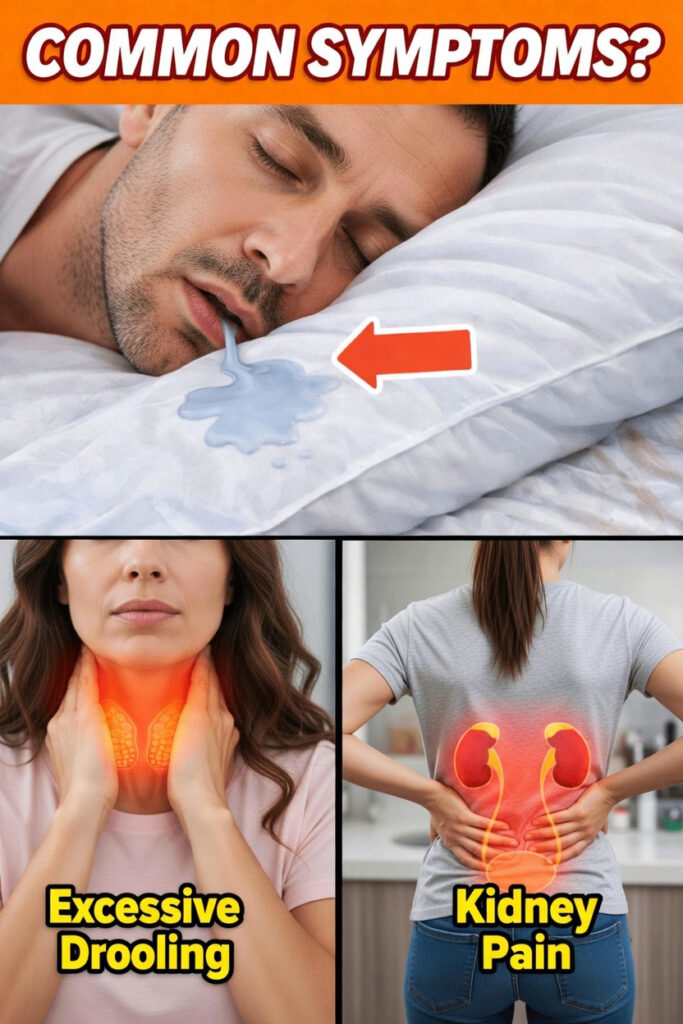
Waking Up With a Wet Pillow? Here’s Why Nighttime Drooling Happens
Finding your pillow damp in the morning after an otherwise decent night of sleep can feel confusing and a bit embarrassing. Yet sleeping with drooling is far more common than many people realize. It may also leave you feeling less refreshed, even when nothing seemed unusual the day before.
In many cases, the reason is not serious at all. Nighttime drooling is often connected to everyday habits, sleep position, breathing patterns, or other health-related factors that are easy to overlook. The good news is that once people understand the possible causes, they can often make small changes that lead to noticeable improvement. And near the end, we will cover one unexpected everyday connection that links several of these causes together.
What Causes Drooling During Sleep?
Drooling in sleep happens when saliva slips out of the mouth because swallowing naturally slows down while you rest. Your body keeps producing saliva around the clock, but under normal conditions, you swallow it automatically without noticing.
When that swallowing process is reduced, or when your mouth stays open during sleep, saliva can collect and leak out. Gravity then takes over, leaving your pillow wet by morning. On its own, this usually is not a major concern. But if it starts happening often, it may point to patterns that are worth paying attention to for better sleep comfort and quality.
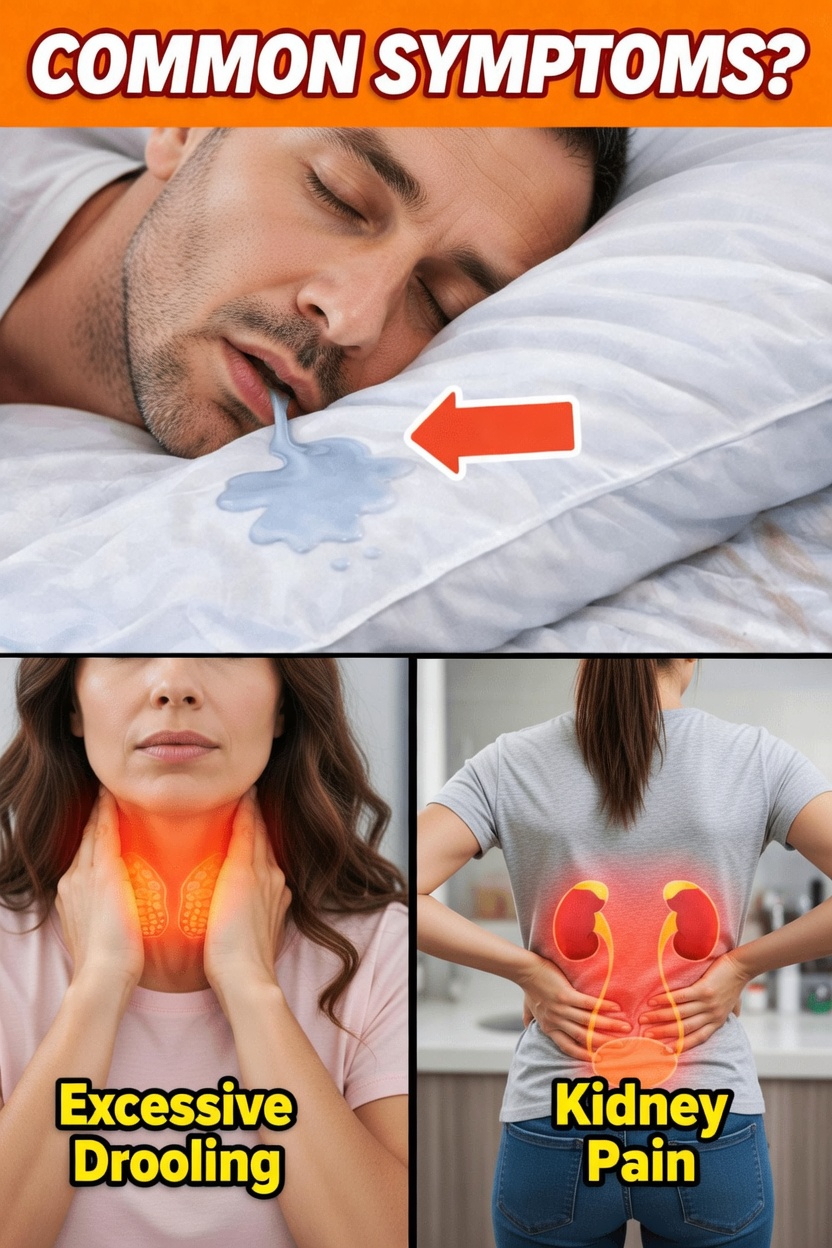
One of the most interesting things about sleep drooling is how many ordinary daily factors can contribute to it. Sleep experts, including sources such as the Sleep Foundation, note that mouth breathing at night is one of the most common reasons saliva builds up and escapes. But that is only one part of the picture.
8 Common Factors Linked to Drooling While Sleeping
Below are eight frequently mentioned reasons that may be associated with drooling during sleep. If any of these sound familiar, they could be playing a role.
1. Side or stomach sleeping
Sleeping on your side or stomach can make it easier for your mouth to fall slightly open. When that happens, saliva is more likely to flow out than if you sleep flat on your back.
2. Nasal congestion
A blocked nose from allergies, a cold, or seasonal irritation often forces you to breathe through your mouth. This can reduce normal swallowing and is strongly associated with more drooling at night.
3. Acid reflux or GERD
Reflux can increase saliva production because the body tries to protect the throat and mouth from stomach acid. As a result, more saliva may be present during sleep.
4. Obstructive sleep apnea
People with obstructive sleep apnea often have repeated interruptions in breathing during the night. This can lead to mouth opening, irregular breathing patterns, and increased saliva escape.
5. Certain medications
Some commonly used medicines, including certain drugs for depression or blood pressure, may cause excess saliva production or relax the muscles around the mouth, making drooling more likely.
6. Teeth grinding
Bruxism, or nighttime teeth grinding, can stimulate the salivary glands and lead to more saliva being produced than usual while you sleep.
7. Dental alignment or oral issues
A bite that does not fit comfortably, misaligned teeth, or recent dental treatment can make it harder to keep the mouth closed naturally overnight.
8. Thyroid-related changes
In some situations, changes in thyroid function may affect swallowing muscles or contribute to mild swelling, making saliva harder to control during rest.
It is also important to remember that more than one factor may be involved at the same time. That is why noticing patterns can be so useful and empowering.
What Research Says
Trusted health organizations and sleep research reviews consistently suggest that occasional drooling is normal, especially during deeper stages of sleep. However, when it happens frequently, it often overlaps with issues involving breathing, muscle relaxation, or mouth position during sleep.
The reassuring takeaway is that nighttime drooling is often manageable. It does not automatically signal anything serious. In fact, research summaries repeatedly point to a common thread across several causes on this list: mouth breathing combined with relaxed throat and jaw muscles.
Simple Ways to Reduce Drooling Starting Tonight
If you want to feel more comfortable right away, there are several easy strategies you can try without buying anything special.
- Sleep on your back and use an extra pillow for head support to encourage breathing through the nose instead of the mouth.
- Stay hydrated during the day and keep water by your bedside so your mouth does not become too dry or irritated overnight.
- Use a humidifier in dry weather or during allergy season to help open nasal passages and reduce mouth breathing.
- Raise the head of your bed slightly if reflux tends to bother you after evening meals.
- Practice gentle tongue and jaw exercises during the day to support the muscles involved in swallowing.
These small changes are simple, low-cost, and for many people, they make a real difference within a few nights.
The Surprising Connection Many People Overlook
Here is the unexpected link mentioned earlier: the resting position of your tongue matters more than most people think.
When the tongue stays gently against the roof of the mouth, saliva is more likely to remain contained. But when the tongue drops lower during sleep, saliva can escape more easily. This lower tongue posture often happens because of the same factors already listed, such as mouth breathing, congestion, relaxed muscles, or jaw position.

Many people are surprised to learn that this one detail connects several causes of nighttime drooling. With consistent daytime awareness, some individuals can gradually improve tongue posture in a natural way over time.
Key Takeaways
Drooling during sleep affects millions of adults, and in many cases, it is tied to common daily factors rather than anything alarming. Your sleep position, breathing habits, allergies, reflux, oral health, and even tongue posture can all influence whether saliva stays in your mouth at night.
Paying attention to these patterns can help you identify what may be contributing. Often, a few small and consistent adjustments are enough to lead to drier pillows, better sleep comfort, and easier mornings.
FAQ
Is drooling during sleep always a sign of a problem?
No. Many healthy adults drool occasionally, especially during deep sleep or when they have a stuffy nose. It usually becomes more worth investigating if it happens most nights or starts affecting your sleep quality or confidence.
Can changing my pillow or sleep position help?
Yes. For many people, switching to back sleeping with good head support helps promote nasal breathing and reduces the chance of saliva leaking out during the night.
When should I speak with a healthcare professional?
If drooling continues for several weeks despite simple lifestyle changes, or if it comes with snoring, daytime fatigue, breathing issues, or other new symptoms, it is a good idea to bring it up at your next medical appointment.
Important Note
This article is for general education and informational purposes only. It is not medical advice, diagnosis, or treatment. If you have concerns about your sleep, breathing, or overall health, consult a qualified healthcare professional.