Big-Leaf Milkweed and Viral Vision Hacks: What’s Really Going On?
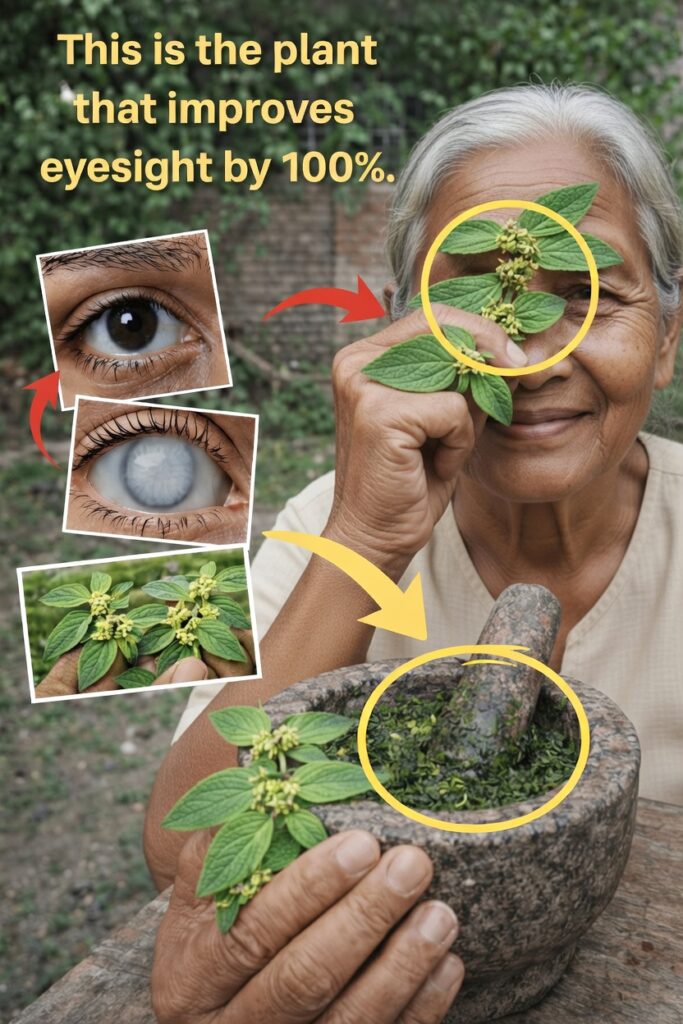
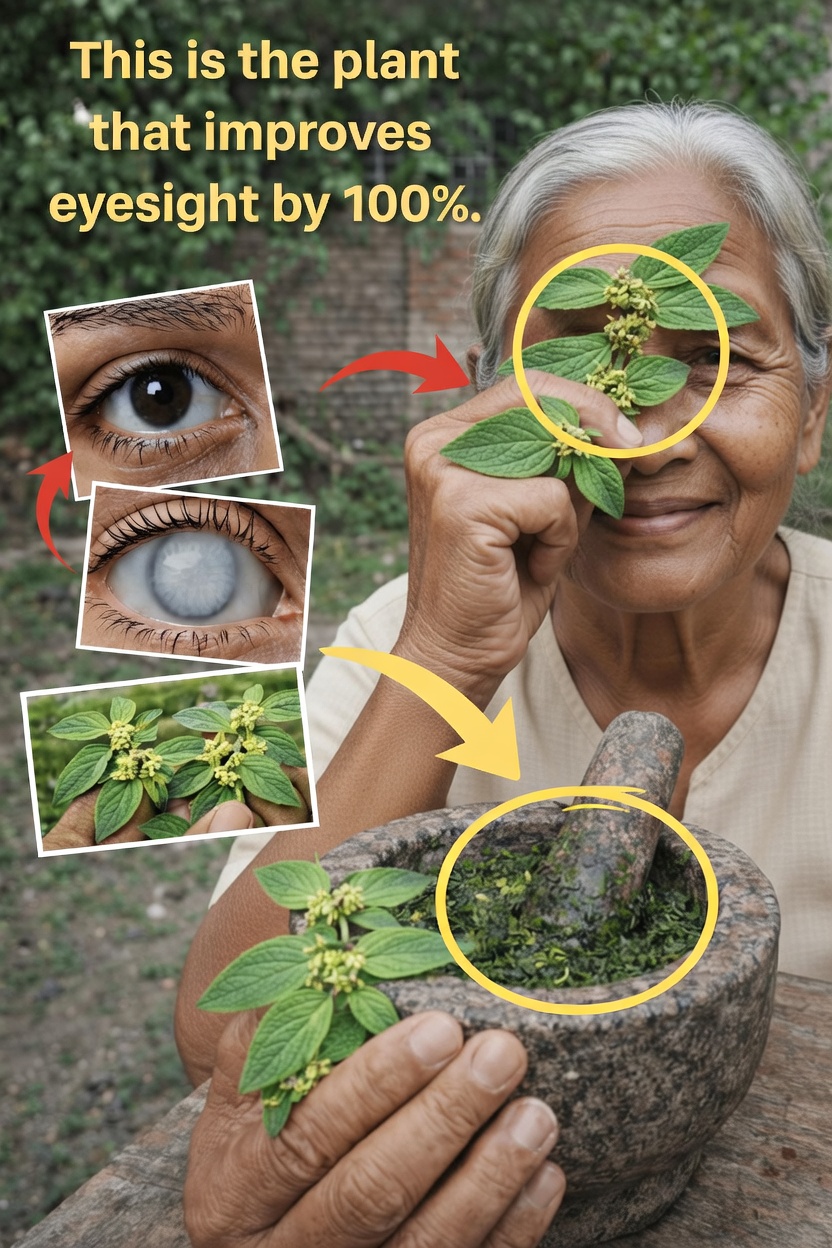
Posts are spreading across social media claiming that a plant nicknamed “Big-Leaf Milkweed” can dramatically sharpen eyesight — sometimes promoted as restoring vision “up to 100%.” The clips often show someone crushing large green leaves with a mortar and pestle, then placing the plant near the eyes or face, paired with dramatic close-up shots of eyes and supposed “before-and-after” results.
These visuals naturally attract attention, especially if you struggle with eye strain from screens, age-related vision changes, or constant tired eyes. The promise of a simple, natural fix is tempting — but it’s essential to look past the hype and examine the facts.
Many people feel worn out by blurry vision, dryness, and discomfort that gradually build up from hours on phones and computers, combined with the normal effects of aging. In that context, a traditional herb that claims to restore eye health can seem like a miracle.
This article takes a closer look at the plant often referred to as “Big-Leaf Milkweed” in these viral posts (likely species from the Calotropis family, such as Calotropis gigantea, known as Aak or Crown Flower in India). We’ll explore its role in traditional herbal practices, what we do and don’t know about its relationship to eye comfort, and practical, safer ways to support eye health naturally. Toward the end, you’ll find simple daily habits you can start using immediately.
What Is “Big-Leaf Milkweed” and Why Is It Trending?
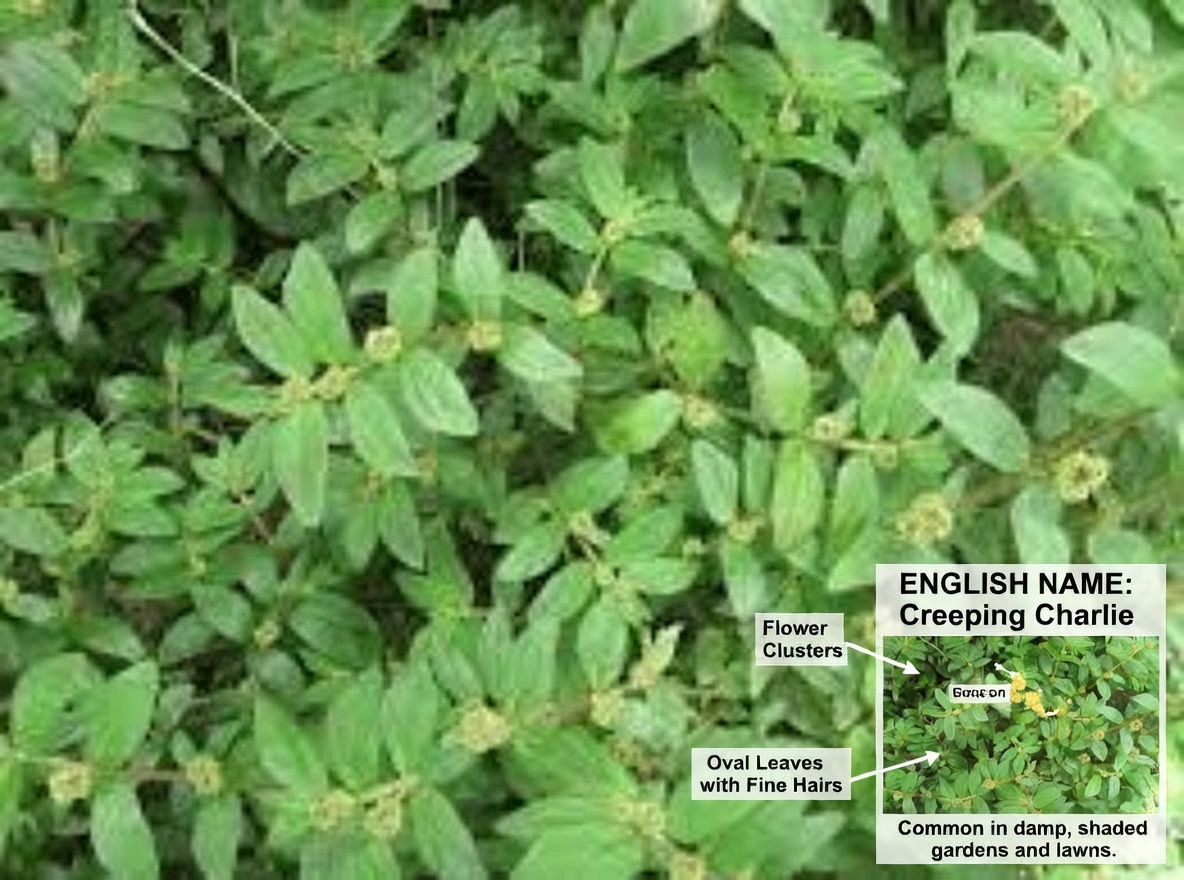
The plant featured in many of these videos is typically a robust shrub with broad leaves, thick stems, and a white, milky sap. It often bears clusters of small, waxy flowers. In traditional medical systems across India and parts of Asia, plants from the Calotropis genus (including Calotropis gigantea and Calotropis procera) have been mentioned for centuries.
Within older texts and folk practices, Calotropis species have been used in various preparations for general wellness. In some regions, parts of the plant have been incorporated into external applications such as poultices, pastes, or washes, passed down through generations as part of local knowledge.
However, modern understanding adds a vital layer of caution. The milky latex produced by Calotropis is known to be irritating and, when misused, can be harmful. Direct contact with the eyes has been associated with pain, redness, and inflammation in documented cases. This is one reason traditional usage often involved specific preparation methods, strict guidelines, and expert supervision.
In other words, this is not a plant to experiment with casually — especially not around the eyes.
Traditional Lore and Today’s Interest in Eye Wellness
Many traditional healing systems value wild plants for their potential to promote overall comfort and vitality, sometimes including eye-related support. In different folk contexts, the approach has often been about easing irritation rather than “curing” vision loss.
Examples of historical or folk-style practices include:
- Preparing leaves or flowers into pastes, decoctions, or infusions for external use.
- Using plant-based preparations to soothe eyes tired from dust, sunlight, or harsh environmental conditions.
- Combining herbs in complex formulas rather than relying on a single plant alone.
In modern times, scientific interest has shifted toward specific natural compounds — such as antioxidants and anti-inflammatory agents — found across many herbs and foods. Researchers study how these compounds might protect tissues, including those in the eyes, from damage caused by oxidative stress and chronic inflammation.
It’s important to note:
- No herbal plant, including Calotropis, has been scientifically proven to restore lost eyesight or deliver “perfect vision.”
- Nutritional science does support the role of certain nutrients — like lutein, zeaxanthin, vitamins A, C, and E, and omega-3 fatty acids — in maintaining long-term eye health.
- Social media often amplifies incomplete or exaggerated claims, skipping over risks and safety considerations.
The bottom line: plants like “Big-Leaf Milkweed” are part of a rich tradition of herbal experimentation, but that doesn’t make them safe or appropriate for home use on your eyes.
Safer Natural Strategies for Protecting Eye Health
Rather than experimenting with potent, poorly understood plants, it’s far wiser to build habits supported by eye-care guidelines and nutrition research. These gentle, evidence-aligned practices can significantly improve comfort and support long-term vision.
Everyday Habits to Ease Eye Strain
Incorporate these simple routines into your day to reduce fatigue and discomfort:
-
Use the 20-20-20 rule
Every 20 minutes, look at something at least 20 feet away for 20 seconds. This helps relax the focusing muscles of your eyes. -
Stay well hydrated
Dehydration can contribute to dry, gritty eyes. Drink water regularly throughout the day. -
Optimize your lighting
Avoid strong glare on your screens. Use softer, indirect lighting and adjust screen brightness so it matches your surroundings. -
Protect your eyes outdoors
Wear sunglasses that block UVA and UVB rays to help protect your retina and lens from UV damage. -
Maintain a healthy distance from screens
Keep screens at arm’s length and slightly below eye level to reduce strain.
Eye-Friendly Foods to Include in Your Diet
What you eat can support the health of your retina, lens, and tear film. Add more of these foods to your meals:
-
Dark leafy greens (spinach, kale, collard greens)
Rich in lutein and zeaxanthin, pigments concentrated in the macula that help filter blue light and protect against oxidative damage. -
Carrots, sweet potatoes, and pumpkin
High in beta-carotene, which the body converts into vitamin A — crucial for low-light vision and maintaining the surface of the eye. -
Citrus fruits and berries (oranges, lemons, strawberries, blueberries)
Provide vitamin C, which supports collagen in the eye and acts as an antioxidant. -
Nuts and seeds (almonds, sunflower seeds, hazelnuts)
Good sources of vitamin E and healthy fats, helping protect cell membranes from oxidative stress. -
Fatty fish (salmon, mackerel, sardines)
Supply omega-3 fatty acids (EPA and DHA), which can help support the tear film and reduce symptoms of dry eye.
Large studies, including the AREDS and AREDS2 (Age-Related Eye Disease Studies), suggest that consistent intake of specific nutrients can help support eye health over time, particularly in older adults at risk for macular degeneration.
Gentle Herbal Options: Safer Than Experimenting with Latex-Containing Plants
If you’re interested in mild herbal support, choose herbs with a better safety profile and a history of use in more gentle preparations:
-
Fennel seed tea
Traditionally sipped for digestion and sometimes used to support general comfort, fennel tea can be enjoyed as a warm drink. Steep about 1 teaspoon of crushed seeds in hot water for 5–10 minutes, then strain. -
Chamomile eye compress
Brew chamomile tea, allow it to cool completely, soak clean cotton pads or cooled tea bags in the infusion, and place them over closed eyelids for several minutes to promote relaxation. Always ensure everything is clean and never use hot liquids on the eyes. -
Bilberry or blueberry extracts
These berries are known for their anthocyanins, antioxidant compounds that may support overall vascular and eye health when consumed as part of a balanced diet or in standardized supplements (under professional guidance).
With any herb, start with small amounts, watch for any irritation or allergic response, and consult a healthcare provider if you have pre-existing conditions or take medications.
A Simple Daily Routine for Eye Comfort
You can begin a gentle eye wellness routine today by combining hydration, nutrition, breaks, and relaxation:
-
Morning: Rehydrate and nourish
- Drink a glass of water, optionally with a squeeze of lemon.
- Include a nutrient-dense food like spinach, eggs, or carrots in your breakfast.
-
During work or study: Schedule breaks
- Use the 20-20-20 rule every 20 minutes.
- Blink consciously when using digital devices to help maintain a healthy tear film.
-
Afternoon: Movement and fresh air
- Take a short walk outside with UV-protective sunglasses to give your eyes a break from screens and artificial light.
-
Evening: Wind down wisely
- Dim the lights and reduce screen time at least 1 hour before bed.
- If desired, apply a cool chamomile compress over closed eyes for 5–10 minutes to relax the eye area.
-
Weekly: Check in with yourself
- Notice changes in eye comfort, dryness, or headaches.
- Adjust your routine and set reminders if you tend to forget breaks or hydration.
These small, consistent behaviors can lead to noticeable improvements without relying on risky or unproven remedies.
Final Thoughts: Choose Sustainable, Safe Eye Care
Herbs like “Big-Leaf Milkweed” and the Calotropis family may be fascinating from a traditional and botanical perspective, but using them around the eyes — especially in the unregulated ways shown online — carries real risks. Viral posts often showcase dramatic claims without context, proper preparation, or safety considerations.
For long-term eye wellness, the most reliable approach combines:
- Balanced, nutrient-rich nutrition
- Healthy daily habits that reduce eye strain
- Protective measures such as sunglasses and proper lighting
- Regular eye examinations with qualified professionals
- A cautious attitude toward any remedy that promises instant or “perfect” vision
Nature provides powerful tools to support health, but they must be used wisely. Prioritizing evidence, safety, and consistency is far more effective than chasing quick-fix trends.
FAQ
What are the most effective natural ways to reduce eye strain from screens?
Helpful strategies include:
- Following the 20-20-20 rule
- Adjusting screen brightness and contrast to match your surroundings
- Positioning screens at a comfortable distance and height
- Using artificial tears if recommended by an eye specialist
- Ensuring your workspace is well lit to avoid glare and harsh reflections
Can what I eat really change my eye health?
Diet can significantly influence eye health over time. Foods rich in:
- Vitamin A (carrots, sweet potatoes)
- Vitamin C (citrus fruits, peppers)
- Vitamin E (nuts, seeds)
- Lutein and zeaxanthin (leafy greens, egg yolks)
- Omega-3 fatty acids (fatty fish, flaxseeds)
help provide the nutrients your eyes need for normal function and protection. Large nutritional studies, such as AREDS and AREDS2, support the role of these nutrients in maintaining vision, especially as you age.
Are herbal eye washes safe for everyone?
Not necessarily. Even gentle herbal preparations require care:
- Mild options like cooled chamomile or fennel infusions may soothe the eye area for some people, but they must be prepared hygienically.
- Always use clean water, utensils, and materials, and never apply hot liquids to the eyes.
- Avoid any plant known to have irritating sap or latex, such as Calotropis, near the eye.
- People with allergies, eye infections, recent eye surgery, or chronic eye conditions should consult an eye-care professional before using any herbal rinse or compress.
When it comes to your vision, it is always better to be cautious and seek expert guidance rather than rely on unproven online trends.