When You Should Not Drink Coconut Water (And How to Enjoy It Safely)
Coconut water is often praised as “nature’s sports drink” thanks to its rich supply of electrolytes, vitamins, and minerals. It’s light, refreshing, and a healthier alternative to many sugary beverages.
However, timing matters. Drinking coconut water at the wrong moment or in certain situations can work against your health rather than support it.
Before you reach for that bottle, make sure you’re not making one of these three common mistakes. Below are the key times you should avoid coconut water—and how to include it smartly in your routine.
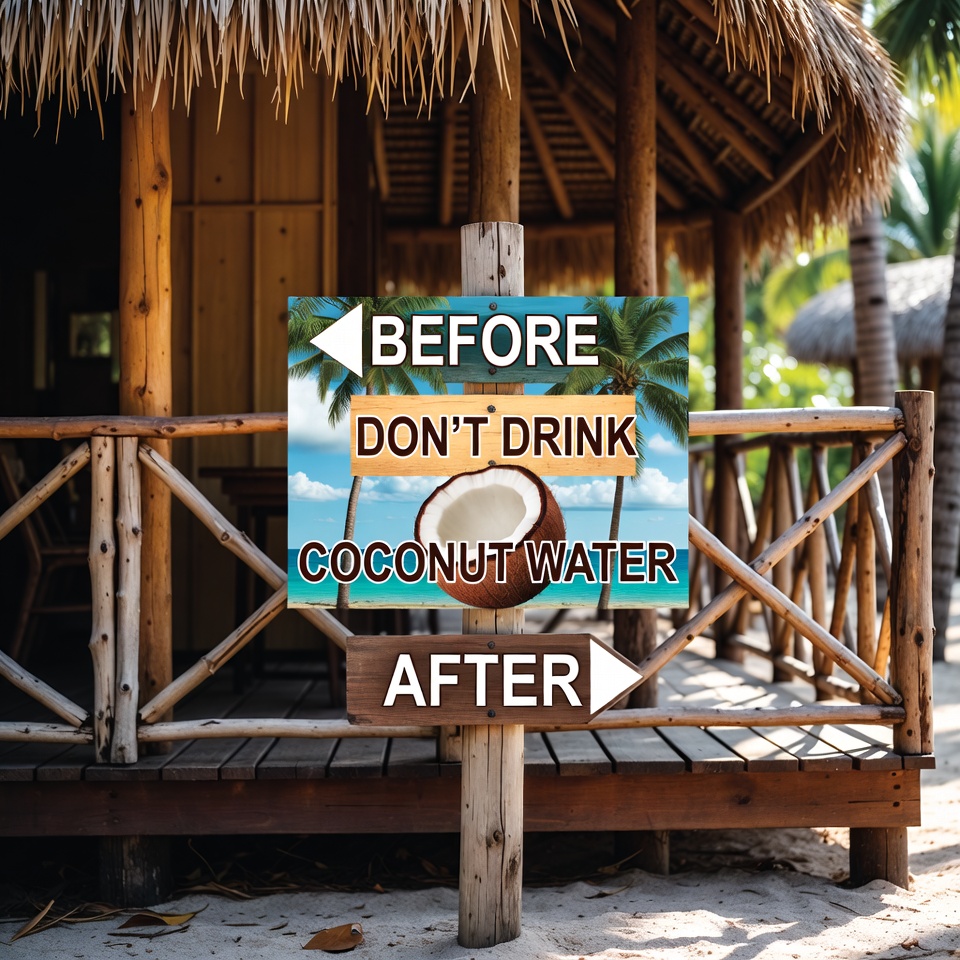
1. Skip Coconut Water Before Working Out
Coconut water shines as a recovery drink after exercise, but it’s not ideal as a pre-workout beverage. Here’s why it may not support your performance as well as you think:
-
Too Low in Carbohydrates
Compared to standard sports drinks, coconut water contains relatively few carbohydrates. That means it doesn’t offer enough quick energy for long, intense training sessions. -
Natural Diuretic Effect
Coconut water has mild diuretic properties, which can increase urine output. Drinking it right before exercise may lead to more bathroom trips and could contribute to dehydration rather than preventing it. -
Not Enough Sodium
During exercise, your body loses significant amounts of sodium through sweat. Coconut water is lower in sodium than many sports drinks, so it may not adequately support electrolyte balance before a tough workout.
Better Choice:
Hydrate with plain water in the hour or two leading up to your workout. Enjoy coconut water after exercising to help replace fluids and electrolytes lost through sweat.
2. Avoid Coconut Water Right Before Bed
Coconut water might seem like a soothing drink to end your day, but having it before bedtime can interfere with your sleep.
-
Can Increase Nighttime Urination
Because it acts as a natural diuretic, coconut water may cause you to wake up more often to use the bathroom, breaking up your sleep and affecting sleep quality. -
May Influence Blood Sugar Levels
Coconut water contains natural sugars. For some people, drinking it late at night can lead to a mild rise in blood sugar, which may make it more difficult to relax and fall asleep.
Better Choice:
If you’re thirsty in the evening, choose plain water or a cup of warm herbal tea without caffeine. Save your coconut water for the morning, midday, or post-workout when your body can use the extra hydration and nutrients more effectively.
3. Do Not Drink Coconut Water Before Surgery or Medical Procedures
This is a particularly important precaution. If you’re scheduled for surgery or certain medical procedures, coconut water can pose risks if consumed too close to the appointment.
-
May Lower Blood Pressure Too Much
Coconut water has a natural blood pressure–lowering effect. Before surgery, this can interfere with how anesthesia and certain medications work, potentially complicating the procedure. -
High Potassium Can Disrupt Heart Function
Coconut water is rich in potassium, an essential mineral for heart rhythm. However, excessive potassium or shifts in electrolyte levels before surgery can affect heart function and create medical complications.
Better Choice:
Doctors often advise avoiding coconut water—and sometimes all liquids and foods—for a specific period before surgery, commonly at least 24 hours for coconut water in particular. Always follow your physician’s instructions and consult your doctor if you are undergoing any medical treatment and are unsure whether coconut water is safe for you.
The Best Way to Drink Coconut Water
To enjoy the benefits of coconut water without unintended side effects, keep these simple guidelines in mind:
-
Drink in Moderation
While nutritious, large amounts of coconut water can lead to digestive discomfort or an excessive intake of potassium for some individuals. -
Choose the Right Time
- After a workout
- In the morning
- On hot days or when you’re mildly dehydrated
These are ideal times for your body to make use of its electrolytes and natural sugars.
-
Read the Label Carefully
Some packaged coconut water products contain added sugars, flavors, or preservatives. For the healthiest option, choose versions that are:- 100% coconut water
- Unsweetened
- Free from artificial additives
-
Combine with Food When Needed
Drinking coconut water alongside a meal can help slow the absorption of its natural sugars, supporting more stable blood sugar levels.
Conclusion: Make Coconut Water Work for You
Coconut water can be a light, refreshing, and nourishing drink—when you consume it at the right moments.
- Avoid it before exercising,
- Skip it before going to bed, and
- Do not drink it before surgery or medical procedures.
Used wisely, coconut water is an excellent way to support hydration, especially after workouts, in the morning, or on hot days.
Do you enjoy coconut water regularly? When do you usually drink it? Share your experience and favorite times to enjoy coconut water!