
7 Simple Habits to Reduce Tingling and Improve Circulation — Start Today
Have you ever felt that “pins and needles” sensation in your fingers or toes—or even noticed an entire hand or foot go numb for no clear reason? Sometimes it’s just a brief annoyance. But what if it starts happening more often? It may be your body’s way of asking for attention.
Many people brush these symptoms off as “sleeping wrong” or having “poor circulation.” Yet tingling can also be linked to nerve health and, in some cases, reflect deeper imbalances in the body. The encouraging part: once you understand the most common triggers, you can take simple, natural steps to support circulation and overall well-being.
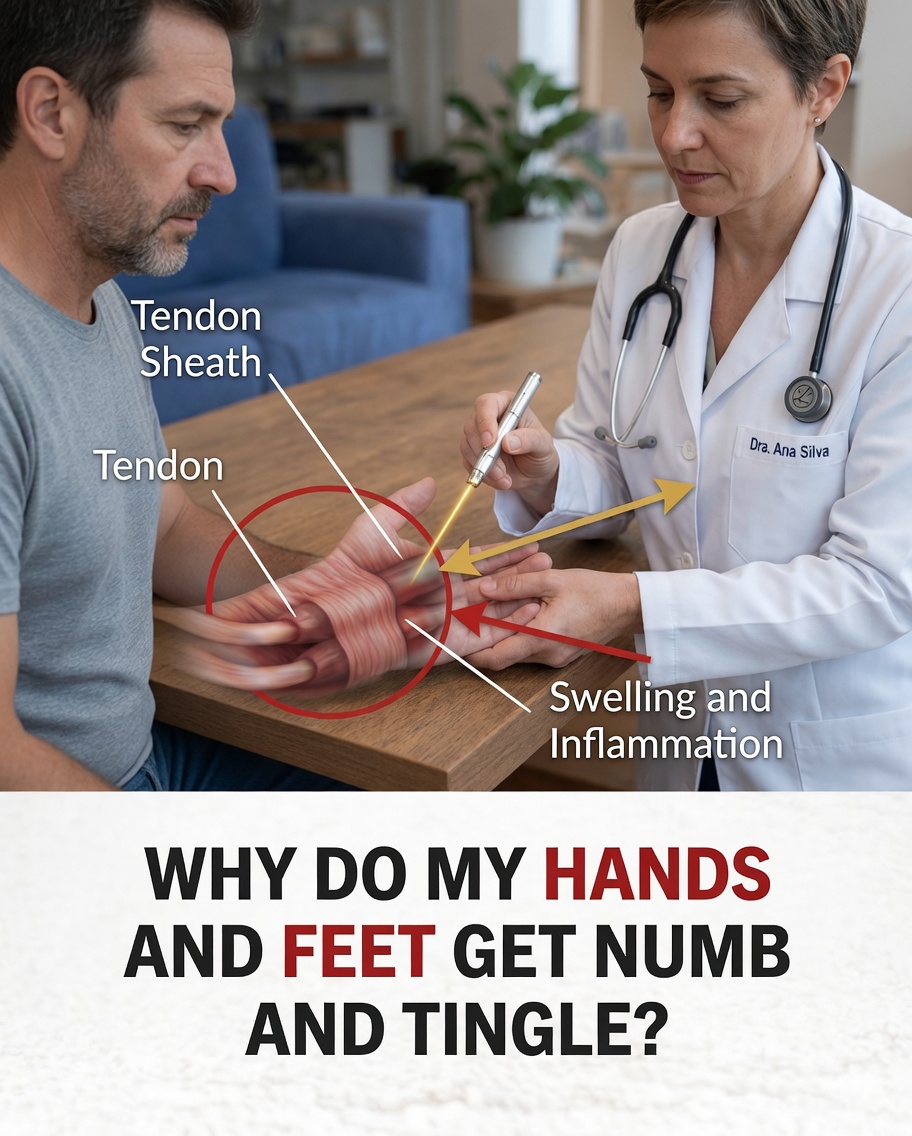
What Causes Tingling and Numbness?
This sensation is often called paresthesia. It happens when nerves don’t transmit signals properly. That disruption can be temporary—such as brief pressure on a nerve—or more ongoing, involving the peripheral nerves, which run from the spine to your arms, hands, legs, and feet.
Common causes include:
- Nerve compression: for example, carpal tunnel syndrome or pressure around the ankles
- Vitamin deficiencies: especially vitamin B12, which is important for nerve function
- Reduced blood flow: staying in the same position too long can limit circulation
- Spinal issues: changes in the cervical (neck) or lumbar (lower back) regions may affect nerves
- Lifestyle factors: repetitive movements, high stress, and even anxiety can play a role
What’s surprising is how often everyday routines quietly contribute to these symptoms.
Everyday Situations That Commonly Trigger Symptoms
You might recognize some of these:
- Sitting with legs crossed for an extended time
- Sleeping with your arm under your body
- Typing for hours without breaks
- Exposure to very cold temperatures
- Wearing tight clothing or accessories
These situations typically cause short-lived tingling. However, if they become frequent, it’s worth taking them seriously.
When Tingling Becomes a Warning Sign
Pay closer attention if tingling:
- Happens often or lasts several minutes
- Affects both sides of the body
- Comes with weakness, pain, or balance issues
- Starts gradually and worsens over time
In these cases, a professional evaluation is important.
Natural Ways to Ease Tingling and Support Nerve Health
Small daily habits can make a meaningful difference:
- Move regularly: stand up every 30–60 minutes, stretch, and reset your posture
- Improve posture: keep your spine supported and your wrists in a neutral alignment
- Do gentle exercise: walking, yoga, or swimming can support healthy circulation
- Eat nutrient-rich foods: include leafy greens, eggs, fish, and nuts/seeds
- Stay hydrated: water supports cellular function and overall circulation
- Avoid excessive cold: keep hands and feet warm when temperatures drop
- Lower stress: deep breathing and meditation may help reduce tension that affects the body
Temporary vs. Persistent Symptoms: What’s the Difference?
- Temporary tingling: usually follows poor posture or pressure and resolves quickly
- Persistent tingling: returns frequently and may include pain, weakness, or spreading numbness
Building a consistent, healthy routine often leads to gradual improvement over time.
When to Seek Medical Help
If symptoms disrupt your daily activities or appear alongside other concerning signs, consult a healthcare professional. Identifying the cause early usually leads to better, more effective care.
Conclusion
Your body communicates constantly—and ignoring signals like tingling or numbness can delay solutions that are often simple. In many cases, small natural adjustments can bring noticeable relief and better circulation.
Disclaimer: This content is for informational purposes only and does not replace medical advice. For an accurate diagnosis, consult a qualified healthcare professional.