
Are Your Eyes Tired and Blurry? Try This Simple 7-Day Habit and Notice the Difference
You’re sitting at your desk, trying to finish an email, when the words on the screen start to blur. You rub your eyes, blink a few times, but the discomfort doesn’t go away. By the end of the day, your eyes feel dry, heavy, and exhausted. Sound familiar?
This is a daily reality for millions of people. Extended screen time, dry indoor air, reduced blinking, and accumulated fatigue all directly affect eye comfort. In today’s digital world, our eyes are constantly working—often without the support they need.
The good news: you don’t need complicated solutions to feel better. A few simple, natural eye care habits can bring noticeable relief quickly. With consistency, many people report improvement within days. Keep reading for practical steps—including a highly effective evening routine.
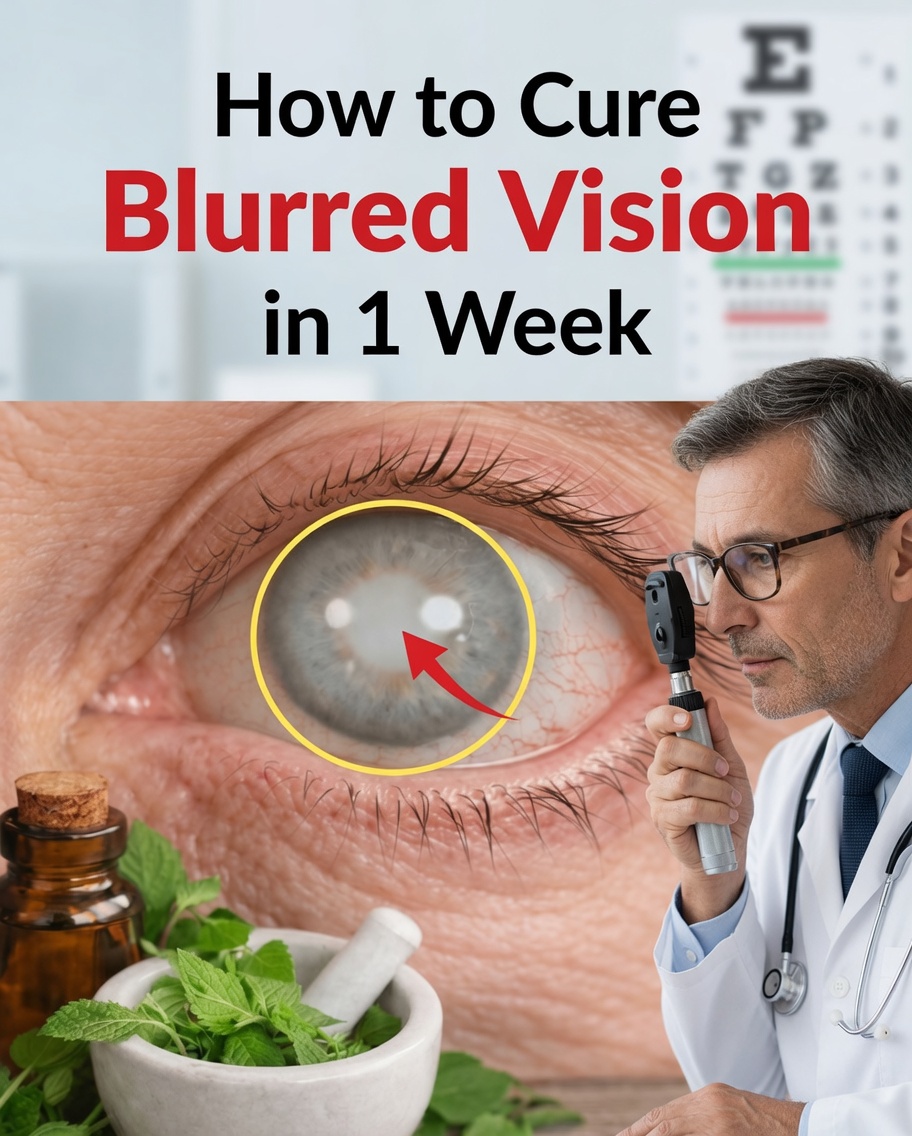
Why Does Your Vision Get Blurry?
Temporary blurry vision is often linked to digital eye strain and dry eyes. When you stare at screens, you tend to blink less—sometimes up to half as often as usual—so the eye’s natural moisture evaporates faster.
On top of that, air-conditioned or low-humidity environments can worsen dryness. Over time, the muscles that help your eyes focus become fatigued, making it harder to keep vision sharp.
The upside: small daily adjustments can reduce these symptoms surprisingly fast.
The 20-20-20 Rule: Simple and Powerful
One of the most effective ways to reduce digital eye strain is the 20-20-20 rule:
Every 20 minutes, look at something about 20 feet (6 meters) away for 20 seconds.
This gives your focusing muscles a break and encourages natural blinking.
Quick ways to make it stick:
- Set a reminder on your phone or computer
- Look out a window or across the room
- Add a few slow, deliberate blinks
Many people notice less eye fatigue after just a few days.
Nutrition That Supports Eye Health
What you eat can influence eye health, tear quality, and overall comfort.
Add more of these foods to your routine:
- Dark leafy greens (spinach, kale): high in lutein and zeaxanthin
- Fatty fish (salmon, sardines): rich in omega-3s
- Eggs, nuts, and seeds: good sources of vitamin E and zinc
- Colorful fruits and vegetables (carrots, oranges, berries): vitamins A and C
Easy nutrition tip: add leafy greens to breakfast (omelet, smoothie, toast) or aim for fatty fish twice per week.
Daily Habits That Make a Real Difference
Small lifestyle changes can dramatically improve dry, tired eyes:
- Drink enough water: dehydration can worsen dryness
- Use a humidifier: helps restore indoor moisture
- Blink on purpose: especially during screen sessions
- Optimize your screen setup: reduce glare, lower brightness, position the screen at a comfortable height
- Warm compress at night: 5–10 minutes can soothe and support natural lubrication
Extra tip: pair the warm compress with a gentle eyelid massage to support healthy oil glands and improve tear stability.
Simple Eye Exercises to Relax and Refocus
These quick exercises can be done almost anywhere:
- Palming: cover closed eyes with warm hands for 30–60 seconds
- Slow blinking: close for 2 seconds, open—repeat 10 times
- Figure-eight tracking: imagine a distant “8” and trace it with your eyes
- Near/far focus: switch focus between your finger and a far object
Used regularly, these techniques can reduce eye tension and improve comfort.
A 7-Day Routine for More Comfortable Eyes
Morning
- Drink water
- Eat a nutrient-rich breakfast
During the day
- Follow the 20-20-20 rule consistently
Afternoon
- Step outside for a few minutes of natural light and distance viewing
Evening
- Warm compress + a light, nourishing meal
Before bed
- Avoid screens for 30–60 minutes
Consistency is the key. Within about a week, many people report a clear improvement in dryness, heaviness, and screen-related fatigue.
Common Questions
How long does it take to see results?
Many people feel some relief within a few days, with more noticeable improvement after one week.
Do I need to see a specialist?
Yes—if symptoms persist, worsen, or interfere with daily life, consult an eye care professional.
Does diet really help?
Yes. Hydration and nutrient intake can support healthier tears and overall eye function.
Are these exercises safe?
Generally yes, but stop if anything causes discomfort or pain.
Final Thoughts
Eye care doesn’t have to be complicated. A few easy habits—especially the 20-20-20 rule, better hydration, and a short evening routine—can make a real difference in how your eyes feel day to day.
These tips support wellness, but they don’t replace medical care. If blurry vision or irritation continues, seek professional evaluation.