
A Simple Morning Drink for Digestive Comfort
Mild indigestion, gas, and that heavy, bloated feeling after meals are increasingly common in a world filled with stress, rushed eating, and irregular schedules. These discomforts can sap your energy and make it harder to stay focused. While there’s no magic drink that fixes everything, one simple mix—baking soda and lemon in water—has become popular as a light, at-home option some people use to support everyday wellness and digestion.
Could this basic kitchen pairing become part of a gentle morning ritual? Below, you’ll find what research and real-life use suggest, plus how to prepare and drink it safely.

What Is Baking Soda and Lemon Water, Really?
Baking soda (sodium bicarbonate) is naturally alkaline, while lemon juice is acidic because it contains citric acid. When you combine these two with water, they react and create a bubbly drink made up of sodium citrate, water, and carbon dioxide. The result is a mild, fizzy beverage that many people find more pleasant than plain water or straight lemon juice.
Scientific studies, including research on antacids (for example, a 2017 study on food-based acid-neutralizing agents), show that baking soda can temporarily neutralize excess stomach acid. Lemon, on the other hand, provides vitamin C and antioxidants and can make plain water feel more refreshing and enjoyable to drink.
That said, most research examines baking soda and lemon separately, not as a combined drink. Your body carefully regulates its internal pH, so this mixture does not “reprogram” your system or radically change overall acidity. However, it may offer gentle digestive support and a more comfortable start to the day for some people.
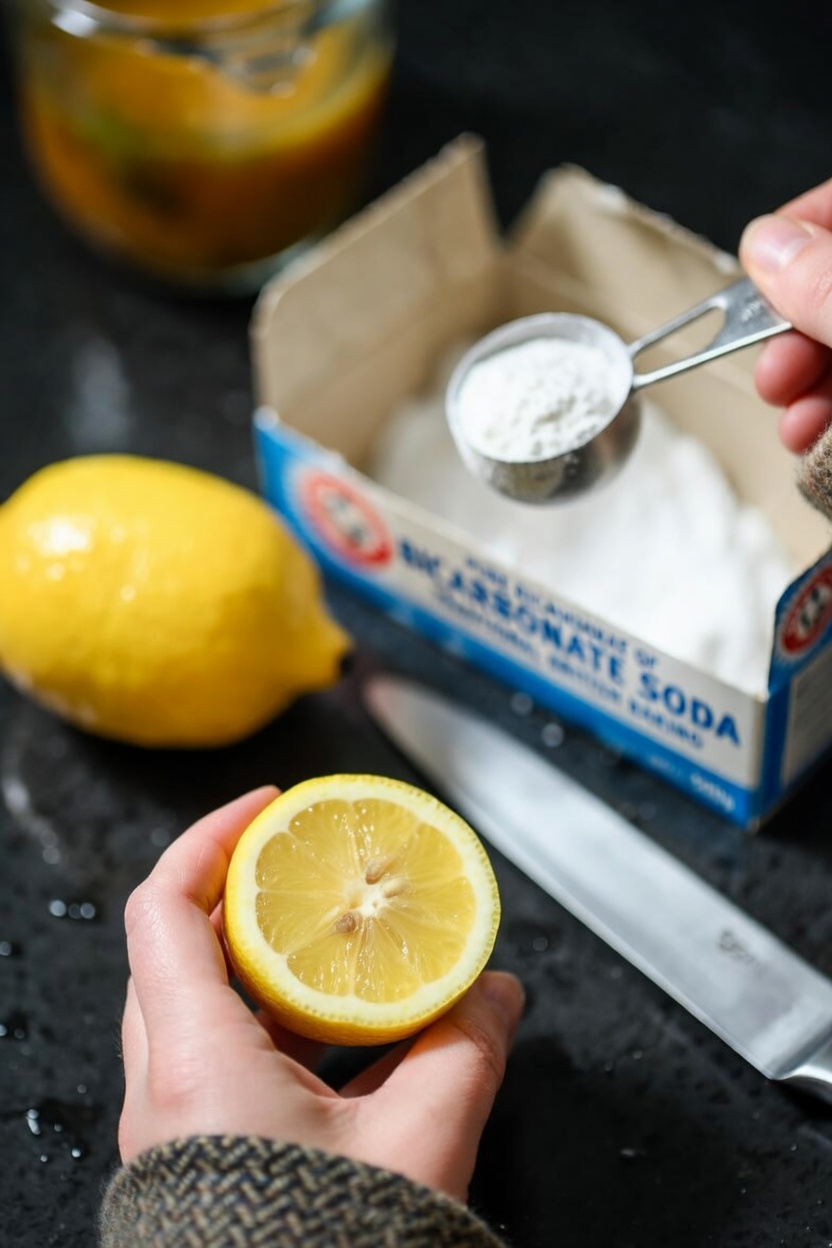
Potential Benefits: What Evidence and Experience Suggest
Claims like “dramatic weight loss” or “full detox” are not supported by solid science. However, when used occasionally and in moderation, several realistic benefits are worth noting.
1. Possible Digestive Relief
- Baking soda as a mild antacid: It can buffer excess stomach acid for a short period, which may ease occasional heartburn, indigestion, or sour stomach.
- Lemon’s role in digestion: Diluted lemon juice may stimulate saliva and digestive secretions, which can support the breakdown of food and lead to a smoother digestive experience.
2. Better Hydration Habits
- Starting the day with a glass of flavored water encourages you to drink more fluids overall.
- The bright, citrus flavor of lemon often makes water more appealing than drinking it plain, helping you stay hydrated throughout the day.
3. Vitamin C and Antioxidant Support
- Fresh lemon juice supplies vitamin C, a powerful antioxidant associated with:
- General immune support
- Collagen formation and skin health
- While this drink alone won’t meet all your vitamin C needs, it can make a small, consistent contribution.
4. A Refreshing Morning Ritual
- Many people report feeling lighter, less bloated, and more awake when they start their day with a hydrating beverage.
- The combination of temperature, fizz, and citrus can signal your body that it’s time to wake up and move, forming a positive habit that replaces sugary drinks or heavy morning beverages.
What About Baking Soda and Performance?
Research on baking soda in sports settings shows it can help buffer lactic acid during high-intensity exercise. That’s a different scenario than daily wellness, and doses used in athletic studies are usually much higher and more carefully controlled. For everyday use, the goal is mild support and comfort—not performance enhancement.
Baking Soda vs. Lemon Juice vs. The Combo
Here’s how the two ingredients compare:
-
Baking Soda
- Alkaline (around pH 8.3 in solution)
- Can temporarily ease discomfort from excess stomach acid
- Contains sodium, which matters for people limiting salt
-
Lemon Juice
- Acidic (around pH 2.3)
- Naturally rich in vitamin C and plant compounds
- Makes water taste more interesting, encouraging hydration
-
Together in Water
- React to form a mildly fizzy, more neutral drink
- Often easier to sip than either strong lemon juice or baking soda on its own
- Uses low-cost, pantry ingredients that many households already have
How to Make Baking Soda and Lemon Water Safely
If you’d like to see how this drink feels in your own routine, you can start with this simple recipe.
Basic Recipe
- Squeeze the juice from half a fresh lemon into a glass (about 2 tablespoons).
- Add 1/4 teaspoon of baking soda. Start with this small amount to minimize excessive fizz and strong taste.
- Pour in 8–12 ounces (about 240–350 ml) of room-temperature or warm water.
- Stir gently until the fizzing slows down, usually within 10–20 seconds.
- Sip slowly. Many people prefer drinking it on an empty stomach in the morning, but choose what feels comfortable for you.

Tips for Best Results
- Use fresh lemons rather than bottled juice whenever possible for better flavor and nutrient content.
- Keep your daily intake of baking soda between 1/4–1/2 teaspoon unless a health professional advises otherwise.
- Pay attention to how your body responds. If you feel discomfort, bloating, or any strange symptoms, stop using it.
- Remember that this drink works best as part of a broader healthy lifestyle that includes balanced meals, physical activity, and good sleep.
This mixture can be a gentle way to start the day but should never replace medications or professional treatment recommended by your doctor.
Safety Considerations and Who Should Be Careful
Baking soda and lemon water may be simple, but they’re not suitable for everyone. Keep these precautions in mind:
- High blood pressure or kidney issues: Baking soda contains sodium, which can be problematic for those with hypertension, kidney disease, or anyone advised to follow a low-sodium diet.
- Risk of imbalances: Overusing baking soda can cause gas, bloating, or changes in electrolyte levels, especially if taken frequently or in large amounts.
- Daily long-term use: Regular, long-term consumption without guidance is not recommended. Speak with a healthcare professional if you want to use it on a daily basis.
- Pregnancy and medical conditions: Pregnant individuals, people taking medications, or those with chronic health conditions should get medical advice before adding this drink to their routine.
When in doubt, check with a doctor or dietitian who understands your health history.
What People Commonly Notice
Many personal reports share similar themes:
- Feeling lighter or less “heavy” after a few days
- Reduced mild post-meal discomfort
- Drinking more water and fewer sugary drinks
- Enjoying a sense of “reset” as part of a mindful morning routine
However, responses are highly individual. Some people feel a noticeable difference, while others notice very little. It’s not a guaranteed fix—and that’s normal.
The main benefit often comes from adopting small, consistent habits, like drinking more water, reducing sugary or carbonated beverages, and starting the day with something gentle on the stomach.
Is Baking Soda and Lemon Water Worth Trying?
For many, baking soda and lemon water is a low-cost, accessible addition to their wellness routine. It may:
- Support mild digestive comfort for occasional issues
- Encourage better hydration
- Provide a modest boost of vitamin C
- Offer a refreshing, fizzy alternative to sugary drinks
It’s best to view this drink as one small tool in a larger wellness strategy—not a cure-all. Pair it with nutritious eating, regular movement, stress management, and quality sleep for the most meaningful impact.
Frequently Asked Questions
Is it okay to drink baking soda and lemon water every morning?
Some people do drink it daily in small amounts, mainly for hydration and mild digestive comfort. However, moderation is essential. Limit the baking soda portion (generally 1/4–1/2 teaspoon per day) and talk to a healthcare provider if you plan to make it a long-term habit, especially if you have existing health issues.
Does baking soda and lemon water really balance the body’s pH?
No. Your body maintains its pH within a narrow range through complex systems involving the lungs, kidneys, and blood. While this drink can temporarily buffer stomach acid, it does not significantly change the overall pH of your body.
Can this drink help with weight management?
There is no strong evidence that baking soda and lemon water directly causes weight loss. Any indirect benefits likely come from:
- Drinking more water
- Replacing high-calorie or sugary beverages
- Supporting healthier daily routines
Used alongside balanced nutrition and physical activity, it can be a helpful, but not magic, part of a weight-management plan.