
Guava Leaf Tea for Blood Sugar Support: What to Know
Many people start the day worried about unstable blood sugar, whether it shows up after breakfast, after lunch, or first thing in the morning. The stress of energy crashes, sudden spikes, and possible long-term health concerns can become exhausting. Since daily habits like food choices and routine have a major impact, it makes sense that many people look for simple, natural ways to support better balance. One traditional option gaining more attention is guava leaf tea.
Could a basic morning drink made from familiar leaves offer helpful support? Keep reading, because later in this guide you’ll find an easy homemade preparation method, plus a few practical tips for using it safely.
Why Guava Leaves Are Part of Blood Sugar Conversations
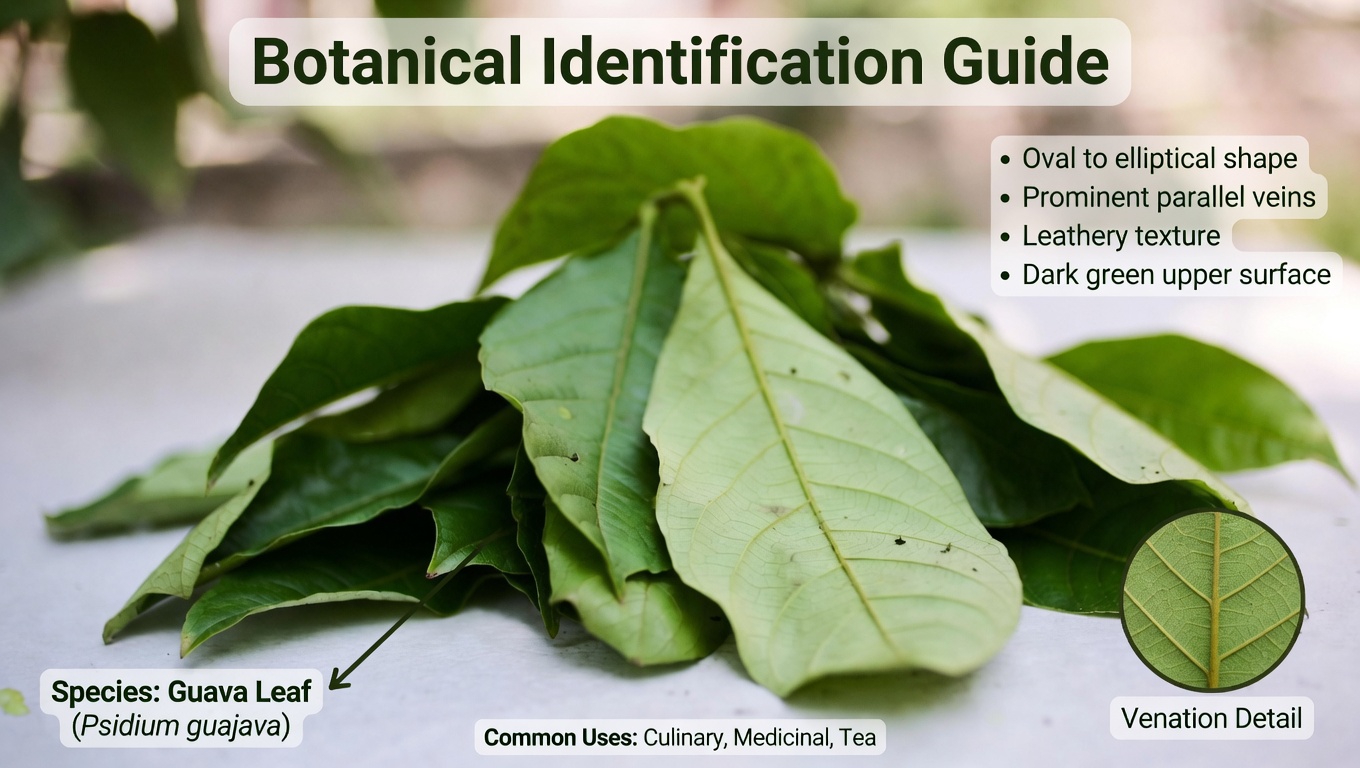
Guava, scientifically known as Psidium guajava, is best known for its fruit, but its leaves have also been valued in traditional wellness practices for a long time. In many regions, guava leaves are brewed into herbal tea and used as part of everyday health routines.
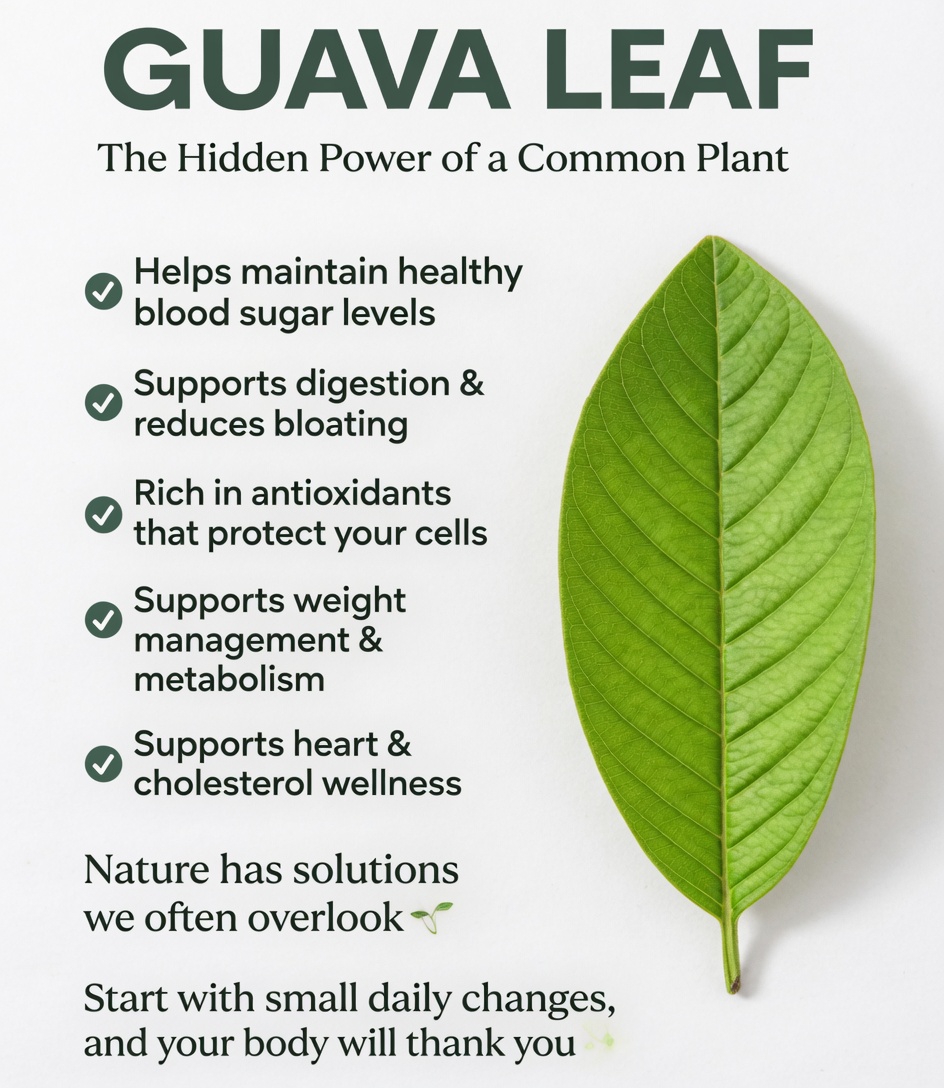
Modern interest centers on the natural plant compounds found in the leaves, including flavonoids, polyphenols, and quercetin. Researchers believe these substances may influence how the body processes carbohydrates and manages glucose.

What Research Says About Guava Leaves
A number of studies have looked at the possible role of guava leaf extract in blood sugar regulation. One area of focus is its effect on digestive enzymes such as alpha-glucosidase, which helps break carbohydrates down into glucose. If this process slows, blood sugar may rise more gradually after meals.
Research using animal models, including cases of induced high blood sugar, has reported lower fasting glucose levels and better insulin-related markers after supplementation with guava leaf extracts. Some studies have also suggested improved glucose absorption in liver cells and increased glycogen storage.
Although human studies are still limited, early findings are encouraging. In some trials, people who drank guava leaf tea with meals experienced smaller increases in post-meal blood glucose than those in control groups. One crossover study involving participants with type 2 diabetes found reduced glucose peaks at certain time points after drinking the tea.
Other research has pointed to possible improvements in cholesterol and triglyceride levels, both of which are closely linked to metabolic health. Reviews and laboratory studies continue to explore these mechanisms, though they do not prove guaranteed medical results.
Interest in guava leaves remains strong because they are widely available, easy to use, and rooted in a long history of traditional use.
Possible Benefits Beyond Blood Sugar Balance
Guava leaf tea may provide more than glucose-related support. Its broader wellness appeal comes from several potential benefits:
- Antioxidant support: The polyphenols in guava leaves may help reduce oxidative stress, which is often discussed in relation to metabolic function.
- Digestive support: Traditionally, guava leaves have been used for stomach and digestive concerns, making the tea a possible aid for digestive comfort.
- Everyday wellness: Some people say they feel more balanced or refreshed when they drink it consistently as part of a healthy routine.
These added benefits make guava leaf tea a useful option within a larger lifestyle focused on nutrition, movement, and consistency.
How to Make Guava Leaf Tea at Home
Preparing guava leaf tea is simple and does not require many ingredients. You can make it at home in just a few steps.
Ingredients
- 6 to 10 fresh young guava leaves, washed well
- Or 1 to 2 teaspoons of dried guava leaves
- 2 to 3 cups of water, about 500 to 700 ml
Step-by-Step Instructions
-
Wash the leaves thoroughly
- If using fresh guava leaves, rinse them carefully to remove dust or residue.
-
Boil the water
- Pour the water into a pot and bring it to a full boil.
-
Add the guava leaves
- Once the water is boiling, place the leaves into the pot.
-
Lower the heat
- Reduce to a gentle simmer rather than a strong boil.
-
Let it steep
- Simmer for 10 to 15 minutes so the beneficial compounds can infuse into the water.
- The liquid should develop a pale golden to light brown color.
-
Strain and drink
- Remove from heat and strain into a cup or container.
- Drink it warm.
- If you want extra flavor, add a small amount of lemon or honey, but keep sweeteners minimal.
A common starting point is one cup per day, either in the morning on an empty stomach or after a meal. In many cases, regular use matters more than drinking large amounts.
Tips for Better Results
To get the most from guava leaf tea, keep these simple points in mind:
- Use pesticide-free leaves from a trusted source
- Fresh leaves are often preferred, but dried leaves are also effective and convenient
- Store dried leaves in an airtight container away from heat and sunlight
- Avoid boiling too aggressively for too long, as this can make the tea overly bitter
- Stick to moderate, consistent use rather than increasing the amount too quickly
Safety and Important Precautions
In moderate amounts, guava leaf tea appears to be well tolerated in available studies, and major side effects have not been commonly reported. Still, caution is important.
Because guava leaf tea may affect blood sugar, it could interact with medications used for diabetes or glucose control. In some cases, it may strengthen their effects.
If you already have a medical condition or take prescription medications, monitor your levels carefully and speak with a healthcare professional before adding guava leaf tea to your routine. Those who are pregnant or breastfeeding should also consult a doctor first.
This tea should not replace prescribed treatment, but it may serve as a supportive addition to an overall healthy lifestyle.
Final Thoughts: A Simple Plant-Based Ritual
Adding guava leaf tea to your morning routine can be an easy, natural way to support daily wellness and blood sugar balance. Its traditional use, combined with growing scientific interest, makes it an appealing choice for people seeking a straightforward habit that fits into mindful living.
Try it consistently for a few weeks and observe how your body responds. Small habits practiced daily often make the biggest difference over time.
Frequently Asked Questions
How often can I drink guava leaf tea?
Many people begin with one cup a day, usually in the morning or after meals. Pay attention to how you feel and keep intake moderate.
Can dried guava leaves be used instead of fresh ones?
Yes. Dried guava leaves are a practical option and work well for tea. Use roughly half the amount you would use if the leaves were fresh.
Is guava leaf tea safe for everyone?
It is generally considered safe for most adults when consumed in reasonable amounts. However, if you are taking medication, managing a health condition, pregnant, or breastfeeding, it is best to get medical advice before using it regularly.