
Soursop Leaves for Wellness: Traditional Uses, Early Research, How to Prepare Them, and Safety Tips
In today’s busy world, many people are looking for simple, natural ways to support everyday wellness and create a greater sense of balance. Herbal remedies often appeal to those who want to take a more mindful, proactive approach to health while drawing on long-established traditions from different cultures.
One tropical plant that continues to attract attention is the soursop tree, especially its leaves. For generations, soursop leaves have been used in traditional practices in several parts of the world. At the same time, growing online interest has made it more important than ever to separate cultural use, early scientific findings, and practical everyday application. Understanding that difference can help you make informed decisions, especially before trying soursop leaf tea yourself.
What Are Soursop Leaves?
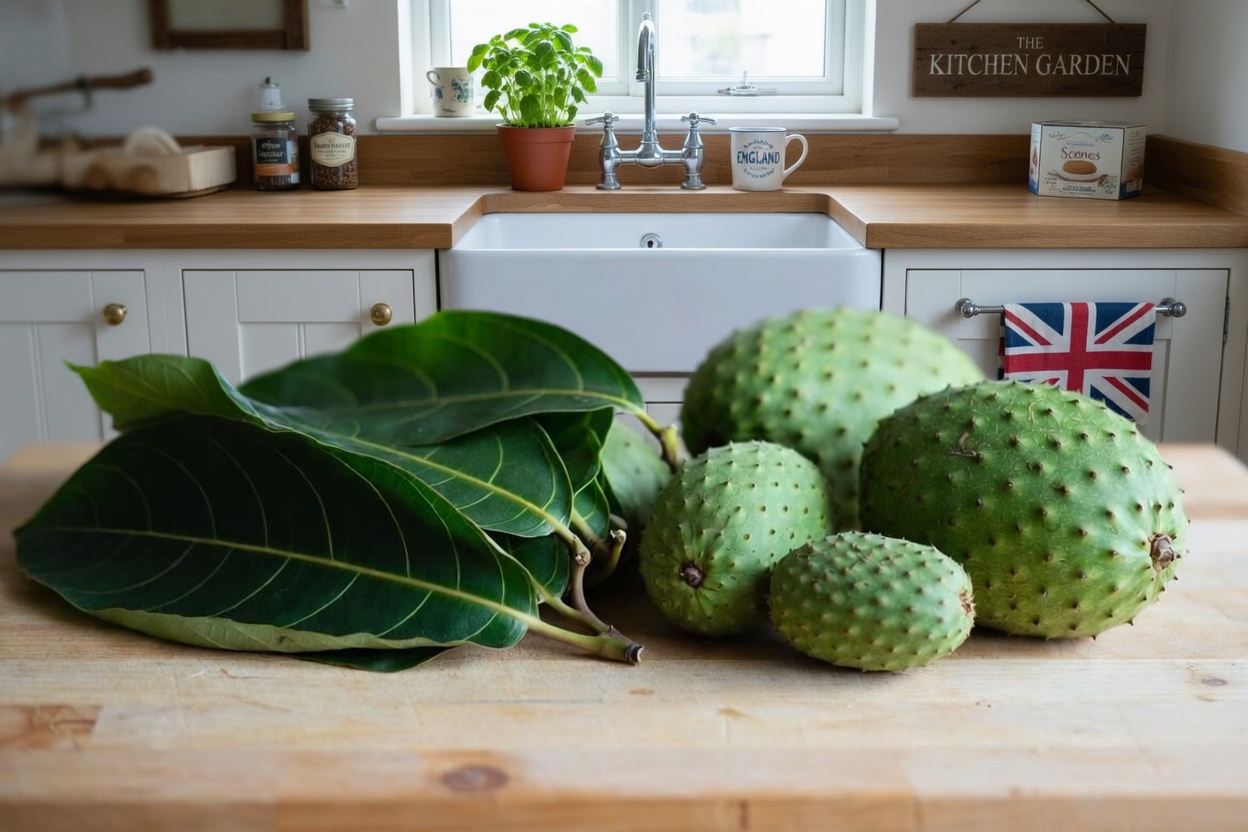
Soursop, also called Annona muricata or graviola, is a tropical fruit-bearing tree that originated in the Americas and is now grown in many warm regions around the world. Its leaves are large, smooth, and dark green, and they have held a valued place in folk wellness traditions for centuries.
Beyond their traditional use, soursop leaves are known to contain naturally occurring plant compounds, including flavonoids and other phytochemicals. These components are part of the reason the leaves have become a subject of both herbal interest and scientific curiosity.

Traditional Uses of Soursop Leaves in Different Cultures
In tropical areas such as the Caribbean, South America, and Southeast Asia, soursop leaves have long been included in daily self-care routines. People commonly use them fresh or dried to make herbal teas and infusions that are enjoyed as part of a balanced lifestyle.
Traditional uses have often included:
- Making tea to encourage relaxation after a long day
- Supporting digestive ease alongside healthy eating habits
- Promoting general vitality within everyday herbal routines
These uses reflect a broader cultural tradition in which plant-based beverages are used to complement overall well-being rather than act as a standalone solution.
Why Scientists Are Interested in Soursop Leaves
Soursop leaves contain a variety of bioactive substances, including antioxidants and distinctive compounds known as acetogenins. These naturally occurring elements have drawn research attention, especially in laboratory studies exploring how plant compounds may interact with the body.
This scientific interest does not automatically confirm health benefits in humans, but it does help explain why soursop leaves are frequently discussed in wellness circles. Some of the compounds found in the leaves appear to align with observations that have existed in traditional herbal use for many years.
What Early Research Says About Soursop Leaves
Current research on soursop leaves remains in the early stages. Laboratory studies and animal-based research have examined soursop leaf extracts for their antioxidant activity, and some findings suggest these compounds may help the body respond to everyday oxidative stress.
However, the evidence is still limited. Reviews of the available studies often note that while results in controlled settings may be promising, human clinical trials are not yet strong enough to support firm health claims.
That is an important point. Trusted medical sources and health authorities consistently emphasize that soursop leaves should not be used as a substitute for professional medical treatment, diagnosis, or evidence-based care.
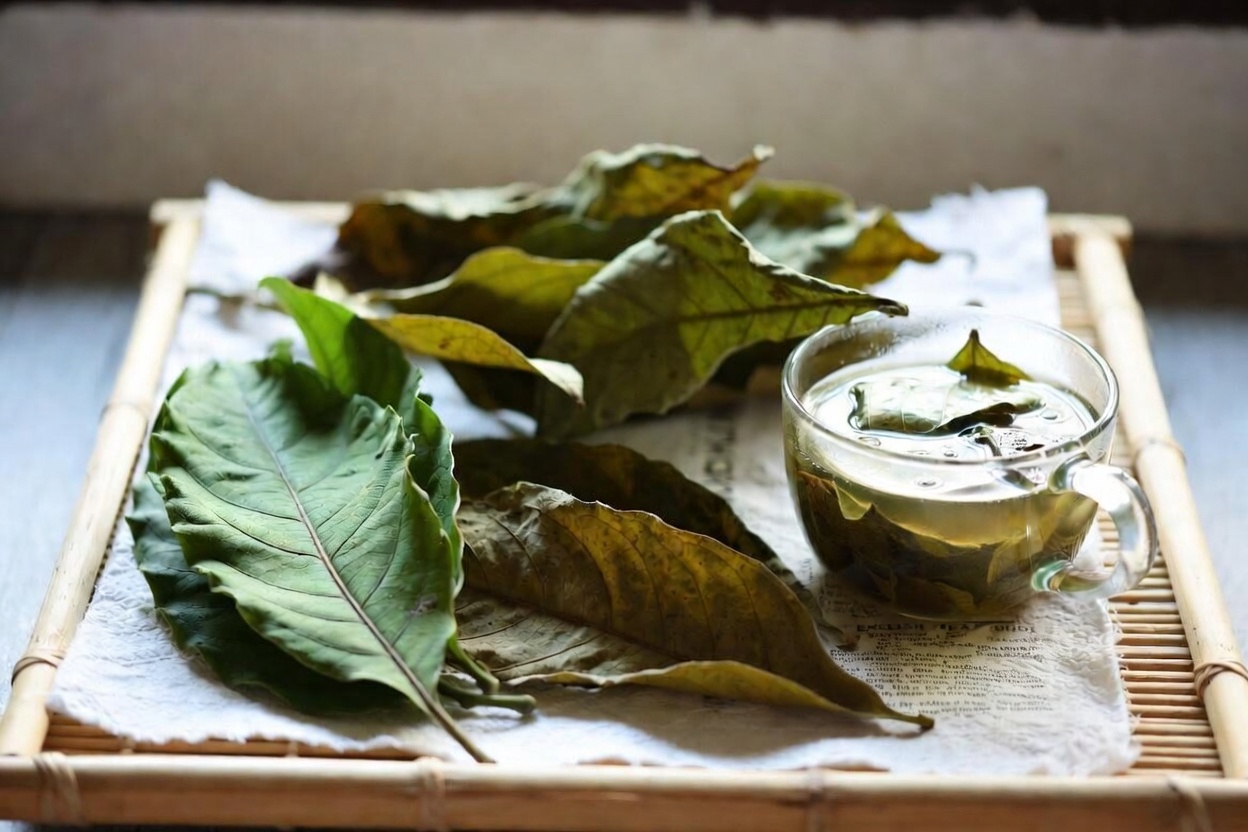
How to Make Soursop Leaf Tea at Home
If you want to try soursop leaf tea as part of your routine, preparation is simple. When used responsibly, this tea can become a calming daily ritual.
Basic Preparation Method
- Choose high-quality fresh or dried soursop leaves from a reliable supplier.
- Use 1 to 2 dried leaves or a small handful of fresh leaves for one serving.
- Bring 1 cup of water to a boil.
- Add the leaves and lower the heat to a gentle simmer.
- Let the tea steep for 5 to 10 minutes.
- Strain the liquid into a mug and drink it warm.
Many traditional practices suggest enjoying the tea after meals, with intake commonly kept to 1 to 3 cups per day.
Practical Tips for Better Preparation
- Start with a smaller amount to see how your body responds
- Keep extra leaves in an airtight container
- Store them in a cool, dry place
- Choose organic products when possible
- Add lemon or a small amount of honey for flavor, if desired
This simple routine can fit easily into a wellness-focused lifestyle while also encouraging a more mindful moment in your day.
Important Safety Considerations
Although soursop leaves have a history of traditional use, safety should always come first. Some research suggests that excessive or long-term exposure to certain compounds in the plant may present possible risks, including effects related to nerve function.
Before using soursop leaves regularly, it is best to speak with a qualified healthcare professional, especially if you:
- Are pregnant
- Are breastfeeding
- Have a chronic health condition
- Take prescription medication
Health experts also recommend caution with any product that makes exaggerated or unsupported claims. If you notice any unusual reaction after using soursop leaf tea, stop use and seek medical advice.
Quick Safety Checklist
- Keep consumption moderate
- Avoid using it without medical guidance if you have concerns involving blood pressure, blood sugar, or neurological health
- Buy only from trusted, verified sources
- Use it as part of a healthy lifestyle, not as a replacement for proper care
How to Include Soursop Leaves Responsibly in a Wellness Routine
The best way to approach soursop leaves is with balance. Rather than relying on a single herb, think of soursop leaf tea as one small part of a broader wellness plan.
For a more sustainable approach, combine herbal practices with:
- Nutritious, whole-food meals
- Regular physical activity
- Good sleep habits
- Ongoing guidance from healthcare professionals when needed
Long-term well-being is usually shaped by consistent daily habits, not quick fixes. That is why responsible use and realistic expectations matter.
Conclusion
Soursop leaves offer an interesting blend of traditional herbal knowledge and early scientific interest. Their long history of cultural use, simple tea preparation, and naturally occurring plant compounds make them appealing to many people exploring natural wellness options.
Still, informed use is essential. By learning where soursop leaves come from, how they are traditionally used, how to prepare them properly, and what precautions to take, you can decide more confidently whether they belong in your personal routine.
The smartest approach is to stay curious, use moderation, and seek professional guidance when needed.
Frequently Asked Questions
How much soursop leaf tea can I drink each day?
Traditional guidance often suggests 1 to 3 cups daily, but tolerance can vary from person to person. It is wise to begin with a small amount and consult a healthcare provider for personalized advice.
Who should avoid soursop leaves?
People who are pregnant, breastfeeding, managing specific medical conditions, or taking certain medications should get medical advice before use. Children may also require extra caution.
What should I consider when buying soursop leaves?
Look for clean, well-packaged leaves from reputable sources. Organic options are often preferred. Avoid products that make unrealistic health claims, and prioritize quality and transparency when choosing a supplier.