Why Small White Bumps at the Back of the Mouth Can Be So Concerning
Noticing tiny white bumps in the back of your mouth can feel unsettling at first. When they appear alongside bad breath or a slightly scratchy throat, even simple things like talking, laughing, or eating may start to feel less comfortable. If the problem keeps coming back, it can also affect your confidence in social situations.
The reassuring part is that these bumps are often far less alarming than they seem. Once you understand what they are and why they form, it becomes much easier to manage them with practical daily habits. And as you’ll see, there is an important link between oral comfort, hygiene, and your everyday routine.
What These White Bumps Usually Are
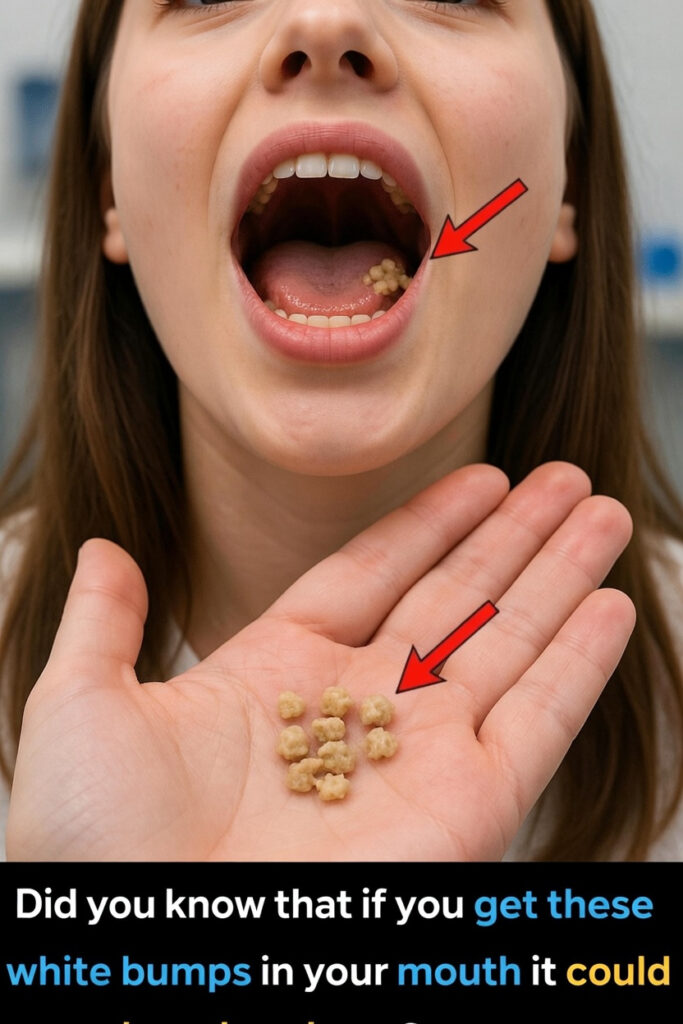
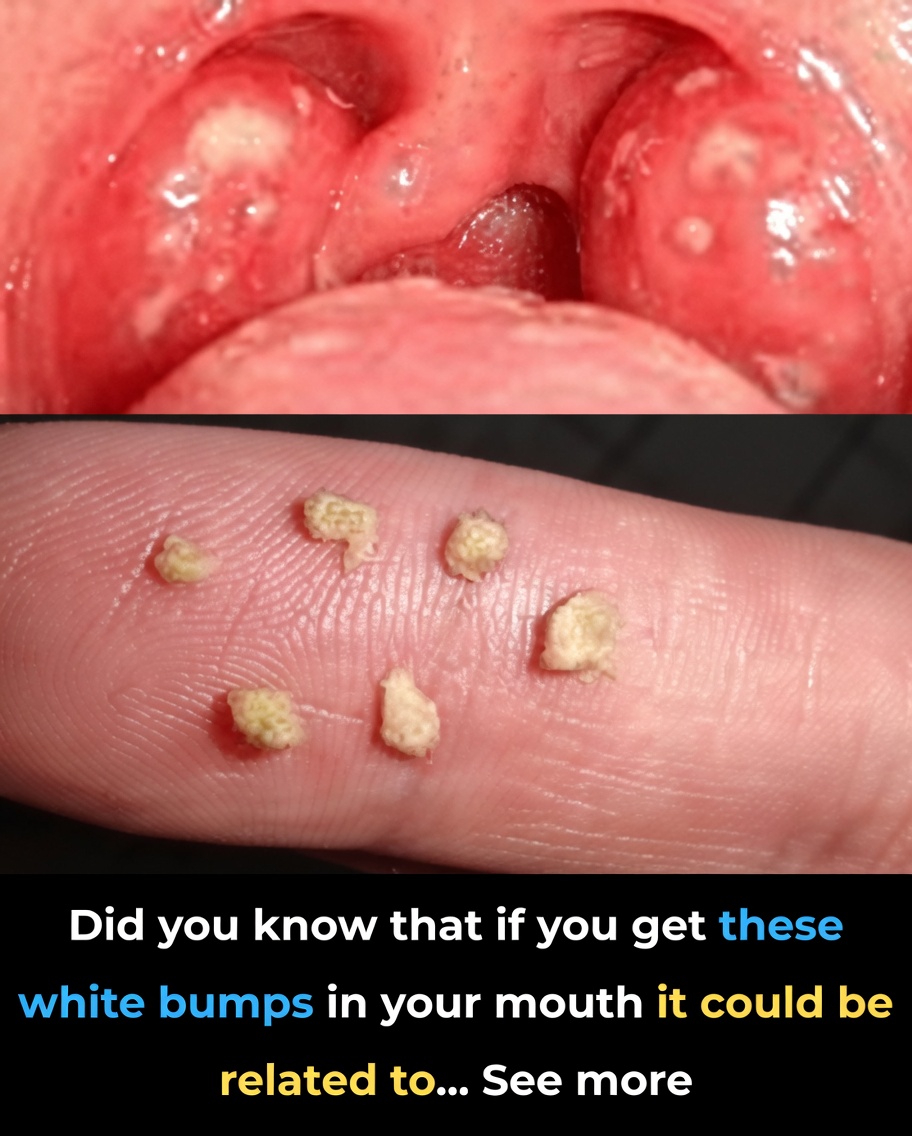
In many cases, these white or yellowish bumps near the tonsils are what people commonly call tonsil stones. The tonsils, located at the back of the throat, contain small natural pockets where material can collect. According to trusted medical sources such as the Mayo Clinic and WebMD, these formations are often made up of trapped food particles, bacteria, mucus, and dead cells that gradually harden into tiny stone-like pieces.
For most people, they are harmless and not a sign of a serious medical issue. Still, they can be annoying. Some people feel as if something is stuck in the throat, while others struggle with persistent unpleasant breath even when they brush regularly.
Once you know how these bumps develop, the situation often feels much less intimidating. Instead of assuming something is wrong, it helps to view them as a buildup issue that can often be improved with better daily oral care and supportive habits.
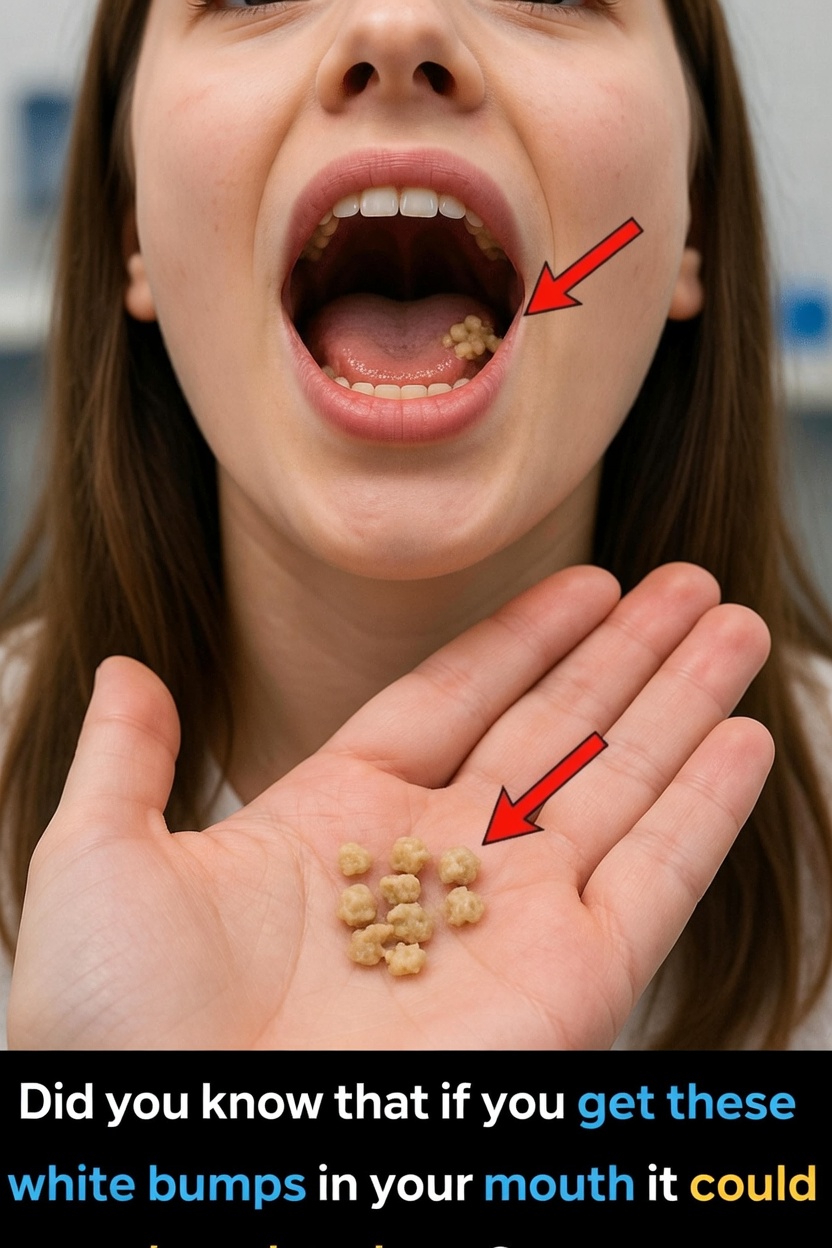
Many readers feel immediate relief simply from learning that this is a common and manageable condition. These bumps do not automatically point to poor health. More often, they reflect debris settling in hidden spaces of the mouth and throat. That understanding shifts the focus away from fear and toward practical care.
Common Reasons They May Appear
So why do these bumps show up in the first place? Usually, several everyday factors work together. Dental and oral health resources consistently point to a few common contributors.
Some of the most frequently reported causes include:
- Natural tonsil crevices that make it easier for food, mucus, or debris to get trapped
- Reduced saliva flow, often related to not drinking enough water
- Bacterial buildup when oral hygiene habits become inconsistent
- Ongoing throat irritation linked to allergies or seasonal changes
- Eating patterns that include more dairy products or sticky foods that leave residue behind
What surprises many people is how connected these factors are to normal daily life. A dry mouth after hours of talking, working, or not drinking enough water can create the perfect setting for buildup. When moisture decreases, debris is less likely to be cleared away naturally.
That is why awareness matters. Understanding these patterns helps you feel more in control. Instead of worrying about the bumps themselves, it is usually more useful to support your mouth’s natural cleaning process.
Symptoms That Often Accompany These Bumps
Visible white spots are not always the only sign. Some people never notice any discomfort at all, while others experience small but persistent symptoms.
Common signs may include:
- A sour, metallic, or unpleasant taste that remains after brushing
- The feeling that something small is lodged in the back of the throat
- Minor discomfort when swallowing, especially after certain foods
- Breath that seems less fresh despite regular oral hygiene
- Tiny white or yellow pieces that loosen and come out on their own
These symptoms are often mild, but they can still be frustrating. In many cases, they act as a signal that your mouth could benefit from more consistent support. The good news is that you usually do not need complicated solutions to improve the situation.
Many people find that simply paying closer attention to these signs helps them respond earlier and more effectively. And if symptoms ever seem more intense than mild irritation, speaking with a dentist or healthcare professional is always the safest next step.
Daily Habits That Can Help Keep Your Mouth Fresher
The most effective approach is often a simple, steady routine. Consistency matters far more than perfection. Oral health experts, including those cited by WebMD, often emphasize that regular care can reduce the chance of debris buildup and help the mouth stay balanced.
A helpful routine may include:
- Brush your teeth and tongue twice a day using a soft-bristled toothbrush. The back of the tongue is especially important because bacteria tend to collect there.
- Floss every day to remove food particles before they shift farther back in the mouth.
- Use an alcohol-free mouthwash after brushing to help freshen the mouth without drying the tissues.
- Drink water regularly throughout the day to support saliva production and naturally rinse away debris.
- Gargle with warm salt water a few times a week by mixing half a teaspoon of salt into a cup of warm water and gargling gently for about 30 seconds.
These habits are simple, but they can have a meaningful effect over time. Even a quick rinse with water after meals may help reduce the amount of residue left behind. Many people also notice a difference when they make hydration a priority for just a few days in a row.
It is important to remember that these are not instant fixes. They are daily support strategies that help your body maintain a cleaner, more comfortable oral environment.
Simple Changes That May Also Make a Difference
Along with your regular oral care routine, a few small lifestyle adjustments can also help reduce the conditions that allow buildup to form.
Consider these easy changes:
- Chew sugar-free gum after meals to stimulate saliva flow
- Cut back on sticky, creamy, or residue-heavy snacks late in the day
- Add crunchy fruits and vegetables to meals for a natural cleansing effect while chewing
- Avoid tobacco products, which can dry the mouth and irritate tissues
These steps may seem minor, but together they can support fresher breath, less throat irritation, and fewer recurring surprises when you check the back of your mouth. Another benefit is that these habits improve overall oral health, not just this one issue.
What Health Experts Commonly Emphasize
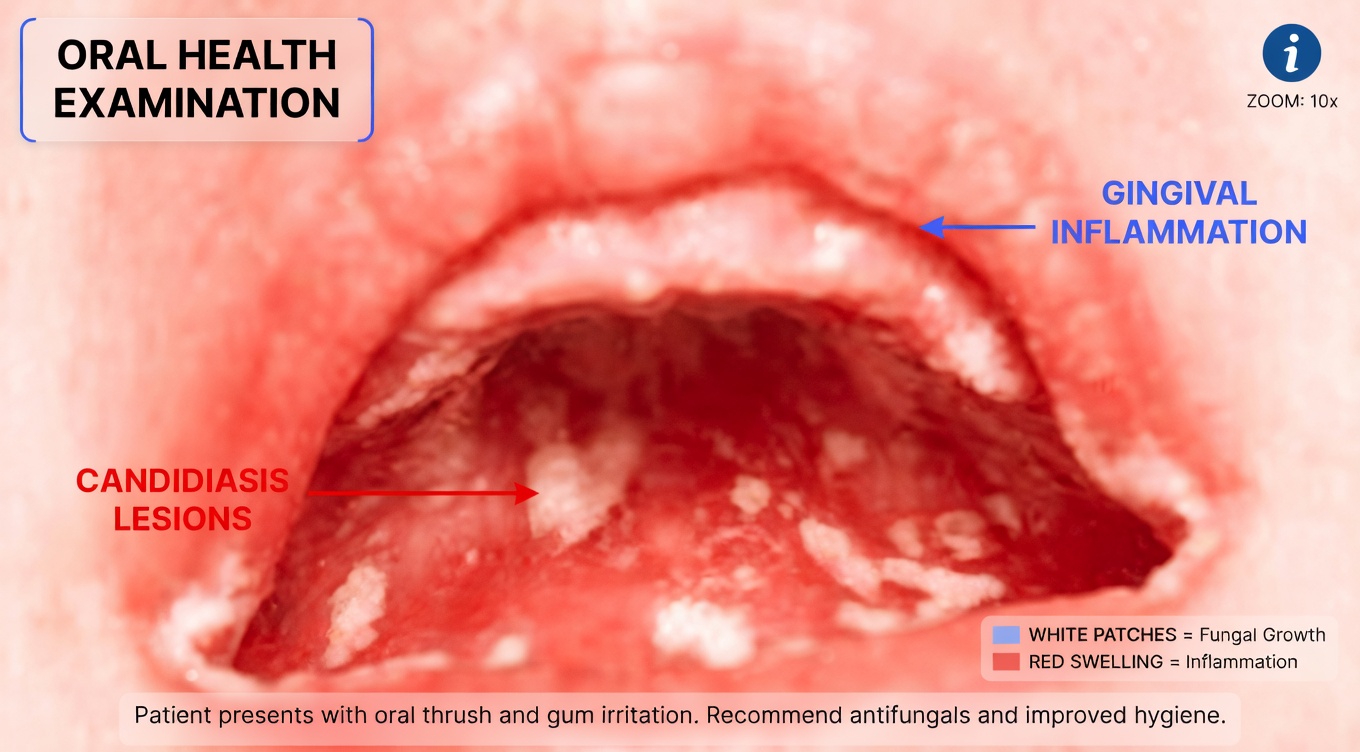
One of the most important takeaways from medical and dental guidance is that oral comfort is closely tied to consistent hygiene and hydration. Organizations such as the Mayo Clinic highlight that everyday care does more than improve appearance. It helps preserve the natural balance of the mouth and may keep small buildups from becoming more noticeable.
Dental health references also point out that drinking enough water and cleaning the tongue gently can reduce bacterial accumulation. That does not guarantee these bumps will never return, but many people report fewer episodes when these habits become part of their normal routine.
In long-term oral care, the people who often see the best results are those who stay curious and consistent rather than frustrated. Treating your mouth as an important system that deserves regular attention can make a real difference.
Final Thoughts
Small white bumps near the tonsils are often harmless, and in many cases they are simply collections of trapped material that have hardened over time. While they can cause bad breath, throat irritation, or an uncomfortable sensation, they are usually manageable with better daily habits.
By brushing thoroughly, flossing, staying hydrated, cleaning the tongue, and making a few smart lifestyle adjustments, you can support a fresher and more comfortable mouth. The bigger connection is simple: when your oral care routine supports your mouth’s natural balance, these annoying buildups often become less of a problem.