Purple or Red Marks on Your Legs After Sleeping With a Heating Pad: Causes, Prevention, and Safer Alternatives
Waking up and noticing purple or reddish patches on your ankles or lower legs after using a heating pad can feel alarming. What seemed like a simple way to stay warm on cold nights may leave behind blotchy marks that raise questions about your skin health. In many cases, this happens because repeated heat exposure affects circulation close to the skin’s surface. The changes often develop gradually, so people may not notice them until they have been using a heating pad regularly for weeks or even months.
The good news is that you can still enjoy warmth at night without putting your skin through the same stress. Later in this article, we will also look at natural ingredient-based alternatives that offer comfort in a gentler way.
What the Purple Marks on Your Legs May Mean
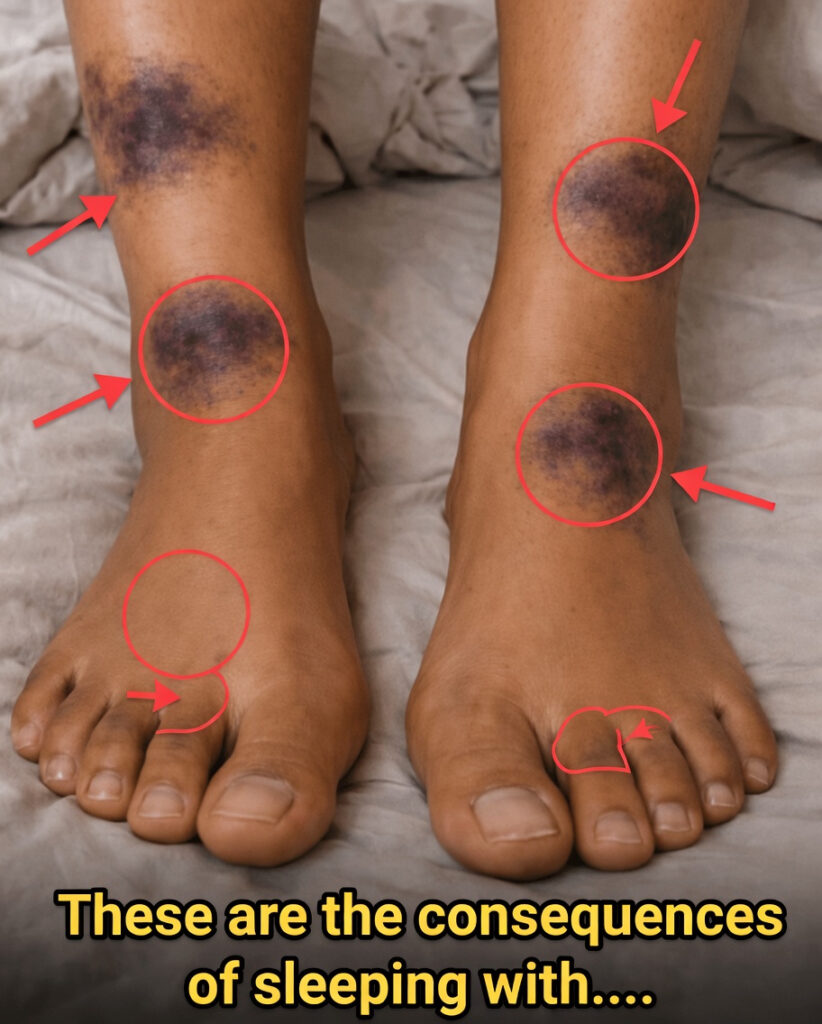
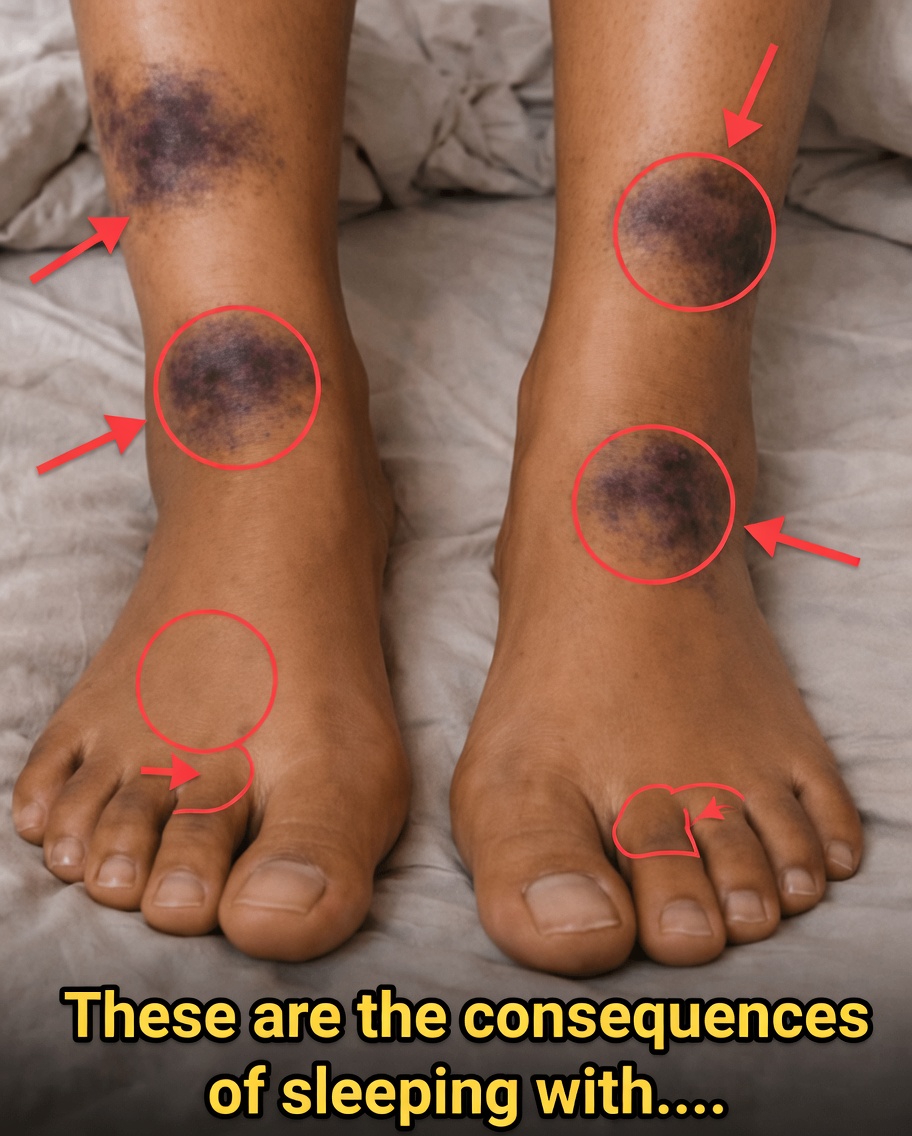
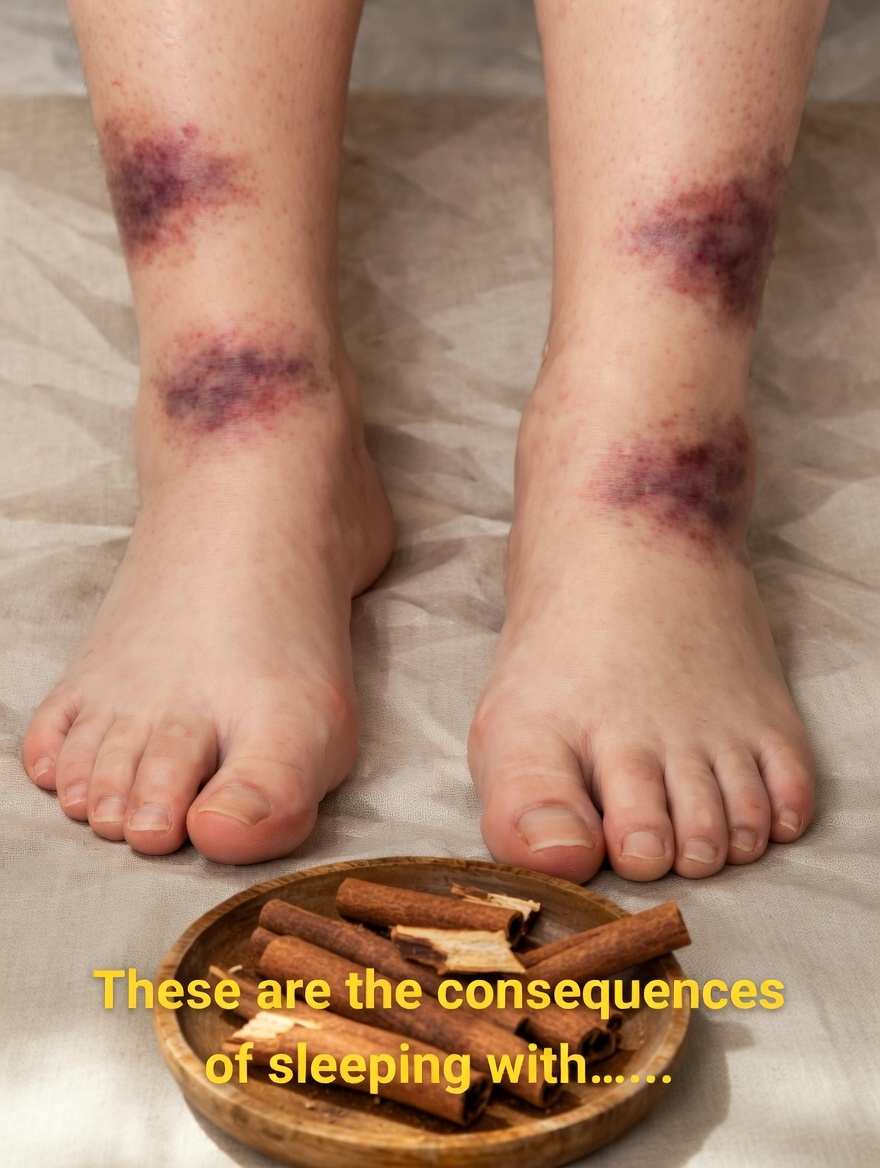
These spots often show up as uneven purple, red, or brownish patches around the ankles, shins, or lower legs. Medical professionals commonly link this reaction to repeated exposure to moderate heat, which can alter the tiny blood vessels just beneath the skin. Over time, the area may develop a mottled, blotchy, or net-like appearance that does not go away quickly.
At first, the change can be subtle. But with ongoing nightly heat exposure, the discoloration often becomes easier to see.
Why Heating Pads Can Cause Skin Discoloration
Leaving a heating pad on your feet or legs for long periods, especially overnight, can gradually affect both blood vessels and pigmentation in the skin. Dermatologists refer to this condition as erythema ab igne, also known as toasted skin syndrome. Unlike a direct burn, this is a slow-developing reaction caused by low-level heat applied over and over again.
Many people use heating pads to soothe cold feet, muscle tightness, or general discomfort without realizing that prolonged contact is the real issue. The lower legs are especially vulnerable because circulation may already slow down during rest, making changes in the skin more noticeable by morning.
Common Signs Your Heating Pad Habit Is Affecting Your Skin
Watching for early warning signs can help you make changes before the discoloration becomes more pronounced. Symptoms often include:
- Patchy purple or reddish areas on the ankles or shins
- A lacy, marbled, or net-like pattern
- Marks that do not fade quickly when pressed
- Slight warmth or mild texture changes in the affected skin
- Discoloration that becomes clearer after repeated nights of use
These changes are often painless in the beginning, which is why many people do not recognize them right away.
How to Use a Heating Pad More Safely
If a heating pad helps you relax or fall asleep, you do not necessarily have to stop using it completely. A few simple adjustments can greatly reduce the risk of skin irritation and discoloration.
Try these safer heating pad habits:
- Use the low or medium setting instead of high heat
- Put a thin towel or cloth between the pad and your skin
- Limit use to 20 to 30 minutes before bed rather than leaving it on all night
- Reposition the pad occasionally instead of keeping it in one place
- Choose a model with an automatic shut-off timer
These small changes can help protect your skin while still giving you the comfort you want before sleep.
Natural Alternatives for Warmth and Evening Comfort
Some people prefer to reduce or avoid electric heat entirely. If that sounds like you, natural ingredients can be part of a relaxing bedtime routine that supports warmth from within rather than relying on direct heat against the skin.
Dried Ginger
Fresh ginger root is a popular option for cozy nighttime drinks.
How to prepare it:
- Slice fresh ginger into thin pieces.
- Place the slices on a clean tray in a warm, dry area for two to three days.
- You can also dry them in the oven on a very low setting until crisp.
- Store the dried ginger in a sealed container.
How to use it:
- Steep a few slices in hot water before bed for a warming tea
Many people find that ginger tea creates a comforting sense of warmth without the need to place heat directly on the legs.
Cinnamon Sticks or Bark
Cinnamon is another traditional favorite for bedtime comfort.
How to prepare it:
- Break cinnamon sticks or bark into smaller pieces if needed.
- Let them dry further if they still contain moisture.
- Store them in an airtight jar.
How to use it:
- Simmer a small piece in warm water or milk as part of your evening routine
This simple drink can feel soothing and may help reduce the urge to rely on a heating pad every night.
Preparing and storing these ingredients yourself also makes your routine feel more intentional, simple, and budget-friendly.
Practical Tips to Support Leg Comfort Overnight
Creating a healthier bedtime routine involves more than just changing one habit. Combining a few simple strategies may help your legs feel better and look better over time.
Use these easy overnight comfort tips:
- Place a pillow under your calves to slightly elevate your legs
- Wear loose pajamas and use breathable bedding
- Drink enough water during the day to support healthy circulation
- Massage your lower legs gently before bed
- Replace some heating pad sessions with warm ginger or cinnamon drinks
Many people notice they feel more refreshed in the morning when they make these changes consistently.

Other Habits That Can Affect the Skin on Your Legs
Heating pad use is only one piece of the picture. Daily movement and overall wellness also influence how your legs look and feel.
Helpful habits include:
- Taking regular walks to keep circulation active
- Avoiding long periods of sitting still
- Balancing rest with gentle physical activity
- Paying attention to your body’s natural temperature needs
No single method works for everyone, but steady lifestyle improvements often lead to better results over time.
When You Should Pay More Attention
If the discoloration gets larger, lasts for several weeks, or appears with swelling, pain, or discomfort, it is a good idea to speak with a healthcare professional. Most heat-related skin changes improve after reducing exposure, but medical advice can offer clarity and reassurance if the marks persist or worsen.
Final Thoughts on Heating Pads and Leg Skin Changes
A heating pad can offer quick comfort on cold nights, but repeated use may cause visible changes in the skin of your lower legs. Understanding the connection between prolonged heat and discoloration makes it easier to protect yourself. Safer heating pad habits, along with natural alternatives like dried ginger or cinnamon, can help you stay cozy without unnecessary stress on your skin.
Even small adjustments can make a real difference. Listening to your body, reducing direct heat, and building a more skin-friendly bedtime routine can lead to more comfortable nights and better-looking legs over time.
FAQ
Should I worry immediately if I see discoloration from a heating pad?
In many cases, the marks begin as a mild heat-related reaction and are not an emergency. Still, it is wise to reduce heat exposure right away and watch the area closely so the discoloration does not become more noticeable.
How long does it take for purple marks on the legs to fade?
Recovery time varies. Some people notice improvement within a few weeks, while others may need several months after cutting back on heat exposure. Consistent gentle care and better bedtime habits can support the healing process.
Can dried natural ingredients replace a heating pad?
Natural options such as dried ginger or cinnamon may not work exactly the same way as a heating pad, but they can provide a comforting sense of warmth and relaxation. For many people, they are a useful part of a healthier nighttime routine.
Is it safe to sleep all night with a heating pad on low?
Even on a low setting, sleeping with a heating pad on for the entire night is generally not recommended. Long exposure to steady heat can still affect the skin over time, especially on the lower legs and ankles.
Are the lower legs more sensitive to this kind of heat damage?
Yes. The lower legs can show these changes more clearly because circulation may be slower there during rest, and the skin may react more visibly to repeated heat exposure.