
Drinking Baking Soda Water Before Bed for Two Weeks: What You May Notice
If you have ever dealt with that heavy, overly full feeling or occasional heartburn after dinner, you know how easily it can ruin a relaxing evening. Instead of settling in for sleep, you may find yourself uncomfortable, searching for fast relief, and wondering why a normal night suddenly feels off. Because of this, many people try simple home habits, including mixing a little baking soda into water before bed.
This nighttime practice has been discussed for years as an easy remedy worth exploring. But what really happens if you do it regularly for two weeks? The answer is more nuanced than many people expect, and understanding the details can help you decide whether this popular habit fits into your routine.
What Is Baking Soda Water?
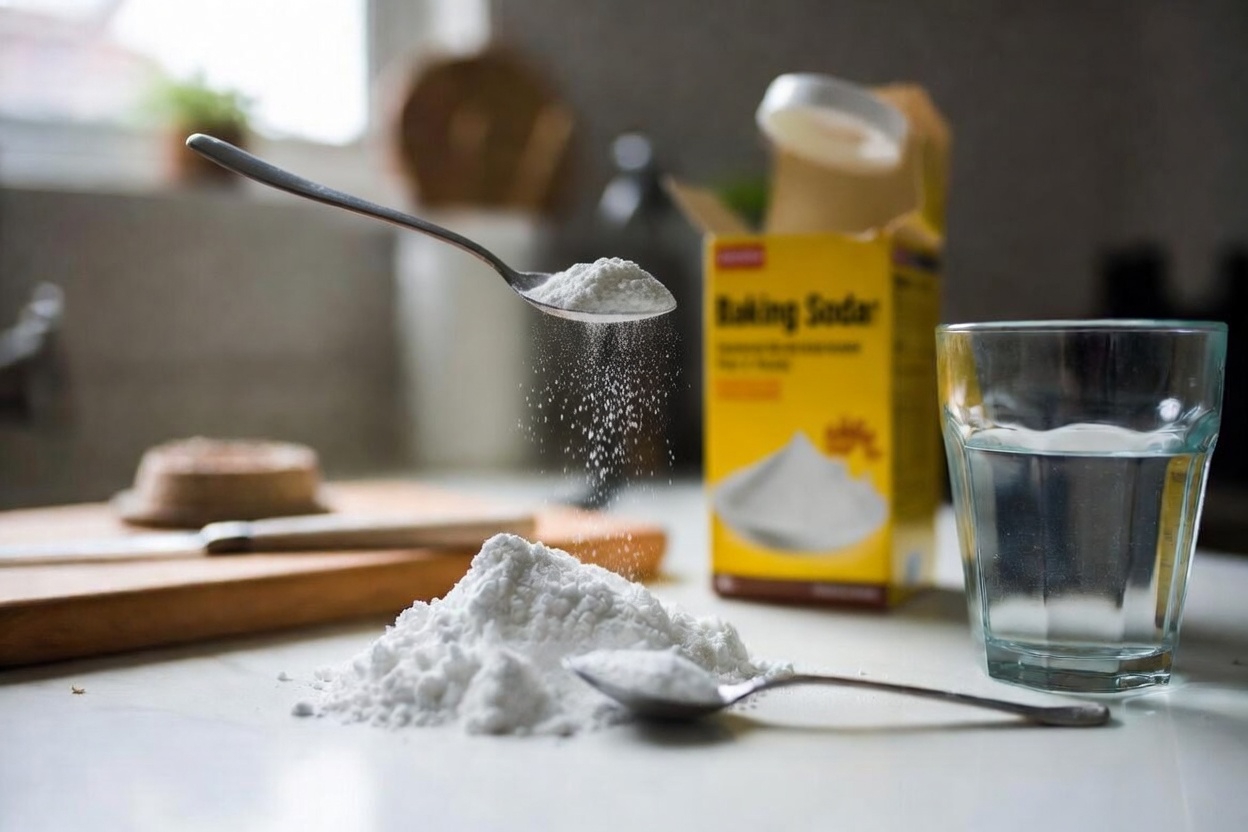
Baking soda, also known as sodium bicarbonate, is a naturally alkaline compound commonly found in kitchen cabinets. When it is mixed with water, it forms a mildly alkaline drink that some people use to see whether it affects digestion or nighttime comfort.
The reason people take it before sleep is tied to how quickly it reacts with stomach acid. Still, it is important to remember that this is not a cure-all or miracle drink. It is simply a common ingredient that can create a specific chemical reaction in the body.
What makes it especially interesting is that short-term use, such as over a two-week period, has been referenced in research and health discussions. That gives us a better idea of what effects may be realistic and what claims are overstated.

How It Interacts With the Body
Once baking soda reaches the stomach, it begins reacting with stomach acid and temporarily reduces some of that acidity. This process produces water and carbon dioxide, which explains why some people notice fizzing, belching, or mild bloating afterward.
Sources such as Medical News Today note that sodium bicarbonate may provide short-term relief for occasional digestive discomfort. A 2018 study also suggested there could be temporary effects on certain inflammation markers, although those observations came from limited, controlled conditions over a relatively short timeframe.
That said, the body tightly controls its overall pH balance. So while baking soda water may briefly affect the stomach environment, it does not dramatically change your body’s pH for long.
This is exactly why the two-week period interests so many people: it is long enough to observe mild patterns, but not long enough to expect major transformation.
A Simple and Safe Way to Try It
If you want to test this habit carefully, preparation matters. A gentle approach is best.
- Start with no more than 1/4 teaspoon of baking soda during the first several days.
- Mix it fully into 4 to 8 ounces of room-temperature water.
- Stir well until the powder has completely dissolved.
- Drink it slowly one to two hours after eating.
- Make sure you take it at least 30 minutes before lying down.
- Keep a small note each morning about how you felt overnight and after waking.
Using a small amount helps you observe your body’s response without overdoing it.
What Research and Real-World Experience Suggest After Two Weeks
Studies and everyday reports point to a few possible outcomes from short-term use. For digestion, the most common reason people try baking soda water is that it may ease occasional acidity and make evenings more comfortable.
Some research on sodium bicarbonate has also explored possible benefits for muscle performance and endurance, though those effects are much more relevant to exercise than bedtime habits. In more general wellness discussions, some people say they feel lighter or better hydrated, but these experiences vary widely and are not guaranteed.
Here is a clearer breakdown of what people often report compared with what science more strongly supports:
- Temporary digestive relief: Fairly well supported for occasional use.
- Better sleep or more energy: Reports are inconsistent, and sodium may affect some people differently.
- Long-term body pH change: Very unlikely, because the body regulates this on its own.
- Reduced inflammation markers: Some limited short-term findings exist, but evidence is not strong enough to apply broadly.
After two weeks, most people who notice a difference describe it as subtle rather than dramatic. Diet, exercise, hydration, and overall health all influence the outcome.
Safety Matters More Than the Trend
Before adding any new health habit, it is important to consider the risks as well as the potential benefits. Baking soda contains a significant amount of sodium, so repeated daily use can increase sodium intake quickly.
Some people may experience:
- Mild bloating
- Thirst
- Stomach discomfort
- Burping
In less common situations, especially with higher doses or extended use, sodium bicarbonate may contribute to more serious issues such as electrolyte imbalance.
Health sources including WebMD and CNN advise using it only occasionally and not continuing beyond two weeks without speaking to a healthcare professional. This is especially important if you have high blood pressure, kidney issues, or take medications that may interact with sodium intake or acid balance.
Key Precautions to Follow
- Do not take more than 1/2 teaspoon per serving
- Do not exceed 1 1/2 teaspoons total in a day unless a healthcare provider tells you otherwise
- Drink enough plain water throughout the day
- Stop immediately if you feel unusual symptoms such as dizziness or nausea
- Avoid this practice if you are pregnant, under 18, or managing chronic medical conditions
- Leave at least two hours between baking soda water and other medications or supplements
Following these guidelines can reduce risk and make the two-week trial safer.
Could It Affect Sleep?
Many people choose bedtime because they hope baking soda water will calm digestion overnight. In some cases, that may help if occasional heartburn is what usually disrupts rest.
However, the sodium content may not suit everyone. For some individuals, it could temporarily place extra strain on the cardiovascular system or simply create discomfort that makes falling asleep harder. So while one person may feel more settled, another may notice no benefit at all.
After two weeks, you may find your evenings feel slightly easier, or you may not detect much of a change. Both outcomes are normal. The most useful approach is to pay attention to your own experience instead of expecting instant results.
Practical Ways to Test the Habit Thoughtfully
If you are curious enough to try it, approaching the experiment carefully can make it more useful.
- Start on a weekend or on days when your schedule is less demanding
- Combine it with a relaxing evening routine, such as gentle stretching or quiet reading
- Keep a short daily log of digestion, energy, and sleep quality
- Support the experiment with balanced meals and fewer highly processed foods
- Review how you feel after one week and decide whether to continue, reduce, or stop
These small steps can help you learn something meaningful without turning the habit into guesswork.
What to Take Away From a Two-Week Trial
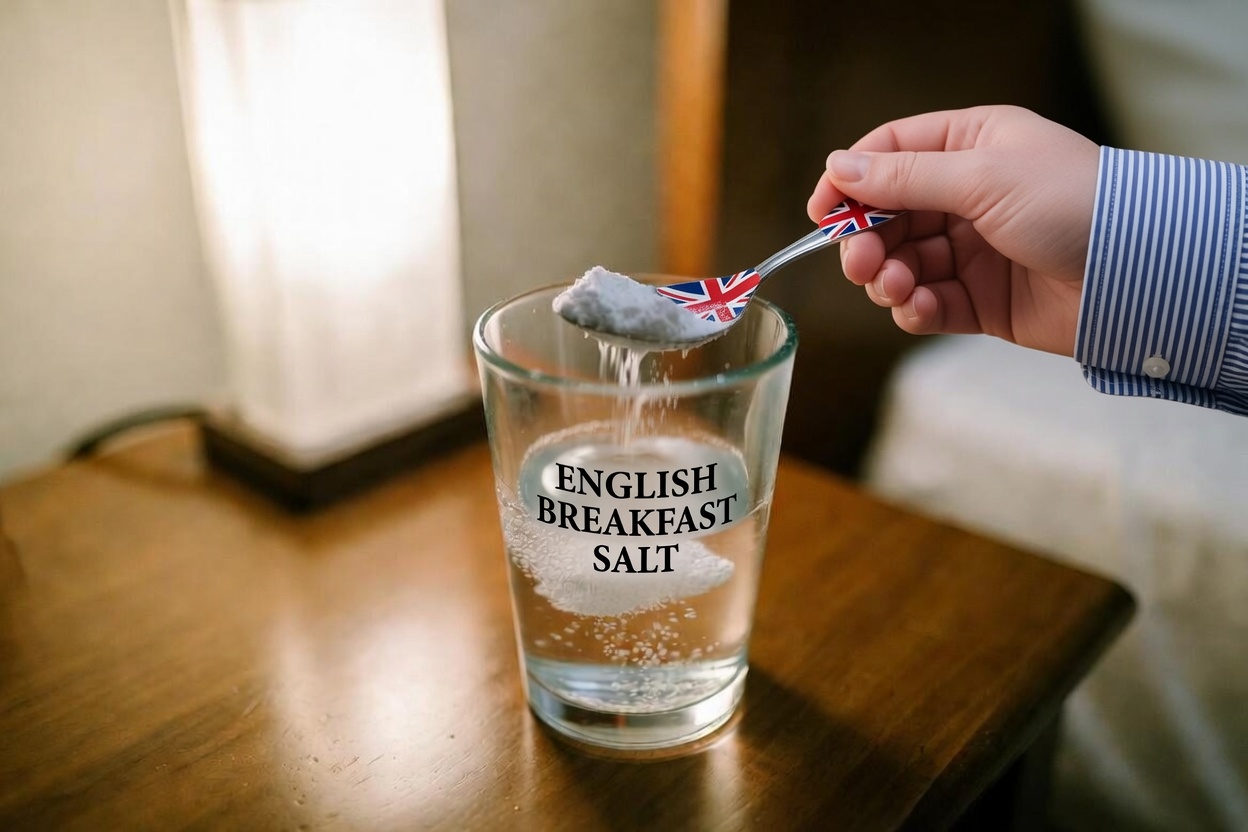
Drinking baking soda water before bed is a simple habit that gets a lot of attention online. Over the course of two weeks, some people may notice less evening discomfort, while others may feel little or no difference.
The bigger lesson is not that baking soda water is a powerful fix. It is that small routine changes can help you become more aware of what affects your comfort, digestion, and sleep. What works for one person may not work the same way for someone else.
A careful, short-term trial may offer insight, but it should always be done with moderation and awareness.
FAQ
Is it safe to drink baking soda water every night?
For many healthy adults, a very small amount may be tolerated for a short period such as two weeks. However, it is not intended as a long-term nightly habit. If you have any medical condition or take prescription medication, talk to your healthcare provider first.
How much baking soda should be added to water?
A common starting amount is 1/4 teaspoon mixed into 4 to 8 ounces of water. This keeps the dose mild and aligns with typical guidance for occasional use.
Can baking soda water replace other health habits?
No. It should be seen as a small experiment, not a substitute for balanced nutrition, regular physical activity, healthy sleep habits, or professional medical advice. Individual results can vary significantly.