
Why Kidney Health Matters and How Food Shapes It
Your kidneys work around the clock to filter waste products, balance fluid levels, and regulate key minerals and hormones. When they are under strain from high blood pressure, diabetes, chronic dehydration, or an unhealthy lifestyle, targeted nutrition becomes a powerful way to support them.
Research suggests that eating patterns rich in antioxidants, healthy fats, and anti-inflammatory compounds can help protect kidney function and reduce long-term damage. A kidney-friendly diet doesn’t have to be complicated—but some foods offer especially strong potential benefits.

Kidney-Friendly Foods to Put on Your Plate
The following foods are frequently recommended by health professionals and supported by evidence from organizations such as the National Kidney Foundation and Healthline. Always keep portions and your individual medical needs in mind, especially if you already have kidney disease.
-
Red bell peppers
Low in potassium yet high in vitamin C, fiber, and powerful antioxidants, red peppers may help counter inflammation and oxidative stress that can affect kidney health. -
Blueberries
These deeply colored berries are rich in anthocyanins—plant compounds linked with protection against oxidative damage, which is closely tied to kidney and cardiovascular issues. -
Cauliflower
This adaptable vegetable is naturally low in potassium and supplies vitamin K, folate, and fiber, making it a smart alternative to higher-potassium starches. -
Fatty fish (such as salmon)
Oily fish provide omega‑3 fatty acids that support heart and blood vessel health—both strongly connected to kidney function—and may help reduce inflammation in the body. -
Cabbage
High in fiber and low in potassium and sodium, cabbage supports digestion and provides vitamins without adding excessive mineral load, which is important in kidney-conscious eating.
Including these foods as part of a balanced, varied diet can be a gentle yet effective way to care for your kidneys over time.
Pumpkin Seeds: Small Seeds with Big Nutritional Impact
Pumpkin seeds (also called pepitas) are often mentioned in conversations about urinary tract and kidney support. Some studies, including research in children living in areas with a high risk of kidney stones, suggest pumpkin seeds may influence urine chemistry in a helpful way—such as:
- Increasing levels of phosphorus and pyrophosphate
- Reducing the formation of calcium‑oxalate crystals, a common component of kidney stones
Animal studies have also hinted that pumpkin seeds, sometimes used alongside other seeds, may help protect kidneys in high‑cholesterol conditions.
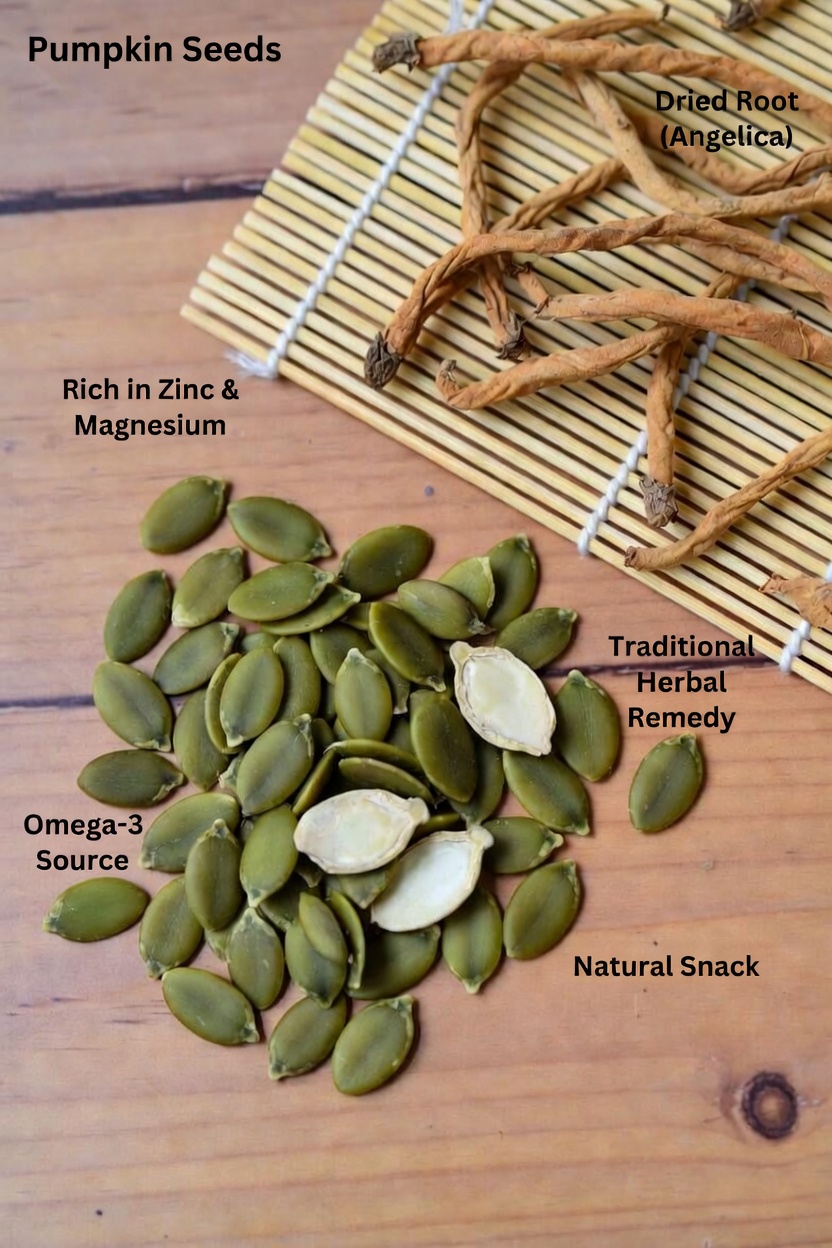
What makes pumpkin seeds stand out?
-
Excellent source of magnesium
Magnesium helps regulate blood pressure, a crucial factor in maintaining healthy kidneys. -
High in antioxidants and beneficial fats
These nutrients help combat oxidative stress and inflammation, both of which can damage kidney tissue over time. -
Plant-based protein and zinc
They contribute to immune function, muscle maintenance, and overall metabolic health.
Important caution: Pumpkin seeds contain relatively higher amounts of potassium and phosphorus. For people with moderate to advanced kidney disease, these minerals may need to be restricted. In many cases, a small serving—such as 1–2 tablespoons per day—may be more appropriate, but this should be confirmed with your doctor or renal dietitian before adding them regularly.
Cordyceps: Traditional Fungus with Modern Kidney Research
Cordyceps, commonly referring to species like Cordyceps sinensis or Cordyceps militaris, is a medicinal fungus long used in traditional practices. Modern studies, including systematic reviews and meta‑analyses, have explored its potential role in supporting kidney function.
Some findings from clinical trials suggest that, when used alongside standard medical treatment, cordyceps may:
- Help reduce markers such as serum creatinine or protein in the urine (proteinuria)
- Improve creatinine clearance, a measure of how well the kidneys filter blood
These effects are thought to be linked to cordyceps’ anti-inflammatory and antioxidant actions. However, many studies vary in quality, and more rigorous research is still needed.

Cordyceps is widely available as capsules, powders, and extracts. If you are considering it for kidney support:
- Choose products from reputable brands with quality testing
- Discuss it with your healthcare provider, as supplements can interact with medications or may not be appropriate for all kidney conditions
Practical Ways to Bring Kidney-Supportive Foods into Your Day
You don’t need an overhaul of your entire menu to start supporting your kidneys. Simple, steady adjustments can make a difference:
-
Begin with small additions
Add a handful of blueberries to your morning oatmeal or smoothie, or roast cauliflower with herbs as a side dish. -
Stay well hydrated
Adequate water intake helps your kidneys flush out waste more effectively. Follow your provider’s advice if you’re on a fluid restriction. -
Watch potassium and phosphorus if needed
If your doctor has asked you to track these minerals, use nutrition apps, food labels, or a dietitian’s guidance to manage portions of higher‑mineral foods like seeds or certain fruits. -
Pair nutrition with other healthy habits
Combine a kidney-friendly eating pattern with regular physical activity, stress management, and routine blood pressure monitoring for more comprehensive protection.
Consistency—rather than perfection—tends to deliver the most meaningful kidney support over time.
Everyday Habits for Better Kidney Care
Along with specific foods, overall lifestyle patterns strongly influence kidney health:
-
Cut back on sodium
Lowering salt intake can ease fluid retention and help control blood pressure, reducing strain on the kidneys. -
Choose whole grains when appropriate
Opt for minimally processed grains instead of refined options to support heart and metabolic health. (If you have advanced kidney disease, ask your dietitian which grains are best for you.) -
Boost your fiber intake
Vegetables, fruits suited to your kidney plan, and whole grains can aid digestion and support the body’s natural detoxification processes.
A simple daily upgrade: top unsalted yogurt or a salad with a small sprinkle of unsalted pumpkin seeds for extra crunch, healthy fats, and minerals—if your kidney care team agrees it fits your plan.
Conclusion: Gentle Changes, Long-Term Kidney Benefits
Supporting your kidneys does not require extreme diets or complicated routines. Thoughtful choices—like adding antioxidant-rich fruits and vegetables, incorporating omega‑3‑rich fish, and mindfully using seeds or traditional options like cordyceps—can complement medical care and encourage better kidney health over the long run.
Work closely with your healthcare provider or renal dietitian to tailor these strategies to your specific needs and stage of kidney function.
FAQ
What are early signs that my kidneys may need more support?
Possible warning signs include:
- Unusual fatigue or low energy
- Swelling in the legs, ankles, feet, or around the eyes
- Changes in urination (frequency, color, or foaming)
- Elevated blood pressure
If you notice these symptoms, schedule a medical evaluation and lab tests rather than self-diagnosing.
How much water should I drink each day for kidney health?
Many adults do well with about 8–10 cups (roughly 2–2.5 liters) of fluids per day, but needs vary based on body size, activity level, climate, and medical conditions. If you have kidney disease or heart issues, follow the specific fluid guidelines provided by your doctor or kidney specialist.
Can these foods and supplements replace medical treatment?
No. Kidney-supportive foods and supplements are meant to complement—not substitute—prescribed medications, monitoring, and medical procedures. Always use dietary changes and natural products alongside professional care, and keep your healthcare team informed about everything you’re taking.