
Why Thyme Continues to Be a Favorite in Traditional Wellness
Many people experience recurring seasonal discomfort, minor infections, or everyday aches that can interfere with daily comfort and overall well-being. These problems may become especially discouraging when they keep coming back despite simple self-care habits. Although modern options are widely available, interest in traditional herbs has grown as more people look for natural ways to support their routines. Among the herbs most often mentioned, thyme remains one of the best known — and for good reason. Later in this article, you’ll also find a simple and practical way people commonly use thyme at home.
What Makes Thyme Unique?
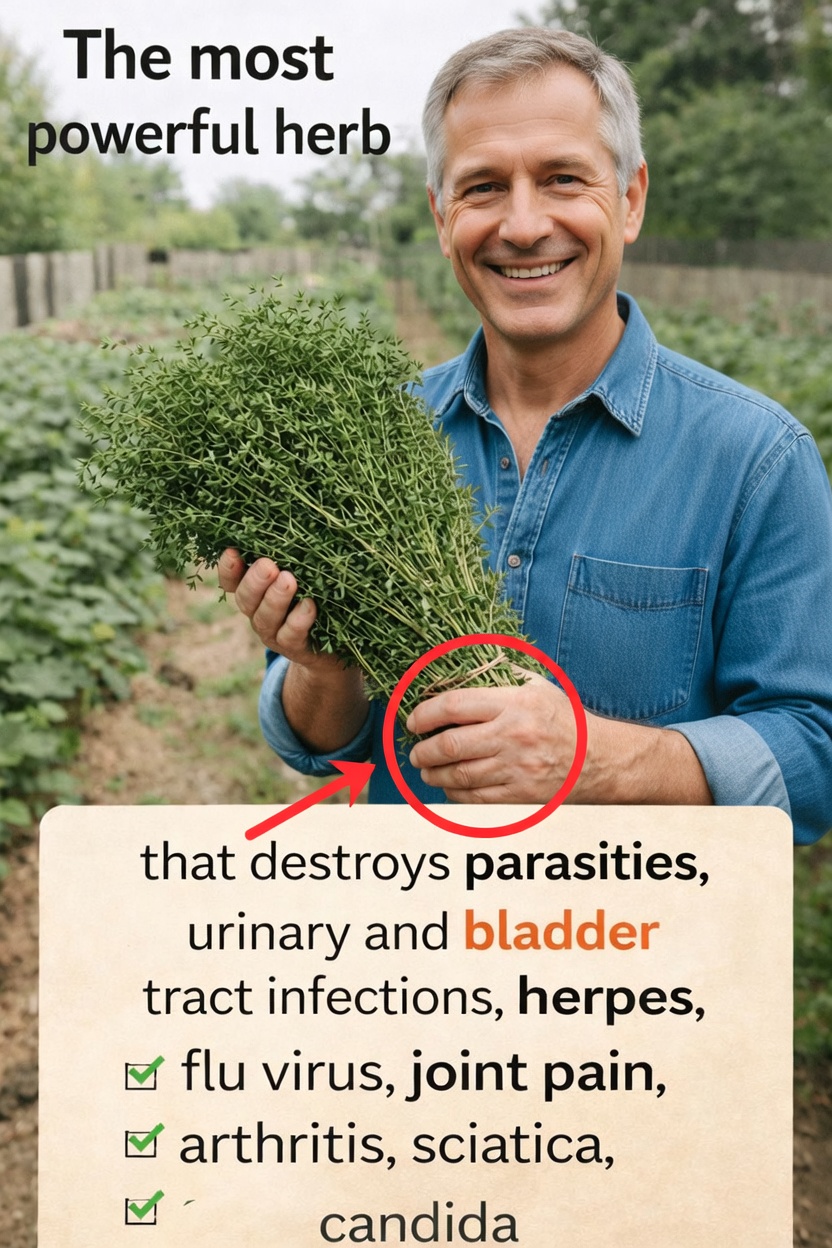
Thyme, known botanically as Thymus vulgaris, is a small perennial herb with a strong aroma, originally native to the Mediterranean. Its tiny leaves deliver a warm, earthy scent and flavor, which is why it has been valued in cooking for centuries. But thyme’s reputation extends far beyond the kitchen. In many traditional practices, it has long been appreciated as a plant that supports everyday wellness.
One of the main reasons thyme attracts so much attention is its natural concentration of plant compounds such as thymol and carvacrol. These substances have been examined in both traditional herbal contexts and laboratory research.
Key Natural Compounds in Thyme
Researchers have explored several notable components naturally present in thyme, including:
- Thymol — one of the most widely studied phenolic compounds in thyme
- Carvacrol — closely related to thymol and often analyzed alongside it
- Rosmarinic acid — known for its antioxidant properties
- Linalool and other volatile oils — responsible for much of thyme’s distinctive fragrance
These naturally occurring constituents are part of the reason dried thyme and thyme essential oil frequently appear in herbal and food science research.
Traditional Uses That Have Lasted Across Generations
In Europe, the Mediterranean, and many other parts of the world, thyme has held an important place in folk wellness traditions for a very long time. People have traditionally used it for support during times of:
- Occasional urinary discomfort
- Seasonal breathing issues
- Minor concerns involving skin or nails
- Everyday stiffness in muscles and joints after physical activity
- Periods of low energy, especially in colder seasons
Traditional use should not be confused with modern medical guidance. Even so, the fact that thyme appears so consistently in long-standing herbal practices is noteworthy.
What makes this even more interesting is that modern research has begun exploring why thyme was so often chosen by traditional herbalists.
What Research Has Noticed About Thyme
A variety of laboratory and in-vitro studies have investigated thyme and its extracts. While these findings are still preliminary and often based on test-tube or animal models, researchers have reported several promising areas of activity:
- Antioxidant effects in controlled settings, helping neutralize free radicals
- Broad-spectrum activity against various microorganisms in laboratory testing
- Support for normal inflammatory response pathways
- Potential traditional support for urinary tract and respiratory wellness
Review papers published in journals such as Phytotherapy Research and Molecules have pointed to thymol and carvacrol as especially active compounds in thyme.
It is important to keep expectations realistic: these findings do not mean thyme can cure or treat disease. They simply highlight biological activity that deserves more study.
Simple Ways People Use Thyme at Home
Many people like to include thyme in their daily wellness habits in easy and approachable forms. Here are three of the most common methods.
1. Classic Thyme Tea
This is the method many people choose most often.
- Add 1 to 2 teaspoons of dried thyme or 1 tablespoon of fresh thyme to a cup.
- Pour in 8 to 10 ounces (about 250 ml) of freshly boiled water.
- Cover the cup and let it steep for 8 to 12 minutes.
- Strain and drink slowly. Honey or lemon can be added if preferred.
Some people enjoy 1 to 3 cups a day when they want extra herbal support.
2. Thyme Steam Inhalation
This method is especially popular during colder months.
- Put 2 to 3 tablespoons of dried thyme into a heat-safe bowl.
- Carefully pour boiling water over the herb.
- Lean over the bowl at a safe distance.
- Place a towel over your head and breathe in the steam gently for 5 to 10 minutes.
3. Thyme-Infused Honey
This is a popular option for those who want a soothing herbal preparation.
- Warm 1 cup of raw honey gently without boiling it.
- Mix in 2 to 3 tablespoons of dried thyme.
- Let the mixture sit in a jar for 3 to 7 days, shaking it occasionally.
- Strain if desired, or leave the herb in the jar.
- Use 1 teaspoon at a time as needed.
Many people especially enjoy this preparation for natural throat comfort.
Tips for Using Thyme More Effectively
If you want to add thyme to your routine in a thoughtful way, these simple tips can help:
- Choose organic or high-quality dried thyme whenever possible
- Keep it in an airtight glass container away from heat and direct sunlight
- Begin with small amounts to observe how your body responds
- Pair it with other supportive habits such as:
- Drinking enough water
- Getting proper rest
- Eating nutrient-rich foods
- Speak with a healthcare professional before using a new herb if you:
- Take prescription medications
- Have a chronic health condition
- Are unsure whether it is appropriate for you
Frequently Asked Questions
Is thyme safe to use every day?
For most healthy adults, moderate amounts of thyme used in food or tea are generally considered safe. Very large amounts, as well as concentrated essential oil, should be avoided unless guided by a qualified professional.
Can fresh thyme be used instead of dried thyme?
Yes. Fresh thyme is an excellent substitute. Because it contains more moisture, you will usually need about 2 to 3 times more fresh thyme than dried.
Does cooking reduce thyme’s beneficial qualities?
Cooking can lower some of thyme’s volatile oil content, but it does not remove all of its useful compounds. Many people enjoy thyme both in cooked dishes and in tea preparations.
Final Thoughts
Thyme is much more than a common seasoning for roasted dishes or pizza. It is a hardy, time-honored herb that has earned lasting respect in many cultures. Whether you use it in cooking, enjoy it as a warm tea, or simply appreciate its traditional role in herbal wellness, thyme remains one of the most versatile plants to keep on hand.
Use it with care, pay attention to how your body responds, and enjoy the experience of bringing a traditional herb into your routine in a balanced and mindful way.