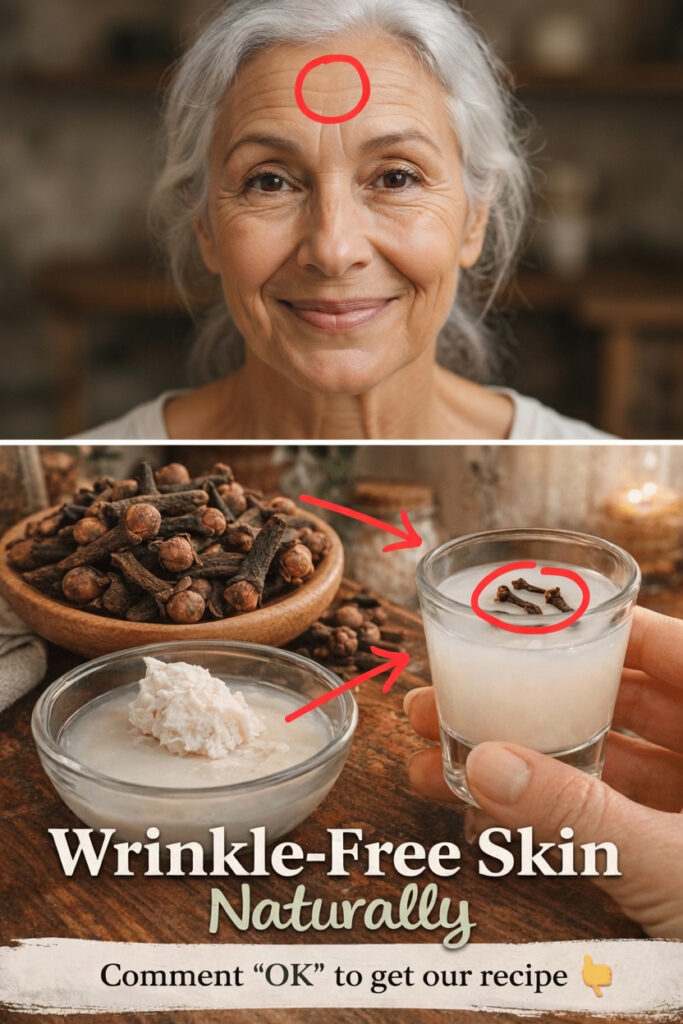
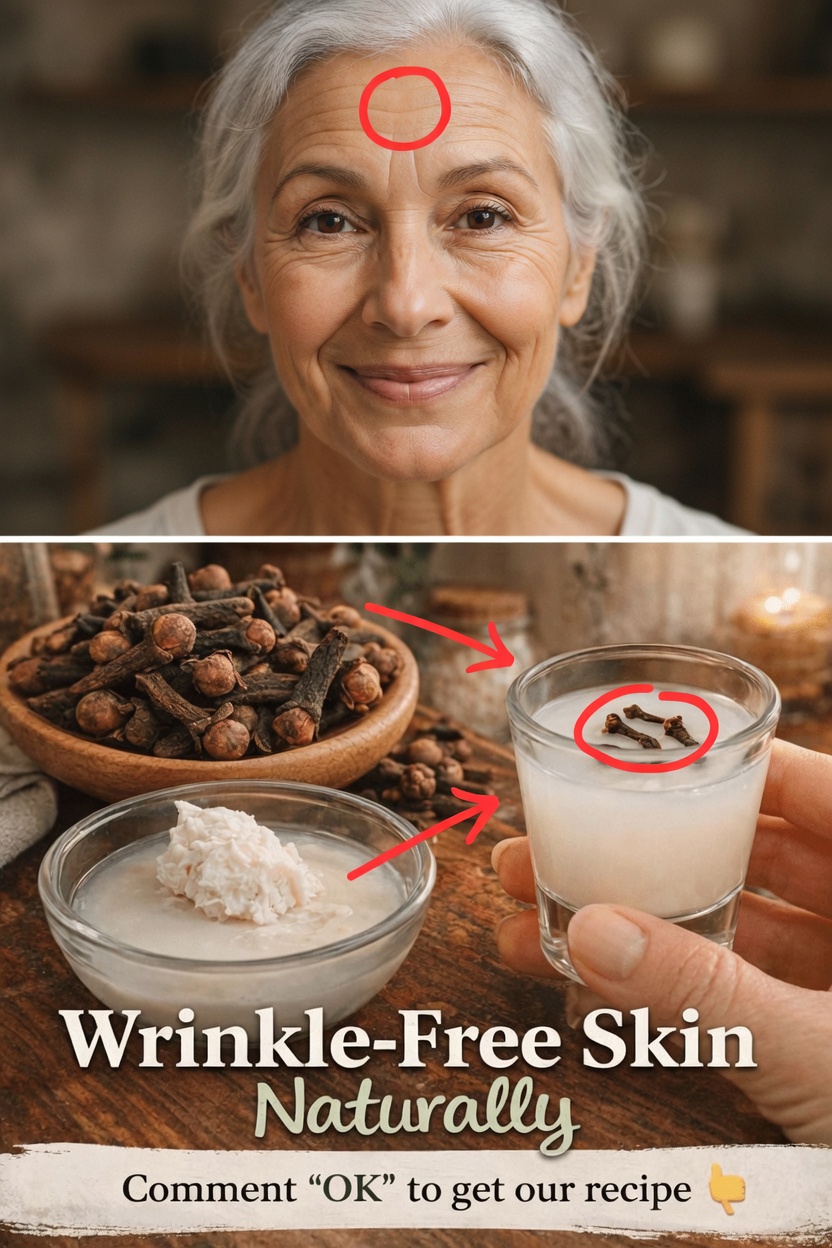
Cloves for Skin Health: What Science Suggests and How to Use Them Safely
As the years pass, it is common to notice fine lines, dryness, and a rougher skin texture. Daily exposure to sunlight, pollution, and other environmental stressors can gradually affect how skin looks and feels. Many people also find that their skin no longer seems as firm, smooth, or naturally supple as before.
The encouraging part is that some everyday kitchen ingredients are being studied for their potential to support skin wellness. One of the most interesting is clove, a familiar spice known for its strong aroma and naturally rich antioxidant compounds.
Could this common spice become a small but useful part of your routine for maintaining healthy-looking skin? In this article, we’ll look at what current research says about cloves—especially when used in a mild infused drink—while keeping the claims realistic and science-based. You’ll also find a simple and safe method for making clove-infused water at home.
Why Cloves Are Getting Attention for Skin Support
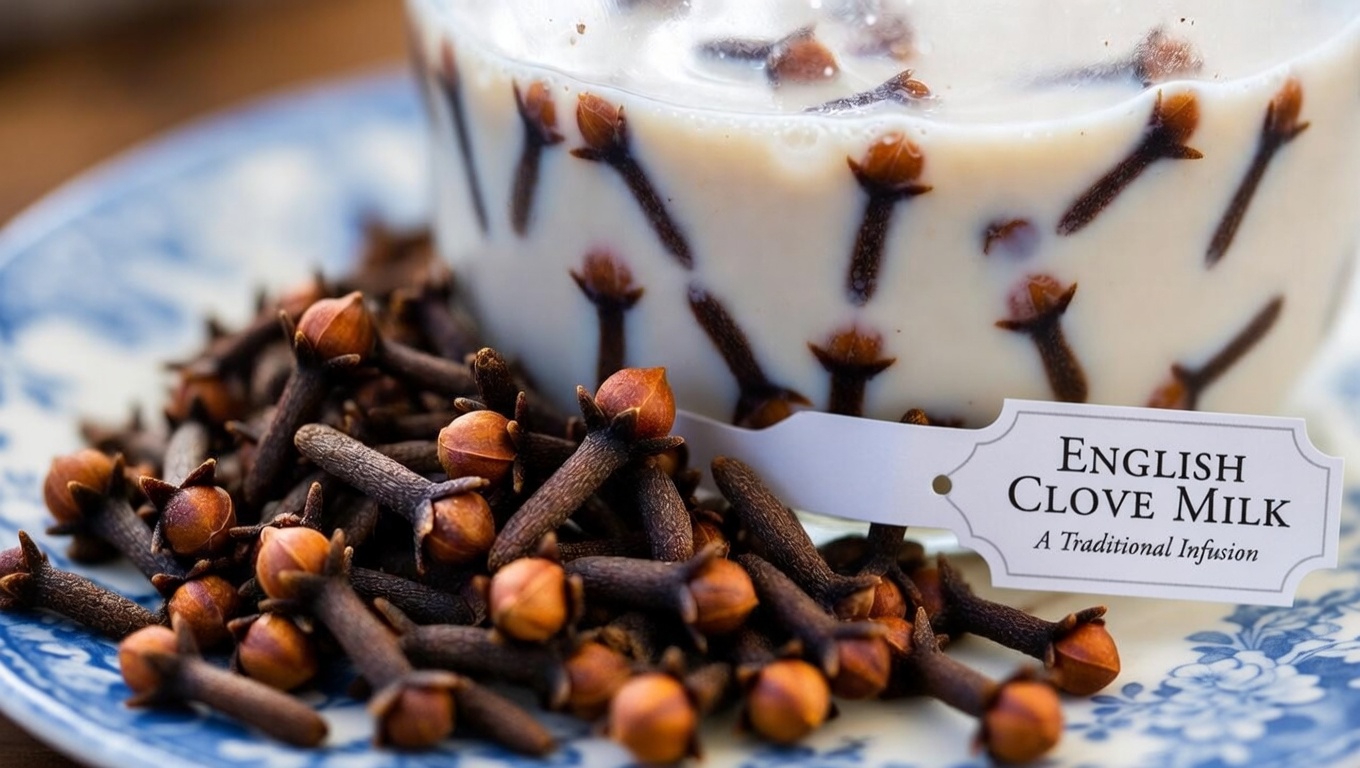
Cloves are the dried flower buds of the Syzygium aromaticum tree. Despite their small size, they contain a variety of active plant compounds. The best-known of these is eugenol, a natural phenolic compound responsible for cloves’ signature scent and a major component of clove essential oil.
One reason cloves stand out is their high antioxidant activity. Antioxidants help the body deal with oxidative stress, which is one of the major processes involved in visible skin aging. Oxidative stress happens when free radicals—generated by UV exposure, pollution, and normal body processes—build up faster than the body can neutralize them. Over time, this may contribute to changes such as reduced firmness and a more tired-looking complexion.
Research from laboratory and animal studies suggests that clove extracts may stimulate protective mechanisms such as the Nrf2/ARE pathway, which helps strengthen the body’s own antioxidant defenses. This may support skin cells by creating a healthier internal environment.
Cloves have also shown soothing and anti-inflammatory properties in a number of studies. Since inflammation can contribute to skin irritation, discomfort, and changes in appearance, ingredients that may help calm these responses are of growing interest in skin wellness.
What Research Says About Cloves and Skin Appearance
A number of preclinical studies have looked at clove extract—often prepared with ethanol—as well as eugenol, in relation to skin health.
Findings from these studies include:
- In models exposed to UVB radiation, which is often used to simulate sun-related skin damage, clove extracts reduced signs of cellular stress and supported proteins linked to skin structure, including procollagen and elastin.
- Animal studies reported better skin barrier function, partly through increased filaggrin, a protein that helps the skin retain moisture and defend itself from environmental damage.
- Tissue observations in treated models showed a smoother skin appearance compared with untreated groups under similar UVB exposure.
For instance, one study involving hairless mice found that clove extract helped improve skin hydration and reduced visible changes associated with UVB stress. Other research examined how cloves affect antioxidant enzymes such as SOD and CAT, as well as inflammatory signaling pathways like NF-κB, which play a role in maintaining overall skin balance.
It is important to keep these findings in perspective. Most of the evidence currently comes from:
- Lab experiments
- Cell studies
- Animal models
That means results in humans may not be the same. At present, there are no large clinical trials proving that cloves dramatically transform the skin. Still, because of their antioxidant profile, cloves may be considered a supportive natural addition to a broader skin-care and wellness approach.
In other words, cloves are best viewed as a complement—not a replacement—for proven habits such as:
- Daily sunscreen use
- Good hydration
- Gentle cleansing
- Regular moisturizing
Another point worth noting is that cloves may support general wellness, and overall health often shows up in the skin’s appearance as well.
How to Make Clove-Infused Water at Home
If you want to try cloves in a simple way, clove-infused water is a gentle option. It allows some beneficial compounds to be extracted without being overly strong.
Step-by-Step Instructions
- Take 4 to 6 whole dried cloves.
- Rinse them briefly with cool water.
- Put the cloves into a mug or glass container.
- Pour in 1 to 2 cups of hot water, ideally around 80–90°C, rather than fully boiling water.
- Cover and let the mixture steep for 10 to 15 minutes.
- Strain out the cloves.
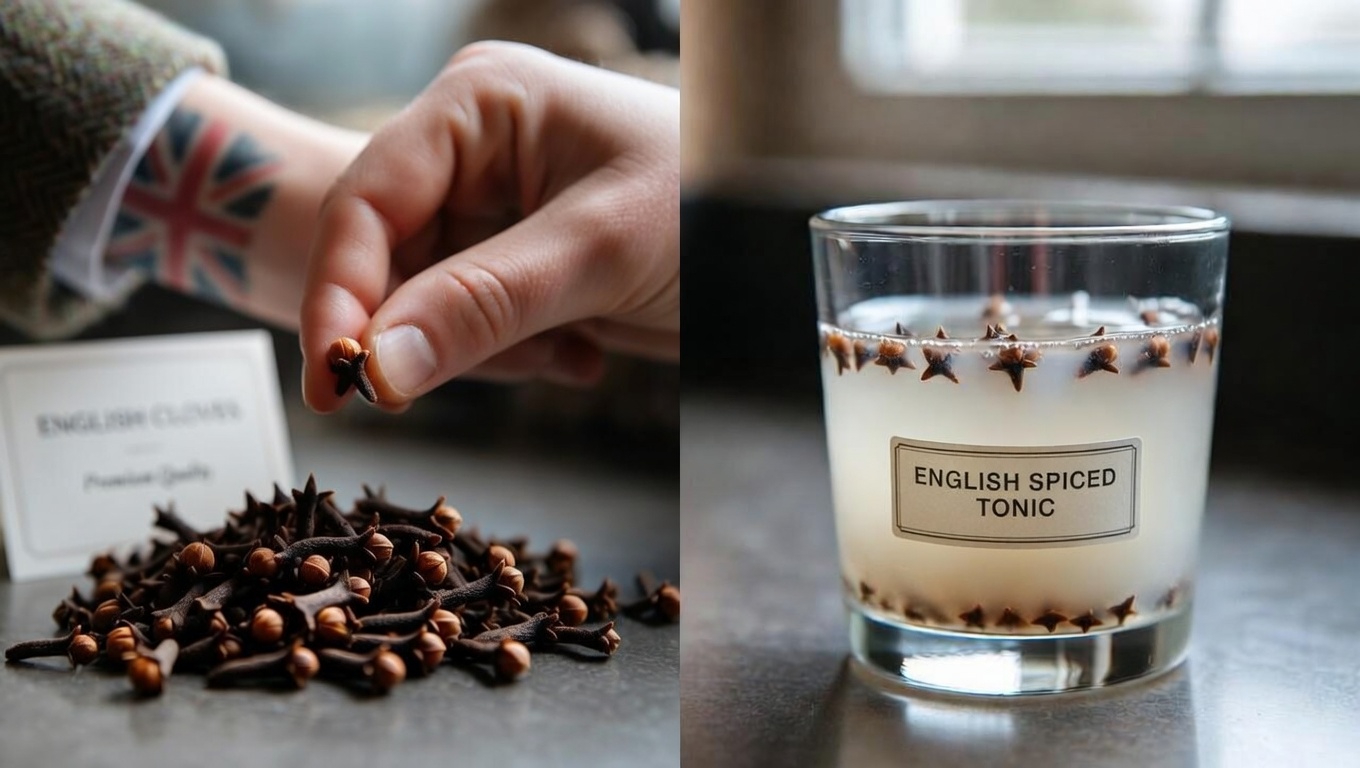
- Drink it warm or cooled, starting with 1 cup per day, such as in the morning.
If you want a little flavor variation, you can add a small squeeze of lemon later. However, it is often best to begin with plain clove water first so you can see how your body responds.
Tips for the Best Experience
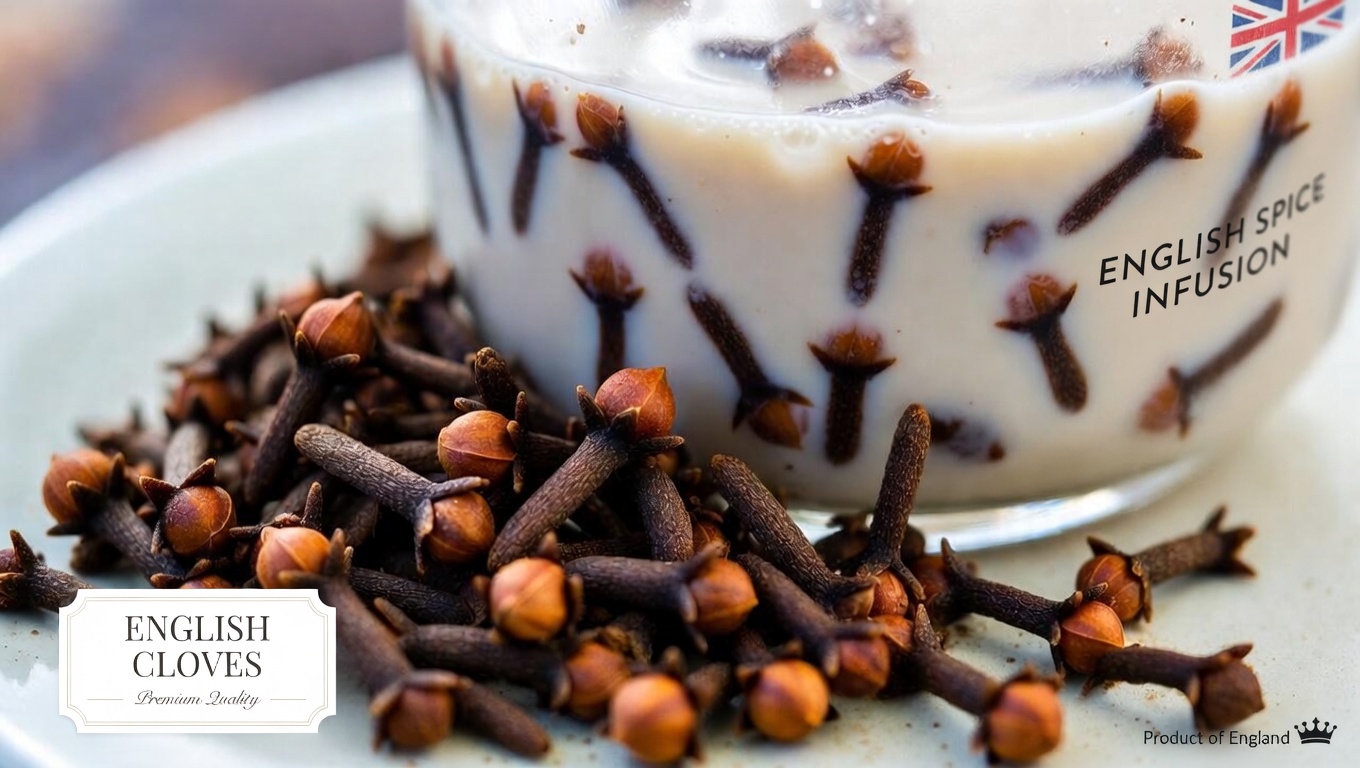
- Choose fresh, good-quality cloves, preferably dark and plump, as these tend to contain more essential oils.
- Keep intake moderate to reduce the chance of stomach discomfort.
- Use clove water alongside a solid skincare routine rather than instead of one.
For best overall skin support, combine it with:
- A gentle cleanser
- A reliable moisturizer
- Daily broad-spectrum sunscreen
Other Ways to Include Cloves in Your Routine
Cloves are versatile and can be used in more than one way. Depending on your preferences, they may fit into your routine through:
- Cooking: Add them to soups, teas, stews, or baked recipes for a small antioxidant boost.
- Topical products: Clove oil may appear in creams or blends, but it should always be diluted and patch-tested first because eugenol can irritate sensitive skin.
- Warm spice drinks: Cloves are often paired with cinnamon or ginger in comforting beverages.
Still, the real foundation of healthy-looking skin comes from consistent lifestyle choices. Natural ingredients can support that process, but they work best when paired with:
- A balanced diet
- Enough sleep
- Stress management
- Proper hydration
Common Questions About Clove Water and Skin
Can clove water replace skincare products?
No. Skincare products such as moisturizers and sunscreen work directly on the skin’s surface. Clove-infused water may support wellness from within, but it does not replace topical care.
How long does it take to see any changes?
Skin responds differently from person to person. In research settings, benefits related to antioxidants and skin support are often observed over weeks or months, not overnight. Focus on steady habits rather than expecting quick results.
Is it safe to drink clove water every day?
For most people, 1 to 2 cups daily in moderate strength is generally well tolerated. It is still wise to start with a smaller amount and pay attention to how you feel.
People who should be especially cautious include:
- Those with known allergies
- Pregnant individuals
- Anyone taking medications or managing medical conditions
If that applies to you, it is best to speak with a healthcare professional first.
Final Thoughts
Cloves are an interesting natural ingredient with a strong antioxidant profile and a high content of eugenol, both of which have drawn attention in skin-related research. Early studies suggest they may help support the skin against everyday stressors and contribute to a healthier-looking appearance over time.
That said, cloves are not a miracle solution. A simple drink like clove-infused water may be a helpful addition to your routine, but the best results still come from combining natural remedies with evidence-based habits.
Use cloves thoughtfully, keep expectations realistic, and build your routine around what is proven: sun protection, hydration, good skincare, and a healthy lifestyle.