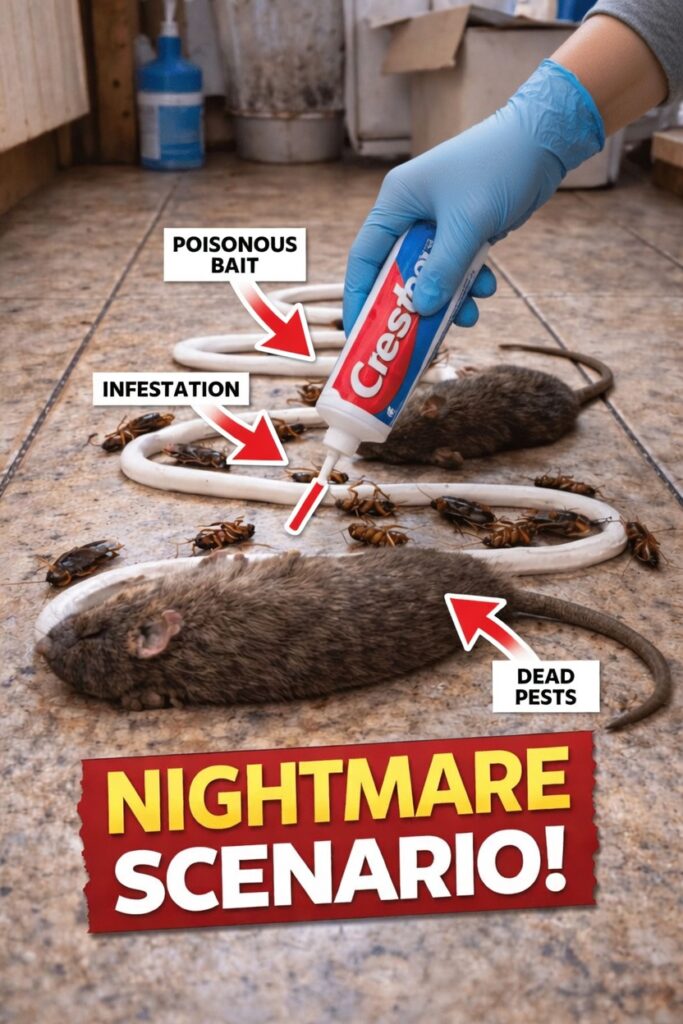
Can Mint Toothpaste Really Help Deter Household Pests?
Sharing your home with uninvited guests like mice, cockroaches, or ants is stressful and unsettling. These pests creep into kitchens, pantries, and hidden corners, leaving droppings, gnaw marks, contaminated food, and an ongoing worry about hygiene and health. Many households rely on chemical sprays, traps, or poisons, only to face recurring infestations, rising costs, and concerns about how safe these products really are around children and pets.
What if something as ordinary as the mint toothpaste in your bathroom could support your pest control routine?
This guide explains how mint-flavored toothpaste, thanks mainly to its strong scent, can play a small supporting role in natural pest deterrence. It’s not a magic bullet, but some homeowners use it alongside more traditional preventive methods. Read on for practical tips on how to experiment with this everyday product responsibly and safely.
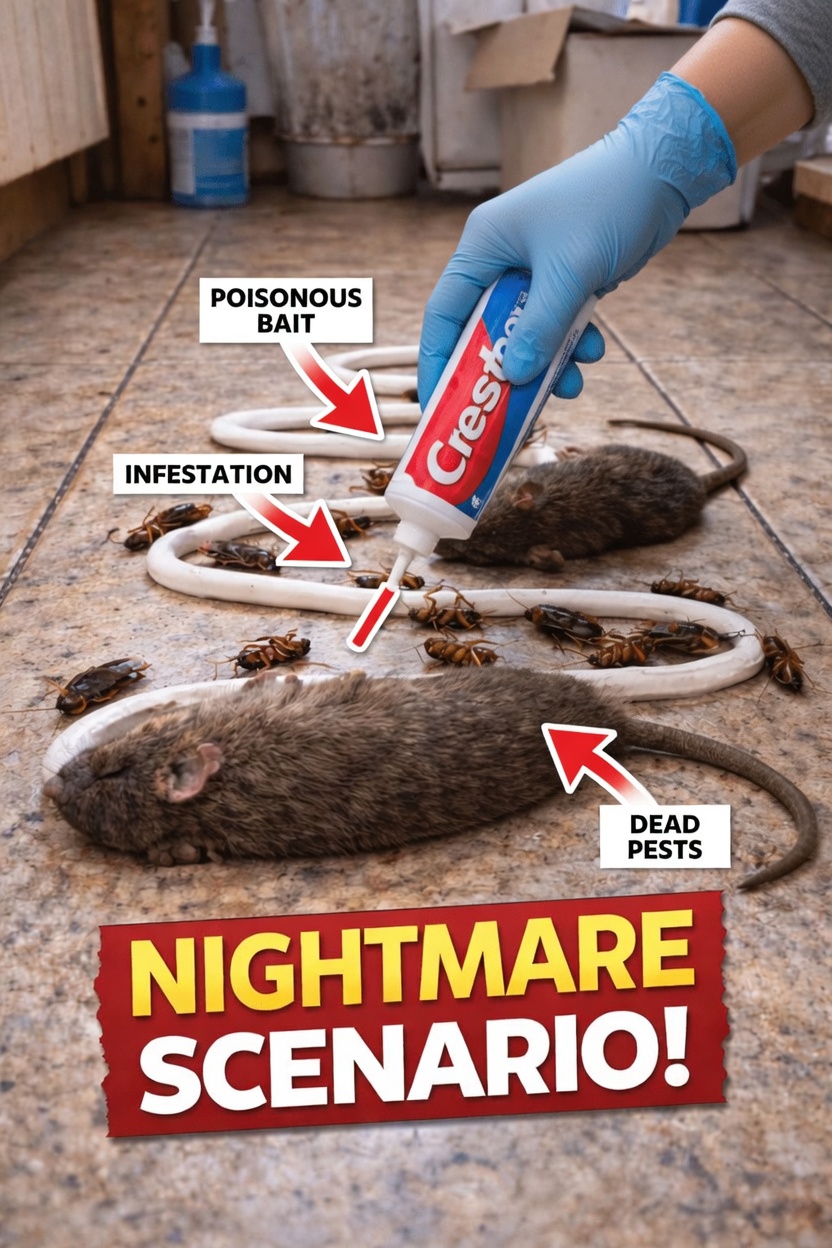
Why Pests Come Indoors and What Attracts Them
Most pest problems start because your home offers the three essentials they need:
- Food – crumbs, unsealed packages, pet food, and spills
- Water – leaky pipes, damp sinks, condensation, and standing water
- Shelter – dark, quiet spaces to hide, nest, and breed
Mice can squeeze through openings the size of a coin, cockroaches flourish in warm and humid areas like bathrooms and kitchens, and ants follow scent trails directly to sugary or greasy residues. Once inside, they can reproduce quickly, turning an occasional sighting into a noticeable infestation.
Conventional pest control typically relies on pesticides and toxic baits. However, growing interest in natural pest control and safer alternatives has encouraged people to experiment with household items. Both research and anecdotal experience suggest that strong odors can disrupt how pests navigate, communicate, and forage for food.
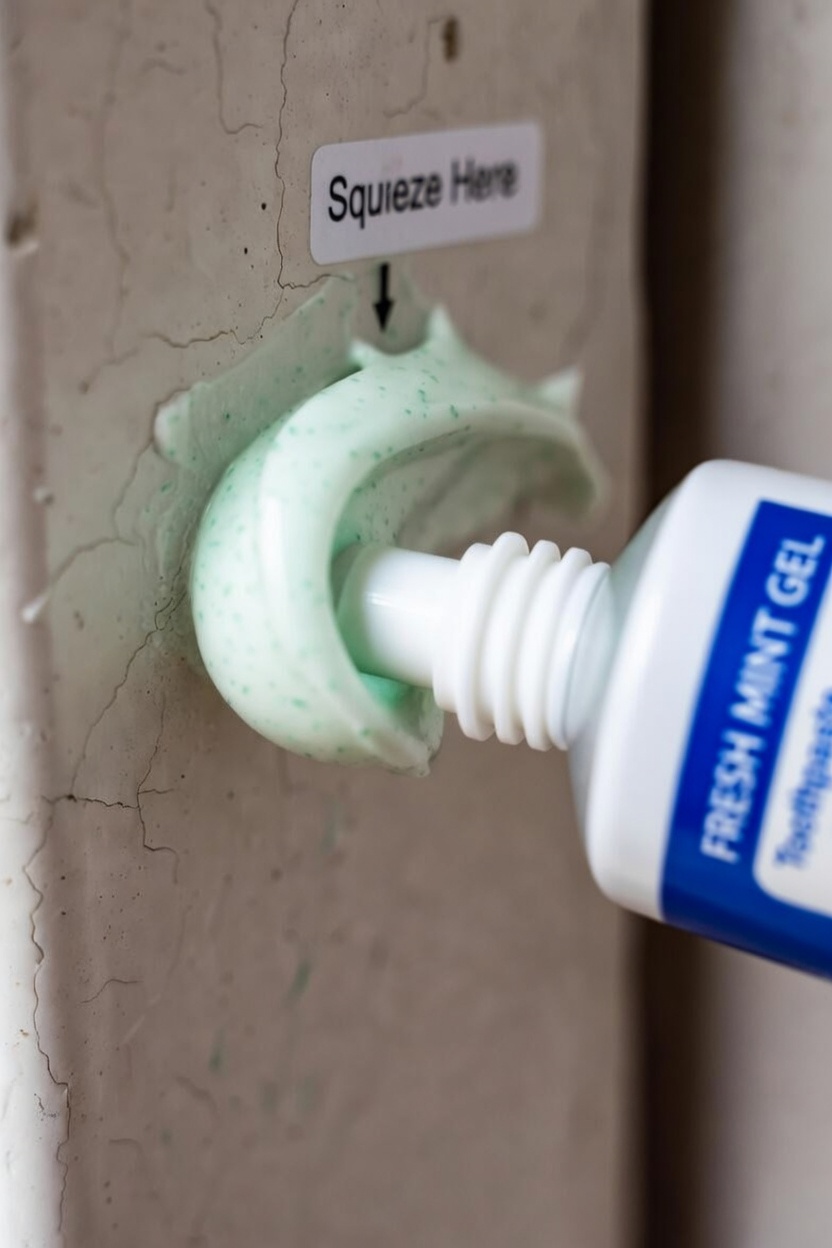
The Mint Factor: How Peppermint Can Affect Pest Behavior
Peppermint is frequently mentioned in natural pest control discussions because it contains high levels of menthol and other aromatic compounds. Studies on essential oils indicate that powerful herbal scents like peppermint can interfere with the sensory systems of certain insects and rodents, making treated areas less attractive or more confusing to them.
Many mint toothpastes contain:
- Peppermint oil or mint flavorings
- Other additives such as baking soda in some formulas
Even though the concentration of peppermint in toothpaste is much lower than in pure essential oil, the familiar cool, minty smell is what catches the interest of homeowners looking for gentle deterrent ideas.
Why this scent might matter for pests:
- Rodents have extremely sensitive sense of smell and may avoid areas with intense, unfamiliar odors.
- Crawling insects, including ants, rely heavily on chemical trails and scent communication; a strong mint smell can disrupt these trails for a while.
- The thick paste may act as a minor physical barrier in tiny cracks or along edges, though this effect is usually minimal.
However, it’s crucial to remember: toothpaste is not designed as a pest control product, and results can vary widely depending on the pest species, the severity of the problem, and how consistently it’s used.
Myths vs. Reality: What Toothpaste Can and Can’t Do
Stories online sometimes claim that toothpaste alone can “solve” pest problems. A closer look paints a more balanced picture.
Mice and Rats
- The minty smell may make certain spots less inviting, similar to how peppermint oil is sometimes used as a repellent.
- Rodents, however, are adaptable and can quickly get used to new smells, especially if food and nesting material remain easily accessible.
- Toothpaste by itself is unlikely to eliminate an active rodent infestation.
Cockroaches
- Some toothpastes may contain trace amounts of substances like boric acid, but the levels are generally far too low to be effective as a roach killer.
- At best, a strong mint scent may cause cockroaches to avoid a specific small area temporarily, but it won’t address the population at large.
Ants
- The aroma and stickiness of toothpaste can interrupt ant trails or obscure the chemical paths they follow.
- Combined with thorough cleaning and removal of food residues, it may help reduce activity along specific routes, but again, results are temporary.
Most professionals agree: these DIY methods are low-risk experiments, but they work best as part of a broader strategy that includes blocking entry points, maintaining cleanliness, and using targeted treatments when necessary.
How to Use Mint Toothpaste as a Supplemental Pest Deterrent
If you’d like to try mint toothpaste as a small component of your pest management routine, keep safety and prevention as top priorities. For moderate to severe infestations, always consider consulting a pest control professional.
Step 1: Select the Toothpaste
- Choose a strong mint-flavored toothpaste (peppermint or spearmint).
- Avoid very thin gel formulas that may dry out too quickly or be harder to see.
Step 2: Find the Problem Zones
Look for areas where pests commonly travel or hide:
- Along baseboards and wall edges
- Under sinks and near pipes
- Behind kitchen appliances
- Around door thresholds and window frames
- Near visible entry gaps or cracks
Step 3: Apply Small Amounts
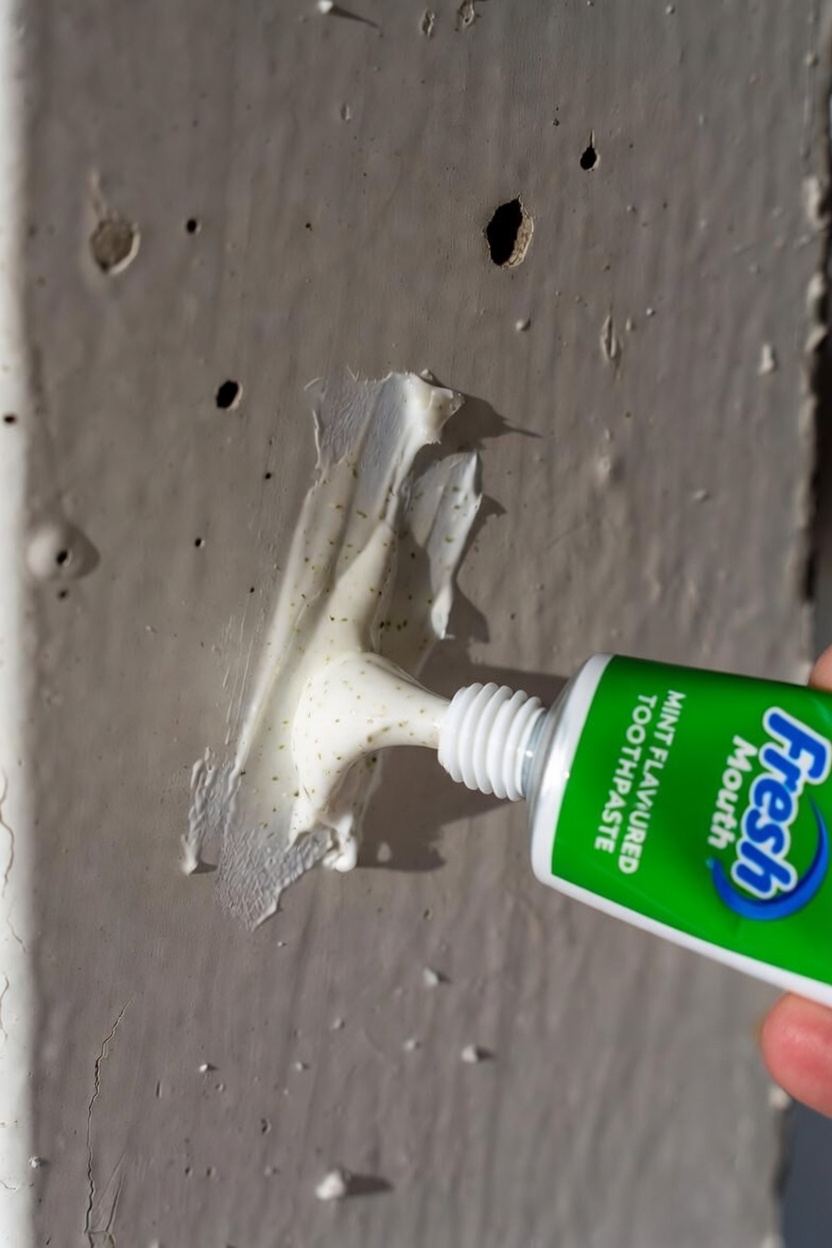
- Squeeze thin lines or small dots of toothpaste in corners, crevices, or along ant trails.
- Avoid large blobs, which can collect dust and debris and become messy.
- Keep it away from surfaces that come into contact with food.
Step 4: Refresh Regularly
- The mint scent fades over time, usually within a couple of days.
- Reapply every 2–3 days, or sooner if the toothpaste dries out or gets wiped away.
Step 5: Combine with Good Habits
To see any meaningful benefit, pair toothpaste with:
- Promptly cleaning up spills and crumbs
- Storing food, including pet food, in sealed containers
- Taking out the trash regularly
- Reducing clutter that provides hiding spots
Toothpaste vs. Other Natural Pest Deterrents
Here’s how mint toothpaste compares with several commonly suggested natural options:
-
Mint Toothpaste
- Pros: Easy to find, low cost, mild scent deterrence, generally low risk.
- Cons: Weak compared to concentrated products, short-lived effect, not a true pesticide.
-
Pure Peppermint Essential Oil
- Pros: Much stronger aroma, often more effective at repelling certain pests when used correctly.
- Cons: Must be properly diluted; can irritate skin or pets if misused; scent still needs frequent renewal.
-
Baking Soda and Sugar Baits (for Ants)
- Pros: Targets ants more directly when they ingest it.
- Cons: Must be kept away from children and pets; requires careful placement.
-
Sealing Entry Points and Deep Cleaning
- Pros: Addresses the root cause of infestations, offers the most reliable long-term control.
- Cons: Requires time, effort, and sometimes professional help for building repairs.
Regardless of the method, consistency—regular cleaning, monitoring, and maintenance—has a bigger impact than any single DIY trick.
Additional Natural Strategies to Strengthen Your Pest Control
To make any deterrent, including toothpaste, more effective, layer multiple strategies:
- Seal gaps and cracks with caulk, steel wool, or appropriate materials around pipes, windows, and doors.
- Place cotton balls soaked in diluted peppermint oil near known entry points or under sinks.
- Keep countertops and floors dry and crumb-free, especially overnight.
- Declutter storage areas, closets, and basements to reduce hiding and nesting spots.
- Fix leaks and moisture problems, which attract both insects and rodents.
These approaches tackle the conditions that attract pests, rather than only reacting to their presence.
What Results to Expect—and When to Call a Professional
Some homeowners report fewer pest sightings after using mint toothpaste alongside careful cleaning and sealing measures. However, it’s realistic to expect:
- Localized, short-term deterrence, not a complete solution
- The need for ongoing reapplication and continuous good hygiene
- Variable results, depending on your home, climate, and pest type
If you notice any of the following, professional help is strongly recommended:
- Persistent sightings despite your efforts
- Fresh droppings, strong odors, or gnaw marks
- Signs of nesting, breeding, or large numbers of insects
- Concerns about structural damage or health risks
A licensed pest control specialist can design a targeted, safe treatment plan tailored to your situation.
Frequently Asked Questions
Does mint toothpaste really keep pests away?
Mint toothpaste can discourage some pests temporarily because the strong scent may overwhelm or confuse their sense of smell. However, it is not a scientifically proven, stand-alone pest control method. It works best as a small part of a multi-step, preventive strategy, not as your only line of defense.
Is it safe to use toothpaste around children and pets?
In small amounts placed in hard-to-reach areas, mint toothpaste is generally low-risk. Still, it’s not meant to be eaten:
- Avoid applying it where pets may lick or chew it.
- Keep it away from spots where children can touch or ingest it.
- Monitor treated areas regularly and clean up any old or smeared toothpaste.
If you’re unsure, consult your veterinarian or pediatrician for advice tailored to your household.
How long does the repellent effect last?
The mint smell typically diminishes within a few days, especially in warm or well-ventilated areas. For any benefit:
- Check treated spots frequently.
- Reapply every 2–3 days or if you notice the scent is gone.
- Combine this with cleaning and other preventive actions to extend the overall impact.
Can toothpaste replace professional pest control?
No. Toothpaste should be viewed as a supplemental, low-cost experiment, not a full solution. For established or serious infestations—especially involving rodents, cockroaches, or termites—professional pest control is usually necessary to resolve the problem safely and effectively.
Using mint toothpaste in your pest management routine highlights how everyday household products can inspire creative, budget-friendly approaches to home care. While it won’t replace solid prevention or professional treatment, it can play a small supporting role in a broader, more holistic pest control strategy.