Hibiscus Cinnamon Clove Tea: A Tangy Ritual for Everyday Wellness
Many people find it challenging to maintain healthy blood pressure, steady blood sugar, and good circulation as part of their daily routine. These concerns can contribute to tiredness, physical discomfort, and worries about long-term heart health. The encouraging news: certain herbal teas, rooted in traditional use and supported by growing scientific interest, offer a simple, enjoyable way to build supportive habits.
Imagine if a vibrant, tangy tea could become a small daily ritual that aligns with your wellness goals. Keep reading—later you’ll find a straightforward recipe that blends hibiscus, cinnamon, and cloves for rich flavor and potential benefits.

What Makes Hibiscus Tea Unique?
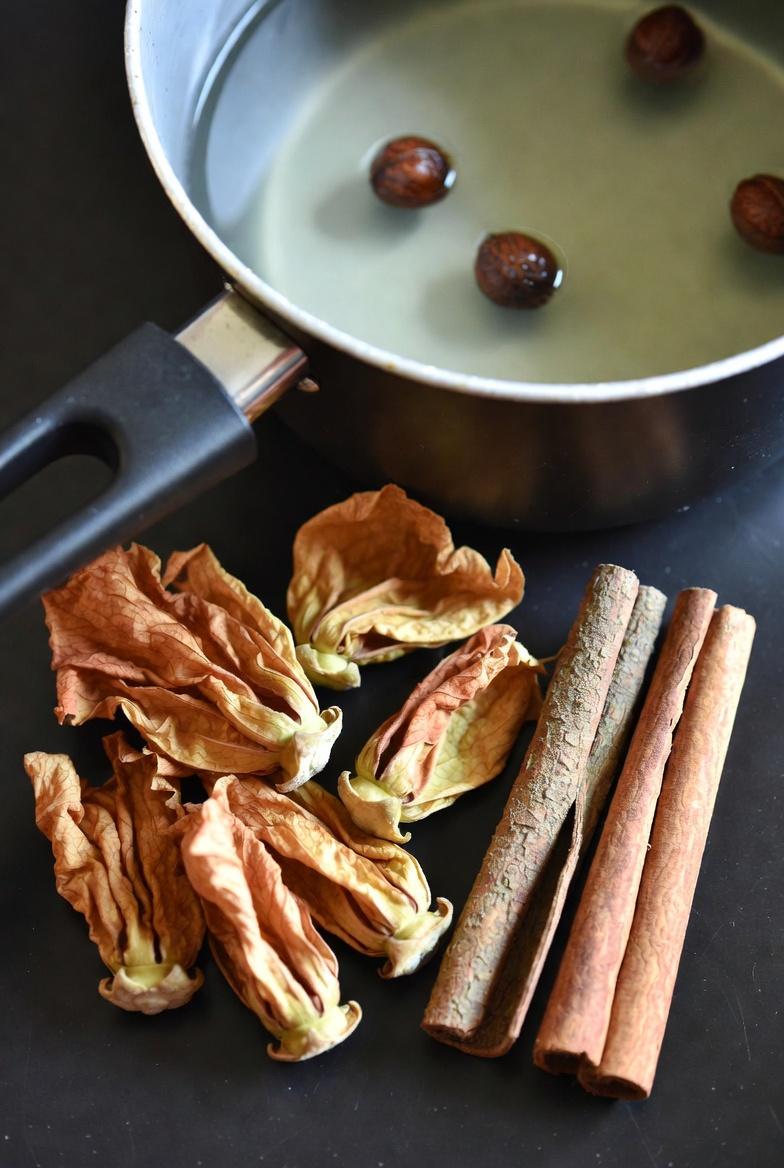
Hibiscus tea is made from the dried calyces (the outer sepals) of the Hibiscus sabdariffa plant. It’s known for its striking deep red hue and pleasantly tart, cranberry-like taste. You may hear it called “sour tea” or “roselle” in different regions.
This herbal infusion is:
- Naturally caffeine-free
- Rich in anthocyanins and polyphenols
- A source of vitamin C and other plant compounds
Research suggests that hibiscus tea may support cardiovascular health. Several clinical trials and systematic reviews have reported that regular intake can contribute to modest decreases in blood pressure, especially in people with elevated readings.
In some studies, participants drinking hibiscus tea experienced reductions in systolic blood pressure of about 7 mmHg compared with placebo—similar in impact to certain lifestyle-focused strategies.
Why Add Cinnamon and Cloves?
Cinnamon: Warm, Sweet Support
Cinnamon comes from the bark of trees in the Cinnamomum genus. Beyond its comforting aroma and subtle sweetness, it has been investigated for its potential role in:
- Supporting healthy glucose metabolism
- Contributing to circulatory wellness
Cloves: Spicy, Aromatic Intensity
Cloves are the dried flower buds of Syzygium aromaticum. They provide a bold, spicy flavor and contain eugenol, a compound associated with antioxidant activity. Early research is exploring how cloves may:
- Support healthy blood sugar regulation
- Offer anti-inflammatory and antioxidant effects
When hibiscus, cinnamon, and cloves are brewed together, they create a balanced, aromatic herbal tea that many enjoy daily. The interaction of these ingredients makes the blend especially interesting from both a flavor and wellness perspective.
Research-Linked Potential Benefits
While results can vary from person to person, scientific literature highlights several key areas where this herbal combination may offer support when used consistently as part of a healthy lifestyle:
-
Cardiovascular Support
Studies on hibiscus tea indicate potential for promoting healthy blood pressure levels. A meta-analysis reported consistent, modest reductions in both systolic and diastolic blood pressure with regular consumption. -
Metabolic and Blood Sugar Wellness
Some evidence suggests hibiscus may help maintain normal blood glucose levels. Reviews have noted improvements in fasting blood sugar among certain study populations. Cinnamon and cloves are also being explored for their roles in metabolic health. -
Antioxidant Protection
Hibiscus, cinnamon, and cloves all contain antioxidants that help counter oxidative stress—an everyday challenge for cells throughout the body. -
Circulation and Overall Comfort
In traditional herbal practices, cinnamon and cloves are often used to support circulation and warmth, while hibiscus has been associated with vascular wellness. Together, they may contribute to a sense of overall comfort and balance.
These potential benefits are most likely to be noticed when the tea is consumed regularly in moderate amounts, alongside a balanced diet and active lifestyle.
How to Make Hibiscus Cinnamon Clove Tea
Ready to brew your own cup? This simple recipe makes about 4 cups and can be prepared in roughly 15 minutes.
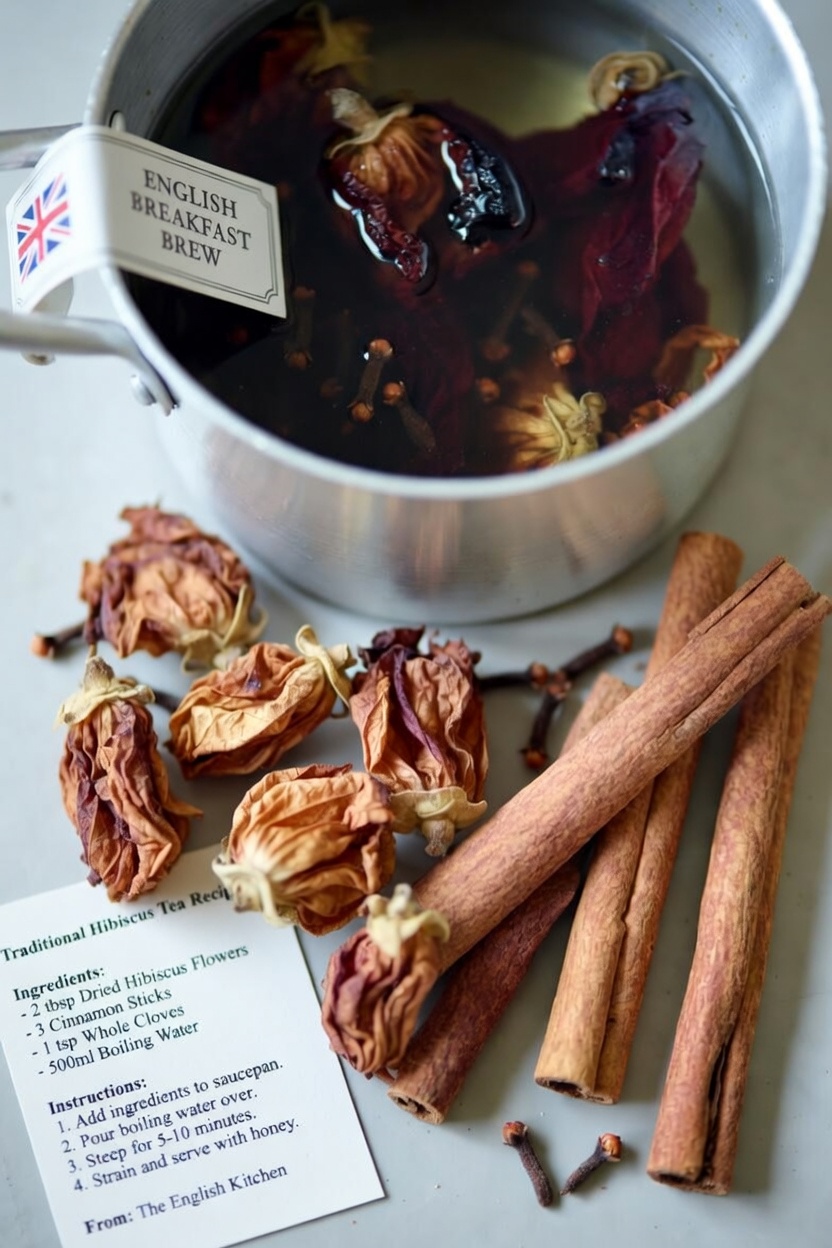
Ingredients (Serves ~4 Cups)
- 1/4 cup dried hibiscus flowers (calyces)
- 1–2 cinnamon sticks
- 5–10 whole cloves
- 4–5 cups water
- Optional: honey or lemon to taste (add after the tea cools slightly)
Step-by-Step Instructions
-
Boil the water
Pour 4–5 cups of water into a pot and bring it to a rolling boil. -
Add the herbs and spices
Stir in the dried hibiscus flowers, cinnamon sticks, and whole cloves. -
Simmer gently
Lower the heat and let the mixture simmer for 10–15 minutes so the flavors and plant compounds can infuse into the water. -
Strain the tea
Remove from heat and strain the liquid into a pitcher or directly into mugs. -
Serve and enjoy
Allow the tea to cool slightly before drinking. Enjoy it warm, or chill it and pour over ice for a refreshing cold drink. Add a little honey or a squeeze of lemon if desired.
You might start with 1–2 cups per day and see how it fits into your routine. Adjust the amount of cinnamon and cloves to match your taste preference—more cinnamon for warmth, more cloves for spice.
Simple Tips to Get the Most from Your Brew
- Use high-quality, preferably organic, hibiscus, cinnamon, and cloves whenever possible.
- Store dried hibiscus in an airtight container away from light and heat to preserve its color and potency.
- Avoid prolonged, vigorous boiling to help protect more delicate antioxidant compounds.
- Combine this tea with wholesome eating and regular movement for the best overall wellness impact.
Why This Tea Can Become a Favorite Daily Ritual
Picture ending your day with a steaming, ruby-red cup that feels both comforting and refreshing—and also aligns with your wellness intentions. Many people say they feel more at ease and gently energized when they incorporate herbal teas like this into their daily lives.
The tart brightness of hibiscus blends beautifully with cinnamon’s cozy warmth and the bold spice of cloves, turning a simple drink into a soothing ritual. You can also personalize your blend by:
- Adding fresh ginger for extra zing
- Dropping in apple slices for natural sweetness
- Adjusting brewing time for a milder or stronger flavor
Common Questions About Hibiscus Cinnamon Clove Tea
1. Is hibiscus tea safe to drink every day?
Most healthy adults tolerate hibiscus tea well in moderate amounts, such as 1–3 cups per day. It is naturally free of caffeine, making it suitable for morning or evening.
2. Can this tea interact with medications?
Because hibiscus may influence blood pressure and blood sugar, it can potentially interact with medications related to these concerns. If you are taking prescription drugs for hypertension, diabetes, or other health conditions, speak with your healthcare provider before making this tea a regular habit.
3. When is the best time to drink it?
Many people enjoy it in the morning for a gentle, caffeine-free start, or in the evening as a calming beverage. Try different times of day and see when it feels best for you.
4. Does it support weight management?
Some research connects hibiscus and related herbs with aspects of metabolic support. However, this tea is most effective as one part of an overall approach that includes balanced nutrition, movement, and healthy lifestyle choices.
Final Thoughts
Hibiscus tea with cinnamon and cloves offers a flavorful, visually striking way to support everyday wellness. While it is not a replacement for professional medical care or prescribed treatments, this simple herbal infusion can complement your routine with potential cardiovascular, metabolic, and antioxidant benefits—wrapped in a cup of deeply satisfying flavor.