Rice Water for Skin: Benefits, DIY Methods, and Safe Ways to Use It
Dry, tired-looking skin is a common concern. After cleansing, many people notice tightness, discomfort, or a rough feeling that gets worse with daily exposure to pollution, weather, and indoor air. Over time, this can leave the complexion looking less radiant and make skin feel harder to keep calm and hydrated.
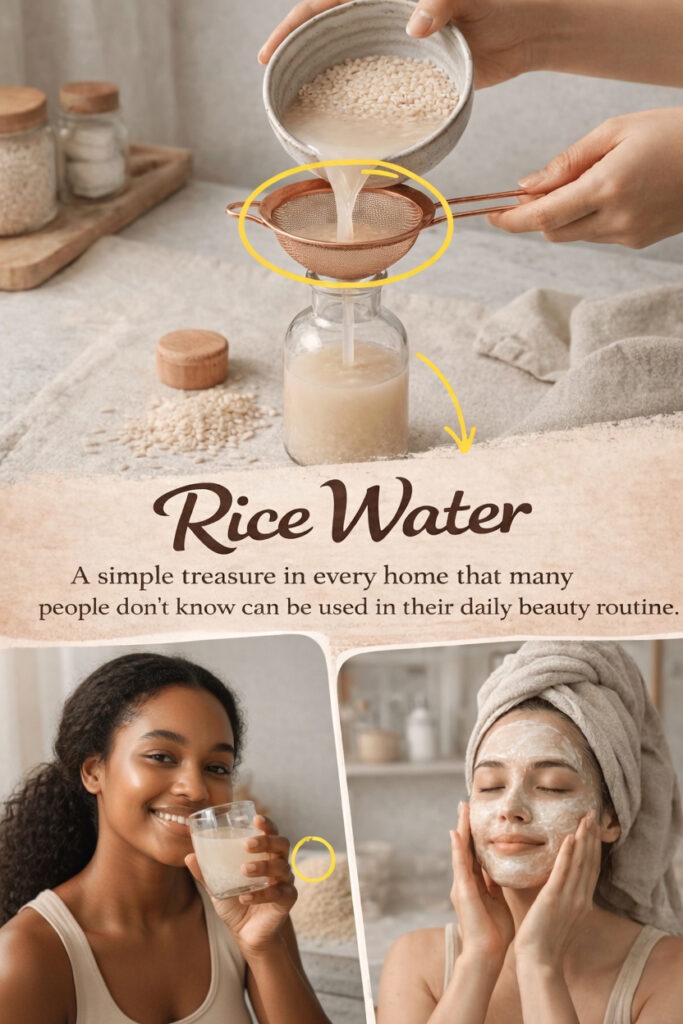
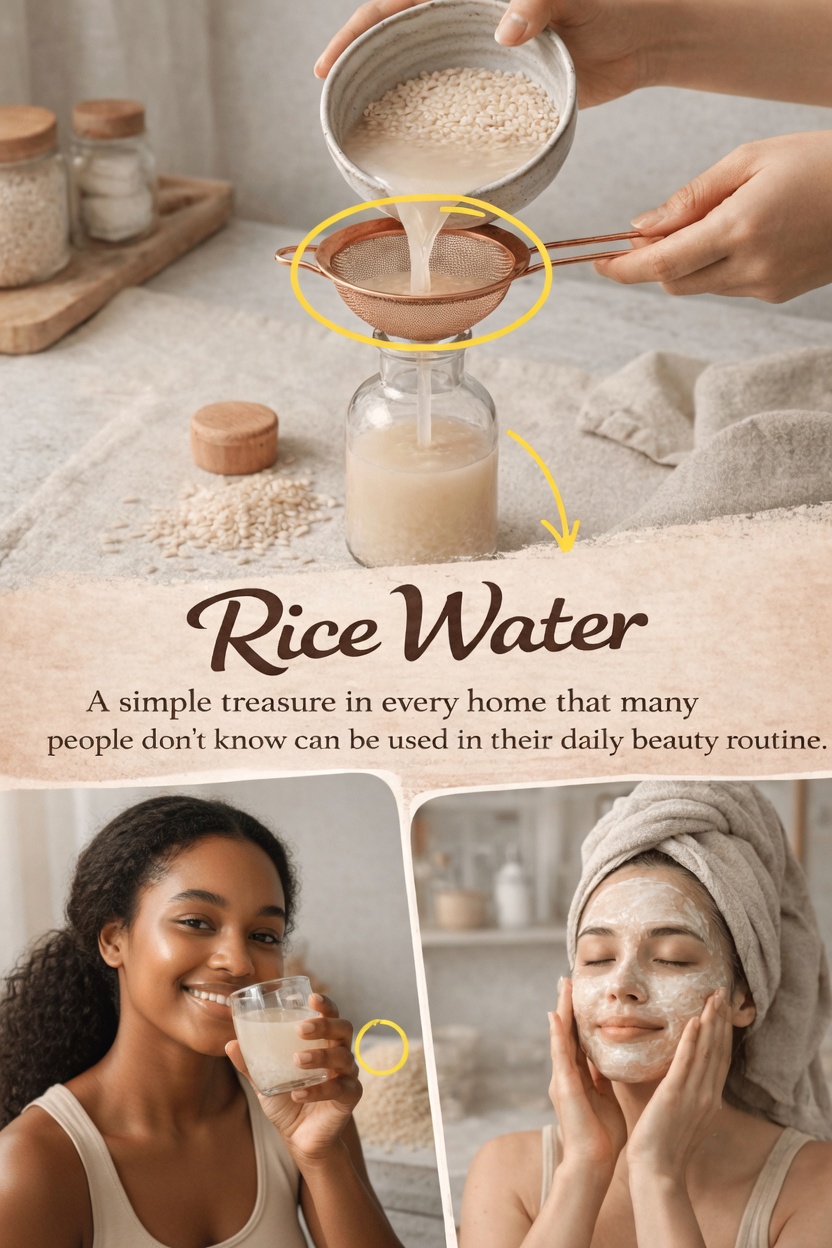
One simple remedy has recently returned to the spotlight: rice water. This cloudy liquid, left behind after rinsing, soaking, or boiling rice, has been used in traditional beauty routines for generations. Today, it is attracting renewed interest as a gentle, natural skincare option.
What makes it especially appealing is how easy it is to prepare at home. Still, many people do not know the best way to use it or how to do so safely. Below, you will find a practical guide to making rice water, applying it properly, and understanding what research says about its potential skin-supporting effects.
What Is Rice Water?
Rice water is the milky liquid produced when rice is soaked, washed, or cooked in water. As the grains sit in water, they release starch, trace vitamins, minerals, and small amounts of antioxidant compounds.
For centuries, rice-based beauty rituals have been part of traditional Asian skincare and haircare. Today, rice water is widely used in DIY beauty routines around the world because it is inexpensive, easy to make, and generally gentle.
Scientific interest in rice-derived ingredients has also grown. Research has examined compounds found in rice, including phenolics and ferulic acid, for their antioxidant potential and possible role in supporting healthier-looking skin.
Why Rice Water Is Popular in Skincare
Although more large clinical studies are still needed, existing research and traditional use suggest that rice water may offer several cosmetic benefits for the skin.
1. Supports Skin Hydration
Rice starch may help the skin hold onto moisture more effectively. Some studies have shown that rice starch used in water-based treatments can assist with skin barrier recovery, especially when skin feels dry or irritated.
2. Helps Calm Discomfort
One reason rice water remains popular is its mild nature. Older research involving rice starch baths found improvements in skin barrier function in people with atopic dermatitis, which may contribute to greater comfort for irritated skin.
3. Provides Antioxidant Support
Fermented rice water has shown notable antioxidant activity in laboratory testing, in some cases comparable to vitamin C. This matters because antioxidants may help defend the skin against everyday environmental stress that contributes to a dull appearance.
4. May Improve the Look of Skin Texture
Preliminary findings suggest that rice water may influence elastase activity, an enzyme associated with changes in skin elasticity over time. While evidence is still limited, this may help explain why some people describe their skin as looking smoother or firmer after regular use.
5. Offers a Mild Brightening Effect
Traditional beauty practices have long linked rice water with a fresher, more even-looking complexion. Some early laboratory research supports this idea, although the evidence is not yet strong enough to treat it as a proven brightening solution.
It is important to remember that rice water is not a substitute for clinically proven skincare products. Instead, it can be used as a supportive addition to a well-rounded routine.
Types of Rice Water and How They Differ
There are several ways to prepare rice water, and each method may offer slightly different qualities.
-
Soaked rice water
- Fast and easy to make
- Contains basic starches that may help with gentle hydration
-
Fermented rice water
- Left to naturally ferment for a short period
- May contain increased antioxidant activity based on some lab findings
-
Boiled rice water
- More concentrated
- Often richer in released compounds from the rice
- Must be cooled properly before use
How to Make Rice Water at Home
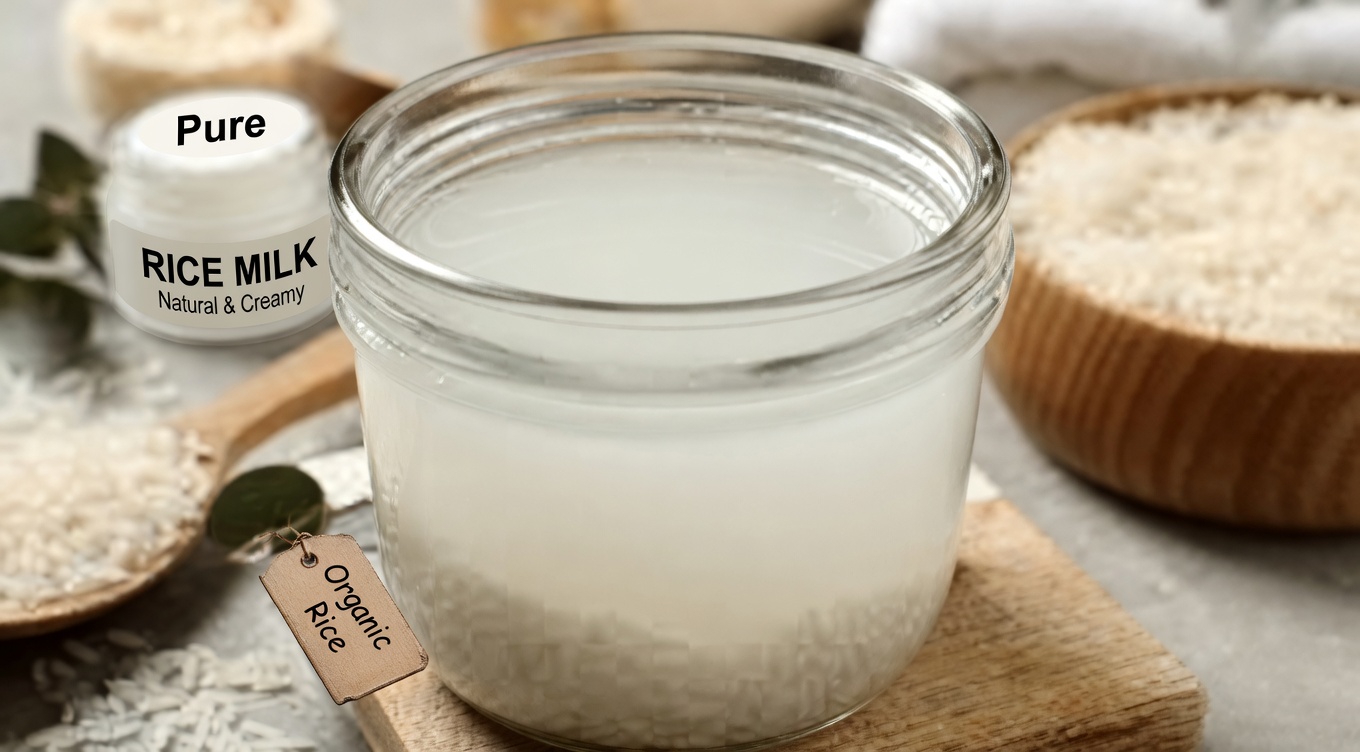
Preparing rice water is simple and requires very little equipment. If possible, choose organic rice to reduce the chance of unwanted residues.
Method 1: Soaked Rice Water
This is the quickest and easiest option.
- Measure 1/2 cup of uncooked rice.
- Rinse the rice under cool water 2 to 3 times to remove dust or impurities.
- Place the rice in a bowl.
- Add 2 to 3 cups of clean water.
- Stir gently and leave it to soak for about 30 minutes.
- Strain the liquid into a clean container or jar.
- Refrigerate and use within 3 to 4 days.
Method 2: Fermented Rice Water
This version may offer stronger antioxidant properties.
- Follow the same soaking method above.
- After straining, leave the rice water at room temperature for 1 to 2 days.
- Once it develops a light sour smell, fermentation has begun.
- Transfer it to the refrigerator immediately.
- Use it within one week, or sooner if the smell becomes unpleasant.
Method 3: Boiled Rice Water
This creates a stronger, starch-rich version.
- Cook rice as usual, but add more water than normal.
- Once the rice is cooked, strain off the extra liquid.
- Allow the liquid to cool fully before storing or applying it to the skin.
Patch Test First
Before using rice water on your face or scalp, test a small amount on your inner arm. Wait 24 hours to check for redness, itching, or any sign of sensitivity.
How to Use Rice Water in Your Routine
Rice water can be added to both skincare and haircare in a few easy ways.
As a Facial Toner
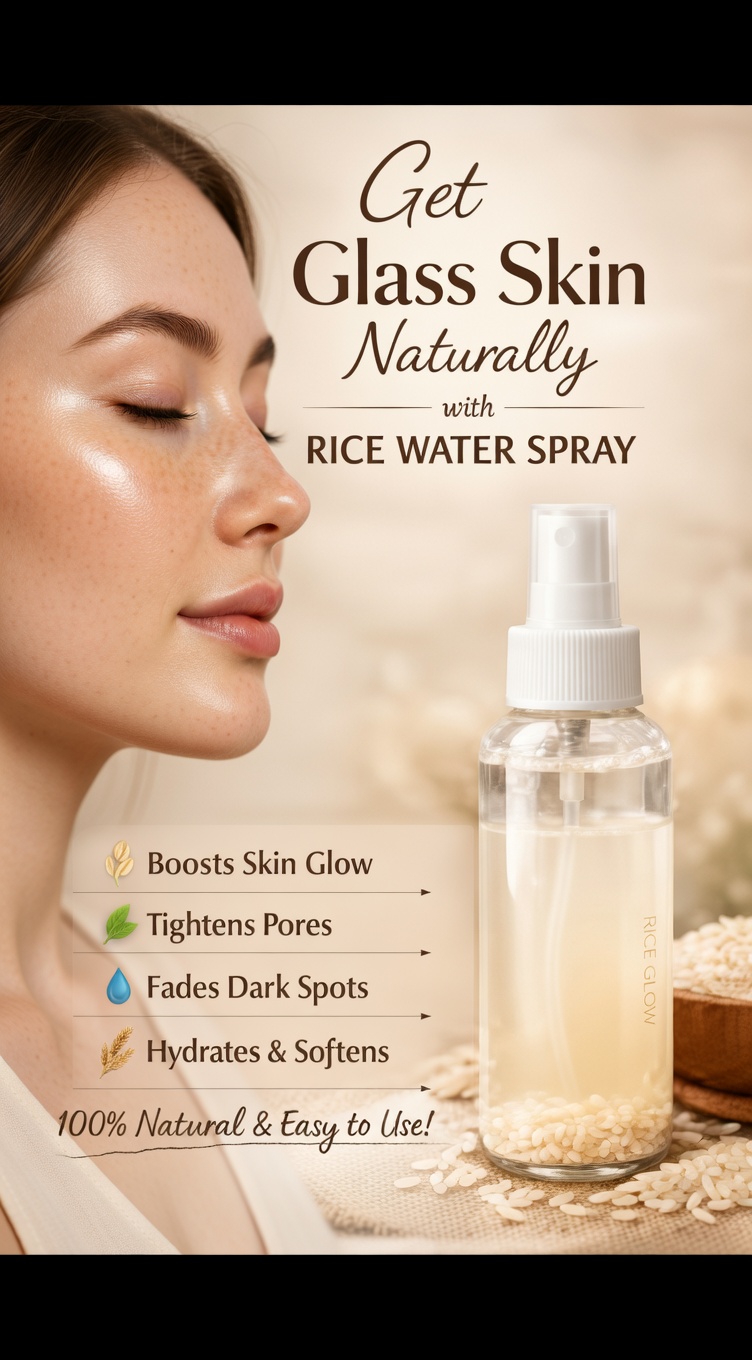
After cleansing, apply rice water using clean hands or a cotton pad. Let it dry naturally on the skin. This can leave the face feeling fresh and lightly hydrated.
In a Face Mask
Combine rice water with ingredients such as honey or yogurt to create a soothing mask. Leave it on for 10 to 15 minutes, then rinse well.
As a Hair Rinse
After shampooing, pour rice water through the hair and scalp. Many people use it to improve softness and add shine.
In the Bath
Adding about one cup of rice water to bathwater may help comfort dry or stressed skin over the body.
For best results, begin with 2 to 3 uses per week. Watch how your skin responds before increasing frequency. Regular use matters more than overuse.
Safety Tips to Keep in Mind
Rice water is usually considered gentle, but that does not mean it works the same way for everyone.
- If you have very sensitive skin, eczema, or another chronic skin condition, speak with a dermatologist before using it often.
- Stop using it if you notice itching, redness, stinging, or irritation.
- Always keep homemade rice water in the refrigerator, especially in warm weather.
- Throw it away if the color changes noticeably or the smell becomes unpleasant.
- Avoid storing homemade rice water too long, since bacterial growth can happen quickly without proper refrigeration.
Final Thoughts
Rice water is a simple, affordable way to bring a natural element into your skincare routine. Its long history in traditional beauty practices, along with early scientific interest, makes it an appealing option for those looking for gentle support for hydration, comfort, and overall skin appearance.
While it should not replace your core skincare essentials, it can be a useful addition when used carefully and consistently. If your skin responds well, rice water may become an easy part of a more soothing, balanced routine.
FAQ
How long can homemade rice water be stored?
In most cases, homemade rice water lasts 3 to 7 days in the refrigerator, depending on how it was prepared. Fermented versions should be checked carefully for smell and freshness.
Can rice water be used every day?
It can be used daily by some people, but it is better to begin with 2 to 3 times per week. This helps you see how your skin reacts before making it a daily habit.
Is fermented rice water more effective than plain rice water?
Fermented rice water may contain more antioxidant compounds according to some studies. However, both plain and fermented rice water can be useful. The best choice depends on your skin, your preference, and how much time you want to spend preparing it.