
Celery Juice: A Simple, Refreshing Addition to a Healthy Routine
Many people deal with low energy, lackluster skin, or occasional bloating after eating. In many cases, these common issues are linked to packed schedules, poor hydration, or meals that do not include enough fresh vegetables. Even when people want to eat better, adding more water-rich, nutrient-dense produce can feel difficult during busy weeks. The good news is that one easy green option may help support overall wellness without complicating your routine.
Celery juice has become a popular choice for exactly that reason. This guide explains how to prepare it, how to enjoy it, and what nutrition research says about its benefits. You will also find a simple step-by-step recipe you can make today, along with practical tips for including it in a balanced lifestyle.
Why Celery Juice Is So Popular
Celery has long been used in everyday cooking and traditional diets, but fresh celery juice has recently become especially popular as a morning drink. Many people say they feel more refreshed after drinking it, while others notice their skin looks brighter. These experiences are personal and can differ from one person to another, but the popularity of celery juice is easy to understand.
Celery is made up mostly of water and contains a useful mix of vitamins, minerals, and plant compounds that support healthy eating habits. Research shows it provides antioxidants such as flavonoids and vitamin C, both of which help protect cells from everyday oxidative stress. It also contains vitamin K, potassium, and folate while remaining low in calories.
A single cup of celery juice can contribute to hydration and provide a modest but worthwhile nutrient boost as part of a varied diet.

That said, it is important to stay realistic. No single food or beverage can solve every health concern. The body already relies on built-in systems, including the liver, kidneys, and digestive tract, to manage daily functions. These systems work best when supported by overall healthy habits.
Celery Juice Nutrition: What It Contains
One reason celery juice stands out is that it offers hydration and nutrients without adding many calories. An 8-ounce serving of fresh celery juice typically contains:
- About 33 calories
- A good amount of vitamin K, which supports normal blood clotting and bone health
- Vitamin C, which supports immune health and skin function
- Potassium, important for fluid balance and muscle function
- Folate and smaller amounts of several B vitamins
- Antioxidants such as flavonoids and beta-carotene
These nutrients help explain why celery is a common ingredient in salads, smoothies, and juices. Because it contains so much water, celery juice can be especially refreshing in hot weather or after exercise.
Some studies suggest that compounds in celery may have mild anti-inflammatory effects when eaten regularly as part of a healthy diet. For example, flavonoids have been studied for their potential role in lowering common inflammation markers. However, much of this evidence comes from research on whole celery or plant extracts rather than juice alone.
Key Nutrients in Celery Juice and Their Roles
Here are some of the most notable nutrients found in celery juice:
-
Vitamin K
- Supports bone strength
- Helps with normal blood clotting
-
Vitamin C
- Acts as an antioxidant
- Supports collagen production, which contributes to healthy-looking skin
-
Potassium
- Helps regulate fluid balance
- Supports normal blood pressure within a healthy lifestyle
-
Flavonoids and other antioxidants
- Help protect the body from oxidative stress linked to daily life
Evidence-Based Wellness Benefits of Celery Juice
Celery juice can support hydration, and that matters for nearly every system in the body. Good hydration plays a role in digestion, skin appearance, kidney function, and overall energy. Since celery is roughly 95% water, drinking its juice is an easy way to increase fluid intake.
Some early studies and traditional dietary use also point to possible mild benefits for blood pressure. Celery contains compounds called phthalides, which may help blood vessels relax. Reviews have also noted antioxidant activity in animal studies. Still, human research remains limited, and many studies focus on whole celery or concentrated extracts rather than fresh juice itself.
When it comes to skin, celery juice may help indirectly. Hydration, vitamin C, and antioxidants can all contribute to healthier-looking skin over time, especially when paired with enough sleep, good nutrition, and sun protection. Some people also say they feel less heavy or bloated when they start consuming more vegetables like celery, though this is likely due to improved hydration and an overall healthier eating pattern rather than a dramatic effect from celery juice alone.

It is also worth addressing a common myth. Claims that celery juice can rapidly detox the body or deeply cleanse organs are not strongly supported by science. The body naturally detoxifies itself through the liver, kidneys, digestive system, and other processes. The best way to support those systems is through consistent habits such as:
- Drinking enough water
- Eating a variety of plant foods
- Reducing heavily processed foods
- Staying physically active
- Maintaining a healthy weight
Celery juice can fit into that lifestyle, but it should not be seen as a miracle fix.
One Important Limitation: Juice Removes Most of the Fiber
There is another point many people overlook. Whole celery contains fiber, which helps support digestive health and regular bowel movements. When celery is juiced, most of that fiber is removed.
For that reason, many nutrition professionals suggest enjoying both forms:
- Whole celery for fiber and fullness
- Fresh celery juice for hydration and convenience
This balanced approach allows you to get the benefits of both.
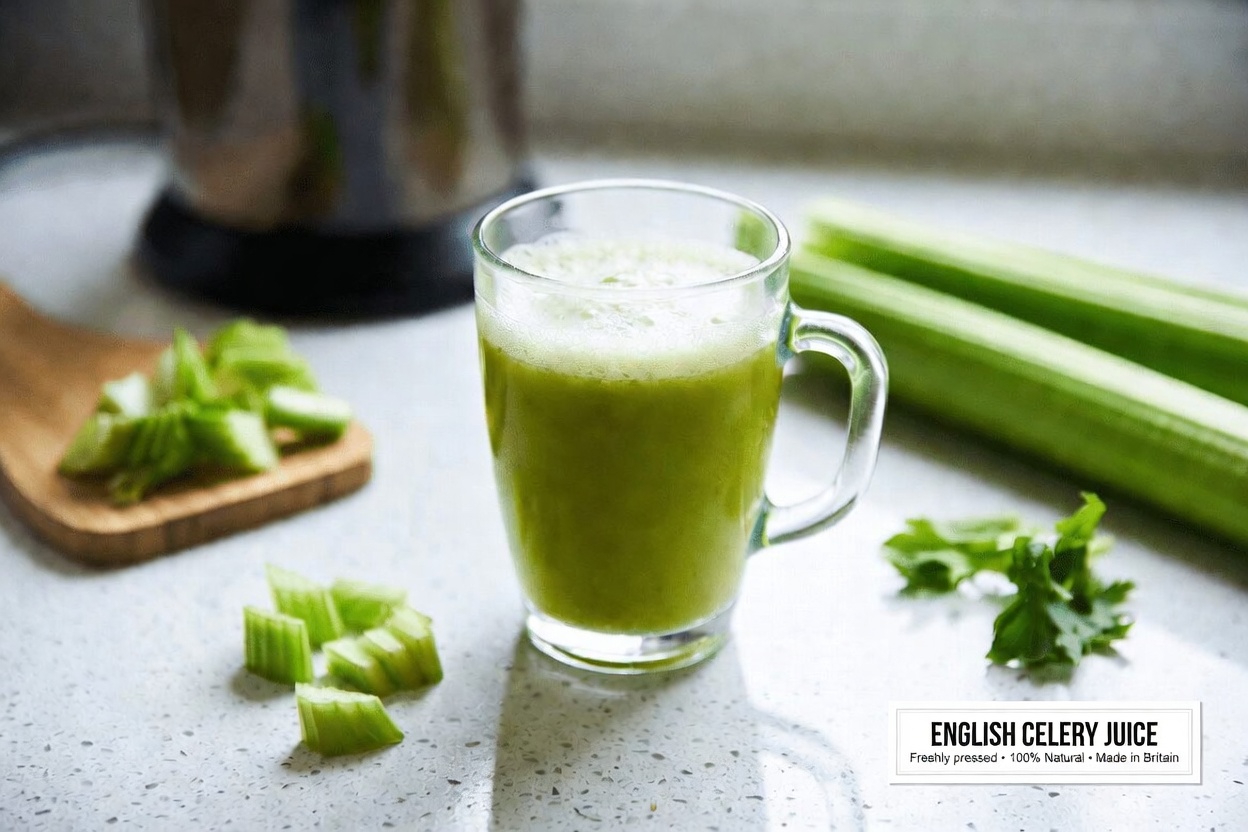
How to Make Fresh Celery Juice at Home
Making celery juice is easy and does not require much equipment. You can prepare it in just a few minutes.
Step-by-Step Method
-
Choose fresh celery
- Pick stalks that are firm, crisp, and bright green
- If possible, choose bunches with leaves attached
- Organic celery is optional, but all celery should be washed well
-
Wash and prepare
- Rinse thoroughly under cool running water
- Cut the stalks into smaller pieces if using a blender
- Around 3 to 4 large stalks will usually make one 8- to 12-ounce serving
-
Juice the celery
- Using a juicer: Feed the stalks through slowly to get the best yield
- Using a blender: Blend the celery with a small splash of water if needed, then strain through a fine sieve or nut milk bag and press out the liquid
-
Drink it fresh
- For best taste and nutrient quality, drink it within 24 hours
- Many people enjoy it plain first thing in the morning, but any time of day works
-
Try simple variations if desired
- Start with plain celery juice to see how your body responds
- Later, you can add cucumber or a little lemon for flavor, although many traditional recipes keep it plain
Tips for Better Results
To make celery juice a helpful habit, keep these suggestions in mind:
- Drink about 8 to 16 ounces if you enjoy it
- Do not force large amounts if it does not feel right for your body
- Store extra juice in an airtight glass container in the refrigerator
- Freshly made juice is usually best
- Pair it with a balanced breakfast that includes protein and healthy fats for more steady energy
This quick routine can make it easier to increase your vegetable intake and stay hydrated.
How to Add Celery Juice Safely
Celery juice can be part of a healthy diet, but moderation and balance matter.
Smart Ways to Use It
-
Start gradually
- If you are new to green juices, begin with half a serving
- This gives your stomach time to adjust
-
Use it as a supplement, not a substitute
- Celery juice should support meals, not replace them
- Whole foods are still important for fiber, protein, and fullness
-
Be aware of sodium
- Celery naturally contains some sodium
- People following low-sodium diets should consider their total daily intake
-
Choose fresh produce
- Wash celery carefully before juicing
- Fresh bunches are often better than older pre-packaged options
Some people may notice mild digestive changes when they first begin drinking vegetable juices. If you take medication, especially blood thinners because of celery’s vitamin K content, it is a good idea to speak with a healthcare professional before making major changes to your diet.
More Ways to Enjoy Celery Beyond Juice
If you want the benefits of celery in other forms, there are many easy options:
- Add chopped celery to salads for crunch
- Stir it into soups and stews for extra flavor
- Snack on celery sticks with hummus or nut butter
- Blend celery leaves into smoothies or pesto
- Roast or braise celery root, also known as celeriac, as a lower-carb side dish
Common Questions About Celery Juice
1. Is celery juice better than eating whole celery?
Not really. Whole celery gives you fiber, which supports digestion and helps you stay full. Celery juice, on the other hand, offers hydration and nutrients in a lighter form. Both can be useful depending on your needs and preferences.
2. How much celery juice should I drink each day?
Many people do well with 8 to 16 ounces a few times per week. There is no single amount that everyone must drink. The best choice is one that fits comfortably into your normal eating pattern.
3. Can everyone drink celery juice?
Most healthy adults can enjoy celery juice in moderation, but it may not be right for everyone. People with certain digestive sensitivities, those following sodium-restricted diets, or anyone taking medications affected by vitamin K should be cautious. If you have a medical condition or take prescription medicine, check with your healthcare provider first.
Final Thoughts
Celery juice is not a magic cure, but it can be a refreshing and practical addition to a healthy lifestyle. It provides hydration, helpful nutrients, and antioxidants in a low-calorie form that many people find easy to enjoy. While it should not replace whole vegetables or balanced meals, it can support your routine when used thoughtfully.
If you want to try it, keep it simple: start with fresh celery, make a small serving, and see how it fits into your day. Combined with plenty of whole foods, good sleep, regular movement, and proper hydration, celery juice can be one small habit that supports long-term wellness.